ID Guide: Hairy Bittercress
Common names: Hairy bittercress, lamb’s cress, land cress, spring cress, hoary bittercress, shot weed, flick weed
Latin: Cardamine Hirsuta
Appearance: Has a dense collection of leaves at its base, that are often referred to as a rosette. A stalk that grows vertically and bears a small cluster of white flower is what makes it most noticeable. Living up to its name, the leaves are covered in tiny hairs creating a hairy texture.
Where: Any area with disturbed soil such as gardens, fields, flower beds and even in flower boxes.
How to forage: It is very easy to pick – simply cut a few stems from each plant.
When: Most of the year, it picks up growth in early spring and dies when it’s too hot in the summer.
How to use: Flavour profiles similar to rocket and watercress, adding a peppery taste, makes it great to pair with roast beef in a sandwich, with a thin layer of horseradish, or a crab and mayo roll.
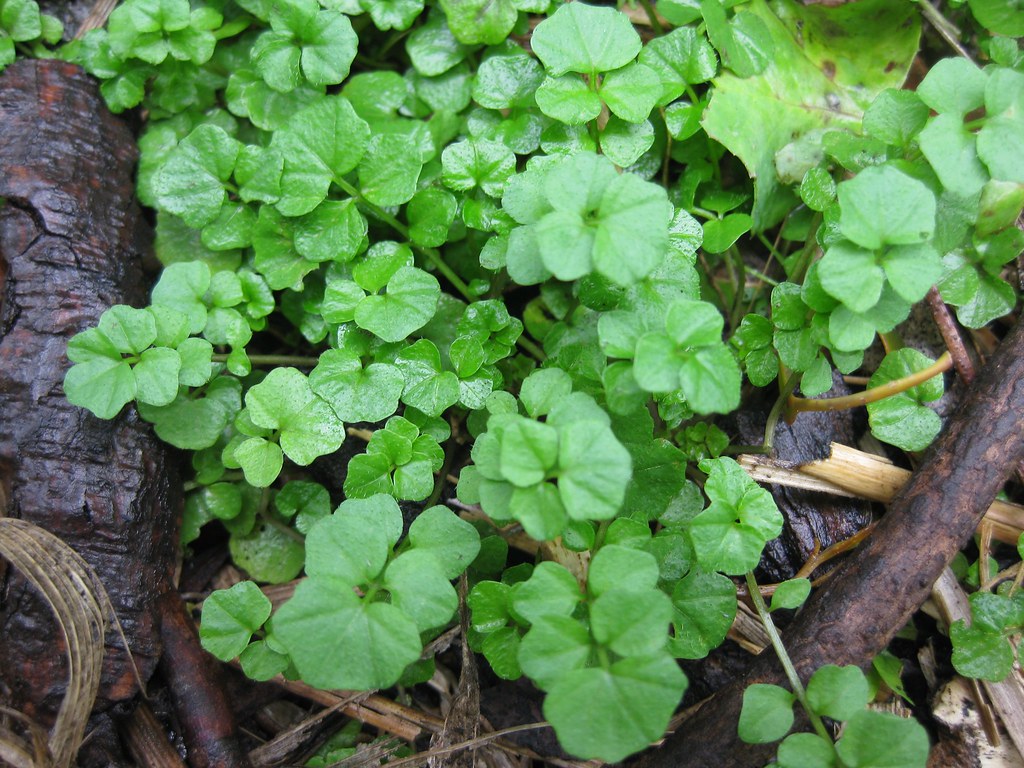
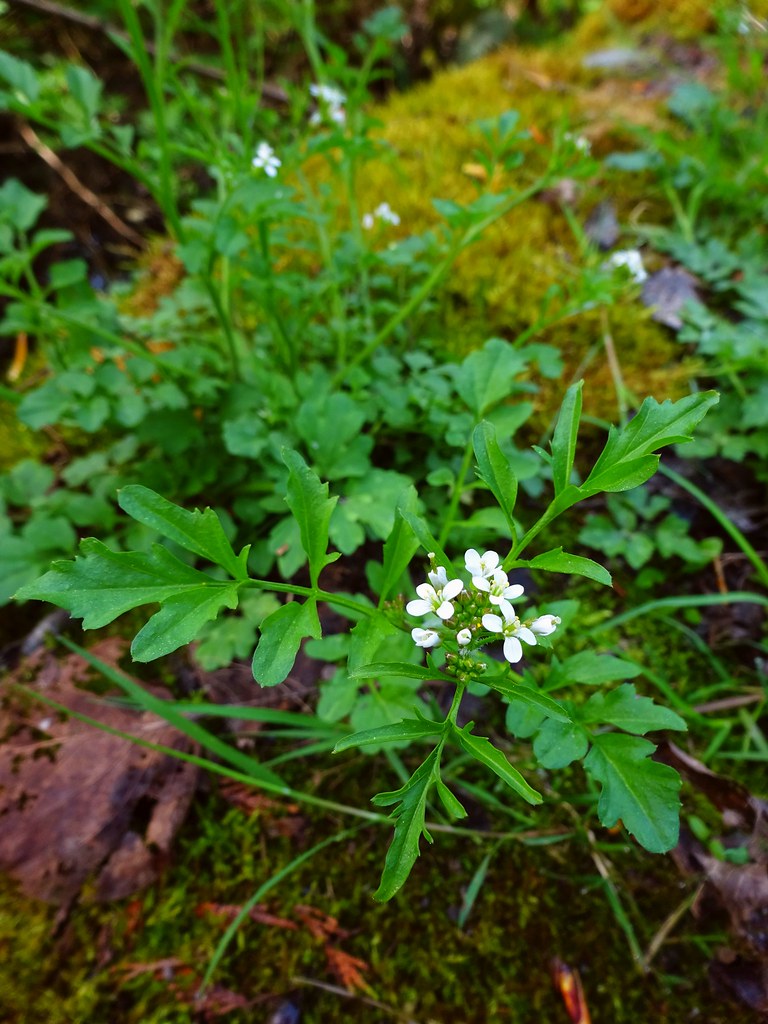
Commonly mistaken with…
Wavy bittercress but, as the name suggests, this is much wavier in texture and has six stamens compared to hairy bittercress’ four.