From a mother’s scarf to a well-worn book, two young residents share the objects that travelled with them when they moved to London.
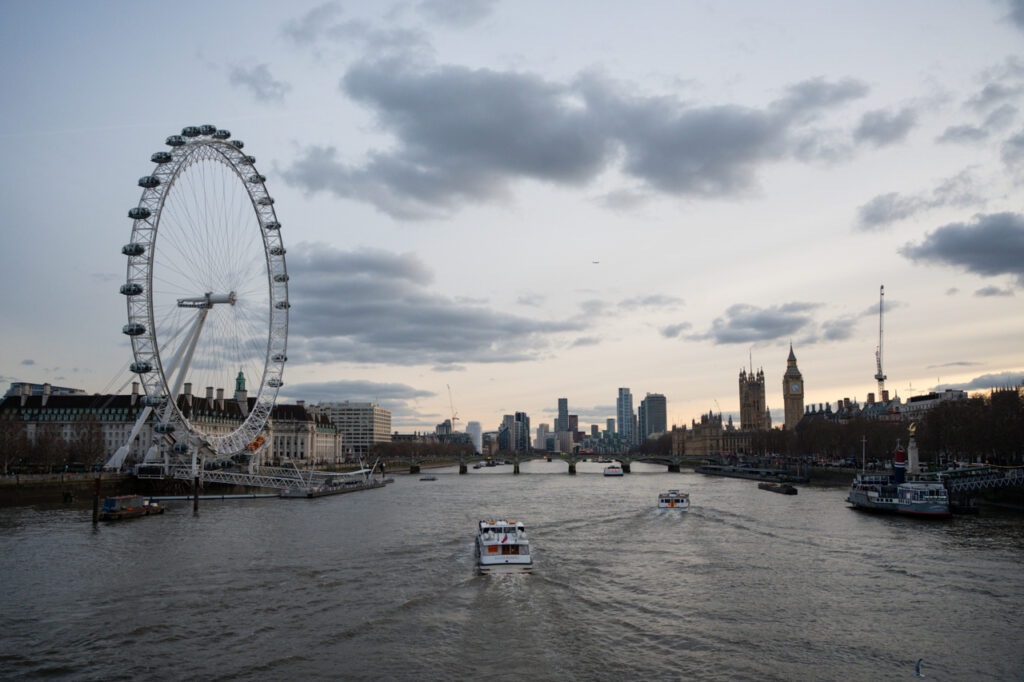
Every day, the tide of the River Thames recedes, briefly revealing fragments of the past: a Roman coin, a Victorian clay pipe, a shard of medieval tile. For centuries, the river has acted as a quiet archivist, holding traces of lives that passed through the city and then disappeared.
People arrive for work, for love, or in search of a different version of themselves. In our suitcases, we carry small objects with immense emotional weight – items that feel irrational to bring, yet impossible to leave behind.
Two temporary residents reflect on the single object they carried across the water in their early 20s – not because they needed it, but because they could not imagine arriving without it.
When Scarlet Moloney moved to London from Ireland, she slipped her mother’s scarf into her suitcase – an item she jokes she “stole, with permission” – a small act that later marked a larger emotional shift. Its familiar texture and the faint, lingering scent of home made it feel like a tangible piece of her childhood.
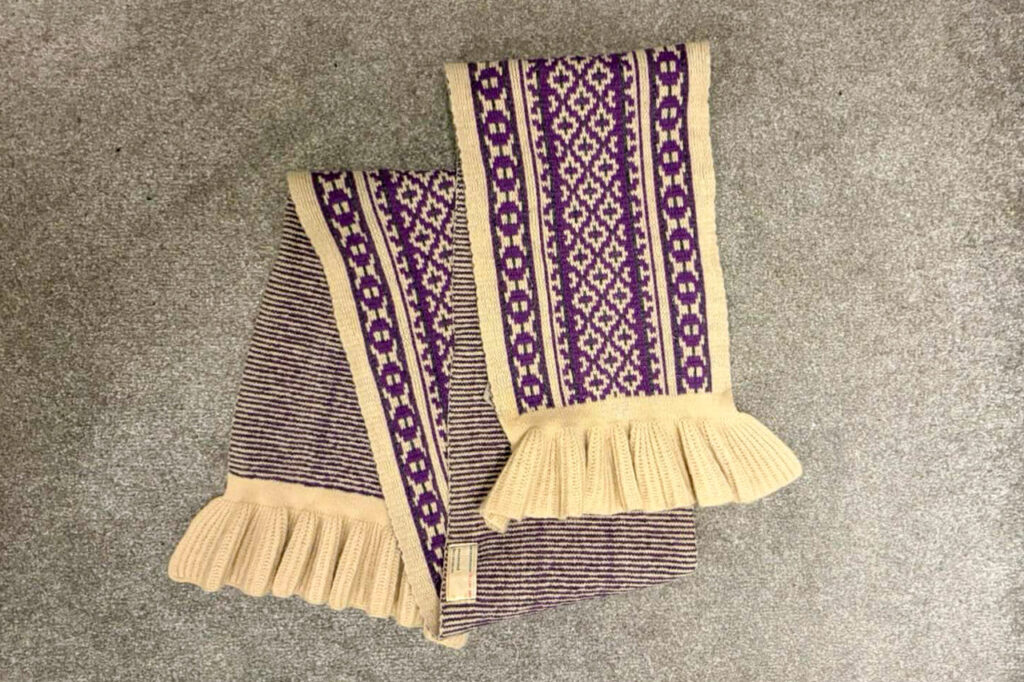
“It started as style, but it quickly became a comfort. It always reminds me of my mum,” she explains, recalling her mother wearing it when she was very young. Wearing it in London made her feel protected and, at the same time, unexpectedly more grown-up.
The object gained new significance when her sisters back home tried to claim it. As the youngest sibling, Scarlet often felt she had less ownership over shared family belongings. Bringing the scarf to London, she jokes, was also a way to make sure it stayed hers.
Over time, the scarf became a marker of transition. Moving abroad was the first time she existed as a version of herself separate from her family life. The simple act of holding the scarf pulls her back to when she was four or five, when she was completely dependent on her mother. “I never see my mum as getting older,” she says, “but I know I’ve grown older, so I guess she has too.”
In London, wearing the scarf carries a dual comfort. “Maybe it felt like my mum was comforting me from far away,” she reflects. But when she sees herself in the mirror, wearing the same item she once saw her mother wear, she recognises something else: “a young, independent woman.”
It is a piece of childhood that travelled with her, witnessing her growing up – a sense of home that crossed the sea, a way of holding onto something unchanged in a city where everything feels new.
For Elham Hassan, from Afghanistan via Italy, the object he chose to carry was not wearable, but readable: his favourite book, Man’s Search for Meaning. Having already lived across different countries, the book became one of the few constants that travelled with him.
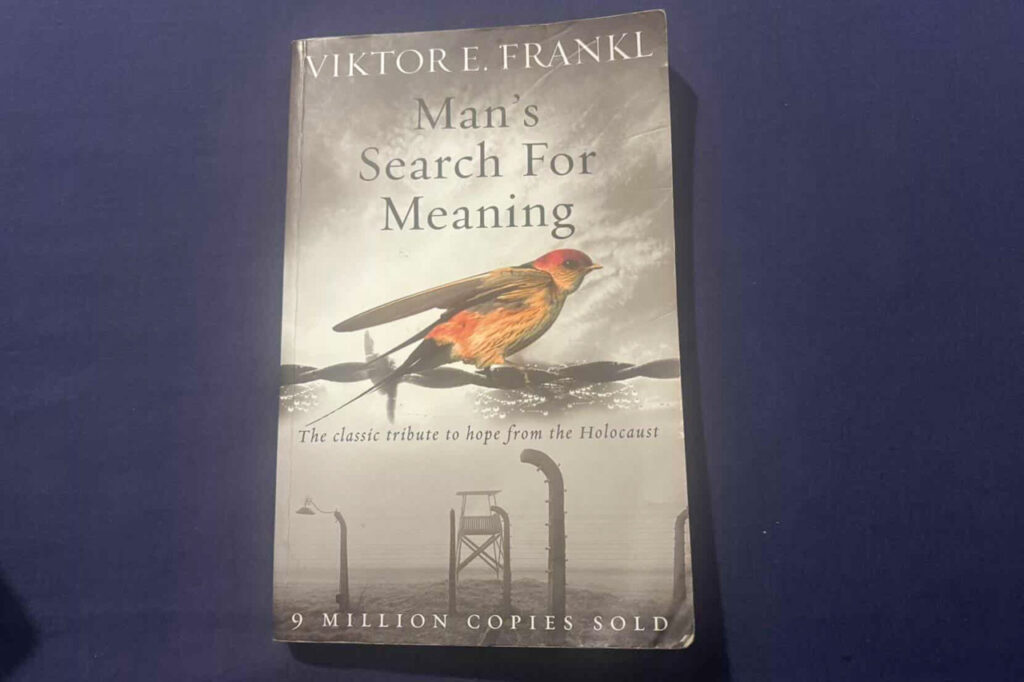
He first discovered the book aged 16 out of curiosity, but it quickly became a lifeline. “Life would be hard for me if it didn’t exist,” he admits.
The copy he keeps is the same one he first read as a teenager. Its worn edges and creased spine bear the physical marks of the journeys they have taken together. Bringing it to London was less about reading and more about emotional necessity.
The book, he explains, serves as a physical anchor for his resilience. It embodies “values that make life easier and more bearable,” but more importantly, it stands as tangible proof of his endurance. The worn pages serve as a quiet testament to moments that were incredibly tough, “but I was still capable of getting through them.” In a new city where everything felt unfamiliar, simply having that specific copy in his room felt stabilising. He moved countries, but the book moved with him.
“If the book could speak,” he reflects, “it would tell the story of the most difficult moments of my life”. In this way, the physical object functions not only as reading material, but as a deeply personal archive of survival.
While the city and the days keep moving, these objects remain still – holding earlier versions of ourselves in place, and quietly accompanying who we are becoming. Perhaps one day, the weight of the transition will fade, and we will no longer need to look at them for reassurance. Until then, they rest in the background, grounding our place in the present.