From citrus freshness to smoky oud, fragrance rituals from around the world offer calm in the rush of city life.
London is not merely a geographic location; it is a cumulative state of mind. For the Independent Explorer, life in this relentless metropolis is defined by constant transition, often leading to deep, cellular fatigue. This fatigue demands not a visual guide, but a sensory counterpoint.
The key to managing this state lies in the olfactory sense. Scent remains the last, most untamed frontier of the senses. It is the only signal that bypasses the rational cortex, travelling directly to the brain’s centres for memory and emotion. This Proustian mechanism is a fundamental act of self-care, permitting the strategic curation of one’s own memoryscape.
The purpose of this feature is to discard the conventional map and utilise the power of scent in a tangible way. What follows are five distinct traditions, drawn from global scent cultures, which act as powerful psychological anchors. They are potent reminders of faraway places that speak to the transient nature of the reader’s life in London, designed to support wellbeing and provide essential emotional structure in a busy city.
1. The citrus burst: a Mediterranean edict
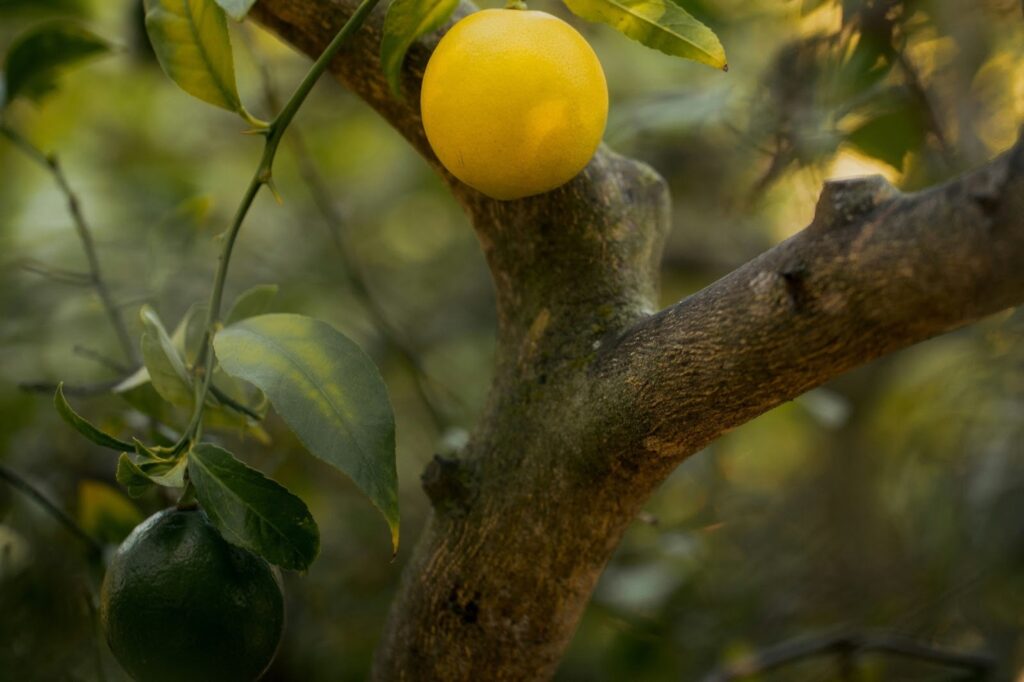
The pervasive grey light and inherited austerity of London life demand a psychological antidote. The Mediterranean tradition, which stretches from the historic eaux de Cologne of Italy to the coastal clarity of the French Riviera, offers this in the form of the Eau Fraîche. This fragrance archetype, defined by the bright, zesty compounds of bergamot, lemon and neroli, is a scent structured for a vivid, fleeting sensory reset, not for prolonged formality.
This anchor is a strategic psychological weapon against fatigue. It cuts through the density of the urban atmosphere, providing the Explorer with a sharp, stimulating dose of optimism. When the city feels heavy, choosing to wear these compounds, found in the classic, clean formulations from houses like Floris London or Jo Malone, is a deliberate act of mental expansion, utilising the scent as a cognitive shortcut to vitality.
2. Frankincense and oud: the grammar of heritage

When the city moves too quickly, the need to connect to an immovable foundation becomes paramount. This is the domain of the resins. Rooted in the ceremonial traditions of the Arabian Gulf and South Asia, this profile is coded for stability, spirituality and ancient, unhurried power. The archetype is defined by the deep, smoky compounds of oud, frankincense and myrrh.
This anchor is a form of olfactory armour. Its density and resonance establish a profound boundary, shielding the wearer from the city’s temporal instability. By seeking out specialist oil houses like Scent Salim, the Explorer establishes an invisible perimeter of permanence, utilising the weight of history as a psychological ballast against the ephemeral nature of metropolitan existence.
3. Spices and ginger: the atmosphere of inclusion

The true vitality of London is not found in its monuments, but in the kinetic, chaotic warmth of its migrant history. The pervasive sense of urban isolation demands an antidote of shared community. The scent of the spice bazaar, rooted in the culinary and domestic traditions across South and East Asia, is the aroma of inclusion. The profile is defined by the collision of ginger, cardamom and clove.
The Spice anchor is a sophisticated antidote to isolation. It provides instant psychological warmth, connecting the Explorer to the city’s living, breathing, multicultural narrative. By choosing fragrances built around this profile, such as the complex, accessible warmth of Pairfum London, the Explorer carries a portable “memory cache” of familial comfort, transforming the vast city into a network of intimate, familiar spaces.
4. White flowers and tuberose: an unapologetic declaration
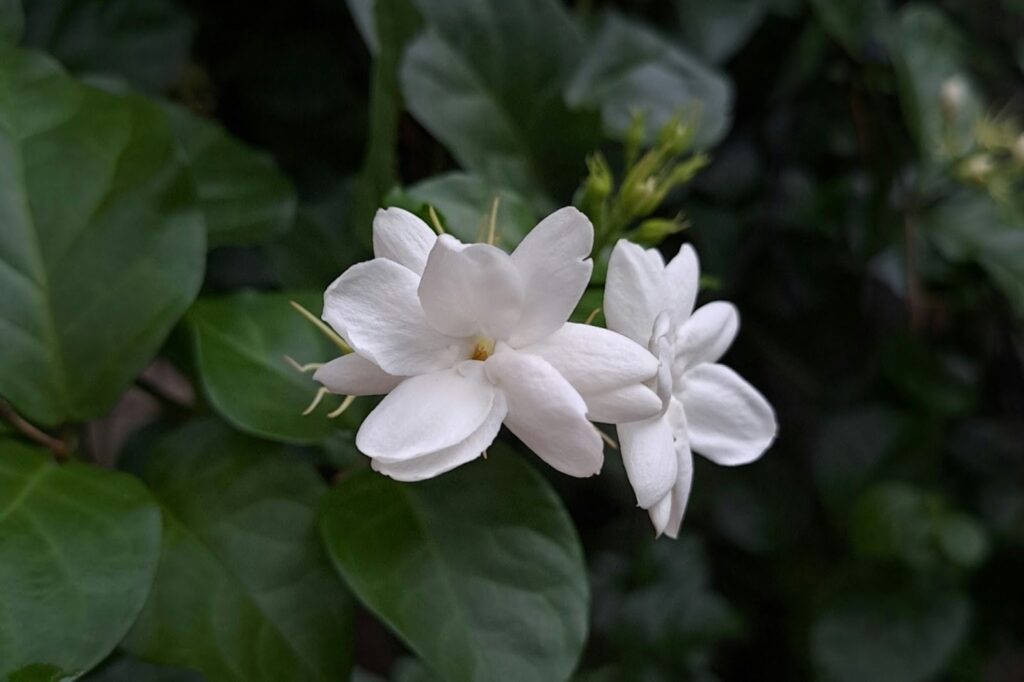
True presence in a global capital is never achieved through modesty. The rich, intoxicating bloom of tuberose, gardenia and jasmine – the great white florals of the tropical tradition, tracing their origins from Central America to the colonial elegance of the French Caribbean – symbolises raw power and assertive confidence in cultures across the globe.
This anchor is a strategic tool for commanding space. It is the precise psychological opposite of the reserved English style. By wearing these bold, structured scents, curated by houses like Miller Harris, the Explorer establishes a dominant, invisible presence essential for navigating the high-stakes professional and social arenas of London, from the boardrooms of Mayfair to the embassy receptions of Belgravia, with an unshakeable, internal sense of control.
5. Petrichor and cardamom moss: the sanctuary of abstraction
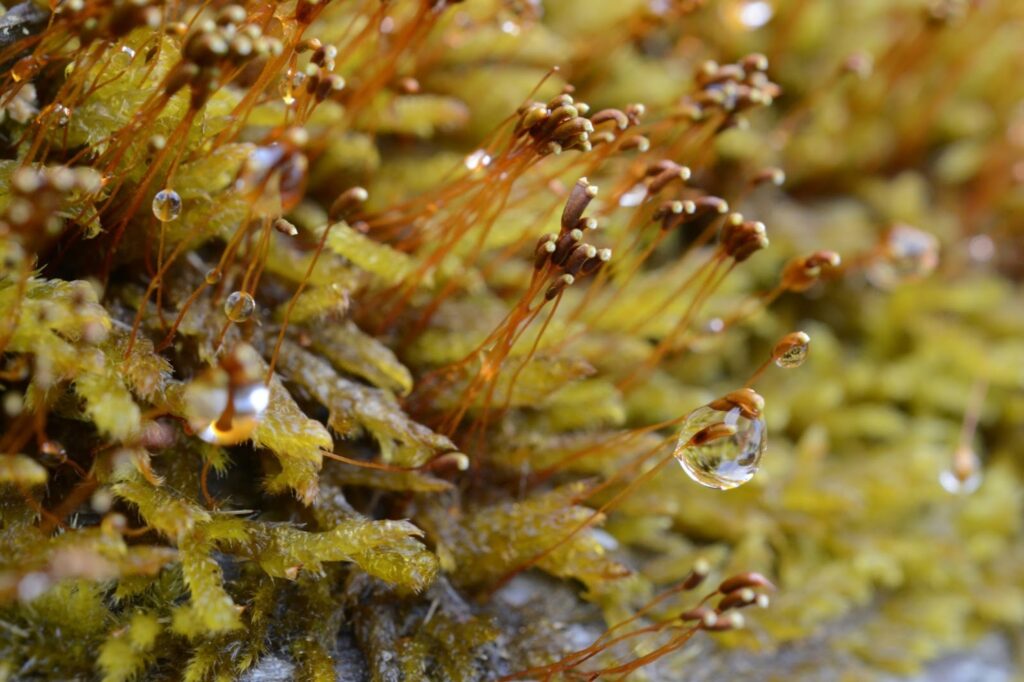
The final anchor addresses the future of the mind. High-level cognitive work requires stillness, but London rarely grants it. This anchor links the elemental calm of the temperate climate – moss and petrichor – traditions often associated with the Nordic forests and the Scottish Highlands, with intellectual abstraction.
This profile is a cognitive tool for achieving focus. It is exemplified by London’s avant-garde perfumery scene, specifically the Experimental Perfume Club (EPC).
Their cardamom moss blend is a synthesis: the cool, bright cardamom offers mental clarity, while the deep moss provides grounding. Using this anchor is an act of curating a creative sanctuary, ensuring the Explorer masters the city’s intellectual flow – from the university libraries of Bloomsbury to the conceptual art spaces of the South Bank – from a position of quiet, conceptual control.