From lost keys to gas leaks, here’s what newcomers should do when something goes wrong in London.
London is a big city, full of thrills and excitement. But sometimes, when things start going wrong, it all seems like a nightmare.
A lost key, a non-functioning boiler or a funny smell in the kitchen can feel daunting when you are still getting used to the city. The good news is that London works on routines. Once you understand those routines, most problems become manageable.
Here is a handy guide to help you cope when something goes wrong.
Locked out? Slow down before you search
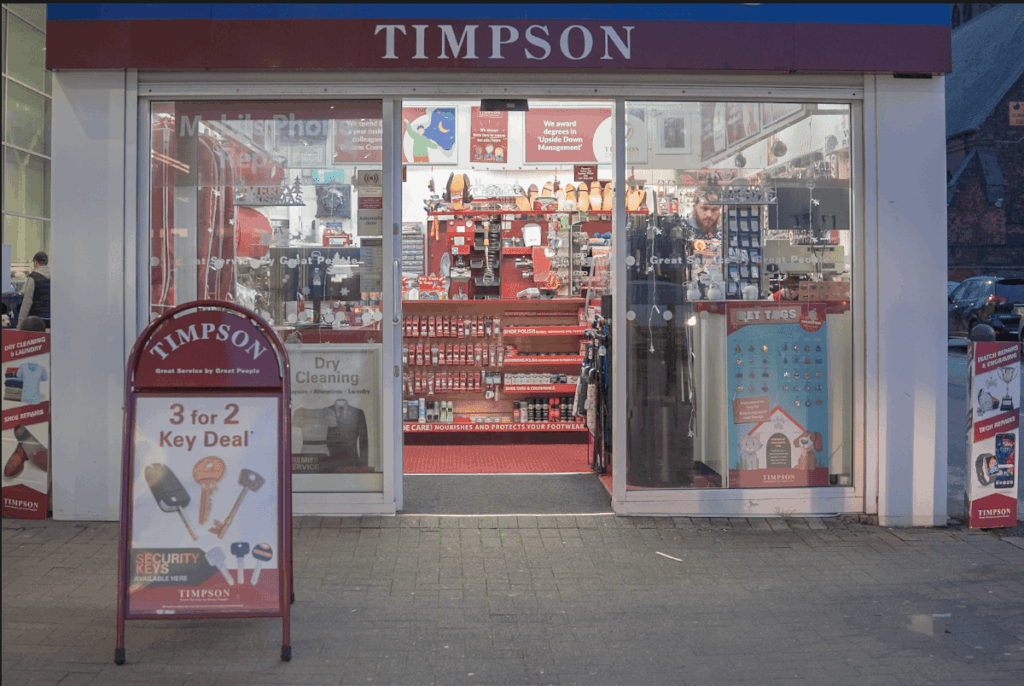
If you lose a key, contact your flatmate, landlord or the person in charge of the building. They often keep a spare. It is better to avoid searching online for help straight away, as this can significantly increase your costs.
If you still want to consult a locksmith, check the prices carefully. A local locksmith notes that very low call‑out charges, usually around £49, often mean a higher price once the actual work starts. A locksmith might charge 40 to 50 per cent more to come to your place at night or on weekends compared to the regular daytime rate.
Whether a lock needs drilling depends on its type. It may not be necessary to drill, as some locks can be opened without damage. If you are renting, contact your landlord before instructing any work, as many landlords prefer to arrange this themselves.
999 or 111? Knowing the difference matters
Call 999 if someone’s life is in danger, there is a fire or a crime is in progress. It has been proven across the nation that misusing emergency services will cause a delay in receiving help if you really need it.
If you need urgent but not emergency advice from a healthcare professional when the GP surgery is closed, then call 111. This service is available 24 hours a day, seven days a week.
You can report non‑emergency crimes online through the Metropolitan Police Service website. Both 999 and 111 are free to call, even if you have no credit on your phone.
Smell gas? Leave first, call second
If there is a strong smell of gas in your home, do not switch any electrical items on or off. If it is safe, open windows and doors, leave the building and call the National Gas Emergency Service on 0800 111 999. This line is available 24 hours a day.
Do not wait to see if the smell disappears. The gas emergency team will tell you what to do next.
Lost your bank card?
Most banks in the UK allow you to lock your cards instantly in their mobile app. If you think someone has stolen your card, report it immediately and request a replacement.
Digital banks such as Monzo and Starling give you virtual card access while you wait for a new physical card. Acting quickly reduces the risk of fraudulent transactions.
Phone gone missing?
If your phone is lost or stolen, use Find My iPhone or Find My Device from another trusted device to locate it or erase its data remotely. If you suspect theft, report it via the Met Police online portal and contact your network provider to block the SIM card.
A smart move is to set up cloud backup in advance, so contacts, photos and notes are not lost even if the device is.
Toothache late at night?
For toothache outside normal surgery hours, contact NHS 111 for advice and routes to urgent dental care. If tooth pain comes with severe swelling, heavy bleeding or difficulty breathing, call 999 or go straight to A&E.
There are limited out‑of‑hours NHS appointments for urgent dental problems, and in some cases you may have to pay privately. Registering with a local dentist in advance gives you a clearer path when something goes wrong.
Landlord ignoring urgent repairs?
In the UK, landlords carry legal responsibility for maintaining rental properties. This includes issues such as poor insulation, broken doors or windows, leaking pipes and other safety‑related defects.
Kwasi Atuah, Liveability Housing Officer at the London Borough of Lambeth, says urgent repairs usually involve serious issues such as “mould or damp, loss of running water, or electrical issues that affect safety”. These should generally be addressed within 24 to 48 hours.
If your landlord does not respond after you have made formal Stage 1 and Stage 2 complaints, you can escalate to the Housing Ombudsman. Councils may also intervene in serious situations, including hoarding or “cuckooing”, where vulnerable tenants are exploited by others occupying their home.
Atuah notes common misunderstandings among renters. Section 21 eviction notices remain legally valid despite proposed reforms. New rental rules do not freeze rent increases; they limit them to once per year and allow tenants to challenge rises at a tribunal. Understanding these distinctions can reduce unnecessary fear.
Noise or antisocial behaviour?
London is never silent, but there is a legal difference between general noise and a statutory nuisance. If you face repeated late‑night disturbances, report them to your local council and keep a diary of incidents to support your case.
In more serious cases of antisocial behaviour, local authorities and the police can act against offenders, including through formal orders. Often, though, a calm conversation at the right moment is the first and best step.
Missed the last tube?
Transport for London (TfL) runs a Night Tube service on the Central, Jubilee, Victoria, Northern and Piccadilly lines on Friday and Saturday nights. Apps such as Citymapper can help you find late‑night routes.
Black cabs are licensed by Transport for London and can be hailed on the street. Private hire vehicles must be booked through licensed apps. Keeping a small emergency buffer on a card helps make getting home at the end of the night less stressful.
Handling health alone
Finding a local GP is one of the most important admin tasks. You register with a GP surgery rather than an individual doctor, and appointments are allocated accordingly.
If you are struggling with your mental health, you can call the Samaritans on 116 123 or text SHOUT on 85258 for confidential support.
In a city of around eight million people, support networks exist and are meant to be used. London does not require you to know everything; it requires you to know where to turn. Once the systems make sense, they turn emergencies into processes – and process is something this city does well.