The Dark side of Sport
-
exploring athlete’s mental health
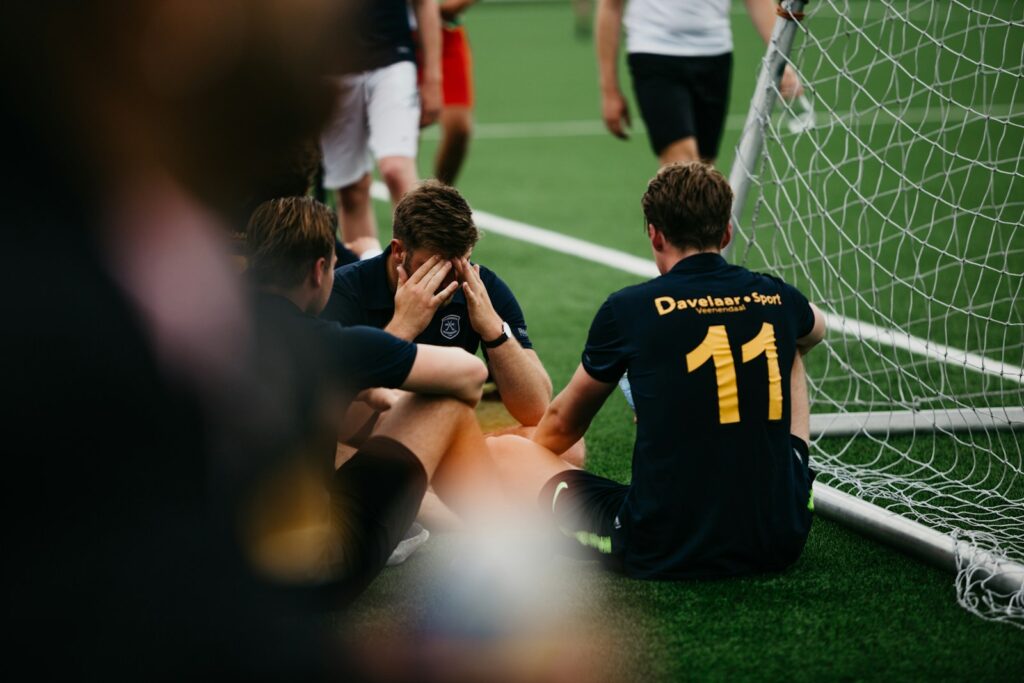
Photo by Joppe Spaa
The Dark Side of Sport: Exploring Athlete’s Mental Health
Mental health is an issue that is progressively becoming a central focus in the world of sports. Historically, athletes were encouraged to “tough it out” and prioritise physical prowess and performance. However, a tragic event that underscored the importance of mental health in sports was the passing of Jeremy Wisten, a former Manchester City academy player who took his own life after being released due to a serious injury. His story, among others, has accelerated discussions around mental wellness in sports. As more athletes open up about their psychological struggles, there is a growing recognition of the need for a holistic approach to athlete care.
The Rise of Mental Health Awareness in Sports
The spotlight on athlete mental health has grown significantly in recent years. High-profile athletes such as Naomi Osaka and Simone Biles have openly discussed their mental health struggles, becoming role models not just for their sporting excellence but also for their courage in addressing elite performance pressures.
Football is no exception. While mental health is now more recognised in the sport, many players and organisations still struggle to establish comprehensive support systems.
Voices from the Field: Athletes and Coaches on Mental Health
Robbie Ure: The Striker’s Perspective
One athlete who has been vocal about mental health awareness is Robbie Ure, a promising 21-year-old striker for Anderlecht’s B team. Having come through the Rangers academy, Ure understands the immense pressures that accompany professional football.
“There was a lot of pressure for sure. It’s not just about being good enough to play; it’s about managing expectations from coaches, friends, and family, as well as the expectations you put on yourself,” Ure explains. “When I was younger, it wasn’t something I would talk about. It definitely affected my game, my mood, and even my sleep at times. But now, times are different—there is a lot of support at the club.”
“I have mates at other clubs who say the same—there are definitely people in place to speak to if you’re feeling down or going through issues. As a striker, it’s a position where one week you feel amazing, and then if you’re not scoring for a while, it can get very low. Thankfully, I have good people around me—family, friends, and teammates—when those days come.”
Conor McCarthy: A Manager’s Commitment to Mental Well-being
As the manager of Kerry FC in the League of Ireland, Conor McCarthy sees firsthand the mental struggles athletes endure. His club, despite not having a huge budget, prioritises player well-being.
“Footballers in the League of Ireland, like those in any league, are under pressure to perform. There’s training, match days, and the off-field aspects—living up to expectations, managing relationships with fans and the media, and dealing with the pressure of trying to move to bigger clubs.”
McCarthy has integrated mental health awareness into his coaching philosophy. By fostering an environment where players feel comfortable discussing their struggles, he has helped normalise conversations about mental well-being in football.
“When a player is confident and feeling good within themselves, it can massively impact performance,” he adds.
Sean Coughlan: The Psychology Expert Helping Athletes
Sean Coughlan, founder of Serenity of Mind Sport, is an expert in sports psychology with a focus on positive psychology and coaching psychology. With a master’s degree in the field and over 4,000 Instagram followers, Coughlan has worked with both academy and first-team footballers in the League of Ireland to help them navigate the psychological challenges of elite sport.
“I work with athletes from various sports, and the common thread is always the same: the mental pressure they face is immense. It’s not just about big games or media attention; it’s the constant demand for excellence, the fear of failure, and sometimes the loneliness of it all.”
Coughlan advocates for a proactive rather than reactive approach to mental health, employing positive psychology techniques to build resilience and a growth mindset. His work includes one-on-one sessions, group workshops, and strategies such as visualisation, mindfulness, and emotional regulation exercises.
“Positive psychology isn’t just about being happy; it’s about building emotional resilience, cultivating hope, and learning how to respond to setbacks. A lot of athletes struggle with perfectionism—it’s important for them to realise that failure is part of the journey, and how they respond to it matters most.”
Breaking the Stigma: The Next Steps for Mental Health in Sport
Ure, McCarthy, and Coughlan all agree that the next step in sports is to create an open culture where mental health is treated with the same importance as physical health. This means integrating mental health professionals within sports organisations and equipping coaches and staff with training programs to help identify mental health concerns early.
“One of the biggest challenges is the stigma,” Coughlan points out.
As awareness grows and more athletes speak out, clubs are beginning to invest in mental wellness resources, ensuring that mental health is no longer an afterthought but a central part of an athlete’s overall well-being.
“But things are changing. More athletes are speaking out, and clubs are starting to invest in mental wellness resources. I think we’re going to see this become the standard in the years to come.”
Related Links:
- Mind Charity: Mental Health in Sport
- BBC Sport: Mental Health in Football
- Serenity of Mind Sport
- The Players’ Tribune: Athletes on Mental Health
By continuing the conversation and improving support systems, the sports world is taking important strides toward ensuring athletes’ mental health is prioritised just as much as their physical performance. I think we’re going to see this become the standard in the years to come.
Twenty Twenty-Five

Photo by Siviwe Kapteyn