An unusual crisis faces local opposition.
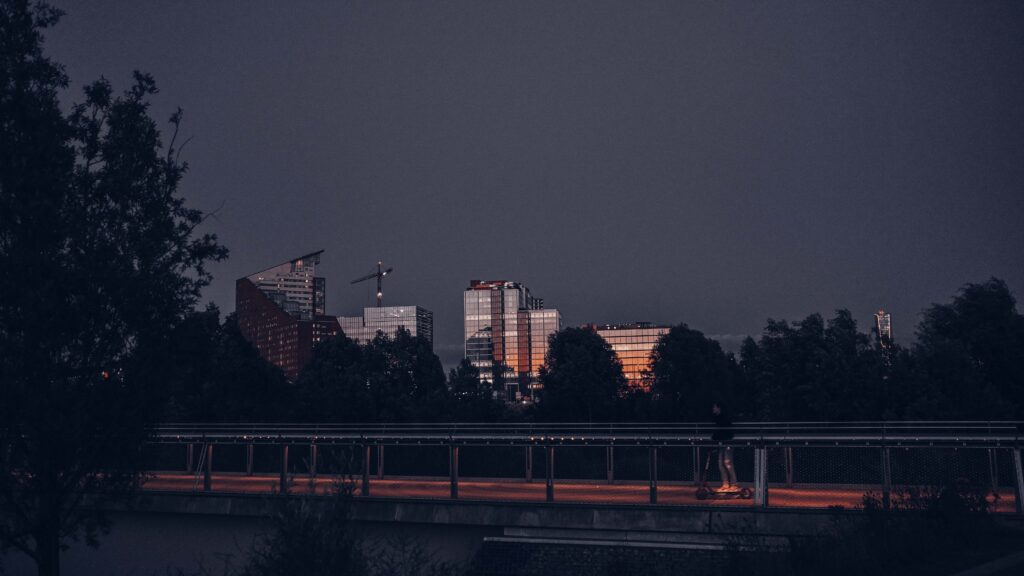
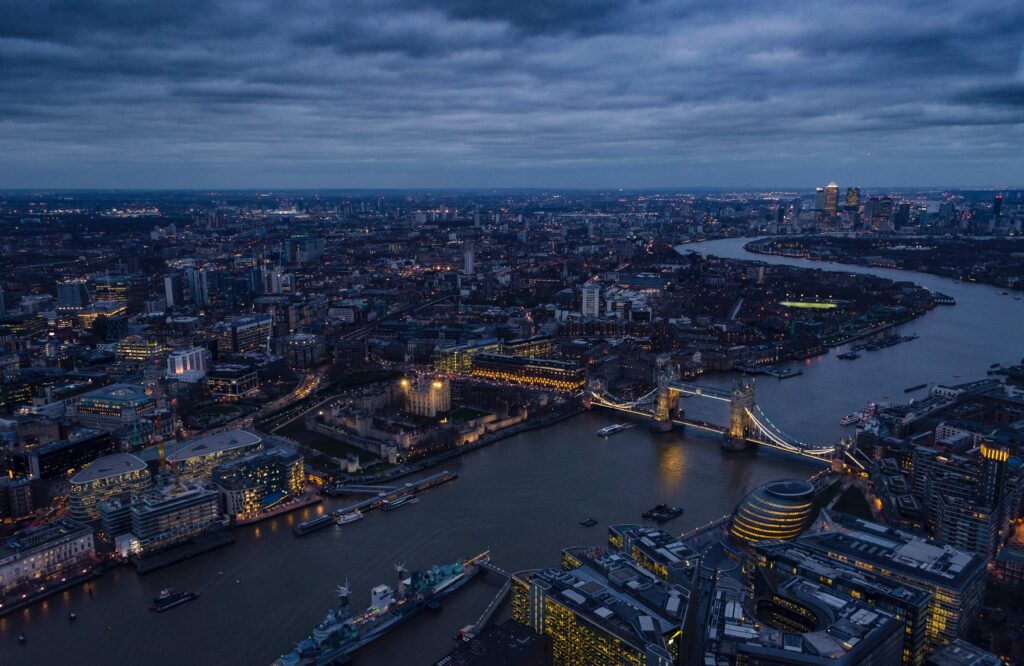
Up in North London skyscrapers dotted around the city lightly illuminate the night sky, while an image of the London sky that has become normalised, light pollution still threatens its consequence. Residents of Stratford, Newham and the multiple surrounding areas are facing a new crisis that comes in the form of what at first appears as if the sun has crashed into the earth itself.

Instead, the reality is the proposed development of the Madison Square Garden Sphere London, planned to be located between Westfield Stratford and the Queen Elizabeth Olympic Park. The development has reportedly been in the works since 2019 and has an estimated completion date of 2023, but residents and local politicians are doing everything in their power to prevent this from happening.
With all the factors and possible impacts assessed there was strong opposition from many locals and some quickly assembled protest groups such as the “Against the MSG Sphere London” Facebook group. Common complaints include increased light pollution, the possibility of overcrowding, gentrification, increase in rental prices, traffic and increased noise pollution.
One commenter in the Facebook group went on to say that “This ghastly monstrosity would not only disturb the sleep and the concentration of all who live and work in the area. It would cause immense suffering to animals and birds who regulate their movements and behaviour by the light. It would sell the air around it to the highest bidder, the soul of London to advertising, the sky of the South-East of England to those who care nothing for Orion and the Milky Way.”
Professionals seem to agree, with light pollution activists Dark Sky London stating that “The MSG Sphere and similar developments feature external advertising that by definition causes excess light pollution. Allowing something like the MSG Sphere to go ahead would not only cause great harm to Londoners who live in its vicinity, but its light would also spill up into the sky, causing detriment to all nocturnal ecology, including birds and nighttime pollinators, which have serious effects on our food chain.”
AEG, the owners of the O2 arena, have also released a statement against the development, implying that it will be detrimental to the locals and stating that “We believe the LLDC has made the wrong decision to resolve to grant approval for the MSG Sphere planning application in the face of strong objections from local residents, local community groups, ourselves and the local council, Newham, in which the venue will sit”.
The group have made their efforts clear by arranging petitions, group emails and attending relevant meetings possible to make their thoughts heard. Other attempts range in attitude, with some group members of higher influence such as local councillor Nate Higgins who wrote letters to government officials such as local MP Rokhsana Fiaz, Mayor of London Sadiq Khan and Secretary of State Michael Gove addressing how the development could impact the health and wellbeing of residents long-term, additionally stating in an excerpt that “it is not reasonable to expect residents to use blackout blinds to compensate for the light pollution caused by the Sphere.”
Others in the Facebook group instead took an alternative approach by making a mockery of the proposal on social media, comparing it to cult science-fiction horror films such as The Blob.
MSG London argues on their website that instead the sphere would not only revolutionise the entertainment industry in London, but additionally transform an undeveloped site to boost the local economy and benefit the resident community. They have also promised to assist with infrastructure, linking east and west Stratford by providing road and highway improvements. The locals, however, think this sounds aspirational at best and like empty promises at worst.
Megan Eaves, founder of Dark Sky London, an organisation dedicated to reducing light pollution in the capital city isn’t convinced, explaining how the consequences of ignoring the further worsening light pollution issue with a development like this will prove increasingly detrimental.
“Light pollution is any light that goes sideways or up into the sky” explains Megan. “We can consider this light waste, which is carbon waste. Imagine instead that every bulb or light you see was spewing water into the air. You could quickly see the repercussions in terms of ecological damage as well as waste of a precious resource. Reducing light pollution is one of the simplest and easiest ways to tackle climate change and protect both biodiversity and the health of Londoners. Light pollution can cause suppression of melatonin, the hormone responsible for balancing our circadian rhythm. It has been linked with a number of serious health conditions, like sleep disorders, depression, heart disease, some cancers and risk of autism in children. We also know that billions of birds are killed every year due to light pollution from big cities and skyscrapers. Light pollution disorients birds’ internal navigation systems, which rely on natural night and the stars to find their way.”
Lastly Megan went on to state that “at a time when humanity seems to be losing the fight against climate change, this is an easy and quick win. We are urging the Mayor of London and the UK Parliament to consider an umbrella policy on light pollution that will reduce or remove our serious light waste problem across every council – an easy win for the Net Zero 2050 strategy as well as the health of all British people and wildlife.”
Thank you to Megan and Dark Sky London for their input.
Let us know your thoughts on the MSG sphere development and join our campaign to Damn the Light over at @nox.magazine