
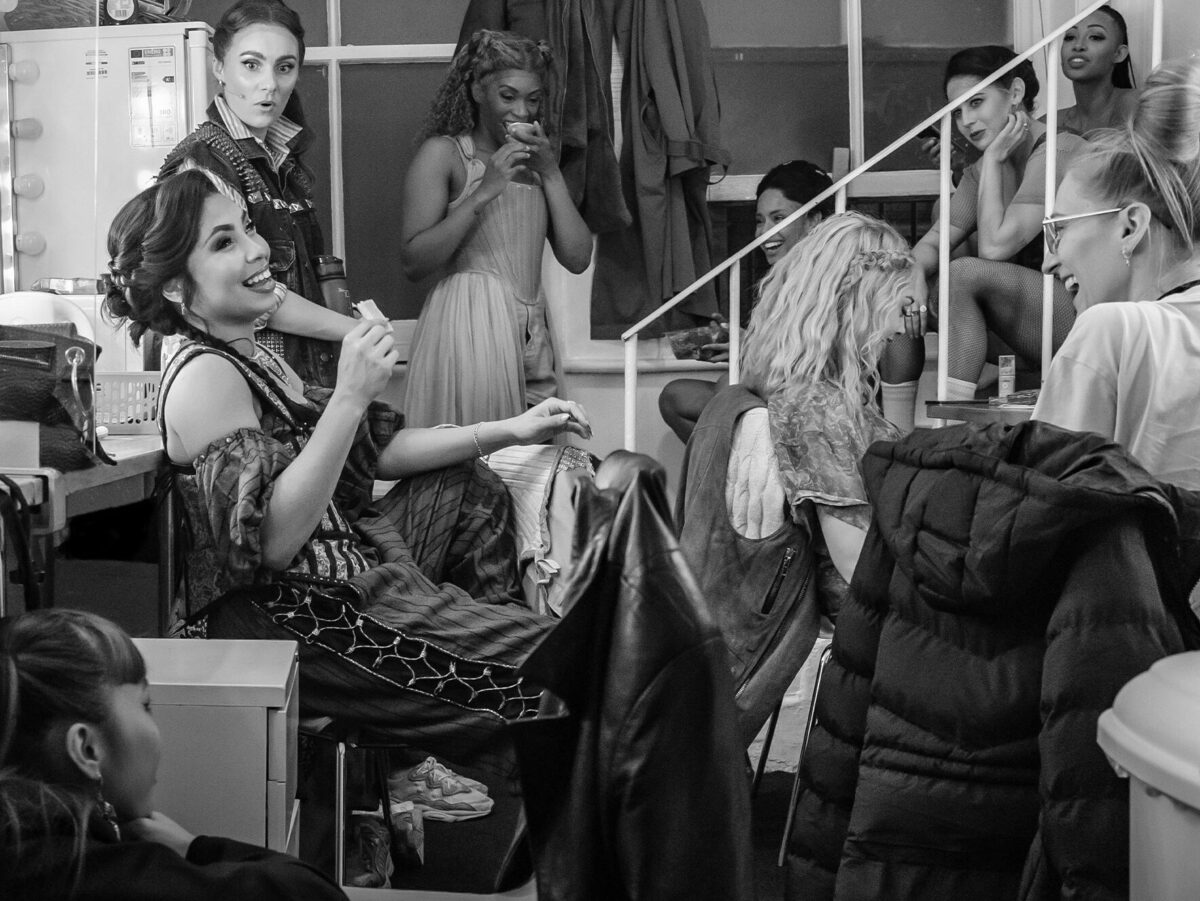
Jaye Elster was just sitting in the dressing room relaxing whilst a performance of Ghost the Musical went on below her. Sweatpants were on and makeup was off when suddenly a voice came over the speaker urging her to the stage wings. There she was greeted by the costume department and without a word she stepped into a skirt, shirt, wig and sunglasses and was thrust onstage to perform the role of the actress who just started projectile vomiting in the wings. This experience is common for performers like Jaye, who has literally written the book on swing acting in musical theatre, coming out this summer.
Swing performers understudy multiple roles (or, as Jaye calls them, tracks) for a single musical theatre production. They can cover anywhere from six to eight tracks at once, meaning they must be ready to perform the choreography, musical arrangements and lines of those roles at any time. They take the stage when performers have an emergency, are late – or in some cases, throwing up mid-show. “The shows wouldn’t go on without us!” says Jaye.
As daunting as it may seem, Jaye wouldn’t have it any other way. Saying it is this spontaneity that makes the job special: “One of the best things about being a swing is that it is rare for two shows to be the same,” she says. “So, most performances feel like your debut and have a natural electricity.”
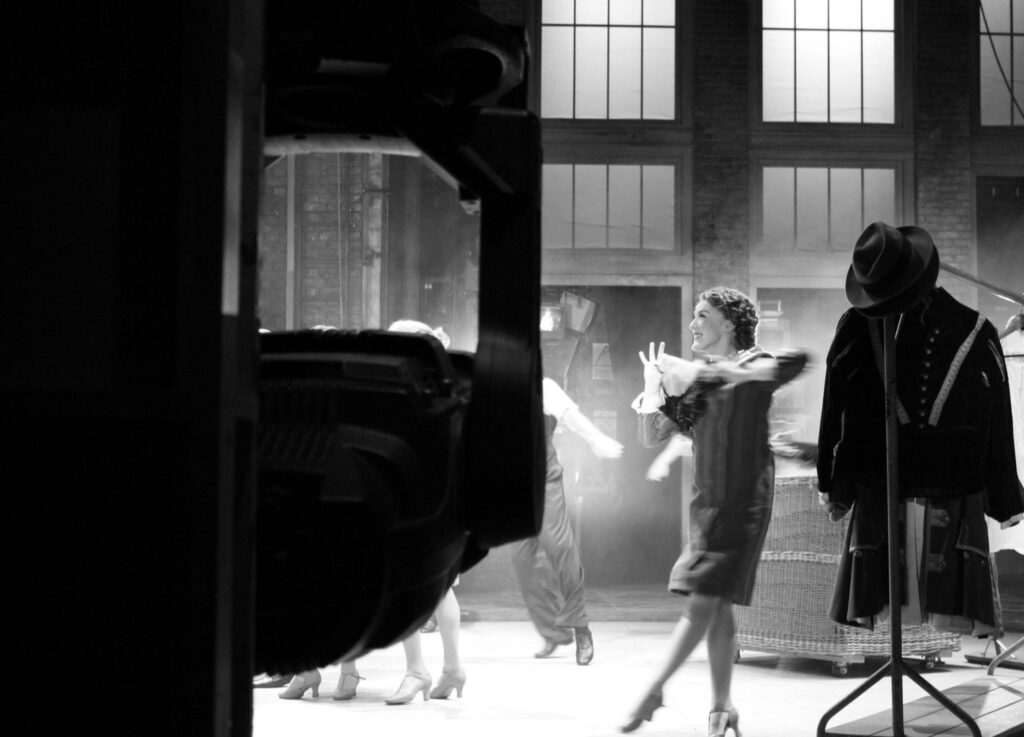
Swing performers occupy a unique position in the world of theatre, simultaneously respected and patronised. The main issue Jaye felt over her career was other people’s attitudes towards swings. People would often tell her: “I could never do what you do” or go on about how undervalued the work was. Despite these often being attempts at compliments, Jaye felt they were backhanded ones at best: “You’re somehow putting me on a pedestal but pitying me at the same time.”
Jaye first encountered swing acting whilst at dance college, but only through embarrassing stories of when it all goes wrong or in intimidating job descriptions of how much work and memorisation it requires. However, with a new level of confidence and understanding of the live theatre process, she signed her first swing contract – for Shoes – shortly after graduating. In her ten years as a swing performer, she has performed in major west end musicals such as Oliver!, Matilda and Singin’ in the Rain.
Jaye insists it really isn’t as scary or impossible as it may sound. “I want to establish the skill of swinging as being a skill, and manageable to the point where it is a job and not a magic trick,” says Jaye. She realised the articles she had read before were just “fear mongering”, and there was no such thing as a “natural swing brain”. There is adventure and humour in the job: “You can literally go from the school bully one day to the headmistress the next, it’s thrilling.”
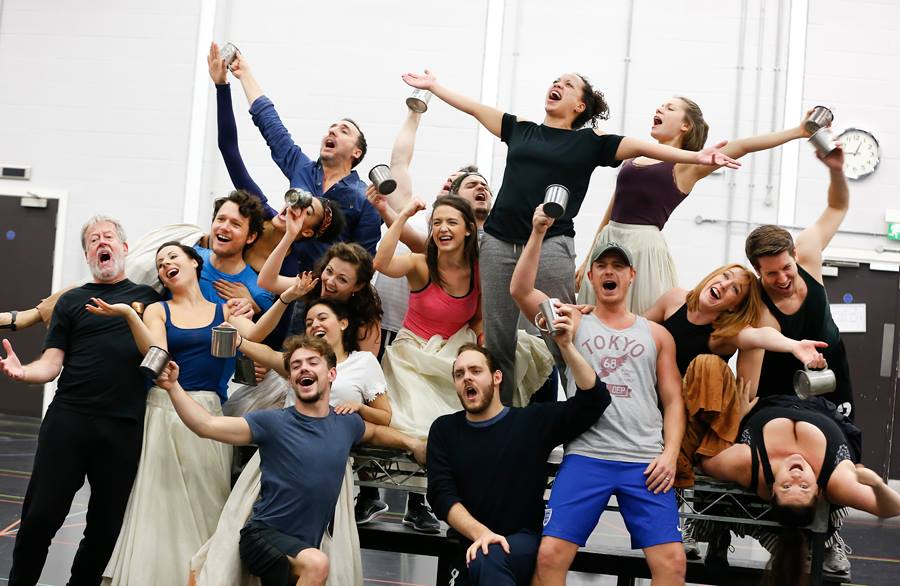
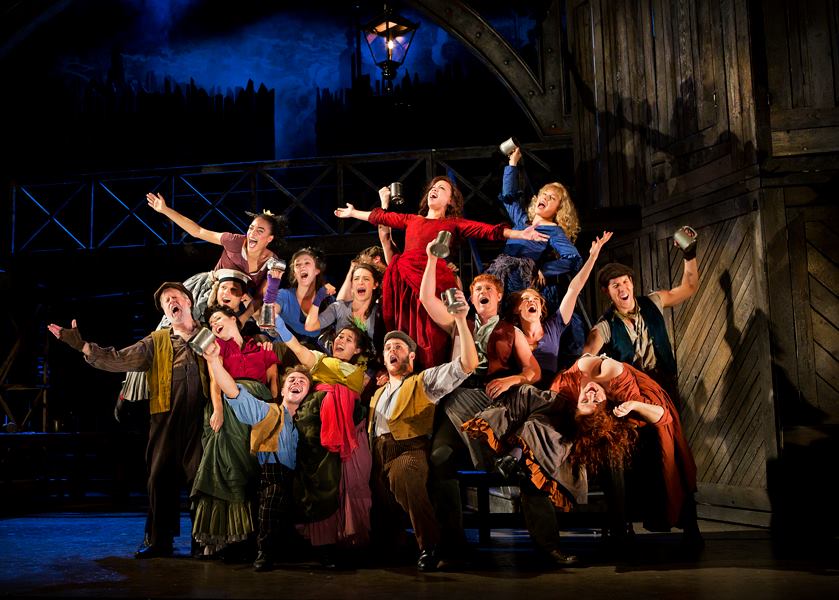
In 2019, Jaye hung up her swing boots to focus on her choreography career and teaching. But these misconceptions about musical theatre swing still bothered her. She had the idea to write a book since 2013, so when the pandemic hit she finally decided to do it.
And so the book How to Swing in Musical Theatre: A Guide to Covering the Ensemble was born. The book will be released in the late summer of 2023. The book is a structured guide on swinging in musical theatre, aiming to reach those studying the industry as well as already in it. Jaye says the aim of the book is to “spread a wider understanding of swings and the full scope of their work. I am hopeful that swings will be seen in a new, universally respected light.”
Jaye’s biggest lesson she learnt, and wishes for others to learn about musical theatre swinging, is to let go of perfectionism. As a self-proclaimed perfectionist, she says: “As a swing, you’re forced to rewire that want for perfection, as it’s very unlikely you’re ever going to give a pristine performance.” This sentiment makes the job for people like Jaye the best there is. It leaves room for excitement, adrenaline and for anything to happen.