The idea in the latest Spider-Man: Across the Spider-Verse is that a hero can come from anywhere. While some scenes use classic Lego landscapes, others transport us to Mumbattan (a cross between Mumbai and Manhattan), portraying an Indian Spider-Man universe. The film seamlessly combines different art styles, from Spider-Gwen’s universe adapting its colours to reflect her emotions, to The Spot’s unique animation style, characterized by his body covered in micro-portals. This is how the film pushes the boundaries of animation beyond its prequel, the Oscar-winning 2018 animated film, Spider-Man: Into the Spider-Verse. The production involved thousands of artists, and if it were not for the efforts of software engineers like Maria Panneer Rajan, it would be impossible for this web of disparate styles to come together.
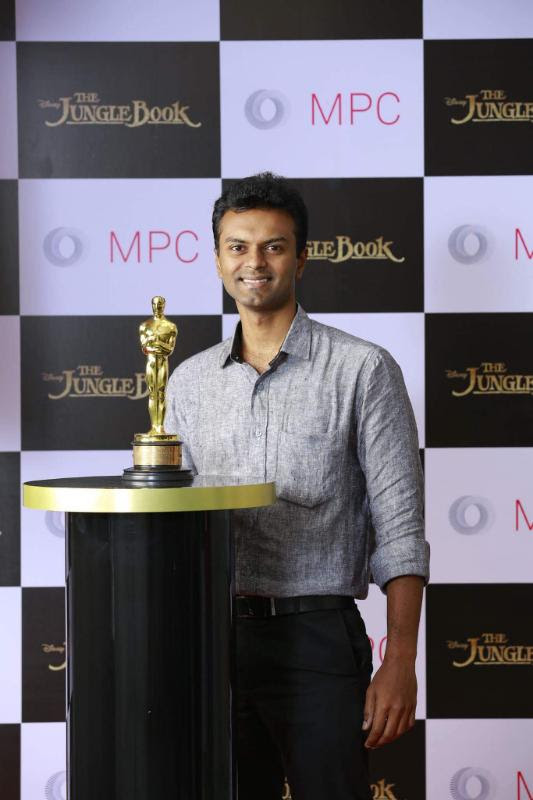
“The film transcends cultural barriers, not only within the movie but also for the people involved in the project,” says Maria, a Vancouver resident of Indian origin and a software engineer at Sony Pictures Imageworks. There are several off-the-shelf consumer technologies that artists use, like Maya or Photoshop, however, for a highly stylised movie like Spider-Man: Across the Spider-Verse, this technology needs to be based on the unique requirements and challenges that the film demands. Maria worked on the award-winning technology Itview, a review technology that assists artists in reviewing their work and helps directors to ensure continuity among the work done by the numerous animators involved.
Among the thousands of artists are the 2D artists who create concept art and storyboards. 3D modellers bring these 2D sketches to life by transforming them into 3D models. Once the models are ready, rigging artists set up the movement controls for these 3D characters, and texturing artists add intricate details to the final models. As the scene takes shape, lighting artists set the cinematic mood of each shot, and FX artists create simulated effects like explosions. After that stage, compositors seamlessly blend all the images to compose the final look of each shot in the movie. Then comes the work of the Software Engineers who create the technology needed by all these artists to make them seamlessly flow from one discipline to another until the entire movie is realised.
That’s where Maria worked on Itview technology: “Let’s consider a scenario where Spider-Man is fighting the movie villain in one sequence, and in the next sequence, he is swinging around the city,” says Maria. All these sequences might be handled by different groups of animators. If feedback is provided to change the colour, background, or texture in one of these scenes, there needs to be a mechanism to communicate these changes to all the animators. “Let’s say the VFX supervisor, after reviewing the shot, suggests reducing the intensity of the orange light and increasing the intensity of the background,” he says. “That’s the feedback given, and now it goes to the artists through the platform.”
Maria has been fascinated with animation and came across the software Flash when he was 10. “My cousin drew a butterfly using the software and set a few keyframes, and suddenly, that butterfly came to life, flapping its wings and flying. That moment opened up a whole new world for me,” Maria says. Since then, Maria has been captivated by computer graphics and animation, spending hours watching Cartoon Network and becoming fascinated by the ability to create cartoons. “I started playing with the software and was animating small things and using it as a glorified PowerPoint.”
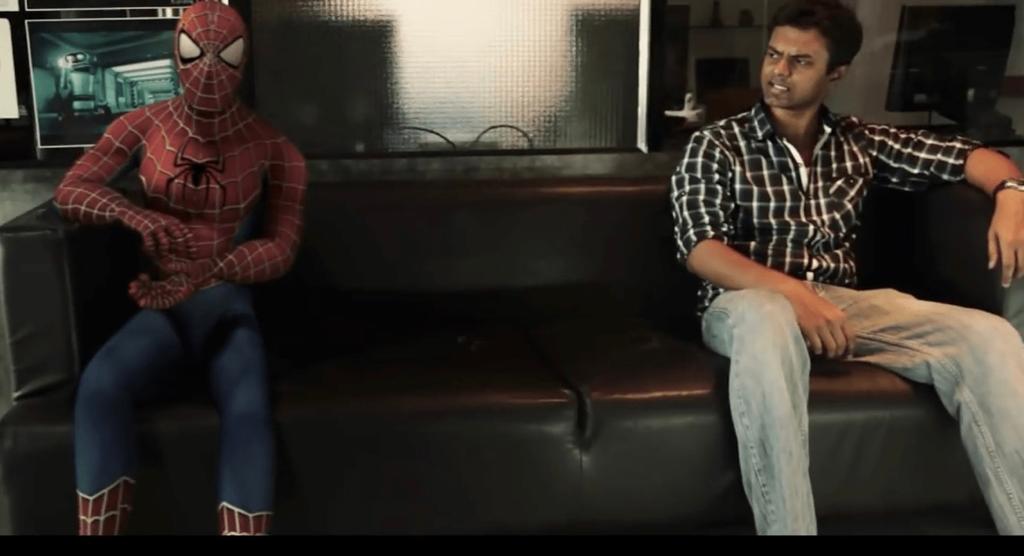
In 2013, Maria created a video using a stock model of Spider-Man to encourage himself that one day, he would work on a real Spider-Man movie. “I downloaded a free 3D model of Spider-Man online, which was already rigged. I animated and composited it into a shot where I was sitting on a couch,” he says. 10 years later, he’s credited as one of the software engineers for the film and he introduces himself as “your friendly software engineer” – a spin on Spider-Man’s own catchphrase. “Last week, I watched the film with my six-year-old son; it was overwhelming,” he says. “If you’re passionate about something, you don’t need any qualifications; your passion is enough to drive you.”