
From designing celestial cities bathed in iridescent hues to building indoor sets with limited space for the action-packed climax, Amrita Mahal Nakai had to move beyond her grounded and practical approach to design the sets of the £40million budget film, Brahmastra Part One: Shiva. A marvel-styled superhero action movie with a Hindu mythological bent, Brahmastra is a visual feast with 4500 VFX shots, the most of any international movie ever. This larger-than-life film involved an army of people on the technical and digital side of things and the creativity of the award-winning production designer Amrita.
As a production designer, Amrita’s role involved more than designing the style of sets and motifs; for the VFX-intensive film, she spent two years researching and learning about visual effects to collaborate with experts from around the world. “It was a learning experience for me as I spent a lot of time studying VFX because it’s fairly in its nascent stages in India,” says Amrita.
Amrita is behind the visual direction for some of Bollywood’s biggest films, from the realistic backdrop of Mumbai in Wake Up Sid to the grandeur of films like Kalank. However, Amrita started as an outsider with a serendipitous entry into the industry. Amrita moved to Mumbai after graduation in Fine Arts to be near her sister, who was producing a music video. One of the days, she was assisting her sister at the Yash Raj production office when she ran into Sharmishta Roy, a well-known production designer. At the time, Roy was looking for an assistant, and her sister suggested she join her. “I just went to work with her for a week and never left,” she says.
The director Ayan Mukherji wanted the film to be broken up into separate chapters, each with a distinct look and feel. Amrita talks about the importance of capturing the distinctive identity of each chapter. “We designed the environment first because that was part of our general preparation and then we had to take a call between actually building it as a set piece, or being able to take it into VFX,” she says.
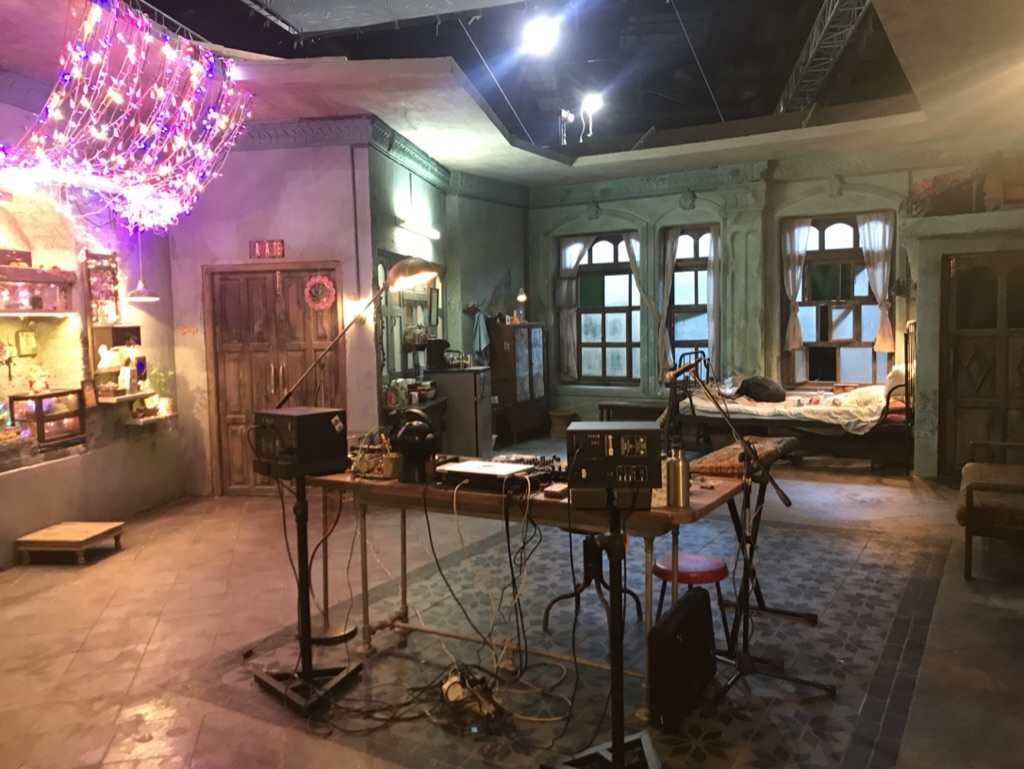
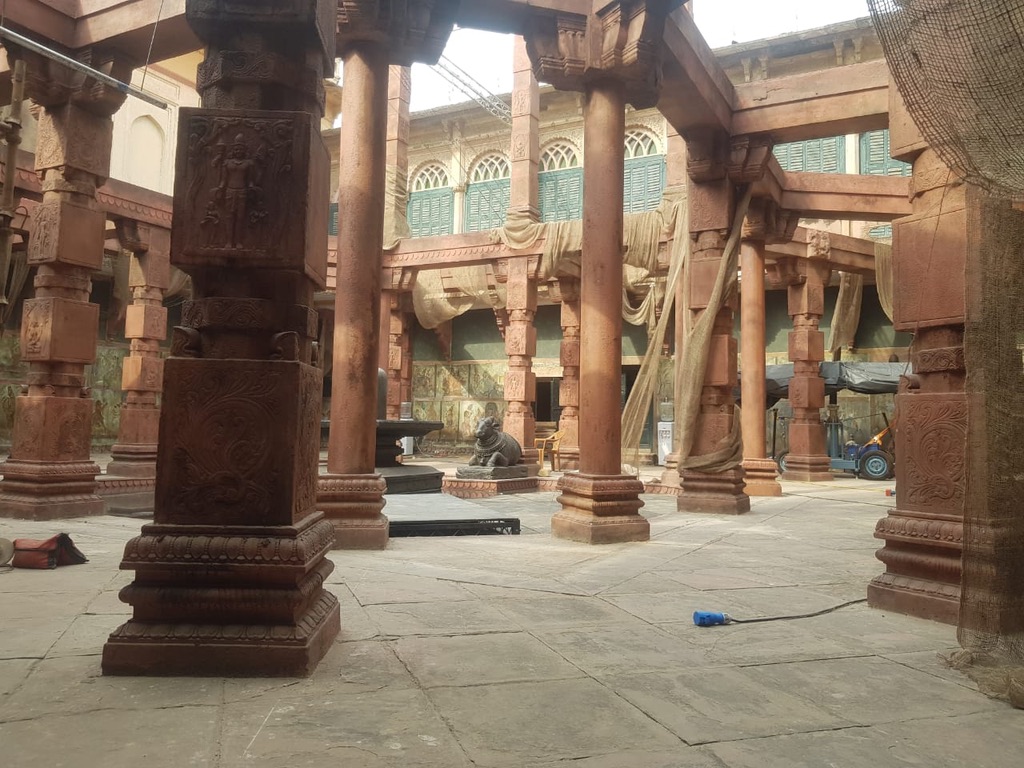
The first sequence of the film was the only bit set in modern India (Bombay), and as the story goes on, each chapter moves further away from the city and closer to nature and finally into an almost entirely CGI landscape for the climax.
Amrita speaks excitedly about the opening sequence of the film which included legendary Bollywood Actor Shahrukh Khan in his first cinematic appearance in almost five years. The sets were meticulously designed, and choreography was planned well in advance as they only had 10 days with the actor for a 15-minute sequence that was interwoven throughout the movie.
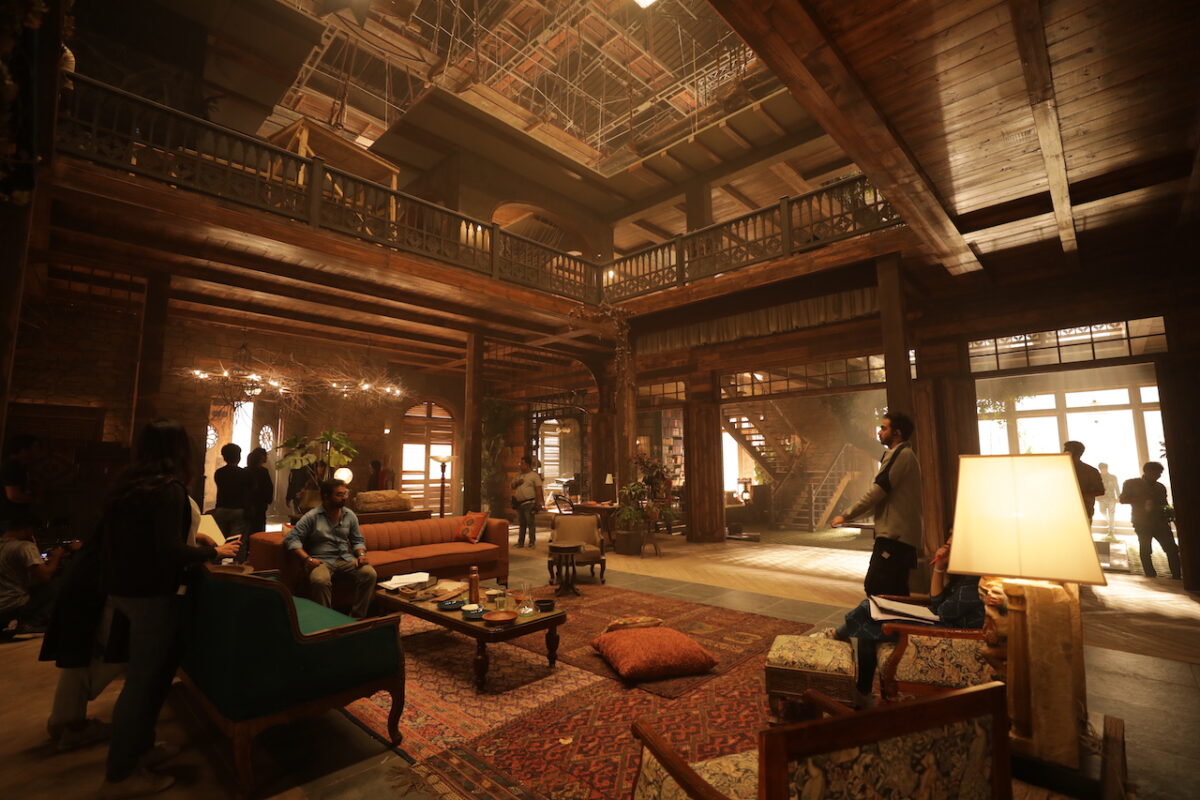
Another important motif that required a lot of back and forth was the depiction of fire in the film, which was the main character Shiva’s – played by Ranbir Kapoor – superpower. To make his power distinctive from the explosions throughout the movie, Amrita made his fire pink. This was to indicate that even though fire is destructive, it’s not to destroy but to light up. “I feel like pink just made it feel childlike and magical as opposed to being too hard or destructive, and any other colour didn’t work well with the natural colours of how the fire looks and feels,” says Amrita. The place where his power was used for the first time was in the Ashram (a Hindu monastery), which was the first set she designed and her favourite. “We wanted to keep the interiors of the Ashram organic and simple. I have memories and sketches of that and it had a lot of soul in it.”
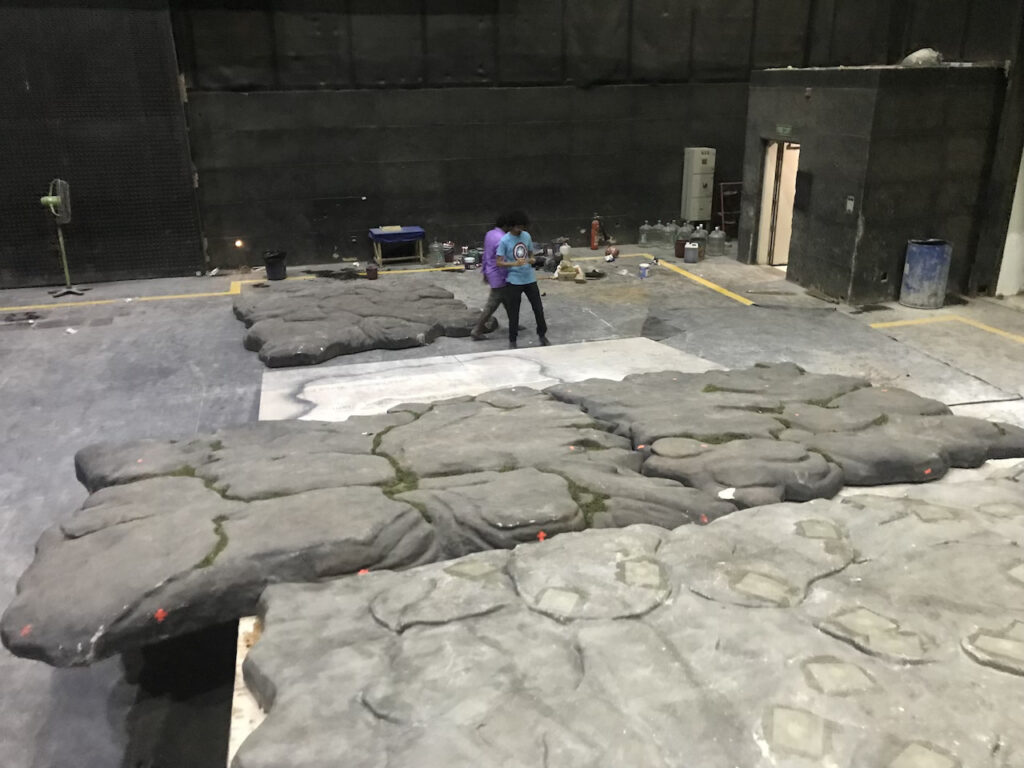
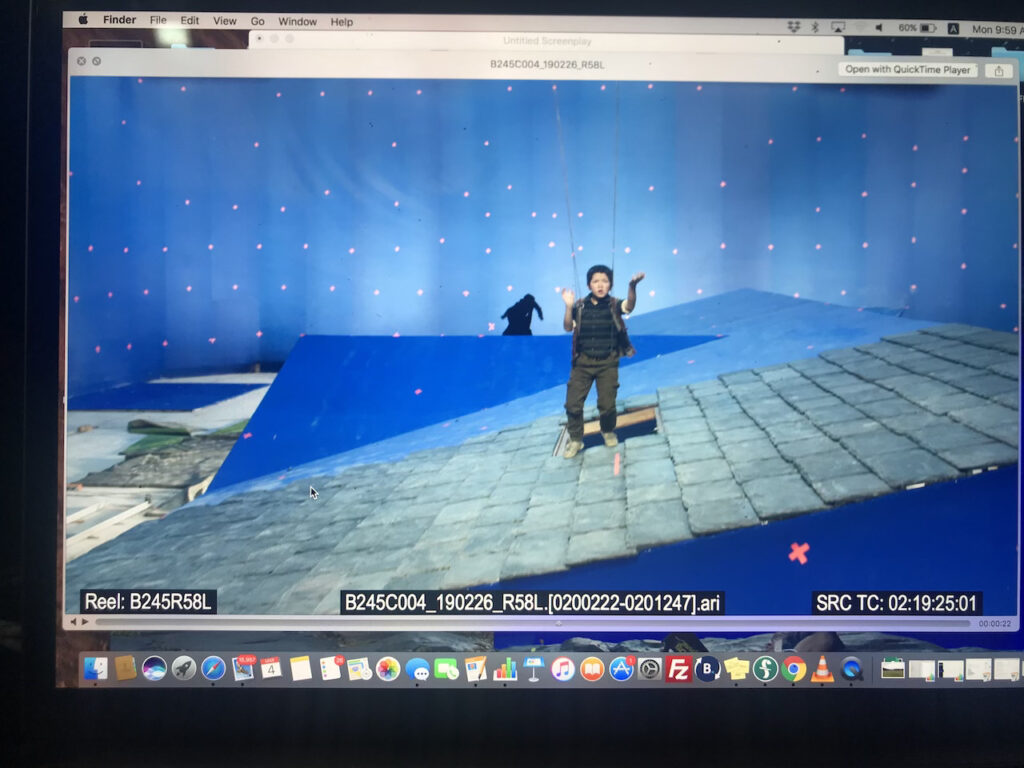
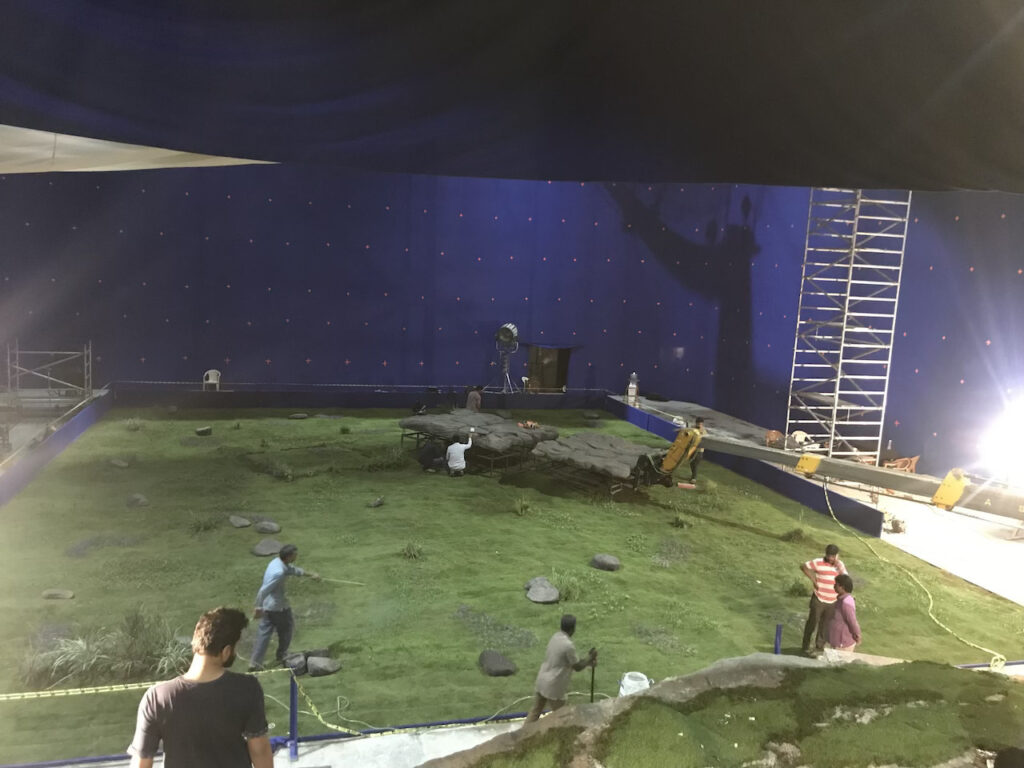
Amrita says that the most demanding and fulfilling part for her is the climax of the film, which is a 20-minute sequence and was the first scene they shot as it required the maximum amount of time, energy, funds and people. The sequence was primarily a CGI landscape, requiring a ten-day technical rehearsal and took another 20 days to shoot.
“It was very special for us to collaborate with different teams from all over the world, including an American action director and SFX teams from Germany,” says Amrita. The team settled in Bulgaria and found an indoor studio with enough space for the large action sequences.
Amrita believes that the actual set for the climax was the least complicated as it was mainly built against a blue screen: “If you look behind the scenes, you see grass cloth and a pile of logs or a bench, it was just to provide a little bit of texture,” says Amrita. These textures were what the VFX people scanned, reused and built into the 3D environment. It was a joint effort to ensure that the physical set and the digital extensions blended seamlessly.
The film ending hints towards a sequel, and while Shiva, the titular character of the film, is not expected to return, Amrita definitely is. “Now that we have successfully collaborated on this project, we’ll be better prepared for the next part.”