
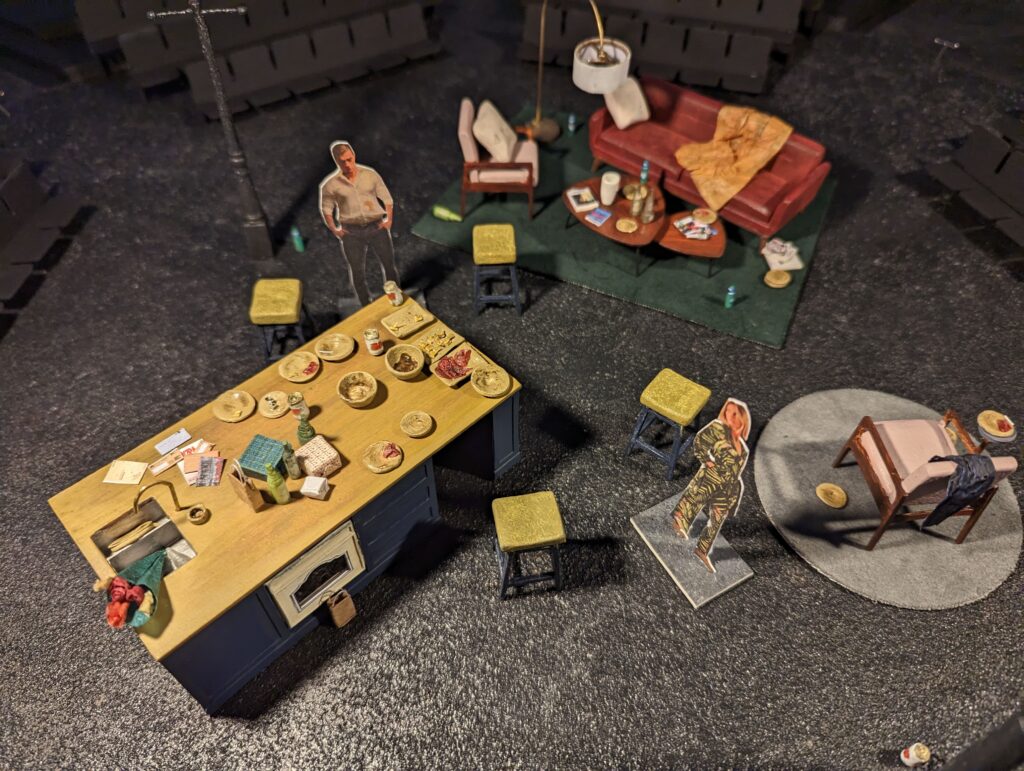
Plates and bowls are scattered across a kitchen counter, along with bottles of wine and cans of beer and neatly wrapped presents. A bouquet of flowers rests in the sink. This scene may seem innocuous if it weren’t for the fact that it was 25 times smaller than a normal kitchen, only 2.8 inches across. The plates and bowls are made from modelling putty, the bottles and cans are rolled up sellotape and the flowers delicately folded tissue. This domestic scene was made by miniature set maker Jasmine Araujo for the play Beginning by David Eldridge at the Royal Exchange Theatre. It was one of 40 such scenes she made for the play.
The practice of making precisely scaled miniatures of every set and prop for theatre is an industry standard. And despite the rise of computer renderings and 3D modelling programmes, it’s still a practice done with scalpels and tweezers, with directors expecting unparalleled attention to detail. We spoke to Jasmine about why these small worlds are so important and how she ended up making them for a living.
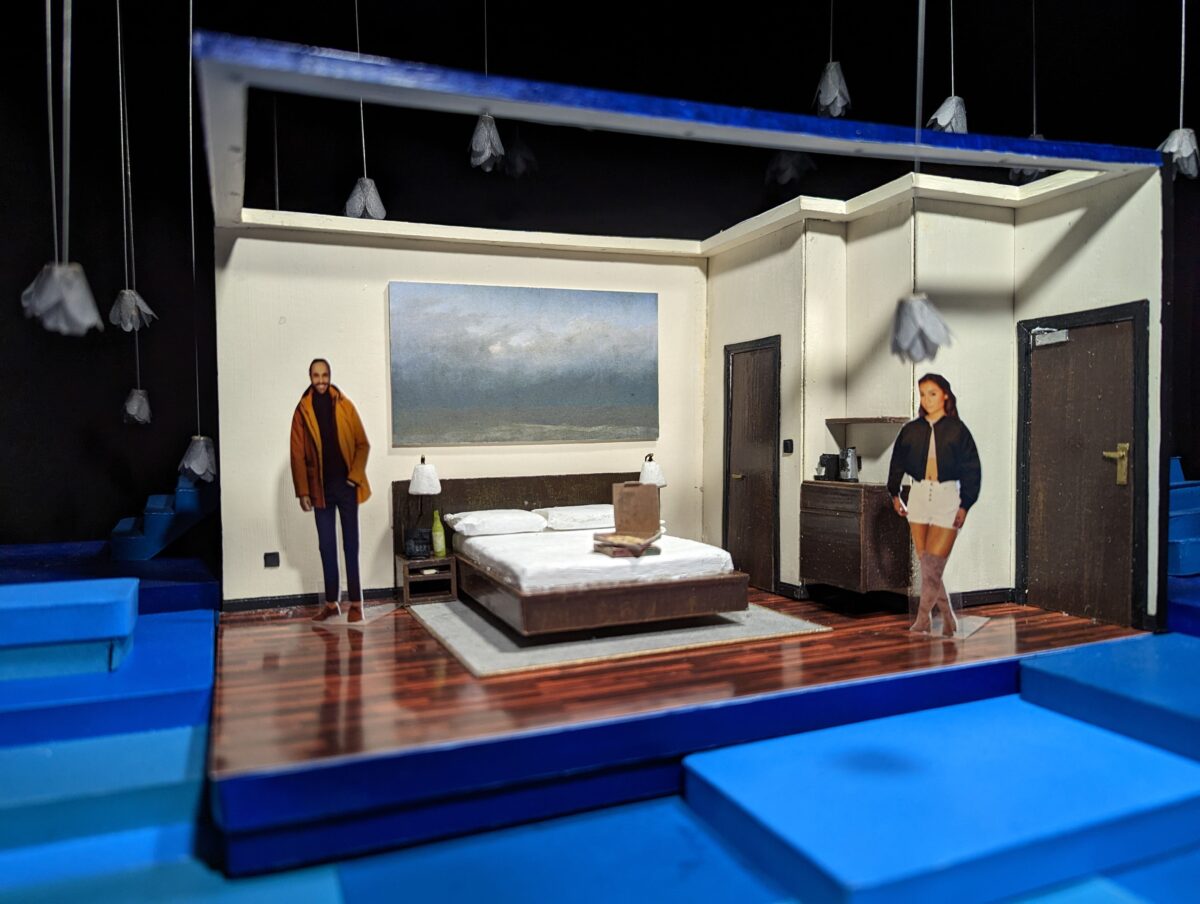
In theatre, miniature models are so important because they give an overview of the spatial dynamics of the show. Every set piece, entrance, colour is accounted for – the larger the performance gets, the greater attention to the miniature models have to be. “It’s integral for every department,” says Jasmine, “artistic directors of theatres, production heads, stage management crew, the workshop, and the backstage production are all working from your model.”
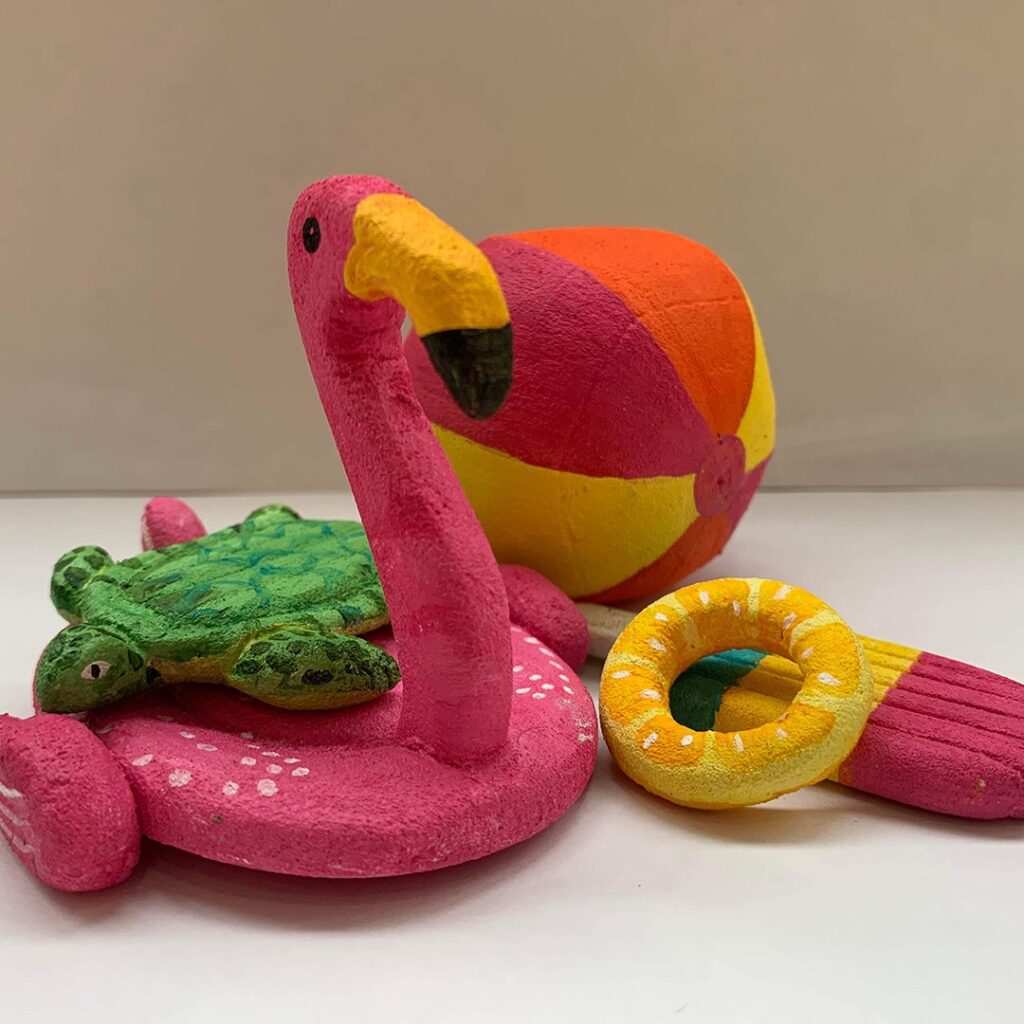
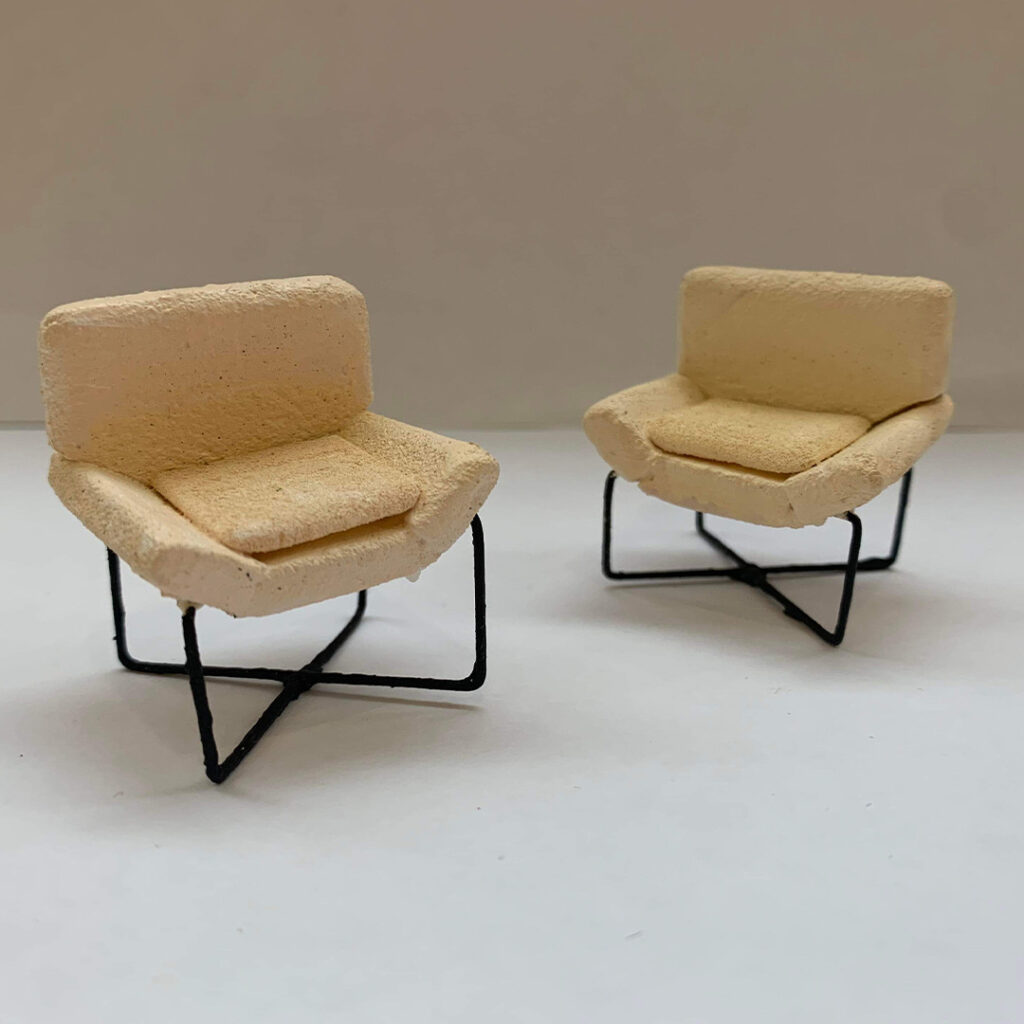
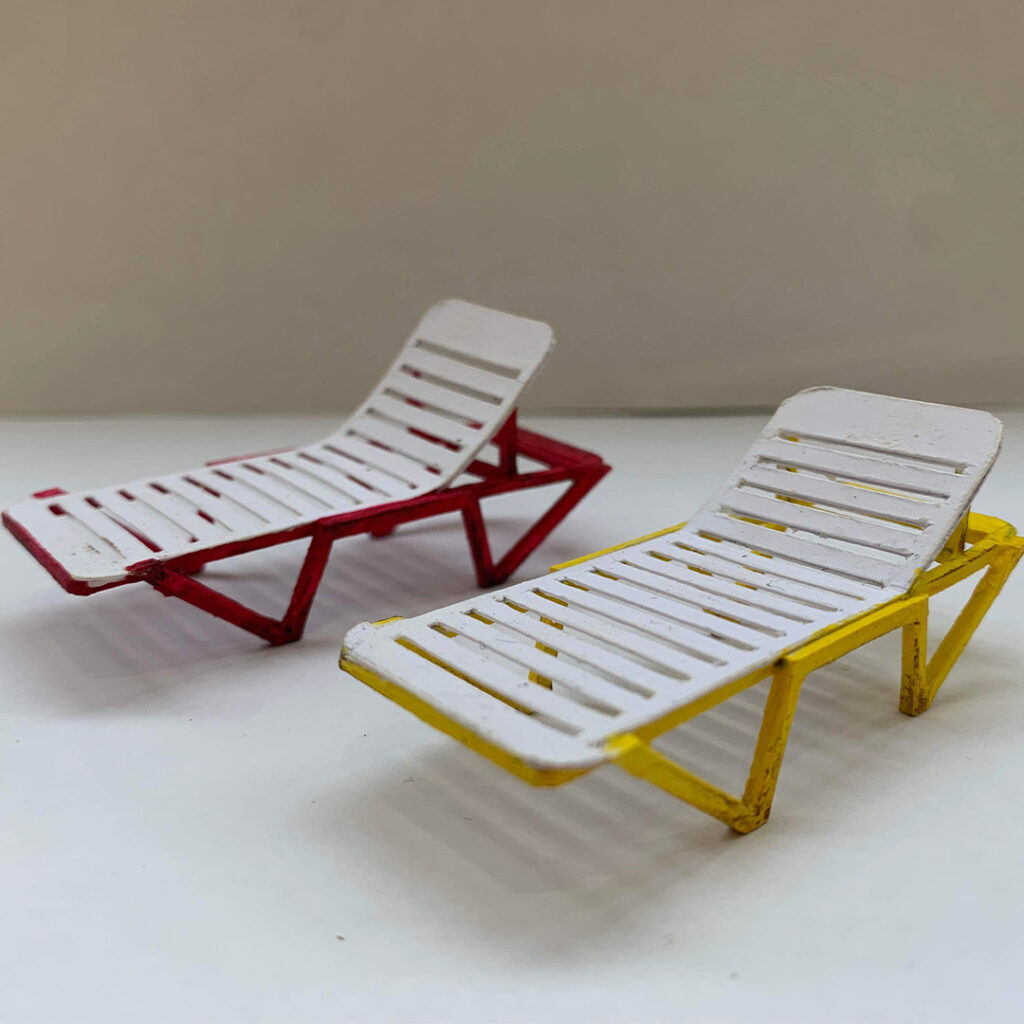
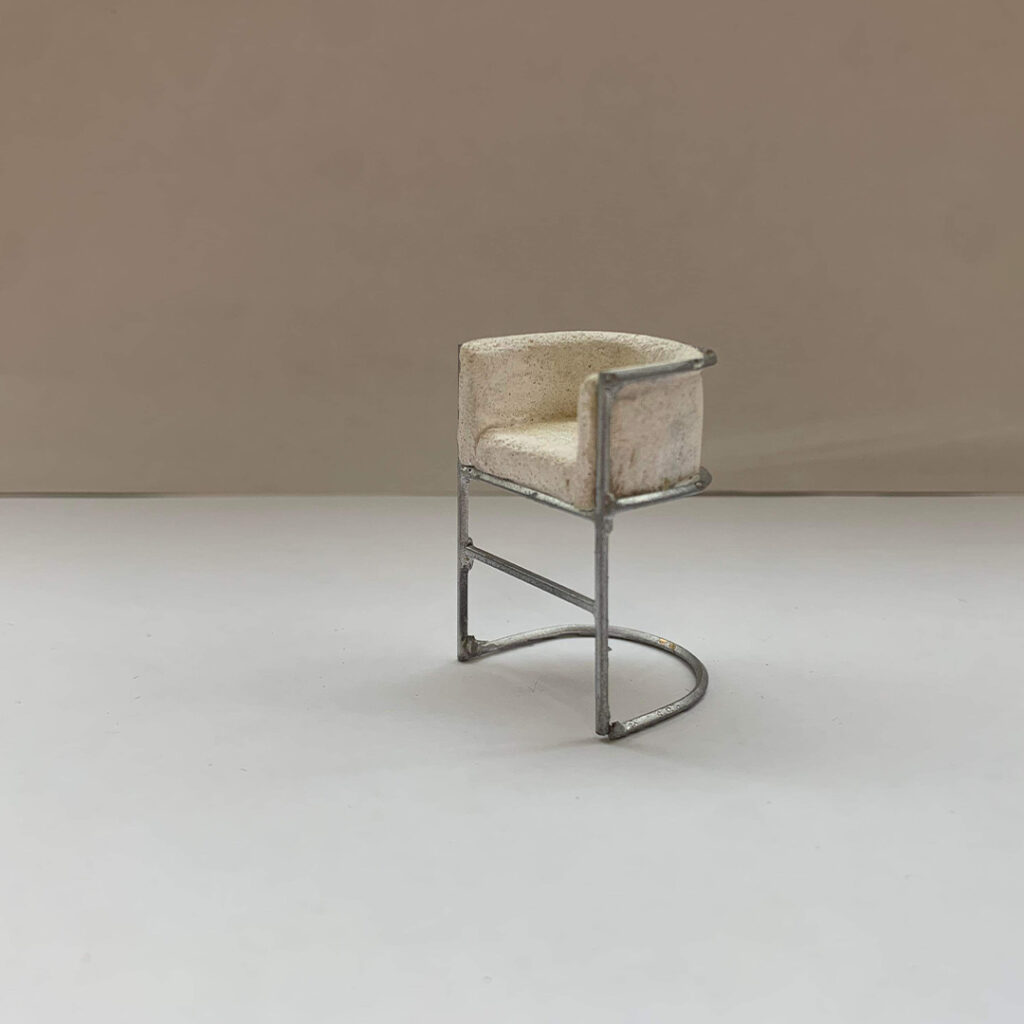
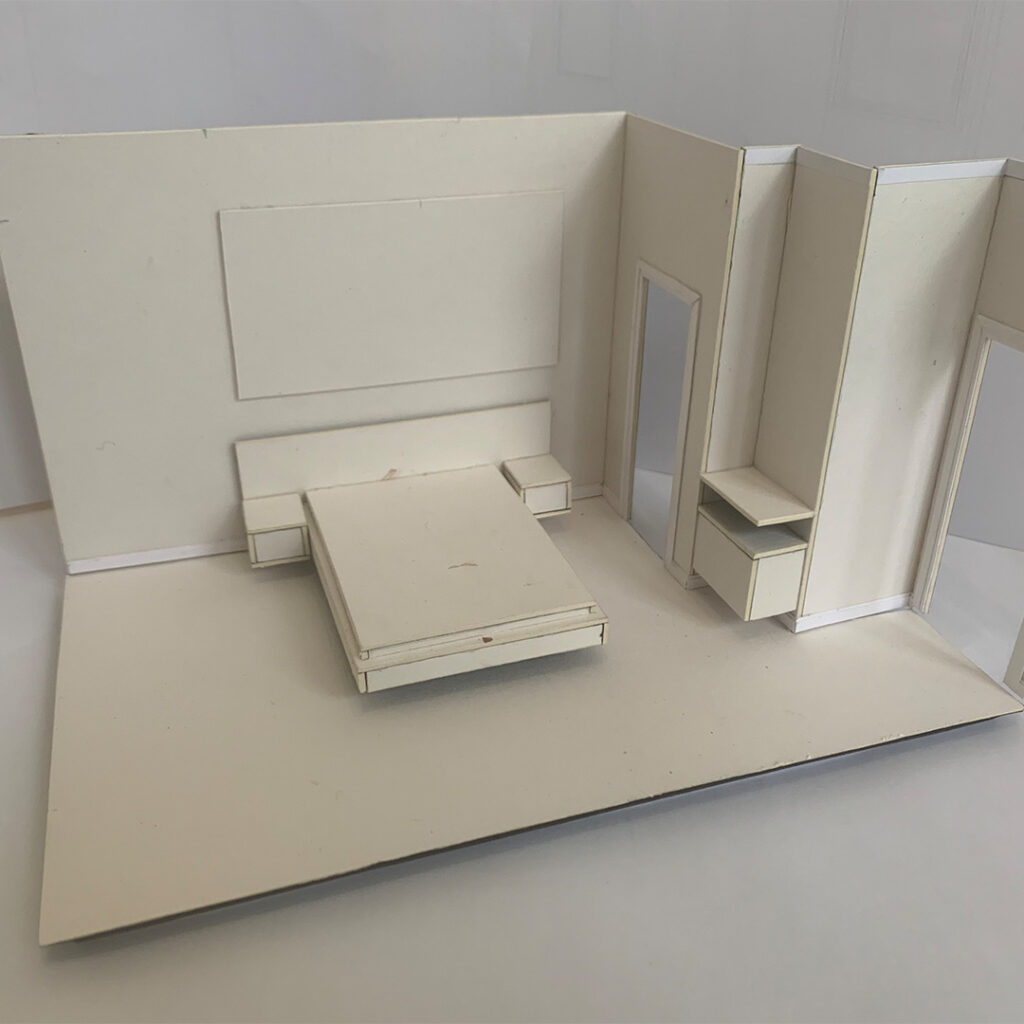
The first step of building a miniature is creating the white card, a rough model of shapes and sizes without any colour or detail. Blood-stained white cards are a common problem: “You use a scalpel – so it’s a lot of cutting fingers,” says Jasmine. Once the white card is finalised, the miniature makers make it come alive. Furniture and props are often made from materials like kappa (a lightweight board with a foamed centre), bristol board (a type of thick uncoated paper), milliput (a versatile putty) and all held together with mount spray (a glue spray) and soldering. Jasmine highlights how being a good miniature set maker is being resourceful, “you have to be a bit of a magpie. I have boxes of crap like beads, clasps, stuff that has come off clothes, weird trinkety things, for example, I always use beads for wheels, candles, lightbulbs… it becomes second nature,” says Jasmine.
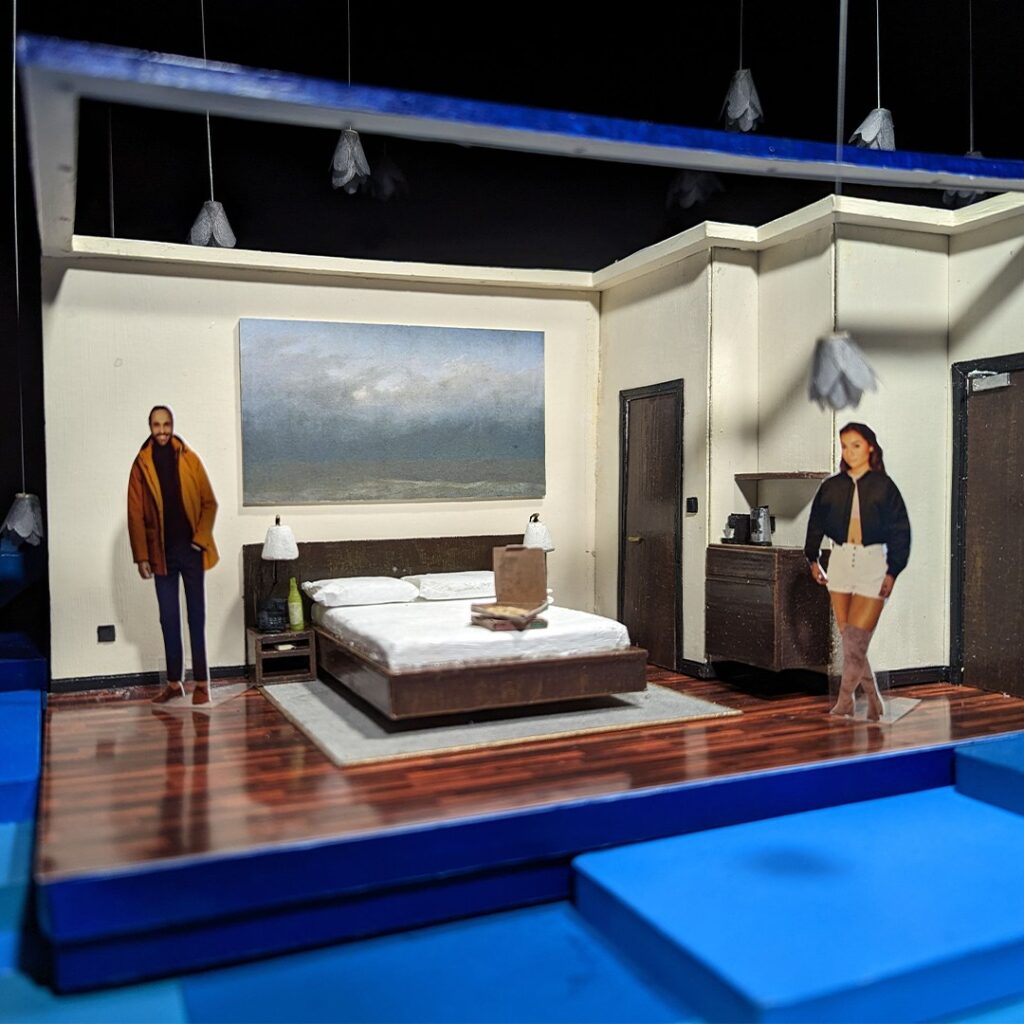
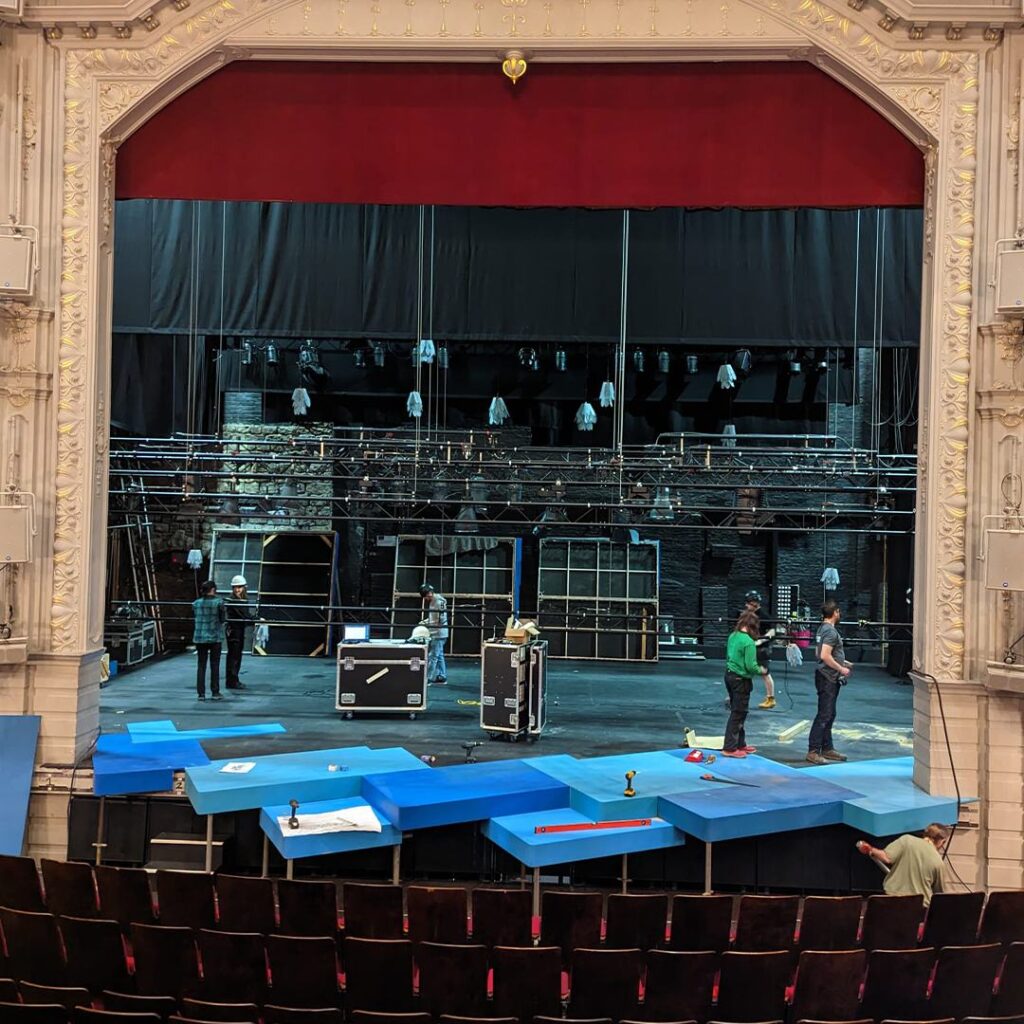
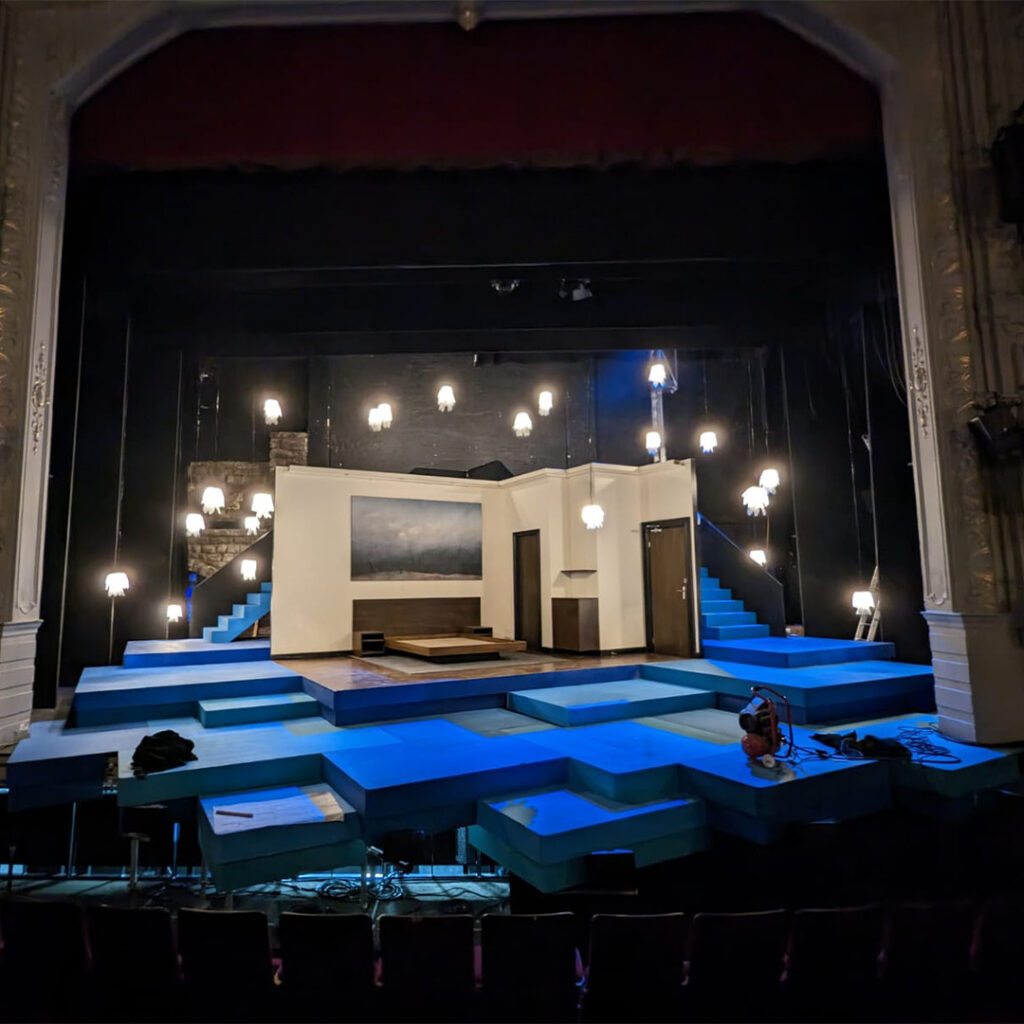
It is also in the miniature where most of the directing takes place. “A model is a massive part of a director getting the vision that they want; you’d be surprised by the amount of time a director sits in front of the miniature working things out, playing dolls house.” Every whim of the director needs to be met, which can result in complicated demands, among inflatable pool toys, parasols, railings, podiums, duvets and “every type of chair imaginable”. But the most complicated? “It took me a day and a half to make a wheelchair,” says Jasmine.
Jasmine has always been crafty. “When I was young, I used to make little props for my toys,” she says, “then I would just make mini fruits which became a hobby – the mini fruit thing is a whole niche on the internet, a real rabbit hole.” Jasmine mentions the Russian miniature influencer @manufruktura and a handful of Japanese accounts that she used to obsess over. “Yes, I was an only child,” adds Jasmine.
A visit to the set of Harry Potter and the Half -Blood Prince opened her eyes to the possibilities of her craftiness: “I got to see all the props being made and they were painting Hagrid’s face, it’s such a strong memory.” She later attended the Royal Welsh College of Music and Drama, where she studied Design for Performance, and when introduced to miniature model making, it all clicked into place: “I remember thinking, I’ve been doing this forever!” says Jasmine.