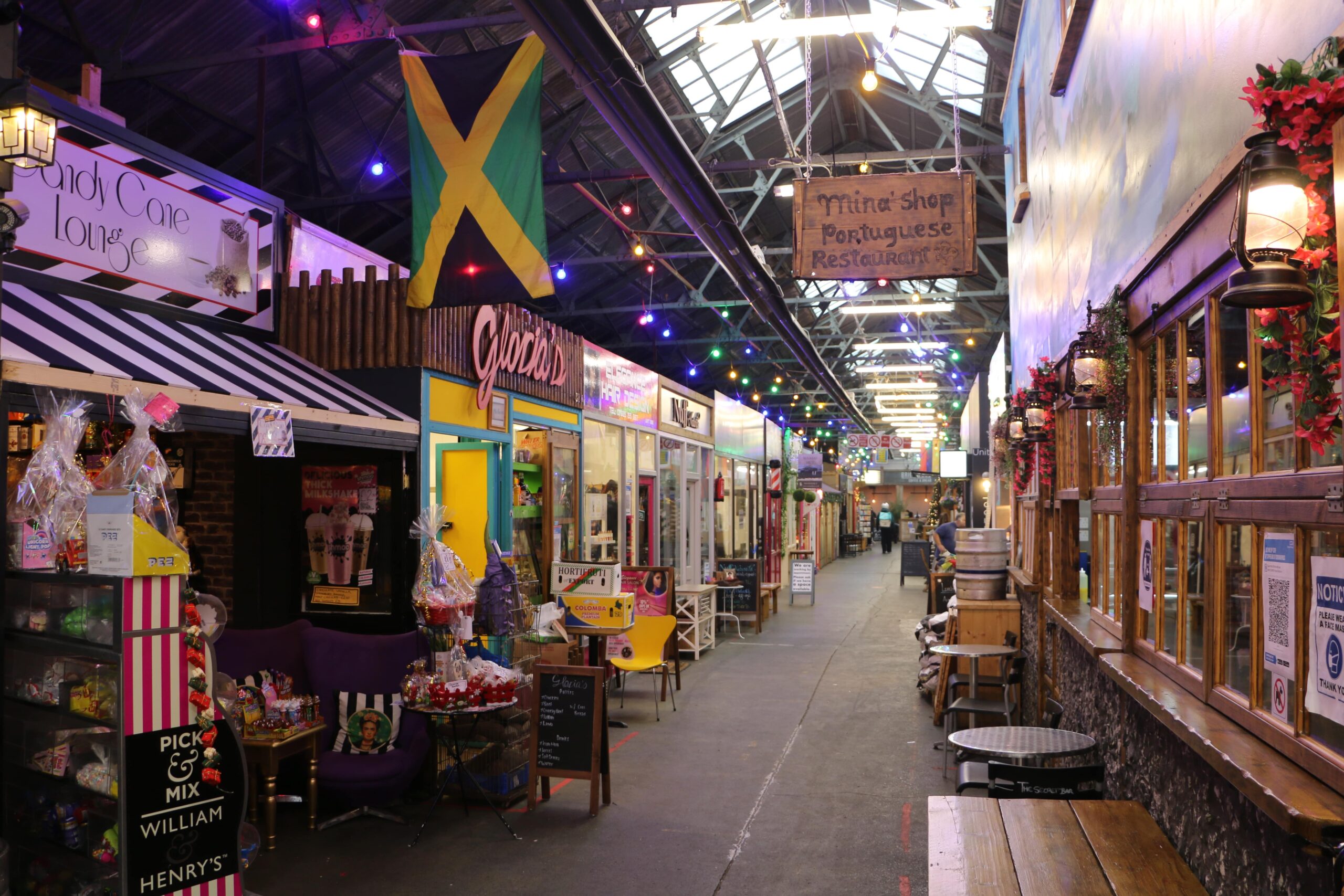
Peckham joins Notting Hill and Montmartre as the latest neighbourhood to be given the rom-com treatment. Rye Lane is a meet-cute comedy which director Raine Allen-Miller said is “a love letter to south London”. The film has been praised by critics for its perfectly picked locations, The Independent saying it’s rare to see real-life locations presented so full of life.
Harry Tully was the location scout for the film. He was given the script and the words “bold and colourful” by director Allen-Miller and set to work. Luckily, “I know Peckham and Brixton really well,” says Harry, whose scouting was integral to capturing south London’s charm.
Working in the location department involves everything from location scouting, contacting councils for permits and organising the crew on set – in short, “it’s our job to logistically make a film shoot work,” says Harry, who has worked in every role in the department both for billion-dollar blockbusters and local indie rom-coms.
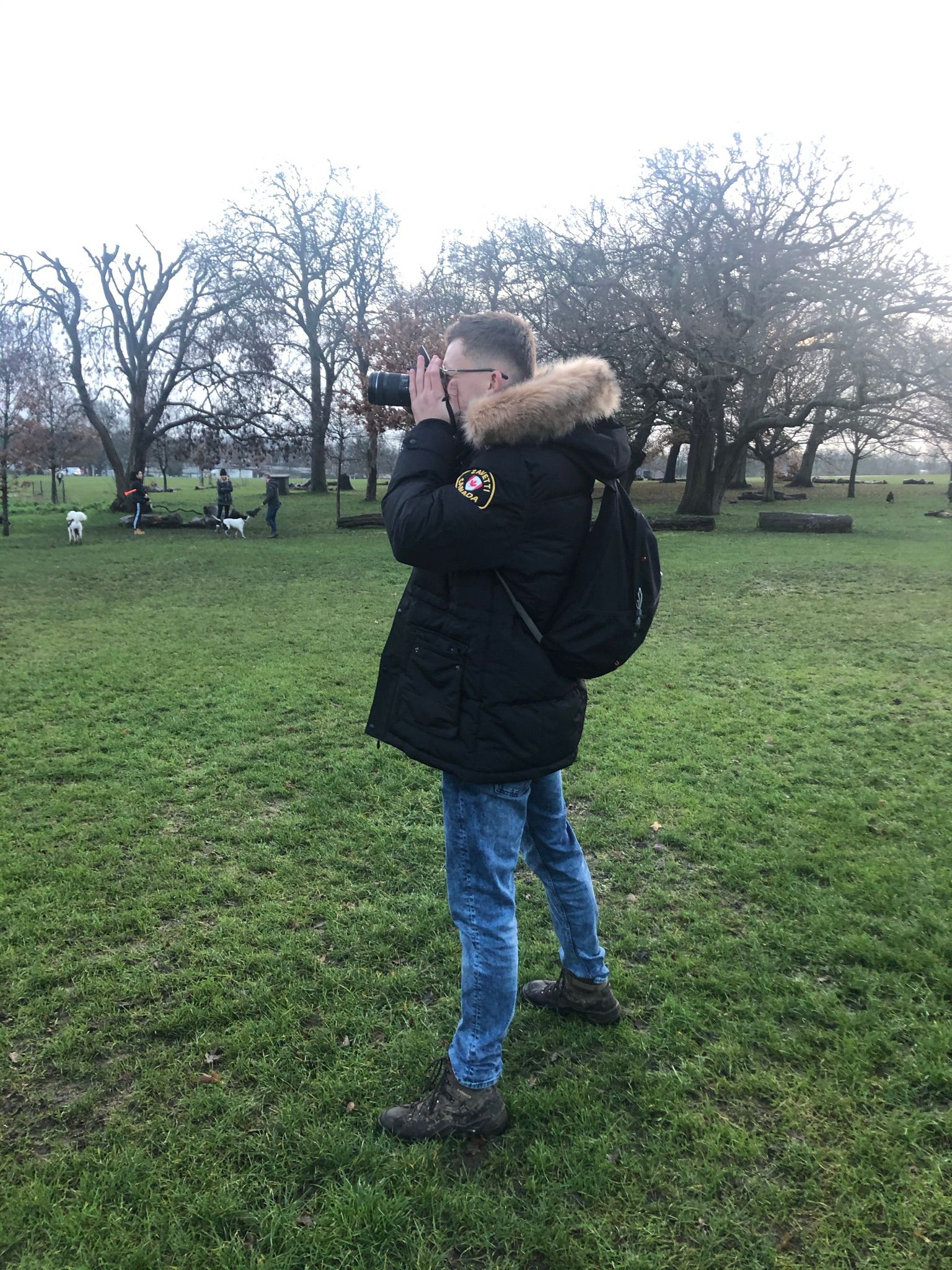
Location scouting is a pre-production role which involves outlining what every scene requires. Whether it’s a bar, park or even just a street to walk down – it’s their job to find the exact location. It may sound straightforward, but every detail needs to be accounted for: “The first bit is computer based and research based. It’s not really driving around your car until you see something cool.” Every location needs permission, businesses need to be contacted and paid for before photos are taken and shared with the director. In this case, south-London native Raine Allen-Miller was very proactive with the locations.
Often locations are picked, and the art department will work to make it camera ready. Whilst the set design team on Rye Lane worked hard, in many scenes, “it was already there,” says Harry. The eccentric storefronts and colourful fruit markets spoke for themselves.
Location scouting for a small-budget rom-com is a relatively calm gig that only takes a couple of weeks. In contrast, Harry worked on Bohemian Rhapsody, and director Bryan Singer wanted a replica of the Wembley Stage for the 1985 Live Aid scene: “It must have taken like three or four months, and they got the exact company who built the original Live Aid stage to build it,” says Harry. The stage was built at Bovingdon Airfield, an old aircraft hangar outside London.
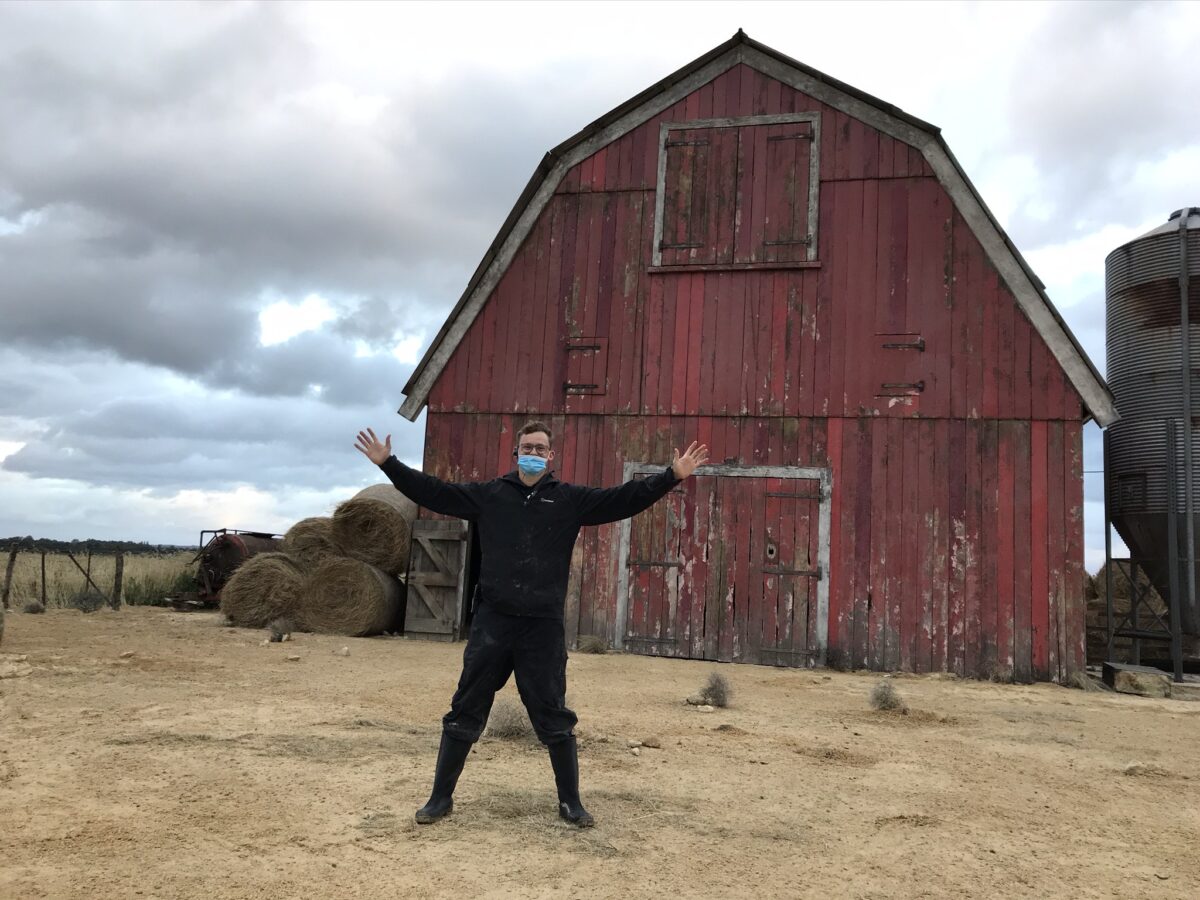
Harry also worked on the billion-dollar-earning blockbuster Jurassic World Dominion, where a farm in Aylesbury was turned into Western Texas with the help of a big red barn and a bespoke field of rye.
Scouting locations is very different from dealing with the logistics of shooting on location in the city – like where to park 10 18-tonne trucks and 50 crew members when shooting in a tight alleyway. Harry recalls a particularly difficult scene for the third season of Slow Horses, the Apple TV show starring Gary Oldman, which involves an explosion in Leather Lane market in Camden. “We had to close the street, have loads of extras running and screaming, and this was 11 PM in a highly residential area.”
For such a scene, permits need to be obtained from the council’s film office, thousands of letter drops need to go out to neighbours, police presence needs to be secured, pedestrians kept at bay, and every department’s needs have to be met. And, of course, the “honey wagons” need to be lugged around everywhere, “fancy toilets on wheels, basically”.
It is intense in spurts, “you’re working 15-hour days, six days a week for three months”, and everything can be changed on a whim: “The script will constantly be changing,” says Harry. For example, the director “had a dream in the night” and suddenly a scene is rewritten, and months of work laid to waste. “It definitely can be frustrating working with creatives,” says Harry, “but I’m sure they feel the same way about us.”