
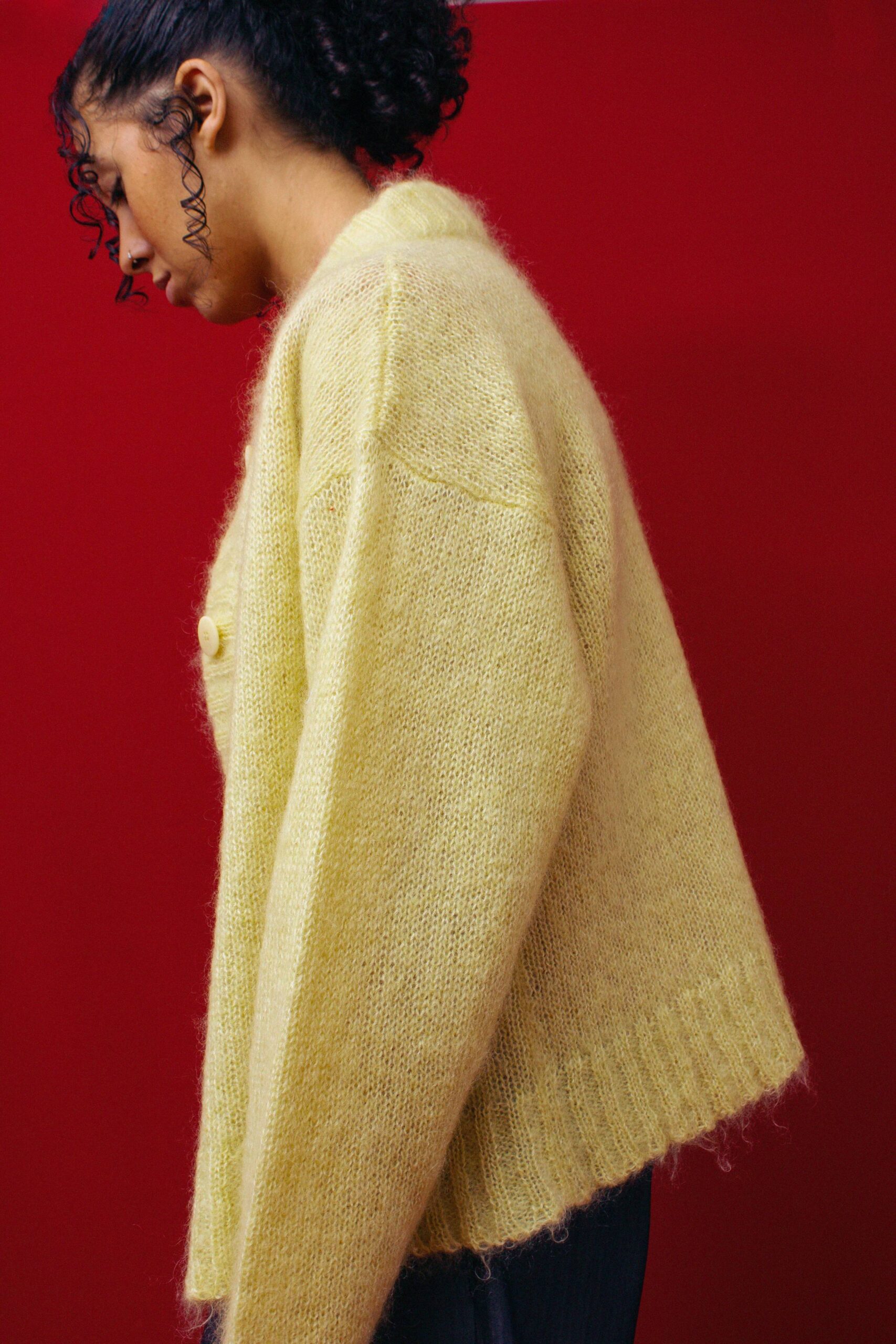
STREETWEAR, SPORTSWEAR AND LOUNGEWEAR
We meet Lucy Bacon, the founder of Yoke Studio, a London-based independent brand redefining everyday essentials with a fresh, minimalist edge. With a sharp eye for clean silhouettes and a commitment to quality, Lucy has built a label that ditches fleeting trends in favour of timeless pieces designed to last. Yoke Studio is all about effortless style, versatile staples that fit seamlessly into your wardrobe, season after season. Rooted in a slow fashion mindset, the brand encourages thoughtful consumption, proving that less really can be more when done right.
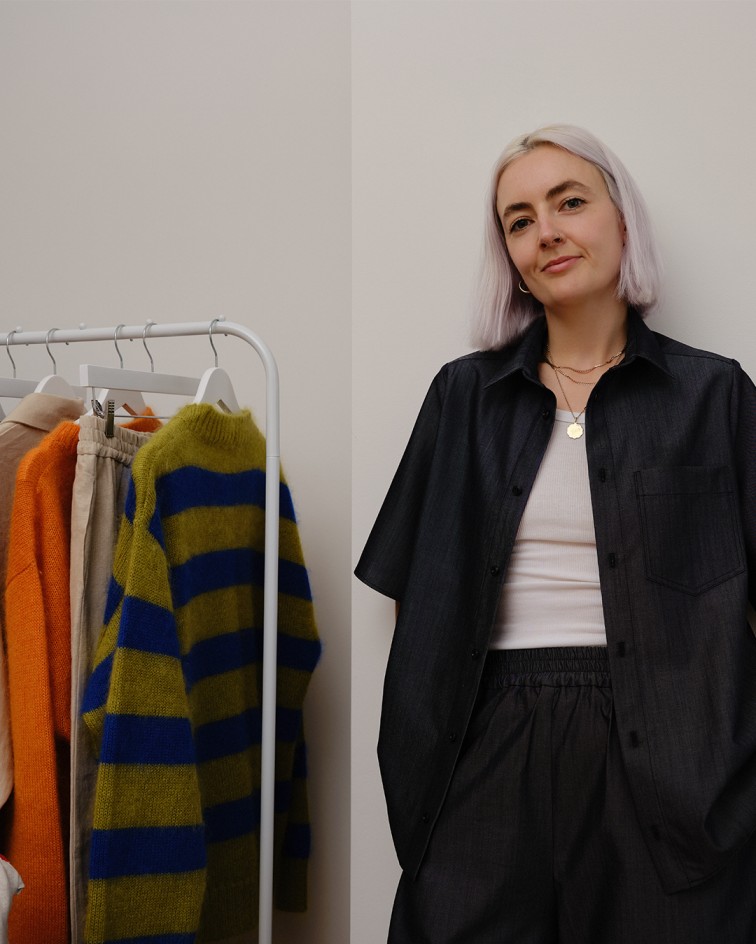
What challenges have you faced as a small, independent brand, especially in balancing creativity and sustainability?
Every day is a new challenge as a small independent business, you really need a lot of resilience to stick with your vision and dream.
As a brand that puts sustainability before everything, I sometimes find myself questioning if I should encourage people to shop with us at all – do we really need more clothes in the world right now? I must remind myself why I started Yoke.
The creative process at Yoke comes with its limitations, but by choice. We exclusively use natural fibres and deadstock fabrics to help reduce industry waste. This means working with whatever leftovers are available, but we see this constraint as a worthwhile sacrifice in pursuit of a more sustainable future.
A lot of the sustainable choices we make at Yoke come with an increased cost, that often doesn’t add value in the customers eyes. These costs are taken from our profit which is already well below industry standards, but we are proud to prioritise sustainability over profits.
How does Yoke Studio incorporate sustainability into its supply chain and design process?
Every step of our process is carefully reviewed to minimise impact and consider our ethical values. From safe working conditions right through to packaging, it all plays a crucial role. We focus a lot of time on ensuring the design will stand the test of time. Quality is at the heart of this, using premium yarns ensures each piece feels special and worth keeping.
We do everything we can to ensure these garments won’t end up in a landfill alongside fleeting trends. But if they do, our all-natural yarns means they will biodegrade, returning to the earth.
What’s your take on the fast fashion industry, and how does Yoke Studio provide an alternative?
With over ten years of experience as a buyer for high street brands, I’ve gained first hand insight into the challenges facing the fashion industry.
Yoke was created to address these issues at their core, offering a brand built on complete transparency from start to finish. I believe knowledge is power, and by sharing my experience, I hope to empower people to make more informed choices, sending a clear message to the industry.
It’s encouraging to see increasing awareness around working conditions, consumption, and waste being shared with customers.
For too long, these issues have been kept in the dark. People deserve to understand the true impact of their choices on the planet.
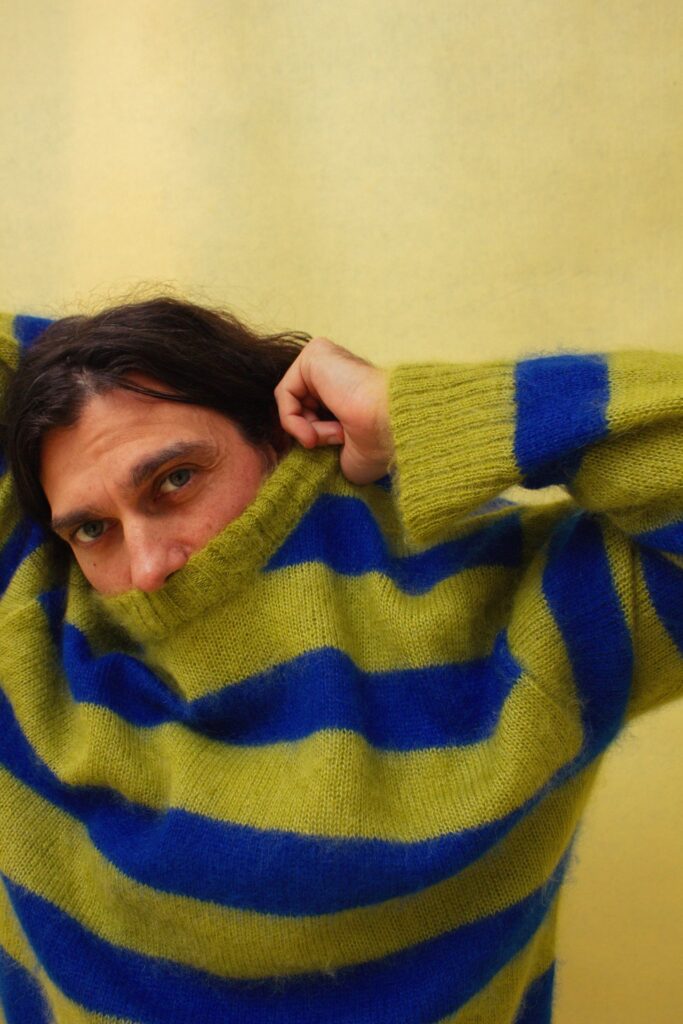
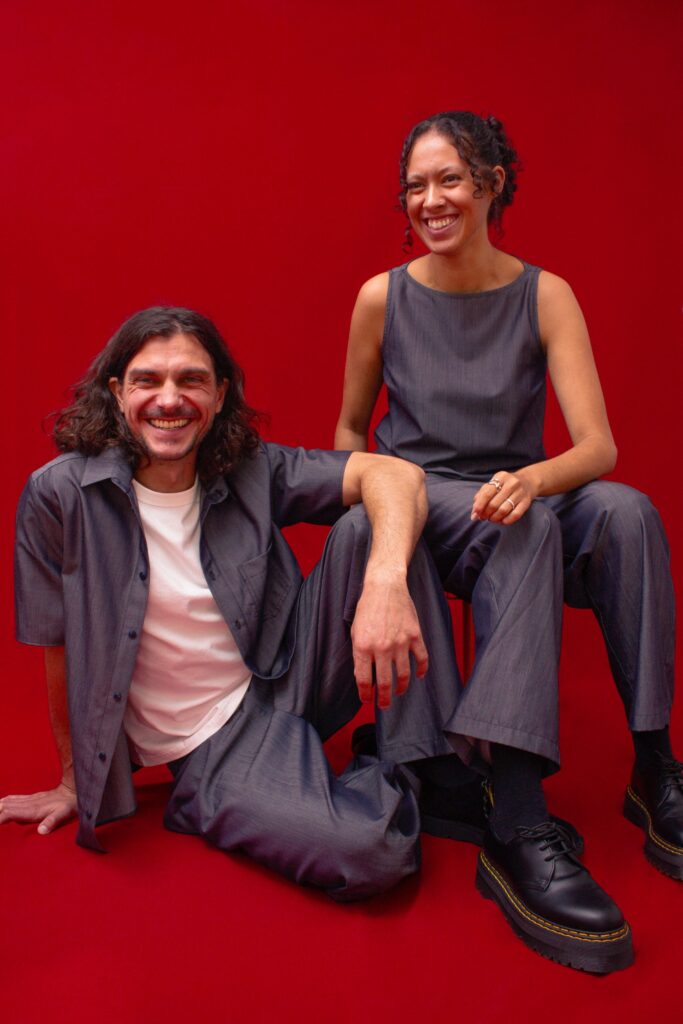
ABBY DRACH, FOUNDER of KUVETTA
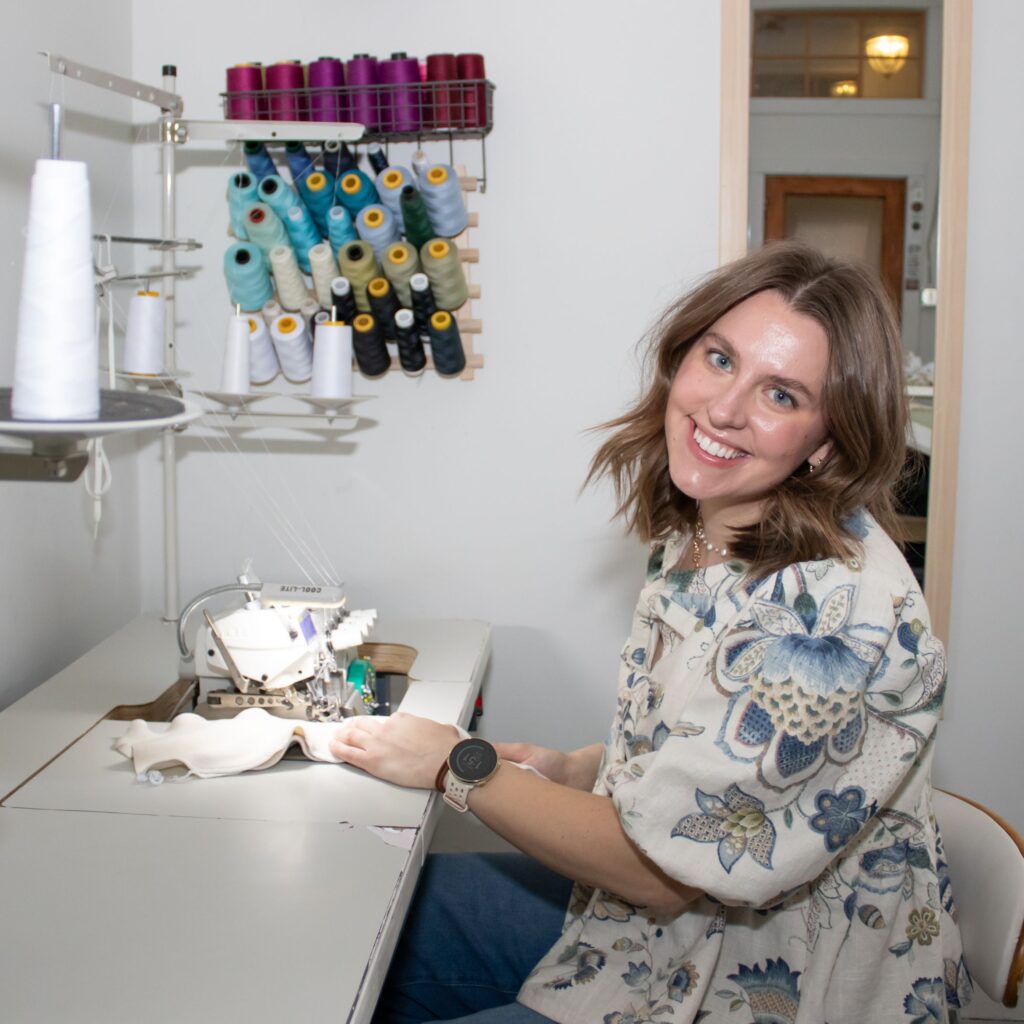
We meet Abby Drach, the founder of Kuvetta Athletic, a sportswear brand that’s redefining what it means to feel confident in your workout gear.
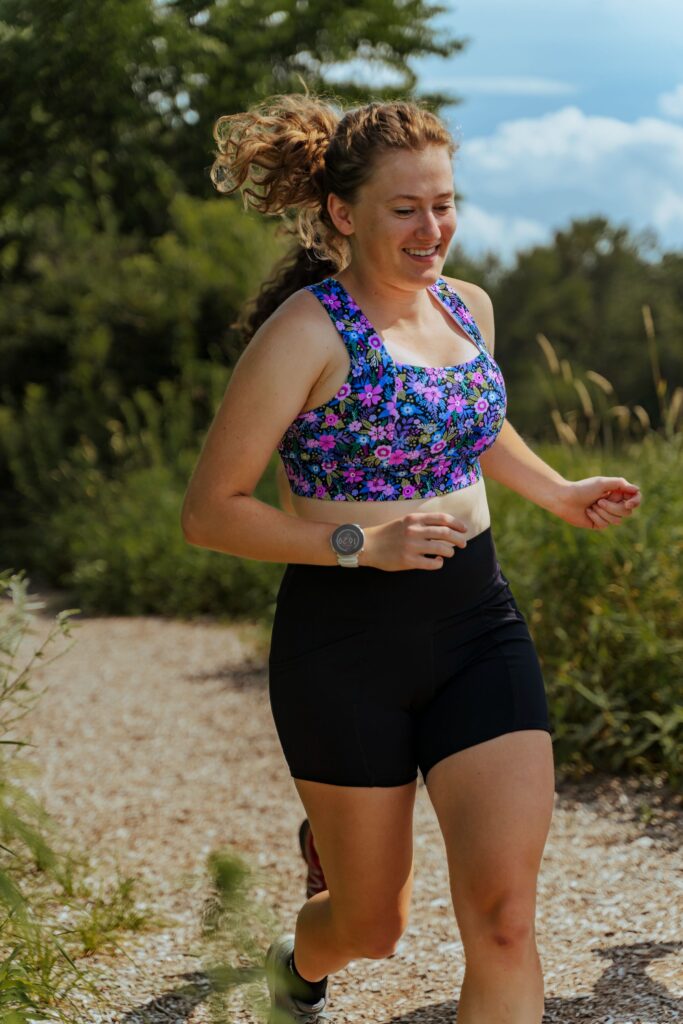
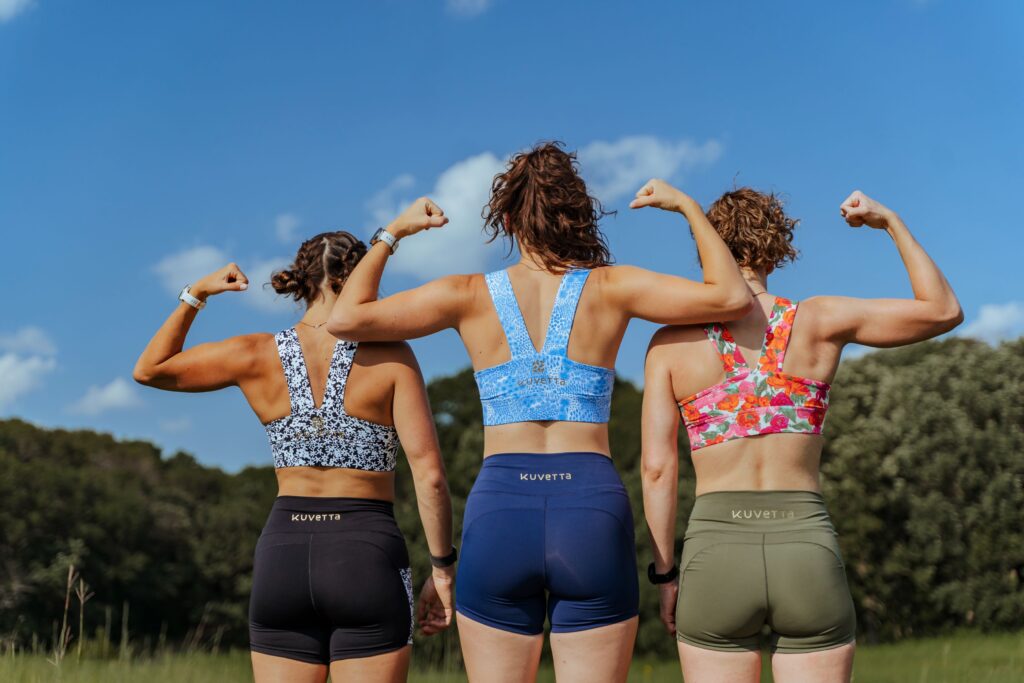
Kuvetta isn’t just about sleek designs, it’s about creating ethically made, high-performance pieces that truly support and empower women’s bodies.
With durable materials and a thoughtful approach to fit, the brand ensures that every woman, no matter her shape or workout style, feels strong, comfortable, and ready to take on anything.
What inspired you to start Kuvetta, and what gap in the market were you aiming to fill?
Fashion has always been a passion of mine. While I always knew I wanted to start my own business, I initially thought I’d work for someone else or pursue professional Nordic skiing before launching a career. But after graduating from Dartmouth College in 2020, with the world feeling uncertain, I decided I had nothing to lose by starting my own business right away.
In the spring of 2021, I launched Kuvetta Athletic, and as a Nordic skier with muscular quads and strong lats, I often struggled to find clothing that fit my body, without feeling pressured to conform to the leaner endurance athlete standard. I realised I wasn’t alone—many women face the same frustrations. From Olympic skiers and editors at Outside Magazine to everyday endurance athletes, I’ve connected with women who share this experience and want apparel that fits their athletic body. At Kuvetta Athletic, we focus on creating functional, inclusive activewear.
Kuvetta focuses on empowering female athletes, how does this philosophy shape your designs?
At Kuvetta, we create game-changing apparel that solves problems for all strong, female athletes. We are on a mission to create change in the athletic apparel space by designing for real bodies, implementing socially and environmentally conscious practices and creating fashionable and functional pieces.
Due to my athletic background as a competitive Nordic skier, I know what athletes want and need in their athletic apparel. My first-hand knowledge sets me apart as a designer and business owner. I aim to be a mover and maker in the activewear space, both through innovative apparel and a desire to support strong women in the community.
Our motto at Kuvetta is “Where grit meets grace” as we believe women are multidimensional.
What are the biggest challenges of running a sustainable sportswear brand?
Finding sustainable and ethical production methods and materials. Most apparel is not made in the US, so finding US manufacturing was difficult.
Additionally, it can be hard to source materials in a sustainable way without spending too much money on materials. I have tried to have competitive prices while still keeping people and the planet in mind in the production process.
What advice would you give to someone looking to start their own sustainable sportswear brand?
To just start! You never know if your idea will work until you try. You don’t need much to get started and test the idea and see how it goes! Once you get your idea out there, you can continue to test, iterate and get feedback to further design your product.
KRISHA KOTAK, FOUNDER of TULA & TYE
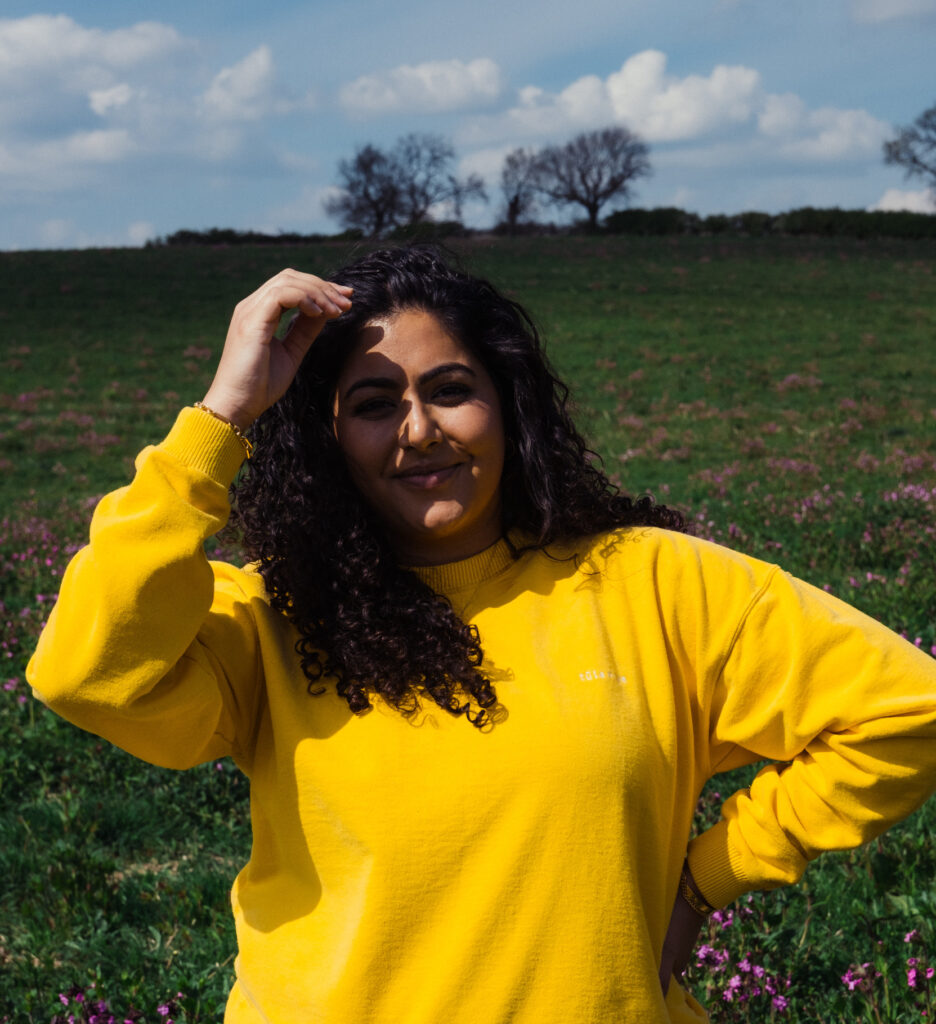
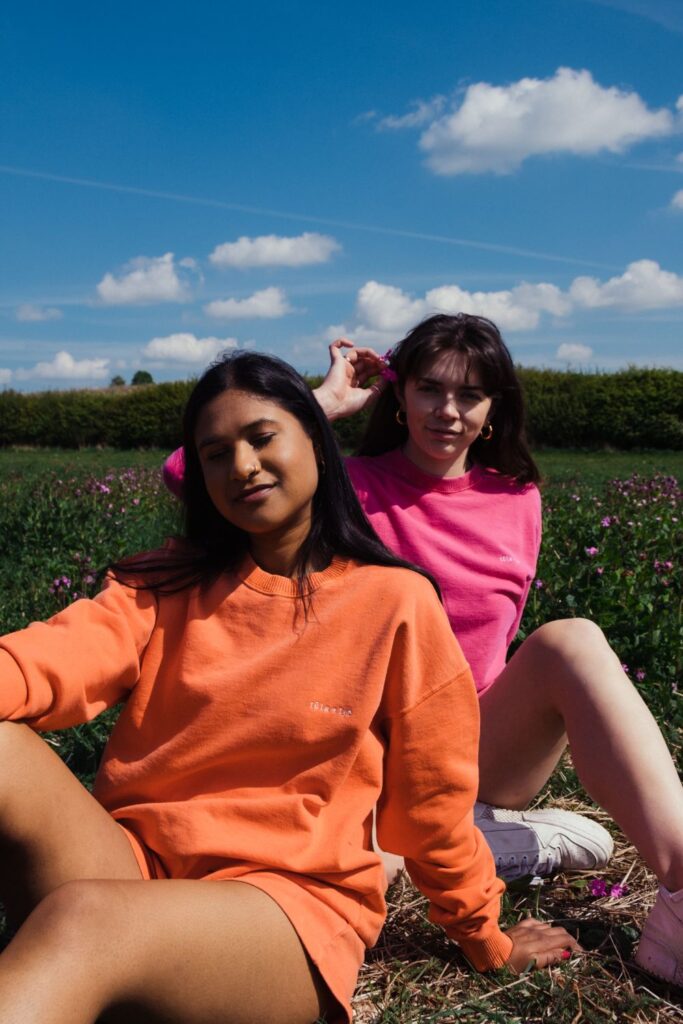
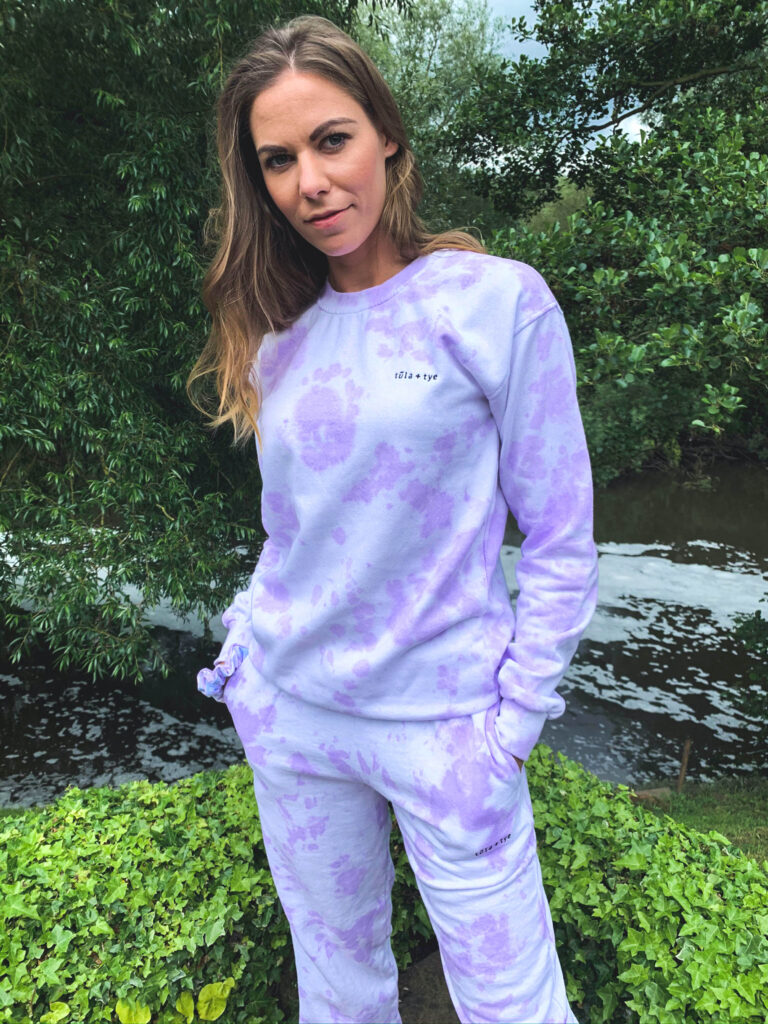
We meet Krisha Kotak, the founder of Tula &Tye, a loungewear brand that proves sustainability and style can go hand in hand. Built on a commitment to eco-friendly materials and ethical production, Tula & Tye creates effortlessly comfortable, consciously made essentials designed for everyday wear. With relaxed silhouettes and a focus on versatility, the brand is all about feeling good—inside and out—without compromising on style.
What inspired you to launch Tula and Tye?
During the pandemic, my friends and I were constantly sharing our lockdown ‘outfits of the day’, which predominantly consisted of a variation of sweatshirts and joggers. At the same time, a lot was happening in the press concerning the negative impact of fast fashion brands on the planet, so I was personally on a mission to find a brand that offered an eco-friendly loungewear option.
I quickly realised that there was very little out there, and since I was on furlough, I had a lot of time on my hands so began researching different fabrics and manufacturing methods. Before I knew it, I was speaking to contacts in the textiles industry about making the products myself and with a background in PR, I decided to build my own brand!.
What does being a sustainable brand mean to you beyond just the materials you use?
Of course, the materials make up a huge part of the brand’s sustainability credentials and definitely seem to be what attracts customers in the first place. Beyond the fabric though, everything is made in small batches to minimise waste, the dyes we use are soil-friendly and non-toxic to humans and the environment, and all tags, packaging and mailing bags are recycled or recyclable/biodegradable.
The people involved in the process are also of huge importance, so ensuring an ethical supply chain was critical. I’ve actually visited all of the factories we use in the UK, met the people making the clothes, and and been able to see the working conditions, which brings peace of mind, especially knowing how terrible the conditions in some factories out there can be.
What has been the most surprising challenge of running an independent clothing brand?
I run the brand solo, so I have to wear a lot of different hats at once. One minute I’m working shooting social media content, the next I’m tie-dyeing a sweatshirt, and the next I’m doing the accounts!.
In terms of running an independent clothing brand specifically, of course the cost of making everything is much higher due to the smaller quantities, meaning that unless I’m charging super high prices, the margins are generally much lower than bigger retailers. I also don’t have a team of in-house designers or garment techs, so the sampling process can often be long and laborious.
What do you think the fashion industry can learn from small, independent brands like yours?
One of Tula & Tye’s initiatives that I’m most proud of is Three-Mile Threads – a hyperlocal supply chain where every step of the process from the fabric being made to the clothing being shipped, to customers happens within a three-square mile radius in Leicester, England. I’ve proven that supporting domestic manufacturers and streamlining supply chains can definitely be done, brands just need to invest the time and effort into doing the same.
If you could go back to when you started, what’s one piece of advice you wish you had?
Trust your instinct and don’t be discouraged by industry veterans who tell you that ‘sustainability won’t sell’!
Now, learn more about former Vogue Editor Mary Fellowes’s inspiring story, The Future of Fashion: An Interview with Mary Fellowes