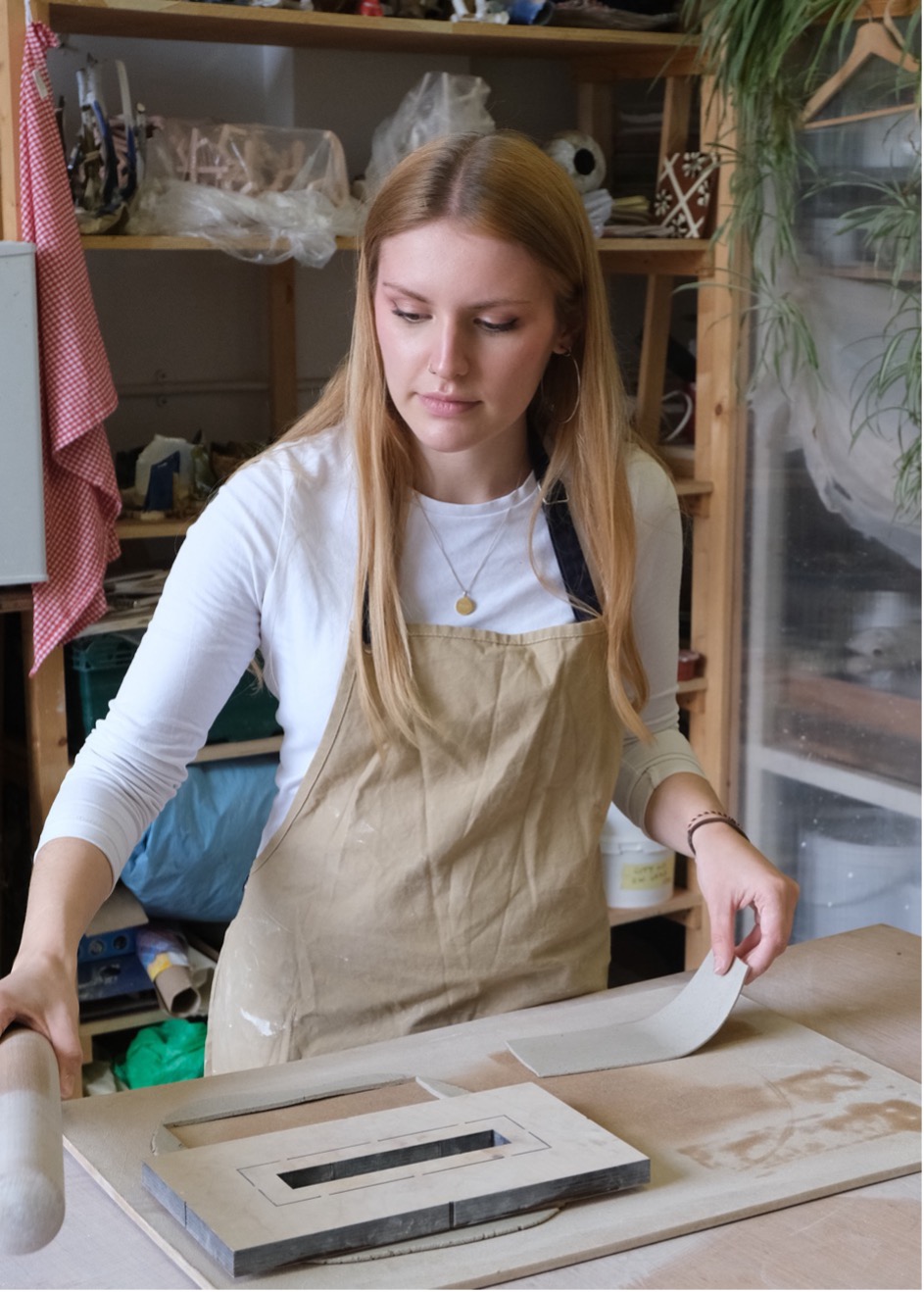
Featured image: Rosy Napper in her studio. Photo by Harry Collingwood, courtesy of Rosy Napper
Rosy Napper explains how she is saving the planet one plate at a time
Rosy Napper, 26, is a material researcher and designer based in London. She runs her own ceramics studio, ReCinder, after collaborating with HOST (Home of Sustainable Things) three years ago, which helped her grow her brand.
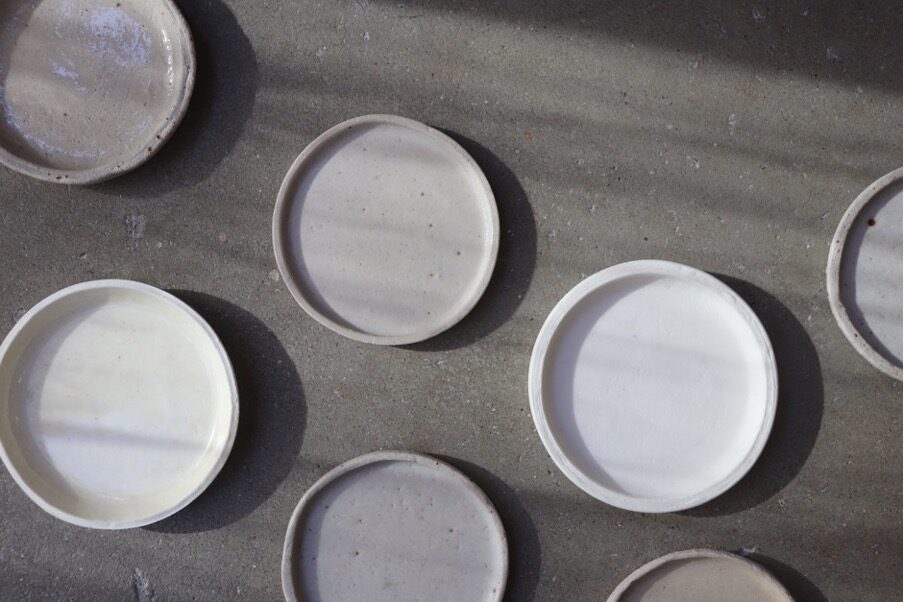
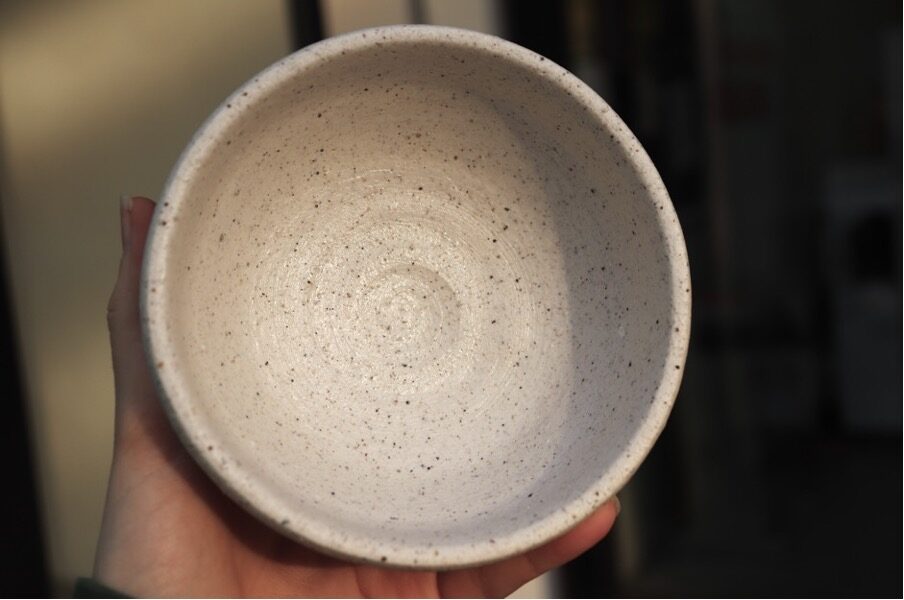
ReCinder is built on sustainability and the materials used are 100 per cent recycled, made from discarded ceramic and ash. Along with her main focus, tableware, Rosy also makes furniture and lamps.
Here, Rosy talks us through her journey in sustainable ceramic making and what drew her to an industry of continuous cycle of making and remaking.
Q: What inspired you to start your business?
A: When I was on my foundation diploma in 2018, I visited an exhibition in Amsterdam called The New Material Award where I came across many designers, mostly ceramicists, using scientific experimentation and sustainable waste recycling processes to make beautiful objects. This inspired me to follow this path of ceramics, and after developing my own material, making processes and refining the finished product, along with meeting the HOST Store, this encouraged me to turn it into a viable business.
Q: How do you find your recycled material and how is it used to create your products?
A: We collect fired ceramic waste from various sources around London, mostly ceramic studios and universities, who have a lot of wastage due to failed experiments and a high volume of makers. We take their waste and recycle it at our facility, so it is ready to be mixed into a batch of ReCinder. We first got a lot of our waste by reaching out to studios, but now many people contact us asking us to take it away. The ReCinder mixture, once ready, can be used in a similar way to clay, so I use the material on a conventional ceramic tool, like a pottery wheel, to make our plates.
Q: Does using recycled materials have any effect on the final product?
A: Using recycled materials dictates almost every aspect of the finished product. In using recycled post-consumer ceramic, we lose the plasticity of clay which makes forming the material more difficult. For this reason, I had to develop a modified process using special moulds, of which we can only get in a certain shape. This limits the shapes we are able to make. However, we are working on developing the process with specialist machinery that would allow us to make different designs like cups and bowls and initial tests are proving very promising.
Q: Are you an advocate for sustainability and do you hope your business will inspire others?
A: I do perceive us as advocates for sustainability, as this is one of the core pillars of our work. Recycling the ceramics is far more labour intensive and costly than using raw clay, but we wanted to create a way to use resources we already have that conventionally have no use once scrapped, such as a broken plate or cup. We want to reduce the dependency on mined materials and show the wider ceramic industry there is an alternative waste-based solution. We have diverted several tonnes of ceramic waste from landfill, but we understand we cannot solve the issue of mass production and overconsumption of ceramics. We hope to encourage all ceramicists, from studio potters to large-scale factories to rethink their materials and reconsider the value that lies in everyday waste.
Q: What are your goals for the future?
A: Our goals for the business are to grow and upscale the process, without compromising on our carbon footprint. We want to continue making our products artisanally and on a made-to-order basis, as we never want to create more products than we need. The positive thing about our business model, however, is any waste we do create can be recycled back in a new batch of ReCinder. We would also like to find premises that allow us to take control of our energy consumption, and to install solar panels to help run our kiln, further reducing our impact.
Check out Rosy’s products and services here: https://www.rosynapper.com.
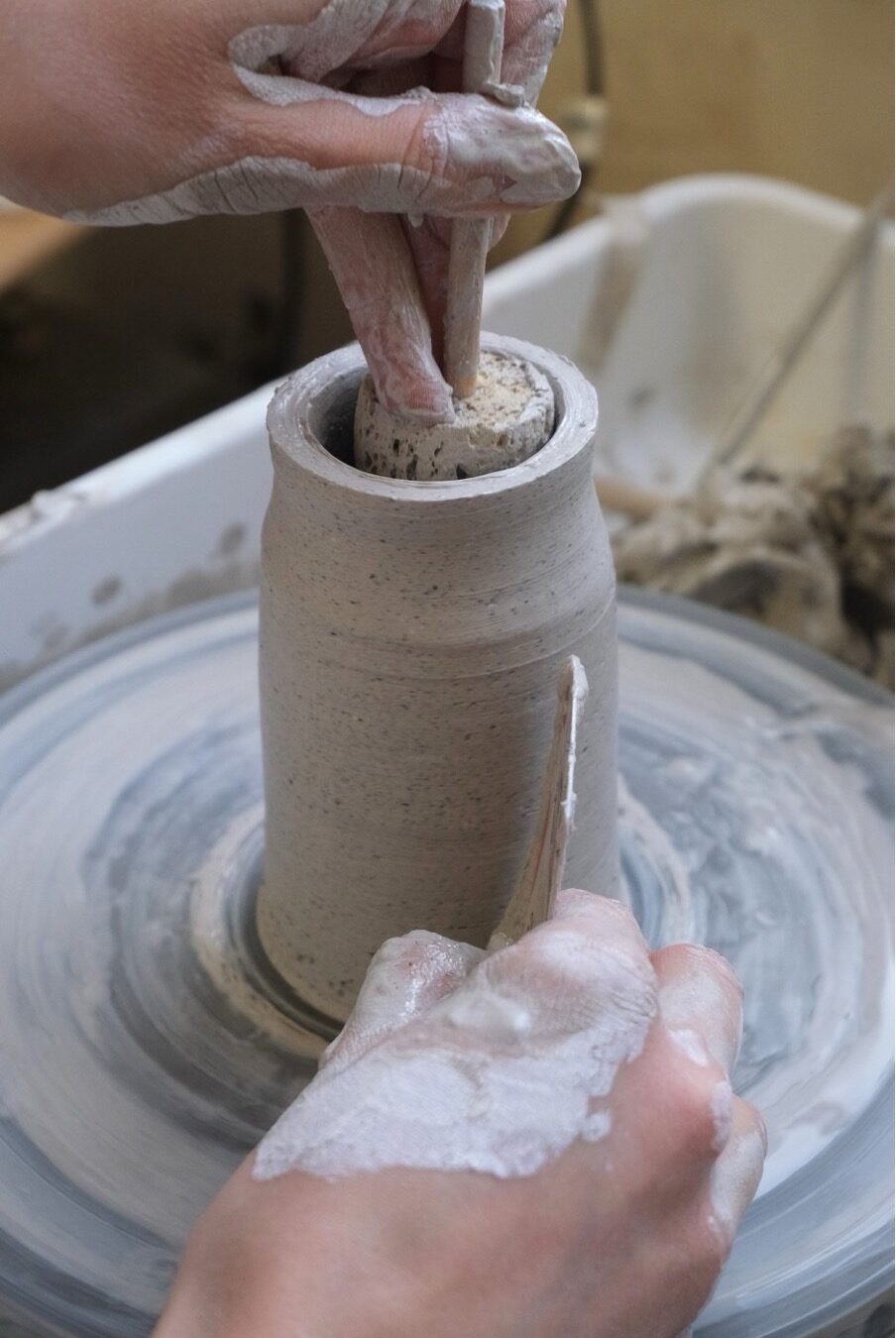 Photo by Harry Collingwood, courtesy of Rosy Napper