Featured image: photo by Mia Reynolds
Why London’s runners are turning to the track after dark
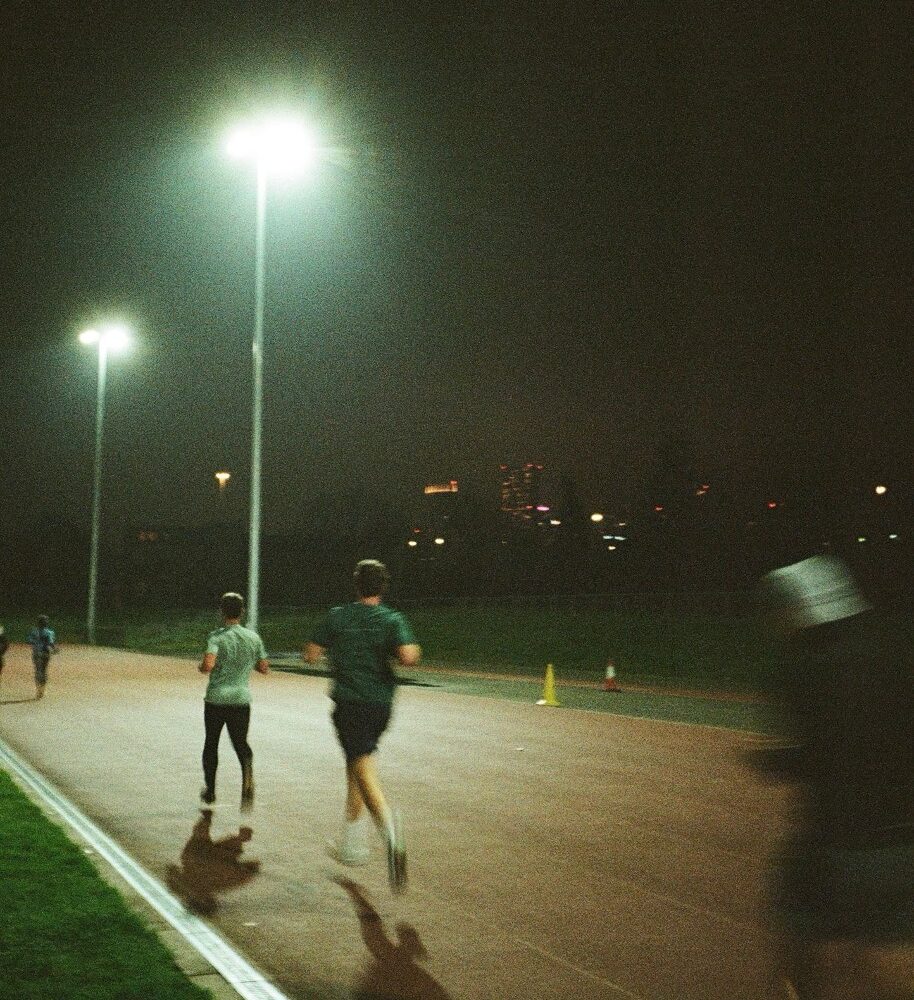
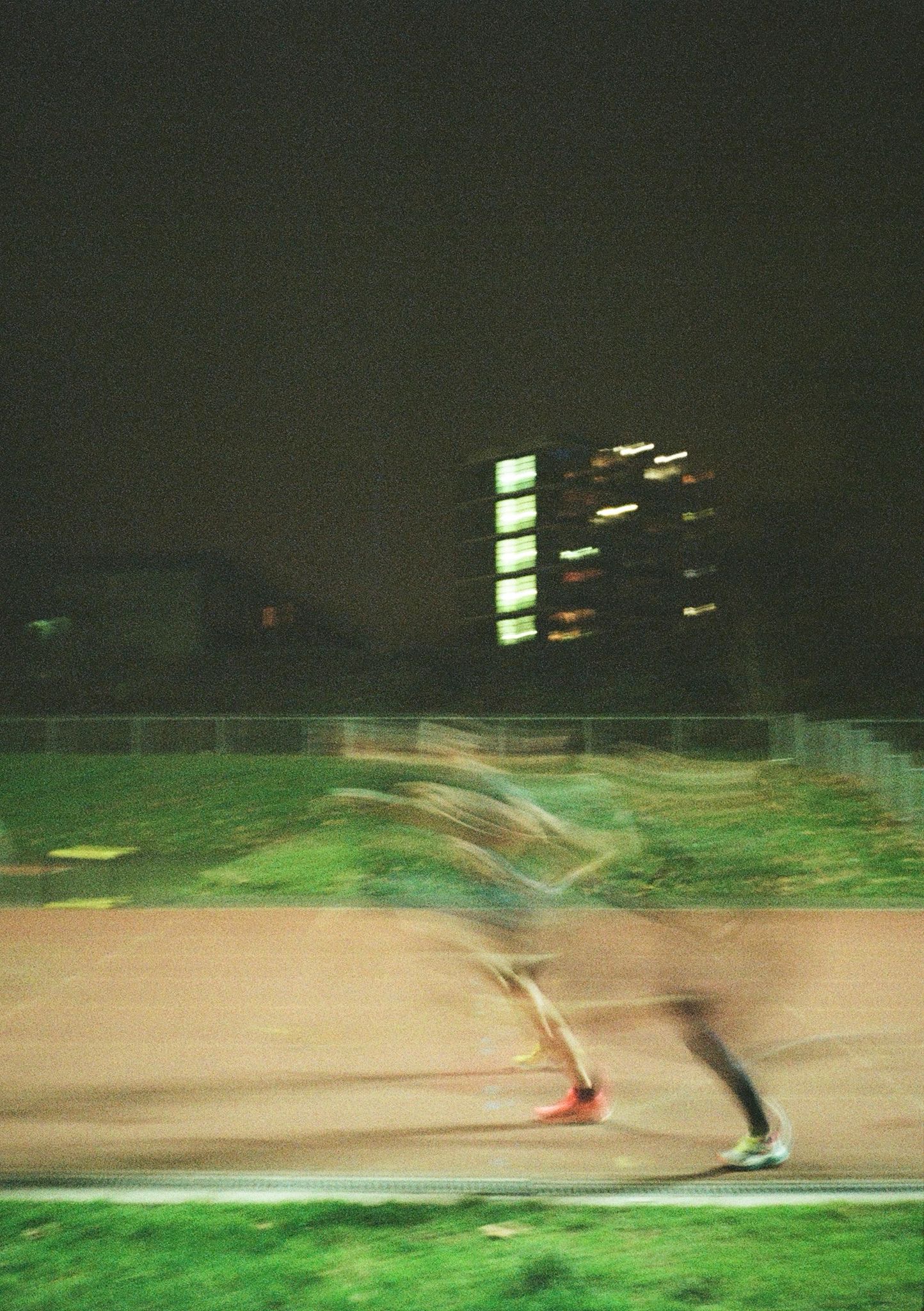
A dozen footsteps echo through the night, the sound of spikes and trainers striking the red rubber track creating an almost hypnotic rhythm. The steady beat becomes a collective pulse as pairs of legs move together in unison, broken only by heavy breathing in the cold air. The pack stands at the start line, shoulders hunched against the chill. A chorus of electronic beeps cuts through the dark as they simultaneously start their watches, and the first 800m rep is underway.
It’s 8pm on a glacial Monday evening at Southwark Athletics Track, where running club Peckham Pacers holds its weekly session. While most Londoners are inside, wrapped in blankets, slumped on sofas, or scrolling through their screens, these runners find warmth elsewhere: moving in circles, side by side.
The Peckham-based social run club was started by accomplished runner Kurt Wilkinson, 39, in 2022 while working at a local coffee shop on Rye Lane. What began as an informal midweek ritual between friends, quickly grew into something much bigger. “It was just a bunch of friends, and friends of friends, deciding to run once a week,” Kurt explains, standing inside the track circle as he coaches the session.
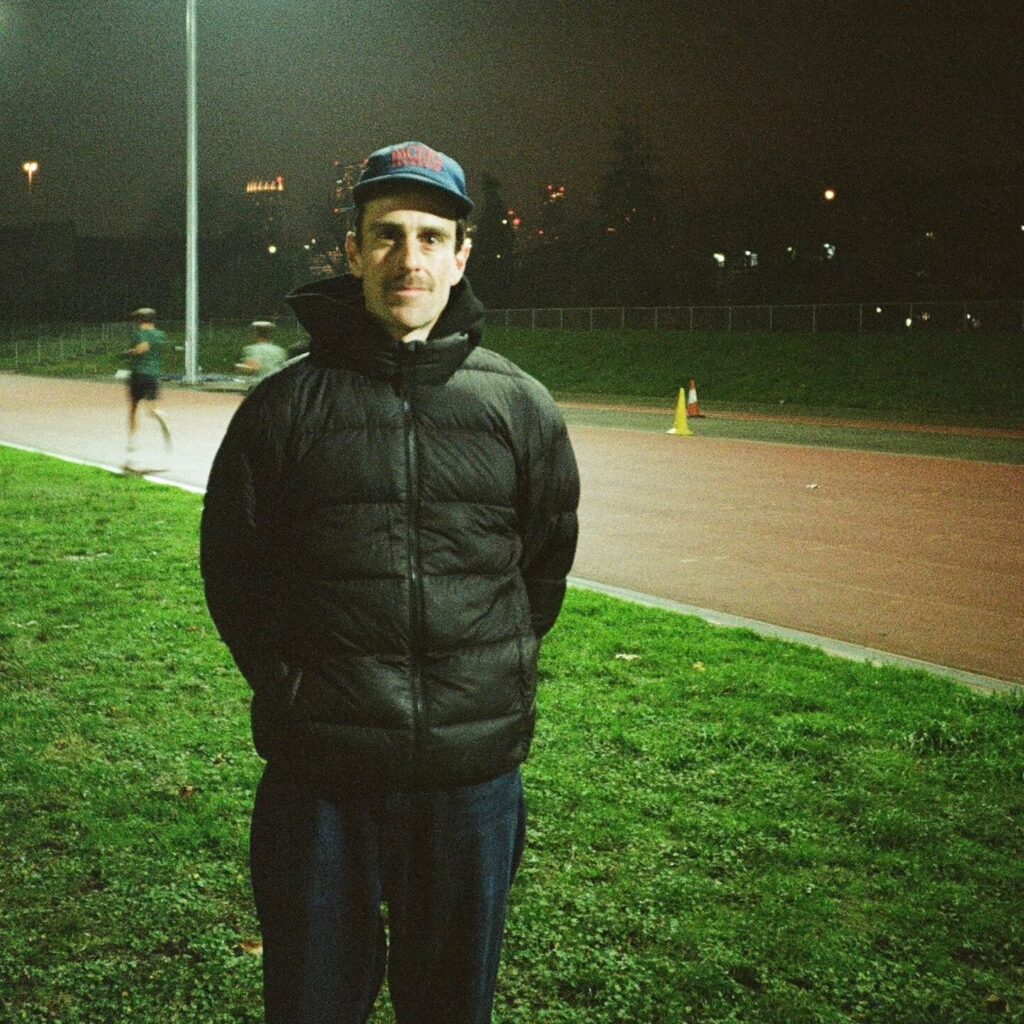
While the social Wednesday evening runs – now known as “7 @ 7” a weekly 7km run around Peckham taking place at 7pm – have remained a staple, there soon were demands for more structured sessions as members’ ambitions grew. “There was chatter about guys wanting to do a bit more structured training for marathons,” Kurt says. “So we decided to add an interval session once a week, and the track is a nice, easy place for everyone to do it.” The Monday track nights have now been running for nearly two and a half years and are firmly embedded in the club’s routine.
Track running has existed for centuries, from its origins in the Ancient Olympic Games to its central place in British Athletics clubs. Long associated with discipline and performance, the track was once the territory of competitive athletes. Now, it’s being reclaimed by social run clubs like Peckham Pacers.
“There’s definitely a dedicated Monday night crew that’s a bit different to those at the Wednesday night runs,” Kurt says. “The members that come here are into running a little bit more seriously and will be training for something in particular, whether that’s a marathon or a 10km, but they know that they can come here and they’ve got a structured coaching session that will help them achieve their goals.”
The growing appeal of track running comes down to a few key factors, many of which extend beyond just social running. As winter sets in, safety becomes a concern for runners training in the evenings. Roads are darker, parks less visible, and running alone can feel intimidating. Track sessions offer a safer alternative.
“The track is a really safe place,” Kurt says. “Especially if you’re new to running and you’re a bit nervous about being on the roads in the evening. You’re not going to get lost, and you’re running with other people.”
For many runners, that sense of safety is crucial, especially with wider conversations around supporting female runners in dark conditions. Campaigns such as SOAR’s Light the Night Welsh Athletics’ Own the Night reflect growing awareness of the issue.
But safety is only part of it. For many, the appeal lies in simplicity. No routes to plan, no obstacles to dodge, just a set session to complete. “You don’t have to think about your safety,” says Tom Firmin, 32. “You just turn up and run.”
For others, it’s the structure and predictability that matter most. “There’s no uneven pavements, no weaving between pedestrians,” says Dylan Flowers, 31, who has been running for a decade and is training for a half marathon. “It’s just a set session. I can turn up and not think about it.” In the middle of hectic days, that structure removes decision fatigue. “I can just turn up,” he says.
Despite its reputation, the track isn’t as intimidating as it might seem. “People will message me on Instagram wanting to come to the track and just being a little intimidated by it because of the high-level athletes that they associate with track,” Kurt says. But his response is always the same. “I always tell them to come along. You can just run the straight, walk the bend, it’s such a great place to begin your running journey.”
The structure that initially seems daunting often becomes the very thing that helps people settle in. Dylan also finds that the environment is far more inclusive than outsiders might expect. “No matter what your pace is, no one’s watching you,” he says. “It’s far more inclusive than people think.”
Julia Maslova, 34, started running during the pandemic and now works full-time as a software engineer. On days spent working from home, especially in winter, leaving her flat can feel like a chore. “I really like that it’s structured,” she says. “I don’t need to come up with the idea of what I’m doing tonight. It helps me actually leave my place and go do something.” Julia says that her favourite part of the session is the final set because “you can try and run as fast as you can.”
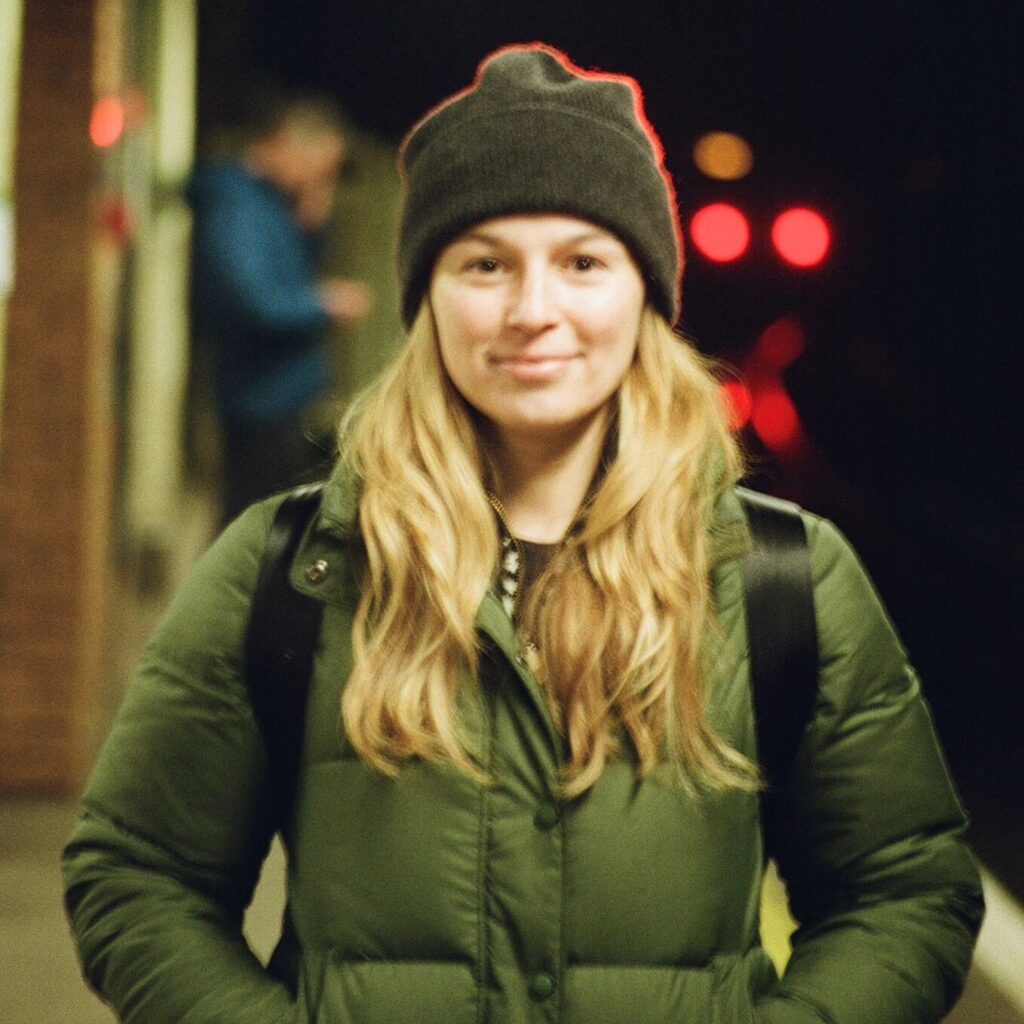
Track sessions also provide a unique physical environment. “The track feels softer and bouncier than the road,” Julia says, “which makes it easier to run on.” Most modern tracks are made from synthetic materials designed to absorb impact while providing a springy surface.
For runners chasing speed, the controlled environment of the track is ideal.“There’s no hills, no traffic,” Kurt explains. “You can time your splits without other variables. The track is the best way to get a true sense of how fit you are.” The 400m layout allows for precise pacing and consistent measurement, something harder to achieve on the road, where watches can miscalculate distance.
“Running helps me actually leave my place and go do something”
In an interview with Runner’s World, coach and athlete Alex Ostberg said, “Track workouts are absolutely something runners should have in their repertoire… they help you increase your speed.” STRIDE coach Josh Honore added, “On a track, you can stay really accurate with the distances you’re covering… and get a much better feel for what specific paces feel like.”
Track sessions, while creating a commitment to training, also provide a sense of community and belonging in a city that can feel lonely at times. For Harry Tivnen, 31, a competitive runner and Peckham Pacer coach who works long hours in the city, these sessions are essential to his dedication to training and the commitment to training with his friends is what keeps him consistent.“I’ll always make sure I finish work at six on the dot and get out,” he says. Harry trains once a week at the track, either before or after work with his clubs Kent AC and the Battersea Badgers. “There’s something about committing to a track session… you don’t want to let your friends down.” That shared commitment drives effort.“You end up pushing each other a little bit harder and getting the most out of each other,” he adds.
It’s in these winter months that Harry feels the impact of the track the most. “The sessions that have the biggest impact on my mental health are when it’s freezing cold, pitch black, and you’re struggling to get out,” Harry says. “There’s something very therapeutic about going through some adversity together.”
For others, the track offers something quieter, a kind of moving meditation. In a world dominated by screens, the repetition of laps creates focus. “You run around without having to think so much,” says Bilge Nur Yilma, 27. “Everybody’s so focused.”The rhythm of footsteps and breath becomes almost meditative. “It feels like a moving meditation,” she says.
The group dynamic also pushes her to run faster than she would alone. “You’re catching other runners,” she adds. Tom Firmin agrees. “Running in a group makes it go by quicker… everyone’s going a little bit faster,” he laughs.
The enclosed space, floodlights, and presence of others remove much of the mental load that often comes with evening runs. “There’s loads of start and stop,” Tom says. “There are lots of opportunities to interact with people.” His advice for newcomers is simple: “Definitely don’t be nervous.” Because in the end, the track isn’t about being the fastest, it’s about showing up.
As the runners sprint through their final rep, their watches beep once again. Heavy breaths fill the air, mixed with laughter, grimaces, and pats on the back. Small celebrations of getting through a tough session. As they drift off the track and gather their belongings at the edge of the red circle, they leave feeling accomplished, proving that sometimes, moving in circles is the best way to move forward.
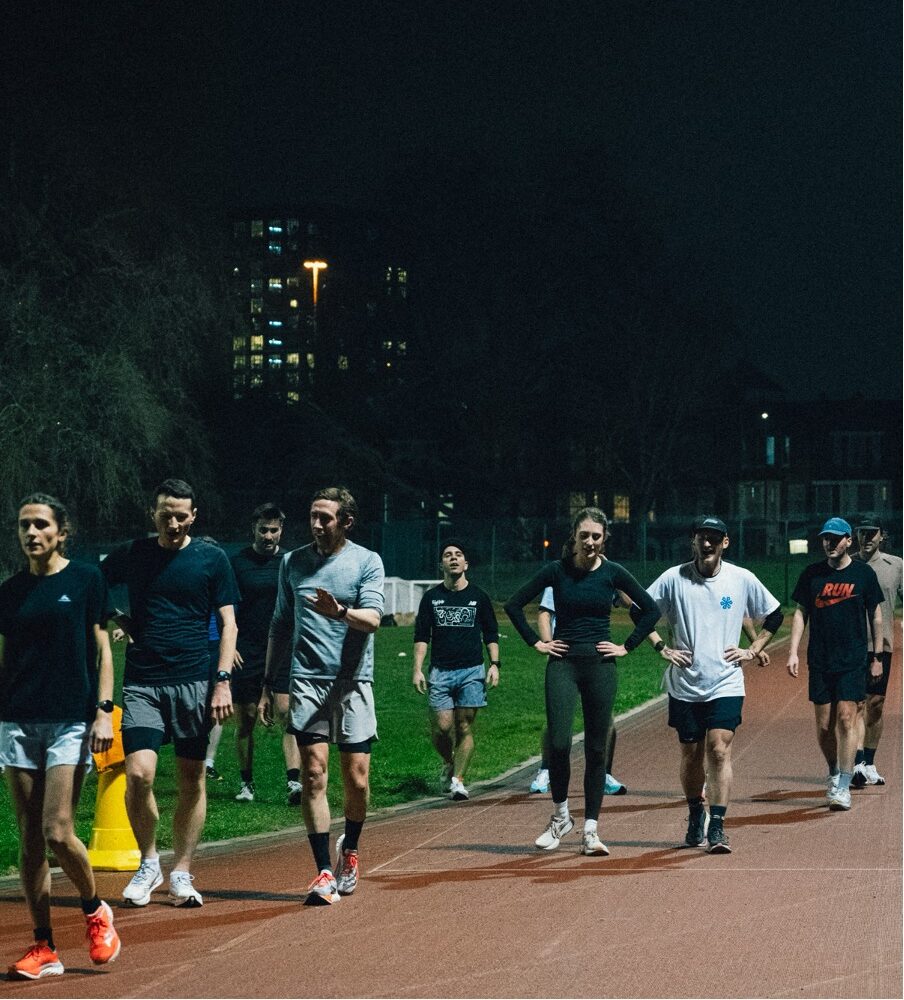 Photo by Ben Farber