
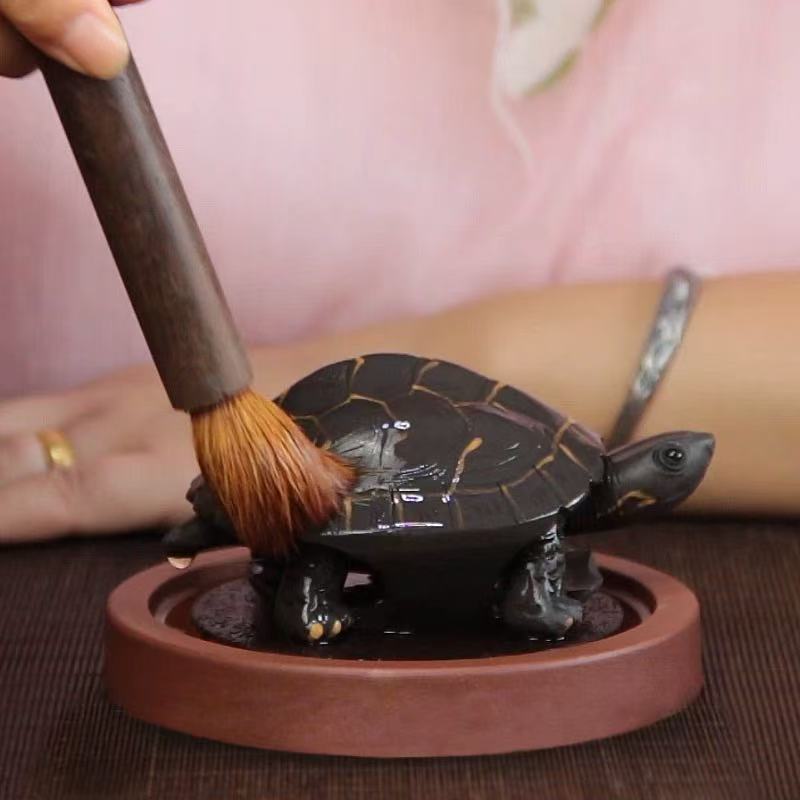
Zidong Li found that tea pets are making a comeback among young tea lovers, blending tradition with creativity. These tiny guardians evolve with every pour, turning tea rituals into a unique experience.
In recent years, the culture of tea pets has gradually warmed up among tea ceremony enthusiasts and handicraft collectors, and such small objects combining art, aesthetics and spiritual sentiments, such as the popular IP Pokémon and mythical creatures such as the golden toad, are becoming an essential part of tea culture. Through the combination of cross-border union and traditional culture, young people are paying more attention to tea pets, while at the same time, the relationship between tea cups, as an indispensable carrier in the tea ceremony, and tea pets is also gradually attracting people’s attention. They are not only partners on the tea table but also a kind of cultural and emotional ties, carrying the heavy responsibility of passing on and promoting tea culture.
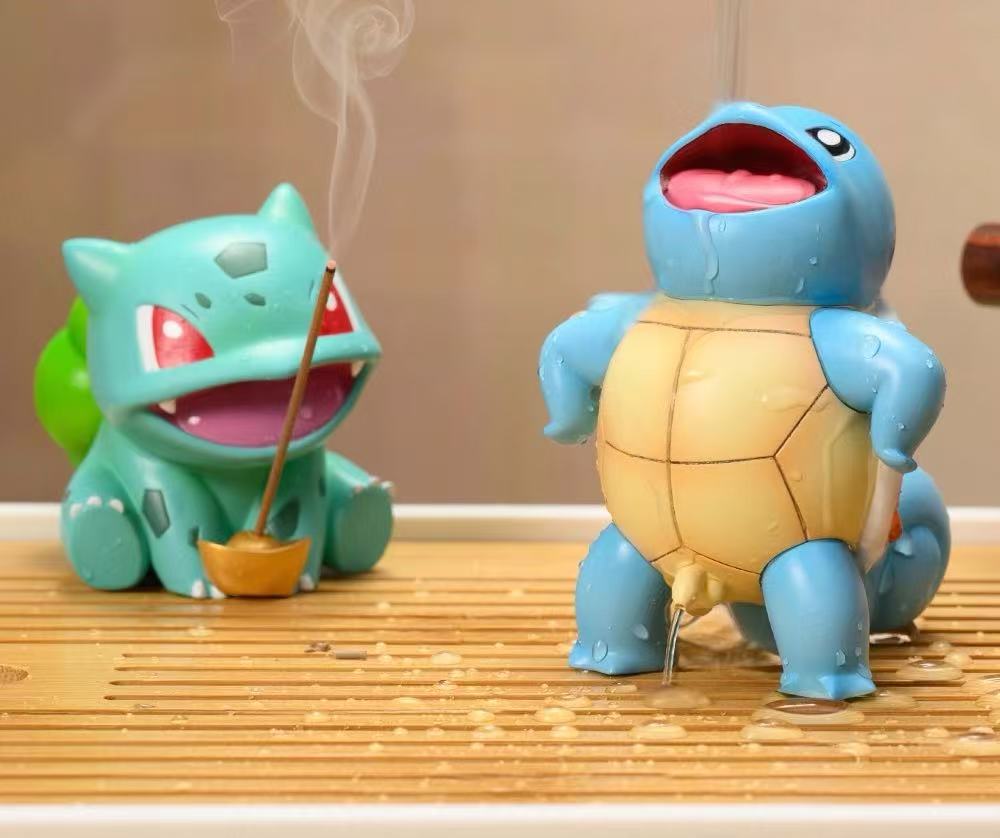
Tea pets are usually made of alabaster, ceramics or other special materials, of which alabaster is the most famous, due to the unique double pore structure, the surface of the tiny pores, breathable, but not seepage, this structure allows alabaster made of cups or tea pets in the process of adsorption of tea, the more you use the more lustrous. Craftsmen use a variety of small animals, and mythological or historical figures with auspicious meanings as shapes. These small and delicate sculptures are often placed in the corner of the tea table, and with each tea brewing process, they are gradually ‘nurtured’ by the pouring of tea water to develop a lustre. This conservation process is not only the tea pet material moisturisation, but also the tea people’s minds and a kind of artistic interaction.
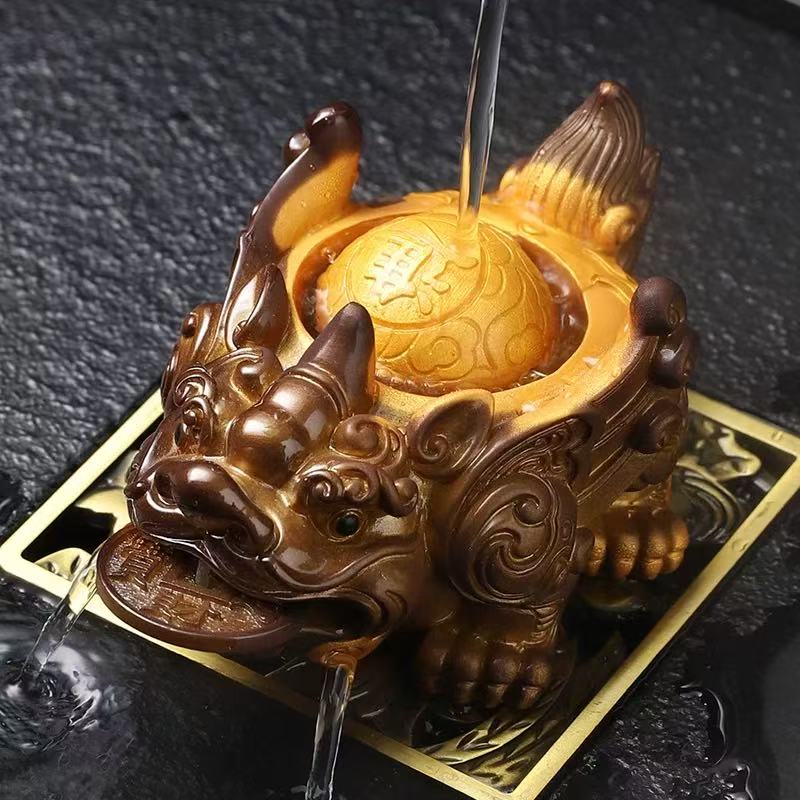
“Tea pet is a kind of companion, but also a kind of support.” Li, who is engaged in the tea trade in Guangzhou, said. He treasures a tea pet in the shape of a brave man, which has accompanied him for five years. This sacred beast is a dragon head, lion body and horse hoofs, which is regarded as one of the auspicious beasts, implying that it attracts wealth and good fortune, wards off evil spirits and protects the owner. “Every day when I make tea, I will habitually shower it with a pot of tea, as if I am confiding in it. Watching its colour gradually deepen and its surface become smooth and translucent is also like witnessing its growth.”
Standing side by side with the tea pet is another protagonist on the tea table — the tea cup. The tea pet is quiet and silent, while the teacup carries the connection between people and tea with its practicality. In the scene of the tea ceremony, the texture, colour and shape of the teacups carry the same profound cultural connotations.
“Tea pets and teacups go hand in hand.” Professor Wang, a handicraft expert from Art department of Xiamen University, said in an interview. “The teacup, as a tool for serving tea, focuses more on the presentation of the tea broth, while the tea pet adds interest and vitality to the tea table through static aesthetics. The two form a balance between a movement and a static, which enriches the culture of the tea table and enhances the overall ornamental.” Professor Wang also pointed out that in recent years, with the innovation of handicraft design, many teacups have begun to incorporate the cultural elements of tea pets. For example, some designers have added carved animal patterns to the body of the cups or echoed the form of the tea pets through the cup holders to form a harmonious set of teaware combinations.
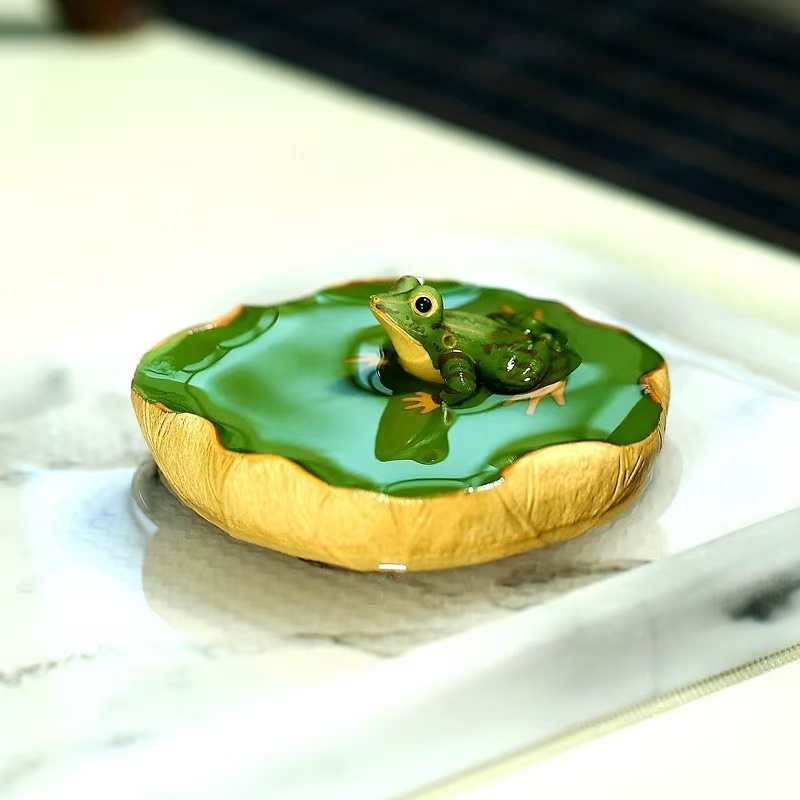
We met Zhang, a tea pet designer, at a local pottery workshop. He was excited to show the reporter his new creation — a small frog tea pet, specially designed for a specific teacup. “This tea pet matches the shape of the bottom of the cup perfectly, and usually, it can perch near the handle of the cup, accompanying it like a guardian. When you pour hot tea over it, it will change colour, slowly turning from vermilion red to light green, and it feels as if it has been nourished by life as if the tea pet has come to life.” Zhang introduced. “I want to make the relationship between the tea pet and the teacup closer in this way, and also let people feel the fun of tea culture.”
In today’s fast-paced life, tea pets and tea cups together build a peaceful spiritual corner. To understand the experience of tea pets and tea cups, I interviewed a senior tea lover, Li. On her tea table is a small turtle tea pet that matches her favourite Zisha(Chinese purple clay) teacup. “Every time I make tea, I will first use hot water to ‘wake it up’, and seeing it become brightly coloured always makes me feel very healed.” Li said. “It is not only a piece of art, but also like an old friend who sips tea with me. Especially when it is placed with the cups, the sense of harmony is especially soothing.” Li also mentioned that this tea pet design makes her and her friends have more fun interacting with each other. “When my friends see my tea pets, they all think it’s very interesting and the tea party becomes more lively. We will also compare whose tea pet is cuter.”
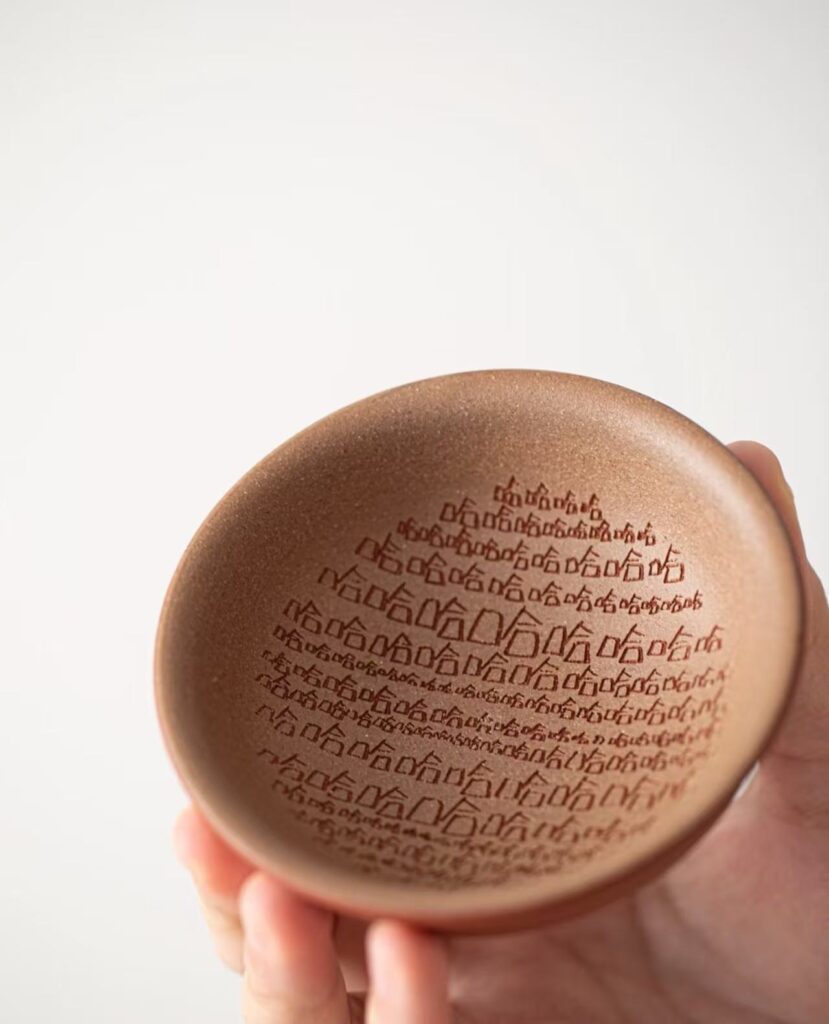
For the combination of tea pets and tea cups, the industry is generally positive. Professor Wang said that this is not only the craft of innovation, but also reflects the depth of the combination of tea culture and aesthetics of life. “While most traditional tea pets are stand-alone ornaments, this design of incorporating tea cups is more in line with the aesthetics and usage habits of modern people. It not only adds artistic value but also enhances practicality. It is foreseeable that this innovation will set off a new craze among young people.”
The relationship between tea pets and teacups not only reflects the deep heritage of tea culture but also the inheritance and innovation of traditional culture by modern people. On the tea table, they are a combination of quietness and practicality; in life, they are a bridge between human and nature. Whether it is the quiet guardian of the tea pet, or carrying the teacups, they are in a tea event, and bringing the resonance of culture and inner peace.
Would you like to choose a ‘guardian’ for your tea cup? Perhaps the next popular tea pet will be born on your tea table.