
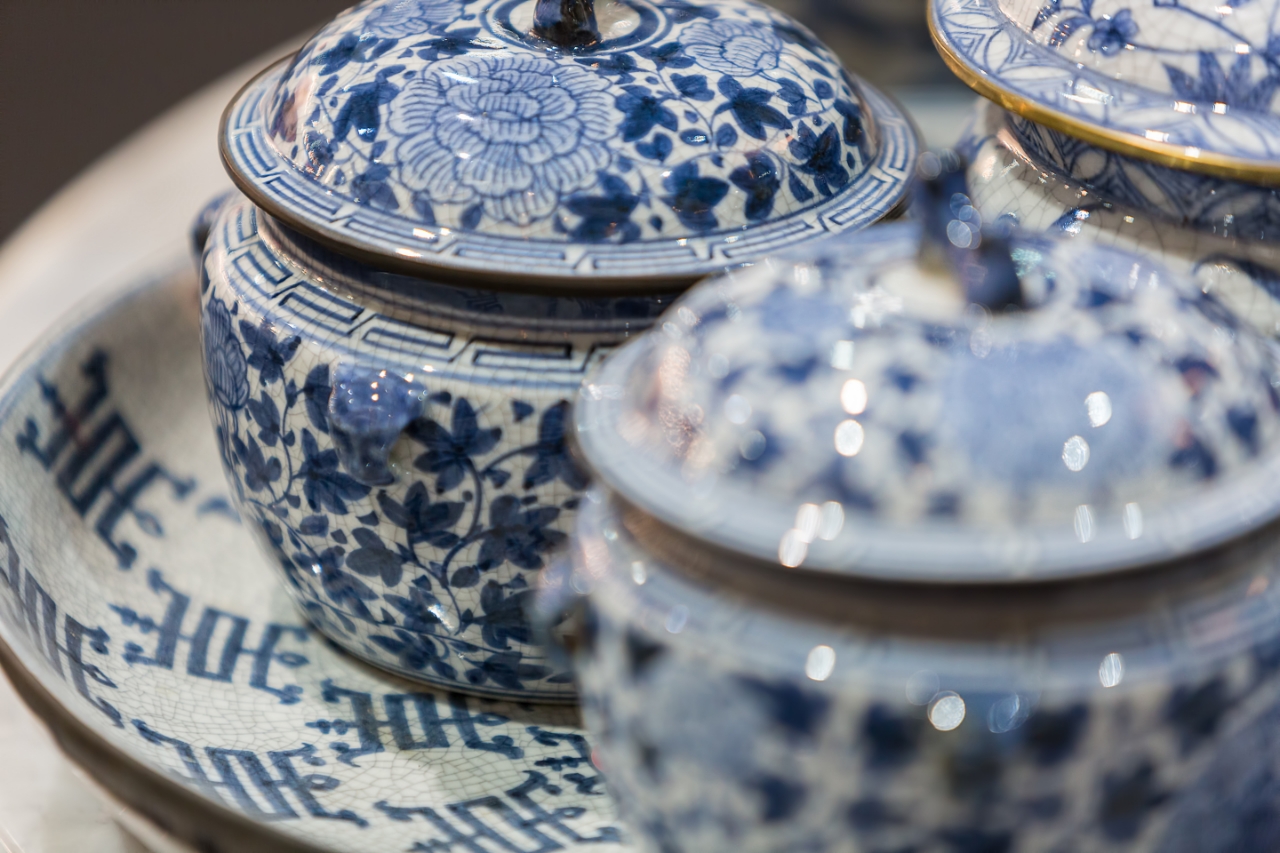
Beilin Feng visited Jingdezhen to experience the magic of porcelain cups — where centuries of craftsmanship turn every sip into a moment of artistry and elegance.
In December 2024, Louis Vuitton collaborated with He Xin, the manager of Shang Ci Guan Yao, to create a limited-edition tea set named “Gua Leng Doucai Xiangyun”. This refined collection of teacups is housed in Louis Vuitton’s signature Tea Caddy, which contains all the essential utensils for an elevated tea-tasting experience.
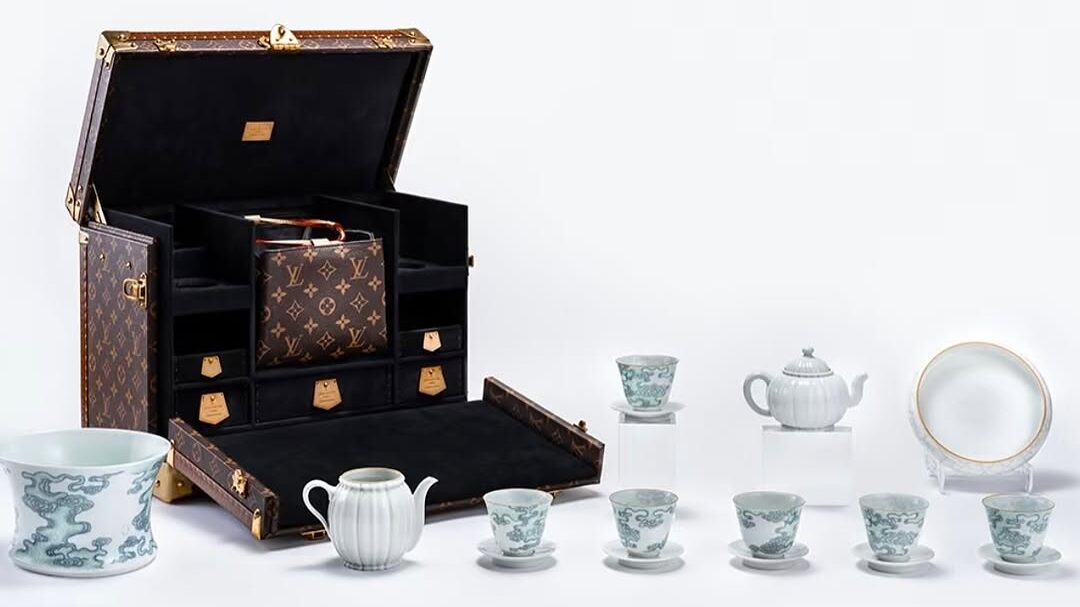
For Jingdezhen, a city long regarded as China’s Porcelain Capital, this partnership is a significant cultural milestone. The collaboration signifies that Jingdezhen porcelain is no longer just a national treasure but has been officially recognised by the global luxury market. As Zhipeng Tan, a National Intangible Cultural Heritage inheritor of Jingdezhen Porcelain Craftsmanship, explains: “Luxury brands are usually associated with top-notch craftsmanship, and this partnership is a great recognition of the value of Jingdezhen porcelain craftsmanship. It also represents the rise of China’s cultural soft power, drawing more global attention to our traditional craft.”
The Timeless Craft
Jingdezhen porcelain is the pinnacle of Chinese ceramic art and Jingdezhen is known as the “Porcelain Capital”. “Its history dates back to the Eastern Han Dynasty (25-220 AD), and by the Song Dynasty (960-1279), it had become the heart of China’s porcelain production. During the Yuan (1271-1368), Ming (1368-1644), and Qing Dynasties (1644-1912), it was home to the Royal Kiln, producing ceramics exclusively for the imperial family. Known for its craftsmanship and artistic excellence, it represents the pinnacle of Chinese ceramic art and is recognised as a national intangible cultural heritage.” Said Zhipeng Tan.
The Four Famous Porcelains of Jingdezhen
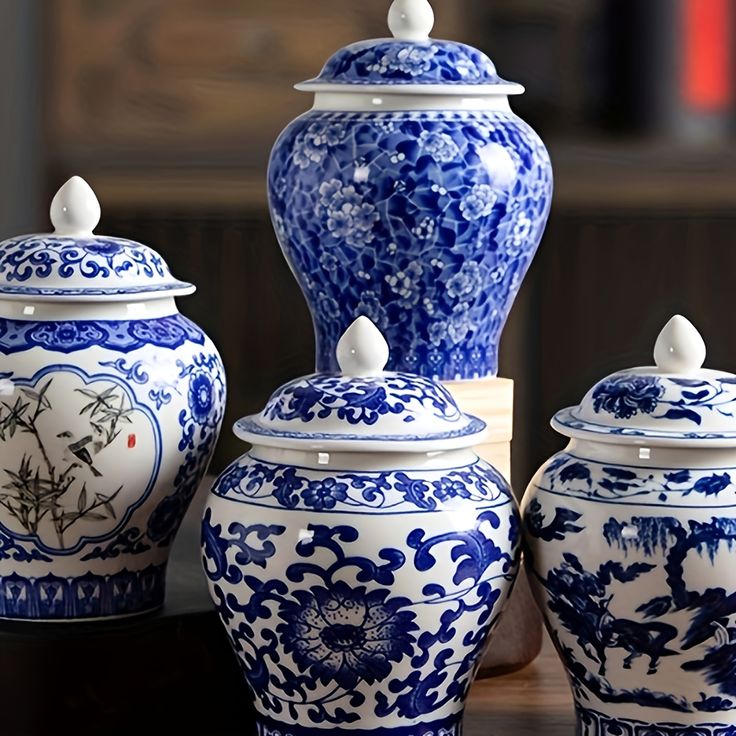
Blue-and-white porcelain — Featuring cobalt-blue designs under a transparent glaze, this is the most internationally renowned Jingdezhen porcelain style.
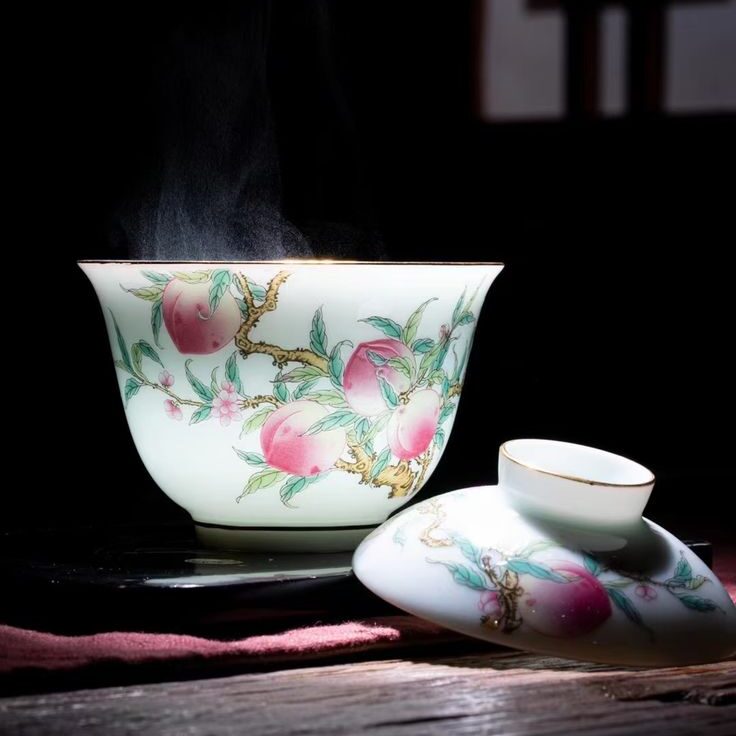
Famille rose porcelain — Originating in the Qing Dynasty, this over-glaze technique uses pastel pigments mixed with a milky-white enamel to create a soft, watercolour effect.
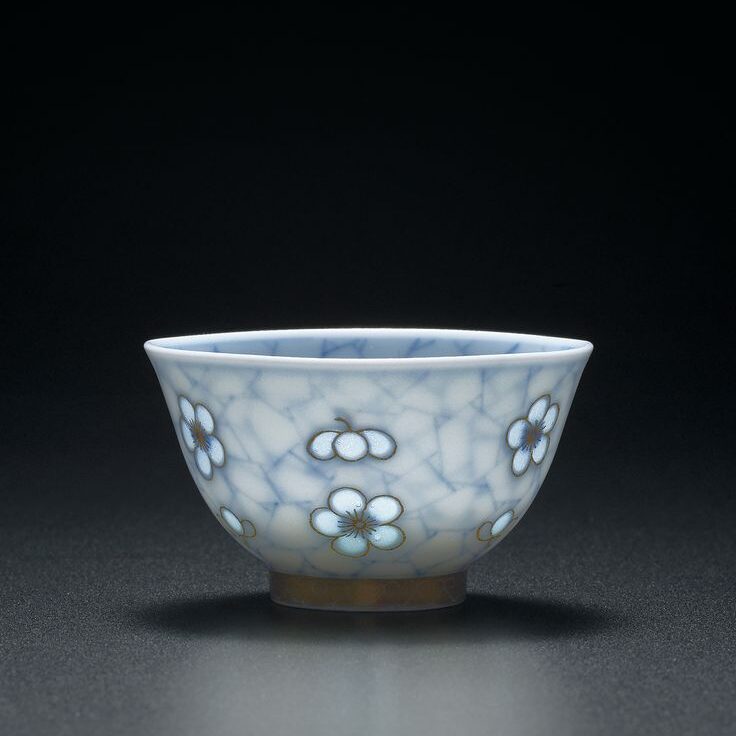
Rice-pattern porcelain — Known for its delicate hollowed-out “rice grain” patterns, which become translucent after glazing and firing.
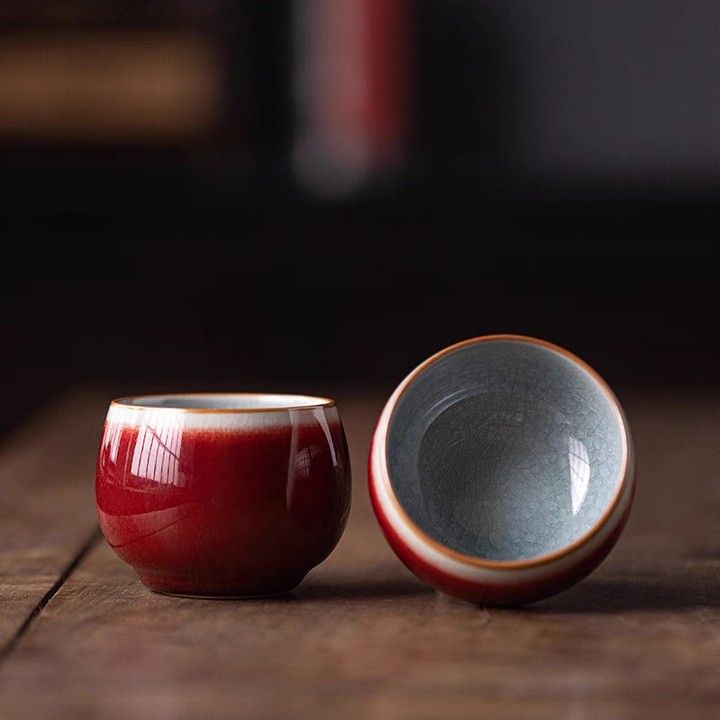
Coloured-glaze porcelain — Characterised by a single or multi-coloured glaze applied to the surface, creating vibrant hues such as red, blue, green, and purple, with some variations achieving unique kiln transformations.
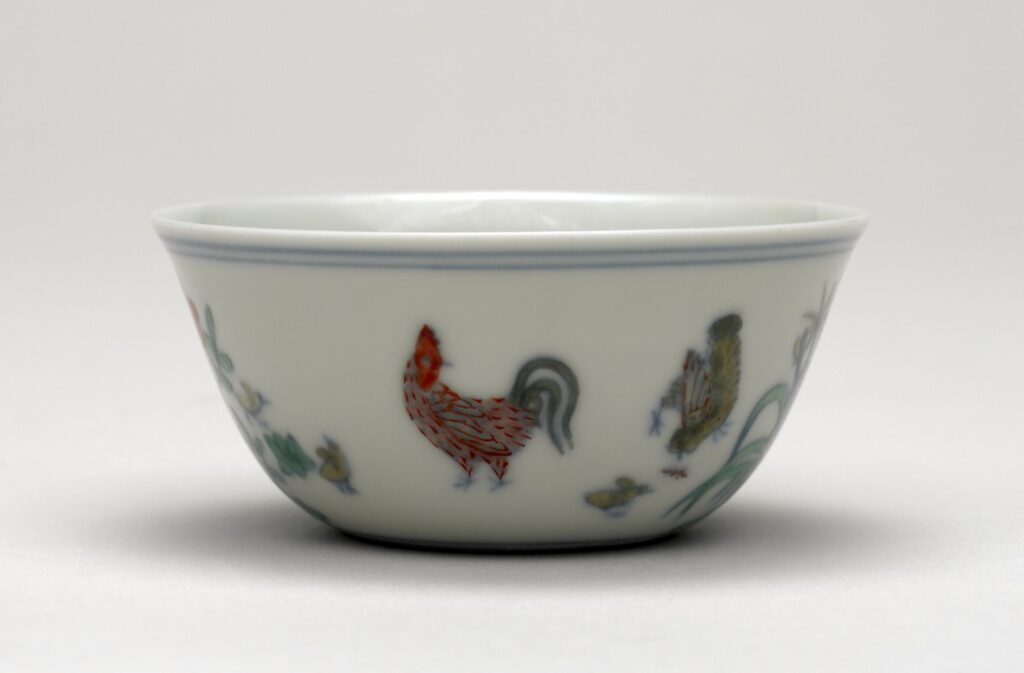
“The most famous one is blue-and-white porcelain.” Says Zhipeng. “For example, the Ming Chenghua Doucai ‘Chicken Cup’ was extremely well-known in past auctions, which fetched ¥280 million (around £2.98 million). Blue-and-white porcelain also enjoys the highest international recognition among all Chinese porcelains, as it was exported to the United Kingdom and Europe via the Maritime Silk Road. Many collectors are very fond of collecting blue-and-white porcelain.”
Juxian Yu, a 61-year-old craftswoman at the Jingdezhen Ancient Kiln Folk Customs Museum, elaborates on the other styles: “Famille rose porcelain belongs to our over-glaze decoration technique. It was an important innovation in the Qing Dynasty, probably reaching its peak in the Yongzheng era. The pastel pigments, mixed with a special ‘glass white’, create a soft, watercolour-like effect. Then, rice-pattern porcelain is known for its intricate hollow designs, which become translucent when a transparent glaze is applied. Finally, coloured-glaze porcelain was a special court porcelain during the Qing Dynasty, it originally exclusive to the royal court, especially during the Ming and Qing dynasties. It was crafted in the imperial kilns using carefully controlled firing techniques to achieve stunning hues like sacrificial red, sky blue, and peacock green. Back then, only the emperor and nobility could enjoy these exquisite pieces. Over time, however, the craftsmanship spread, and now you can find beautiful examples in museums and private collections worldwide.”
The Porcelain Alchemy
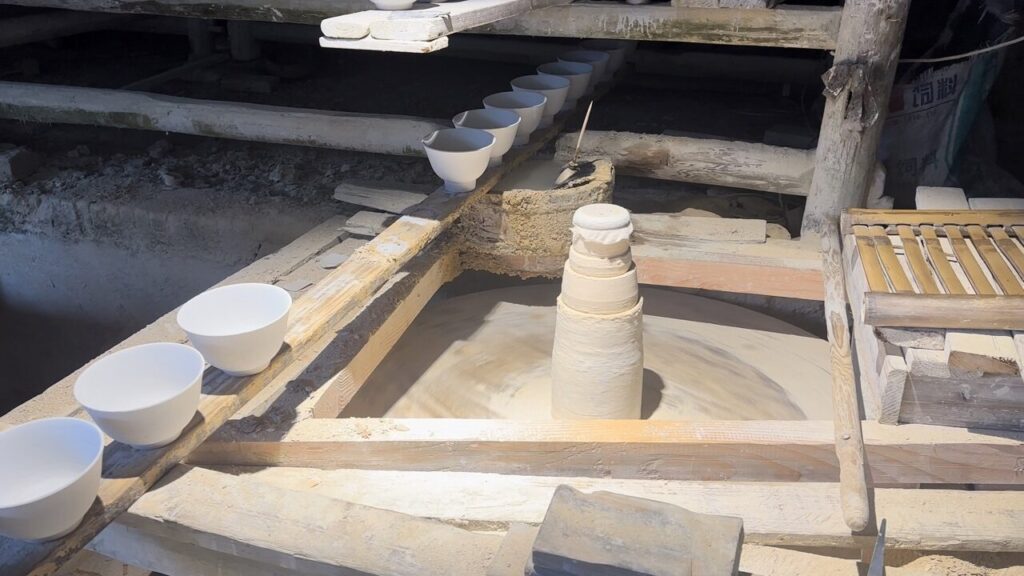
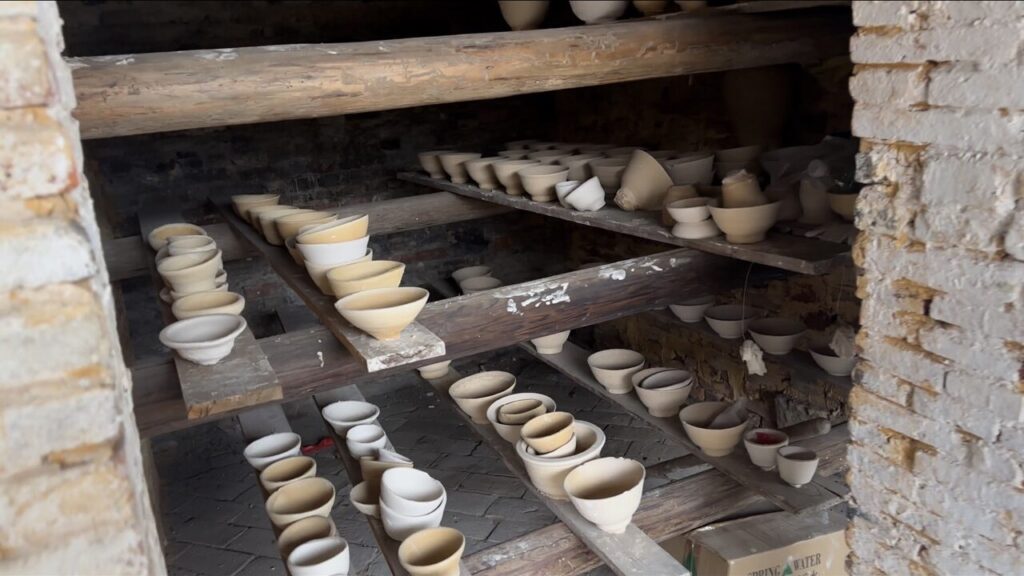
According to Shuyong Wu, another craftsman who works in Jingdezhen Ancient Kiln. Folk Customs Museum, the production process can be divided into three major steps: the production of bisque porcelain, decoration process and firing. Porcelain production includes throwing, moulding, trimming, painting or decoration, footing, of which the throwing, moulding, and trimming belongs to the production of the bisque porcelain.
“In fact, making bisque porcelain is quite similar to pottery, which everyone may know more about.” Says Wu. “The key difference lies in the details. For instance, we use kaolin clay, which has a lower iron content and turns white after firing, while pottery clay contains more iron and appears darker. Another major difference is the firing process. Porcelain generally requires two firings: the first to create the bisque porcelain and the second, called glaze-firing, where the glazed surface is fired again.”
“The techniques in porcelain production are too many. Just talking about the decorative process, there will be seven or eight major classifications, and there are still many different sub-techniques below each classification. Our division of labour is particularly clear—each craftsman usually specialises in only one technique, with the intention of being less but more precise, and practising one technique to the point of perfection.” Says Juxian. “I started learning the blue and white porcelain technique in 1979 and then learnt the over-glaze decoration technique from my father.”
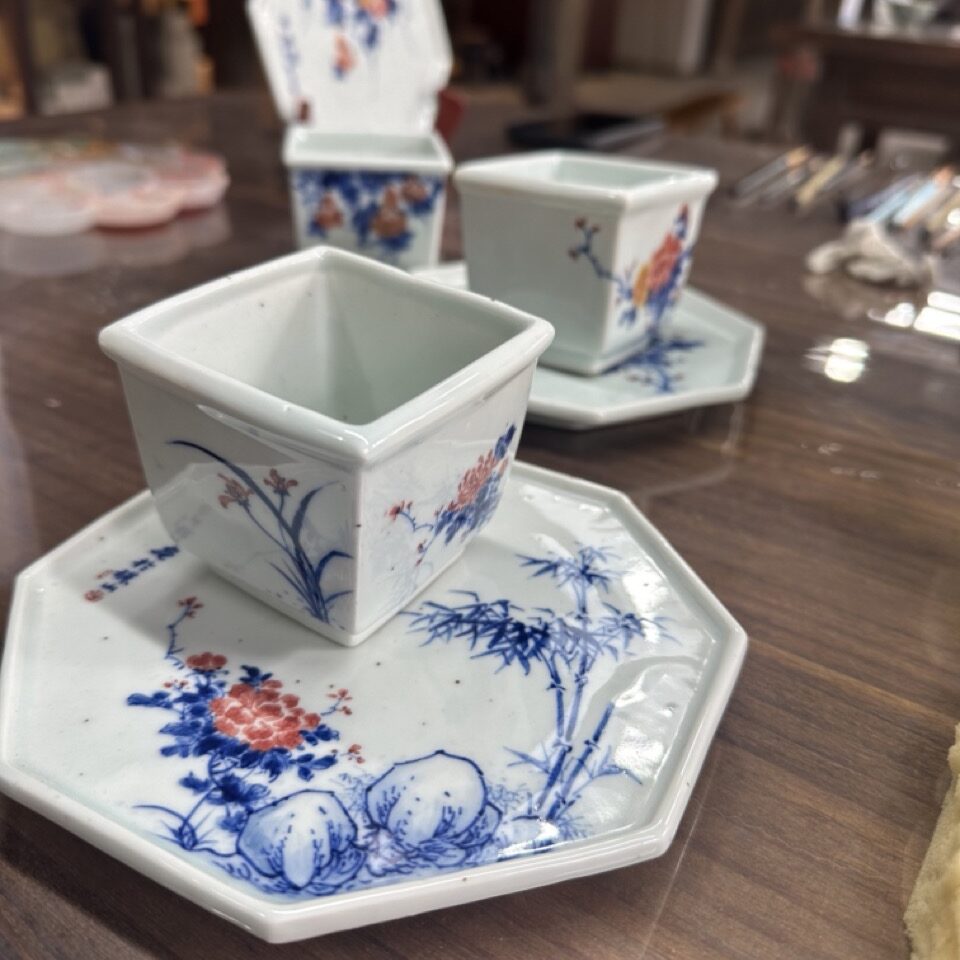
Over-glaze decoration is a technique, which is widely used in the four famous porcelain powdered porcelains, that involves painting on top of the already-fired white porcelain glaze and then a second paper firing at a lower temperature (800-900 degrees Celsius).
“The richness of colours and the layering of colours on the glaze allows for this painting effect to be extreme, so we can paint all kinds of different pictures on the white porcelain glaze to give this porcelain cup different meanings.” Juxian says. “For example, on this set of cups, which have just been fired, I have painted peonies and bamboo. Peony is the king of flowers, signifying wealth and prosperity, while bamboo represents ‘rising high’ and resilience. Together, these two things symbolise wealth and prosperity, which makes them particularly suitable as gifts.”
Tradition Meets Challenge
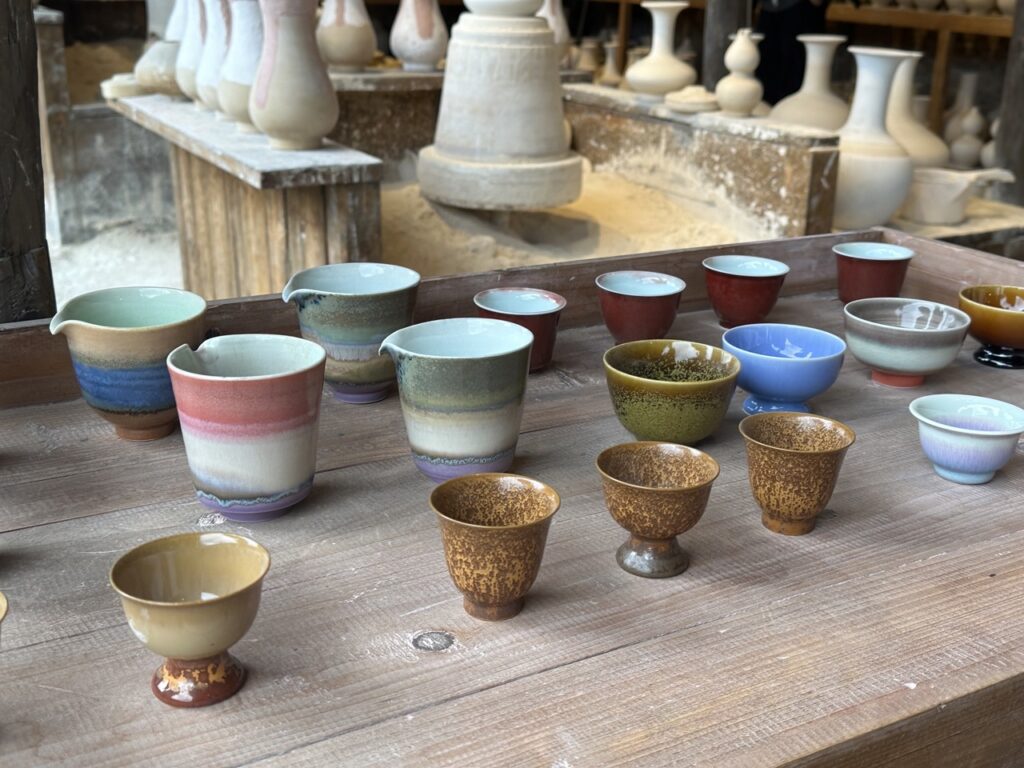
Despite the prestige of Jingdezhen porcelain, many artisans still struggle to make a living. “Most of our buyers are tourists who don’t really understand the craftsmanship involved, so we usually just charge a handmade fee.” Says Qinyang Hong, a porcelain craftswoman from Xujiayao.
Qinyang has been in the business for seven or eight years, carving porcelain cups in Xujiayao almost every day with passion. From tiny teacups to grand wine glasses, she carves every piece with dedication. “I put my heart into every cup.” She says. “I love carving traditional Chinese patterns like dragons, phoenixes, flowers, and birds. When you see the final product, it almost looks alive.”
“Jingdezhen’s porcelain is already well-known, but as artisans, we still prefer these techniques to be noticed and remembered so that they won’t be lost. ”She adds. “But it’s also already very gratifying to be able to sell my carved porcelain cups every day to tourists who appreciate it.”
A Living Legacy
From the hands of dedicated artisans, each piece of Jingdezhen porcelain carries centuries of heritage. The intricate craftsmanship behind every cup reflects generations of tradition and artistic excellence. With high-profile collaborations like the Louis Vuitton tea set, this ancient art form is gaining fresh recognition in the global luxury market.
At a recent cultural event, Xuemei Hu, Party Chief of Jingdezhen, shared her vision for the city’s future: “In the past, Jingdezhen porcelain travelled across the ocean via the Maritime Silk Road. In the future, we will continue to tell China’s story with all our heart, using the lowercase ‘china’ (porcelain) to tell the story of a capital ‘China’ with confidence. We strive to make the ‘Millennium Porcelain Capital’ shine even brighter.”
With this resurgence in global interest, Jingdezhen porcelain is no longer just an artifact of history — it is a cultural bridge between past and present, tradition and modernity, China and the world.