
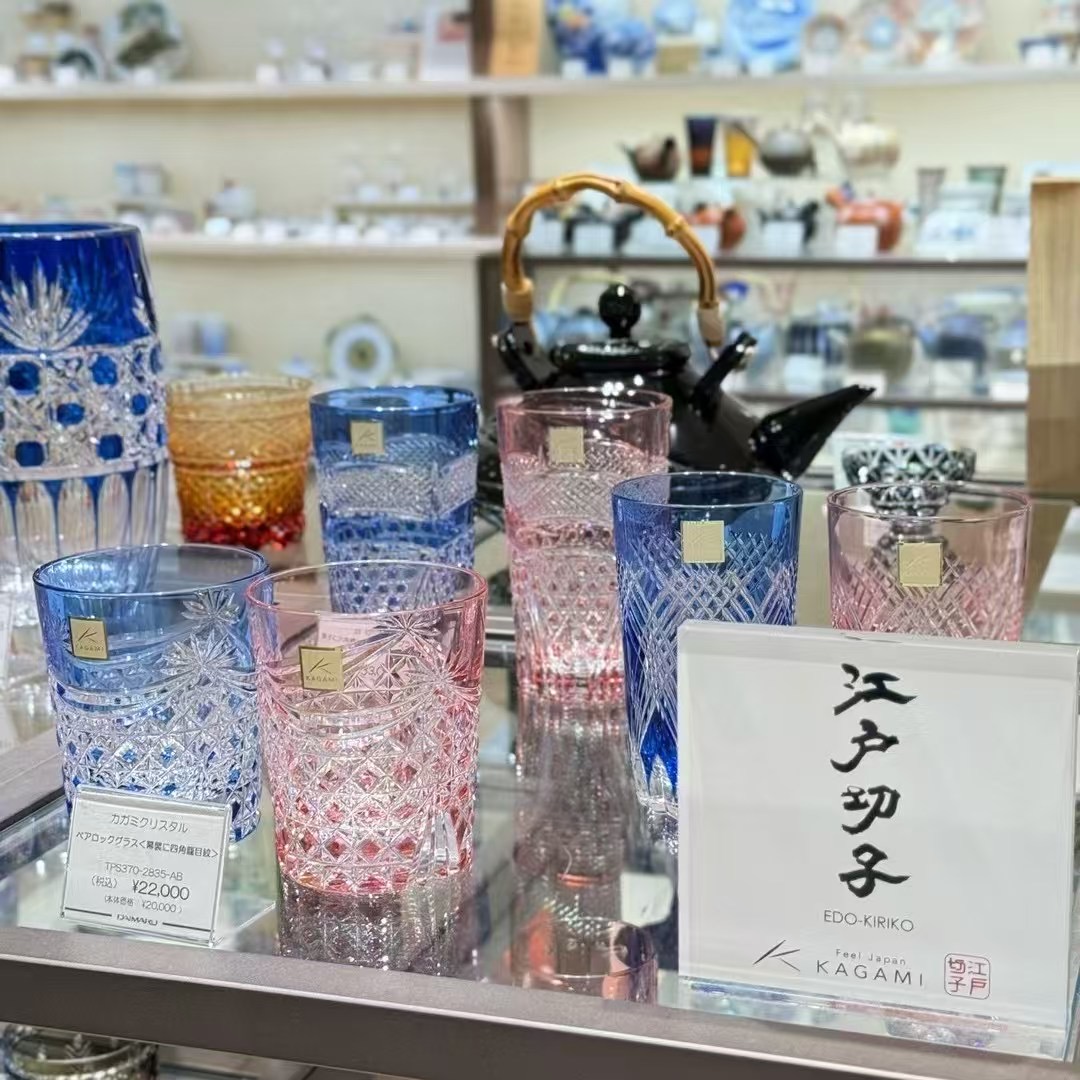
Zeling Qian discovers a Japanese brand, Kagami, and shows the pursuit of the “perfect cup” is not only about functionality but also about history, craftsmanship, and the highly collectible.
The story of Edo Kiriko originates from a samurai named Kato Kiyomasa in the Edo period. Kato was wounded in a battle and was sent to a glass factory for treatment. There, he was deeply moved by the artisans’ skill in making glassware. He decided to bring this skill back to his hometown and started his own glassmaking business. His work was appreciated for its beautiful cuts and transparent texture and gradually developed into Edo Kiriko, a unique glass craft.
Kozo Kagami, the founder of Kagami, travelled to Germany in 1927 to study crystal glassmaking, then returned to Japan in 1930 to begin making glass products. In 1934, he established Kagami Crystal, the first professional crystal glass factory in Japan, and has been widely recognised as a supplier of cups for the Imperial Household and diplomatic occasions.
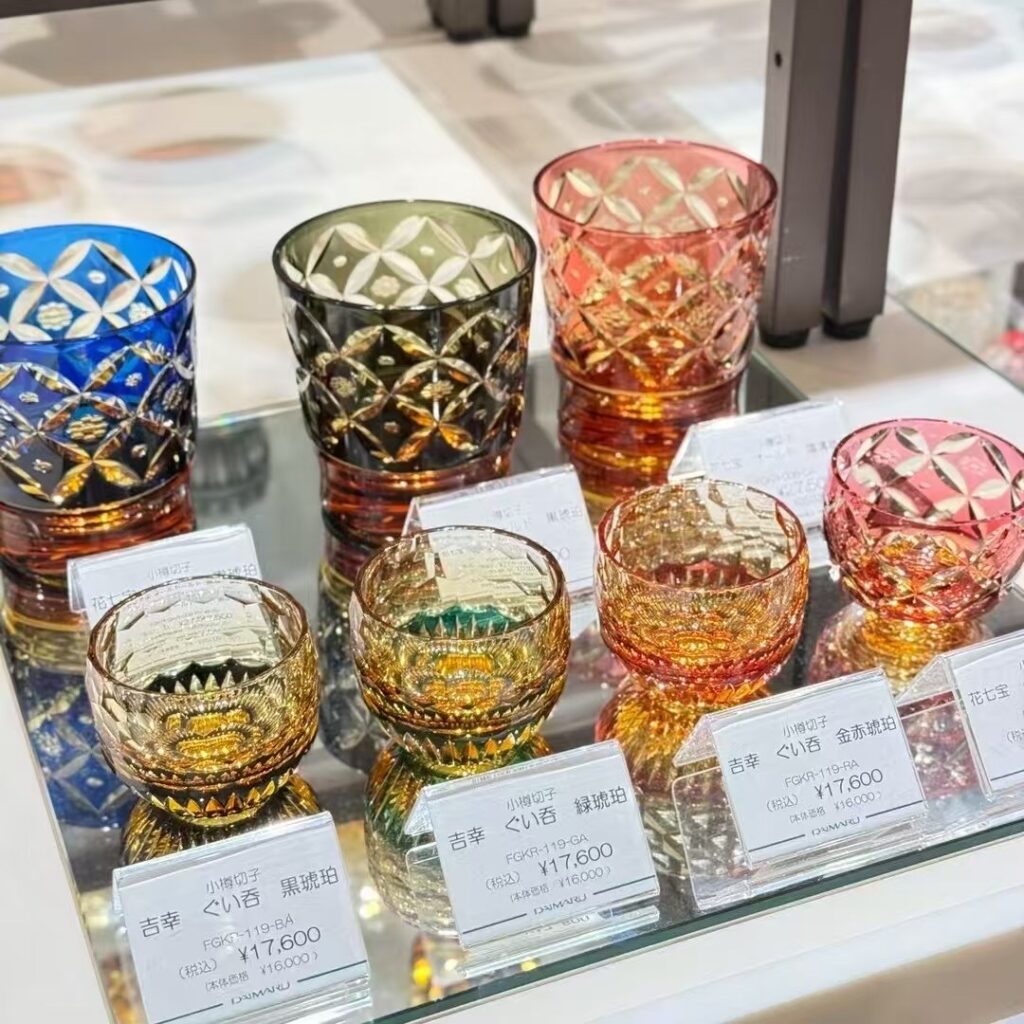
“Kiriko” refers to the process of cutting into the surface of glassware, usually with a metal sanding disc or grinding stone, to create geometric patterns and motifs. “Edo Kiriko” is a kind of glass craft produced in the Edo period (1603-1868) of Japan. Based on transparent glass, it is made into ornaments, utensils and works of art with various patterns and designs by cutting, carving, frosting and other techniques, which require great skill and patience. The circular pattern of this glaze appearing as jewels when illuminated by light, and the special craftsmanship, are as delicate as that of a manhwa mirror. The glassware is characterised by bright colours, smooth lines, fine cutting, glossy transparency and exquisite patterns and is often used to make everyday items such as wine glasses, known as glass art.
Edo Kiriko was originally made from transparent crystal glass, which was finely crafted using rods and adamantine cutters, and the fineness of the craftsmanship required the skill of the craftsmen to grind it bit by bit. The ware became one of the most representative folk arts in Japan, as both the technique and the art.
The craftspeople at Kagami have developed this art to produce new design combinations to the traditional kiriko pattern, with common motifs such as geometric shapes, flowers, and Japanese tattoos. Handmade by professional craftsmen, they feature hand-blown natural textures and bubbles, soft colours and unique crafted textures. Like a flower with a different world, Satoshi Nabatani’s Rock Lotus Yellow transcends the light of its elaborate design.
Seen from the side, the glass features delicate thin lines and bold teardrop cuts. When exposed to light, it radiates a magnificent glow. However, when you look down from above, you see a giant lotus flower with petals unfolding from the bottom.
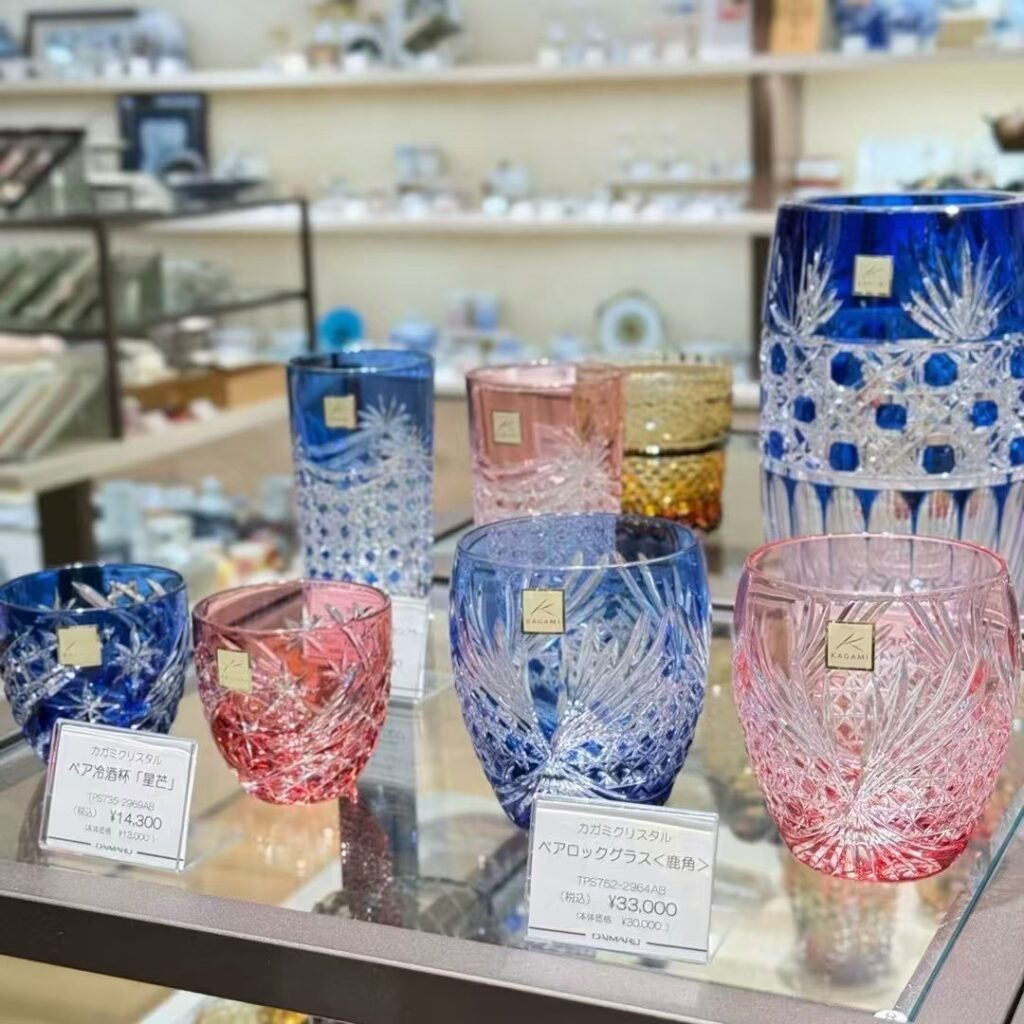
A master of traditional craft, Mr Satoshi says: “This shape is the most beautiful of all the combinations of Edo Kiriko patterns.” It has carefully designed the cutouts so that the light looks the most beautiful. The soft yellow colour of the glass adds to its charm as it takes on a golden hue in the light. The smooth, polished cut sections reflect the light and create a masterpiece that you will never tire of looking at.
Lotus Flower was also very particular about the shape of the glass, choosing a rare dome-shaped glass from Edo Kiriko to create the most beautiful design and light when viewed from above. The soft, curved shape fits snugly in the palm of your hand for a comfortable drinking experience.
The company is particularly famous for its whisky glasses, with a number of designs in their current collection. The body of the glass reflects light through boldly cut thick crystal glass. This deep cut makes the glass more comfortable to hold, and the heavy crystal not only captures amazing light but also provides tactile pleasure and enhances the drinking experience.
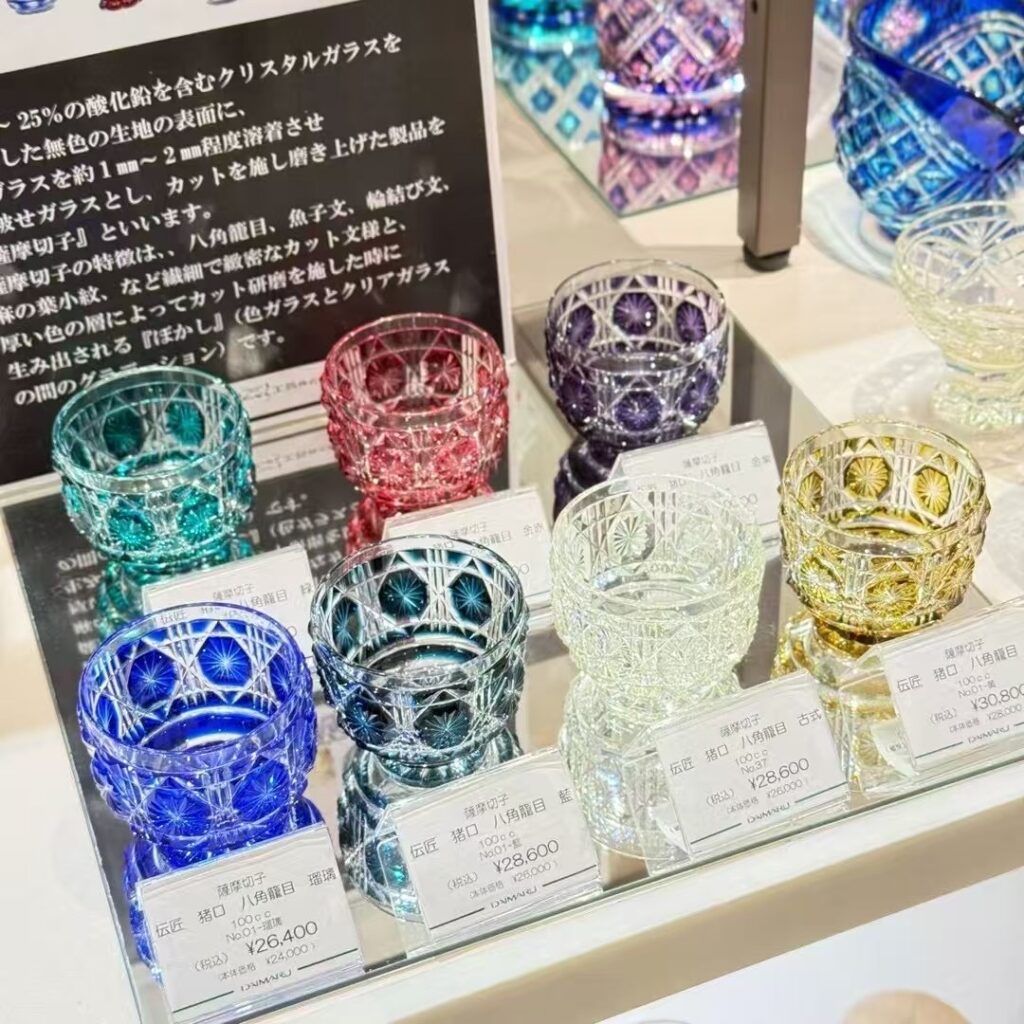
Each side of the glass is carefully crafted to enhance the aroma and rich tones of the whisky. The crystal-clear glass gives the spirits a true glow, making each drink a visual pleasure as well as a sensory delight.
For whisky lovers, this glass is an indispensable treasure. It not only enhances the ritual sense of tasting but also shows the colour and aroma of whisky, which is the kind of ultra-transparent crystal glasswork that Kagami has been working on for 90 years, allowing people to taste while feeling the perfect integration of art and life.