
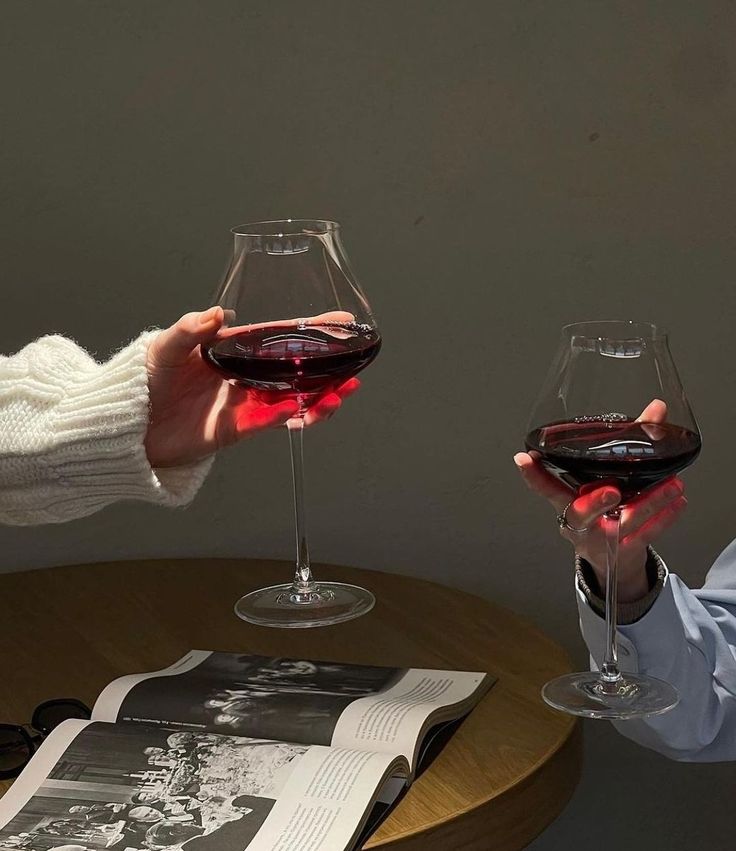
Zeling Qian explores that the wine glass has a significant impact on wine tasting, affecting the colour, aroma and drinking experience. Different types of wines can be enjoyed in different glasses, so how should wine and wine glasses be paired? A guide is given below for your reference.
1) Bordeaux Red Wine Glass – Ideal for Bold Reds
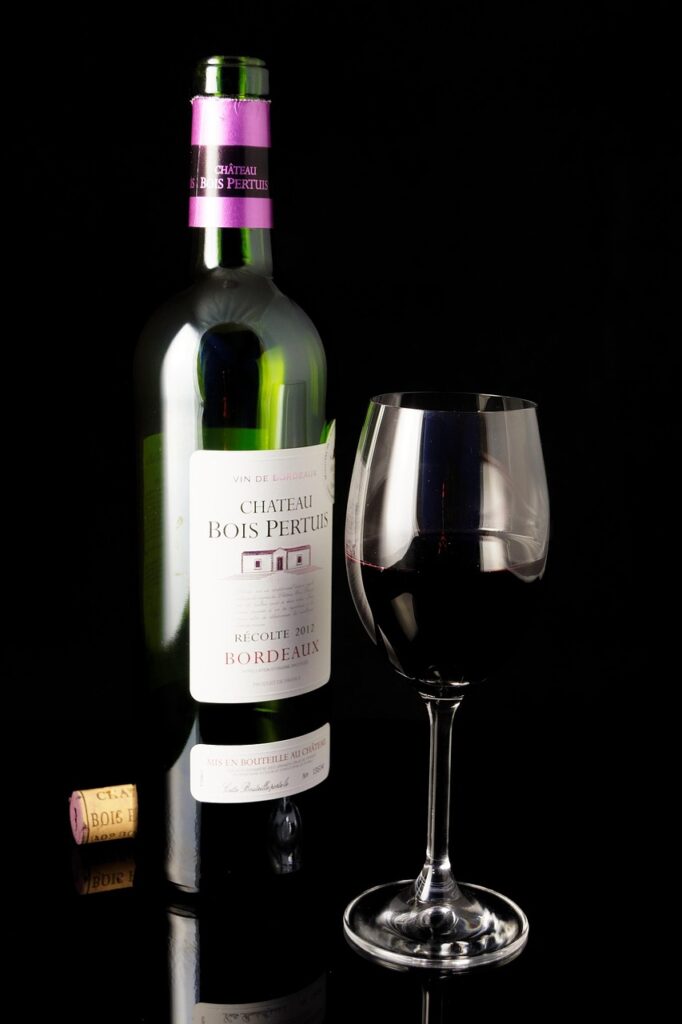
Because Bordeaux red wines are more acidic and astringent, it is required to be a tulip-shaped glass with a long body and a less vertical wall, which can retain most of the aroma of the wine with a smaller taper of the mouth so that there is sufficient surface area for the wine to come into contact with oxygen when the glass is shaken to release the aroma. The curvature of the wall moderates the spread of the wine in the mouth, and the wider mouth allows the drinker to better appreciate the gradual aromas of Bordeaux made from a variety of wines. The wine comes into direct contact with the middle and back of the tongue, emphasising the bitterness and astringency while achieving a good balance of sweetness and acidity.
2) Red Burgundy Wine Glass – For Elegant, Fruity Reds
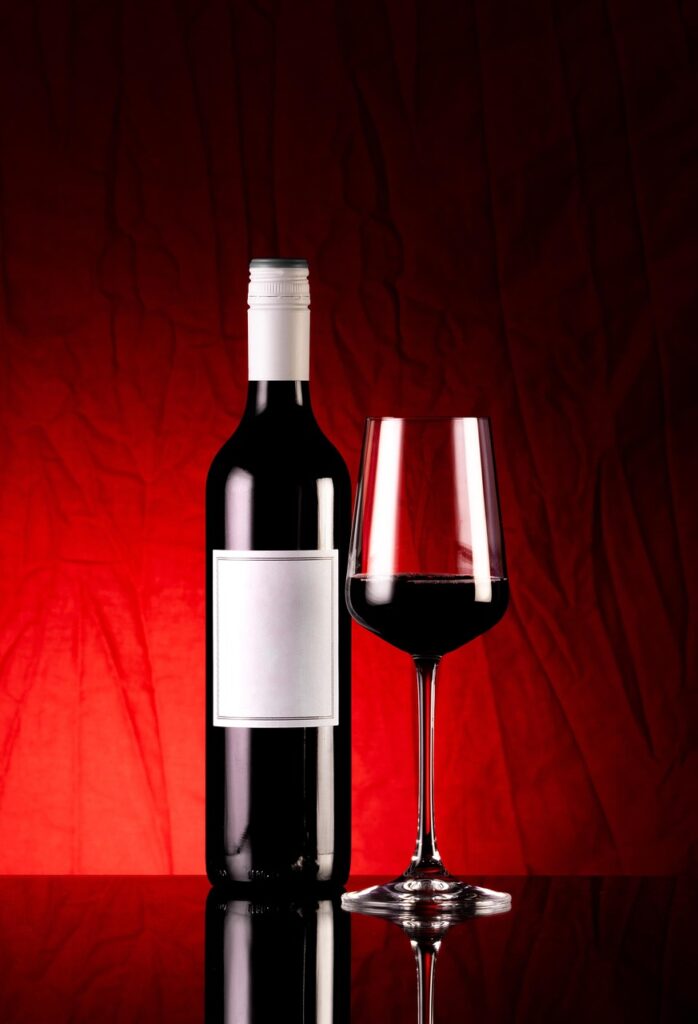
Red Burgundy is less bitter, lighter-bodied, and fruitier. It comes in a shorter, larger glass than Bordeaux. A spherical glass with a big belly allows the wine to flow onto the tongue before spreading out in all directions, thus guiding the drinker to slowly taste the subtle flavours of the wine with the tip of the tongue to achieve a full blend of fruity and acidic flavours, and the narrow mouth of the glass inwards allows for a better cohesion of the potential aromas of red Burgundy wine. The larger mouth of the glass is more suitable for sticking the nose in and smelling the aromas. Suitable for lighter, heavier wines like Pinot Noir.
3) White Wine Glass – Designed for Freshness
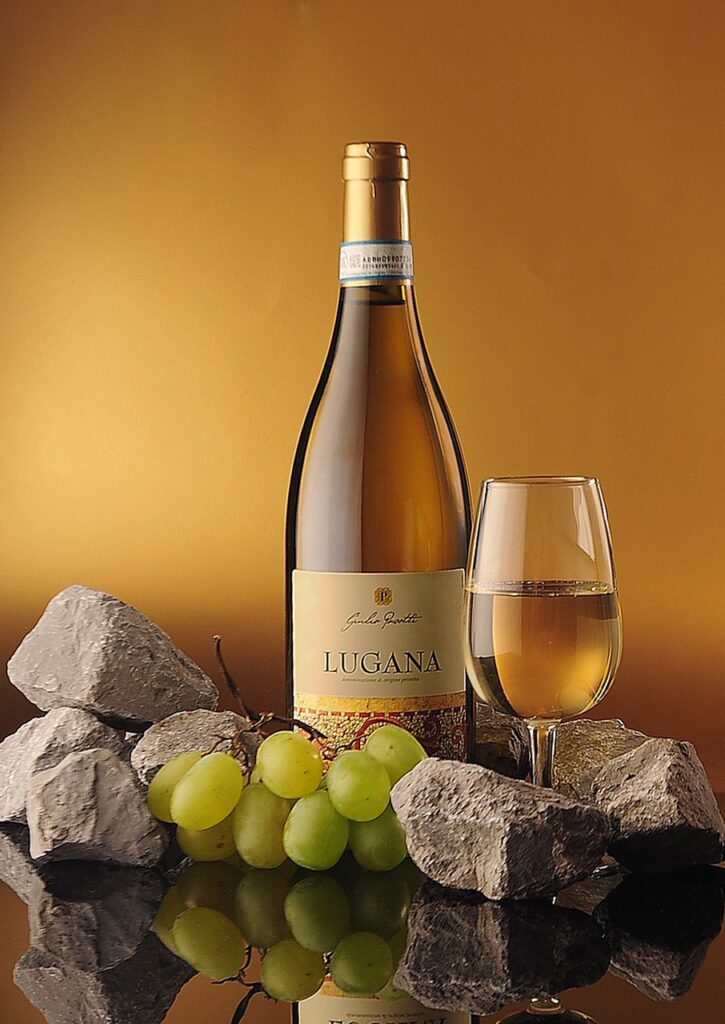
White wine glasses are more upright than red wine ones, with smaller glasses and lower heights, closer to a U-shaped straight body. For light-bodied white wines, which do not require much oxygen and whose highlights are subtle aromas, a glass with a small belly and mouth is preferred to keep the fresh, fruity flavours of the wine for a longer period. Smaller white wine glasses make it easier for people to drink the wine before it warms up. Mature white wines are richer and silkier, so the ideal glass is a straighter, taller type that pushes the wine to the back and sides of the tongue more quickly. White wine glasses also tend to have longer feet, which makes it easier for the taster to hold the foot of the glass rather than the body. Holding the foot of the glass minimises the amount of heat that is transferred to the wine as you drink it, which helps to keep the wine cooler for longer.
4) Sweet Wine Glass – Focusing on Acidity and Sweetness
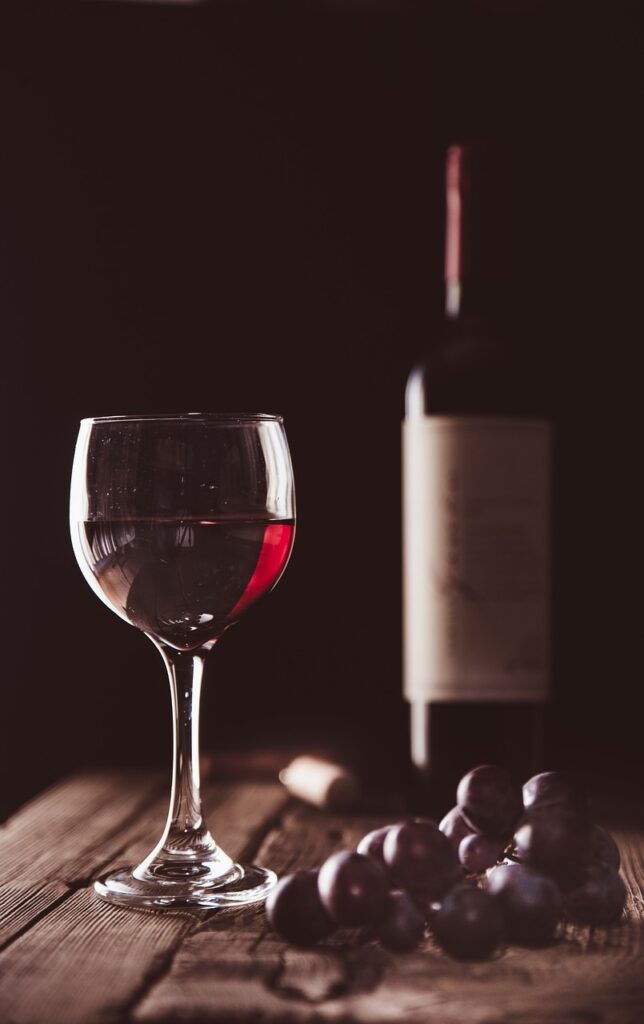
Sweet wine glasses are usually smaller, for better concentrating the aroma of the wine, allowing the taster to enjoy a variety of complex flavours. The design concept of the sweet wine glass is to highlight the acidity of the wine and achieve a balance between acidity and sweetness. In addition, the special cut design of the glass can also enhance the almond flavour typical in sweet wines.
5) ISO Standard Wine Tasting Glass – All-Purpose Glass
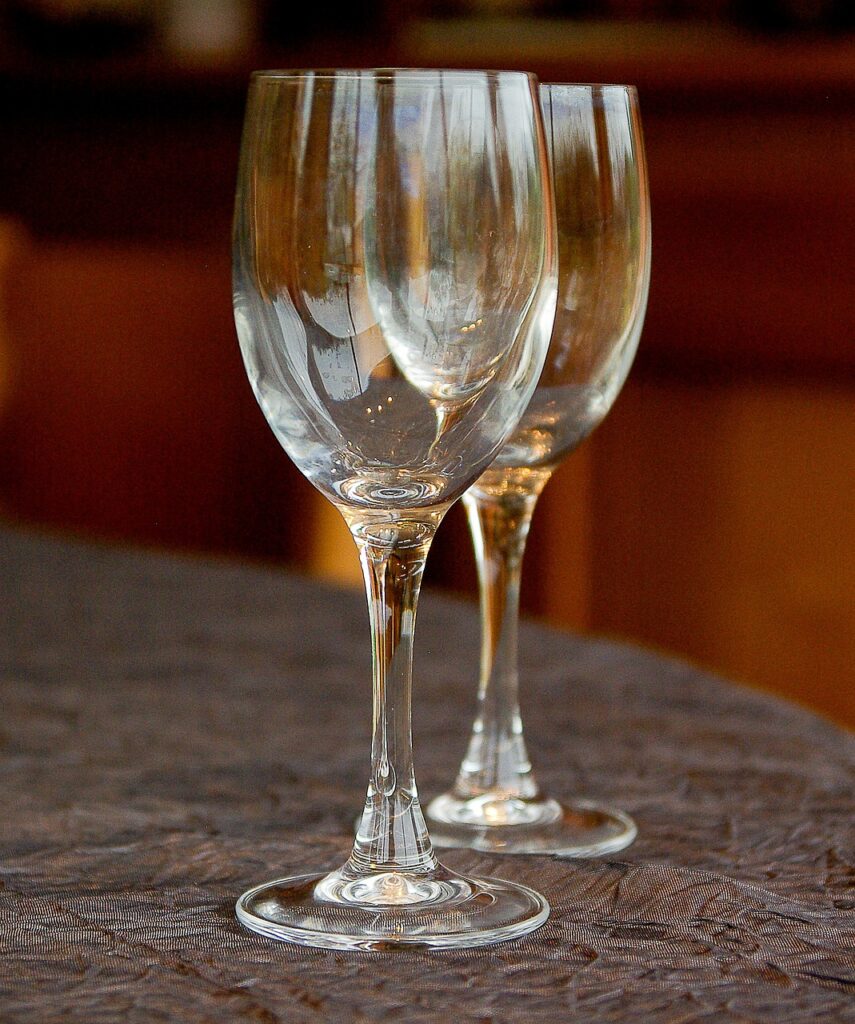
The ISO standard glass, known as the International Standard Tasting Glass, is used in international blind tasting competitions. It does not highlight any of the wine’s characteristics but shows the wine’s original flavours straight away. With a medium-sized belly and slightly constricted mouth, the ISO glass was designed to be suitable for use in all types of wine tasting, including red, white, and rosé, so it is versatile.
At the wine table, whether it is a reunion of old friends or a business banquet, there is always that crisp “cheers”.
“Wine has always played an important role in China’s long history. However, the act of cheering may stem from respect for gods and ancestors. People regarded wine as a sacred drink, and through cheers, they paid sincere respect to the gods and ancestors, praying for blessings. Over time, this expression of respect gradually evolved into a form of etiquette between people. In social situations, cheers became a way of respecting others and expressing friendship,” said Yimeng Wang, a wine lover.
Another interviewee named Diva shared her thoughts on how wine serves as a catalyst for emotional expression and connection.
“As far as I’m concerned, wine is not just a drink; it’s a catalyst for emotion. When people sit around and raise their glasses to cheers, at that moment all the words coalesce in the crisp clinking sound. Whether it is the joy of meeting again after a long time, the excitement of celebrating success, or an outpouring of sadness, wine can make people’s emotions flow out more sincerely.” Said Diva.
Diva further explained: “The sound made by the collision of wine glasses is like an invisible bridge that connects people’s hearts and brings them closer to each other. In this fast-paced modern society, people are often busy with work and life and rarely have time to stop and communicate with friends and family. And drinking wine provides a rare opportunity for people to let go of their fatigue and stress and enjoy the warmth of this emotional exchange.”