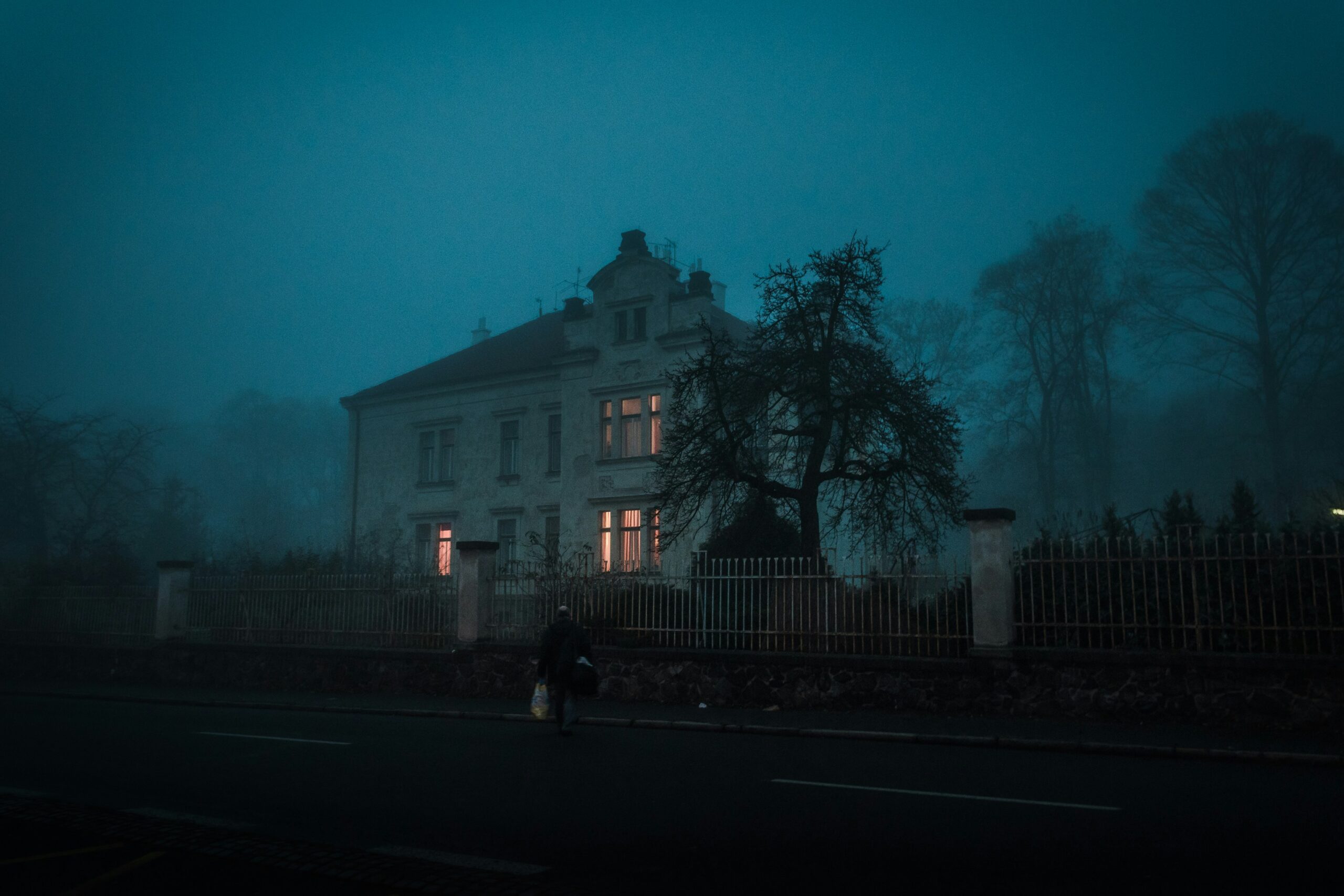
We love horror, but have we ever wondered why? What is it about this genre that is so captivating? To find out I decided to ask two horror authors.
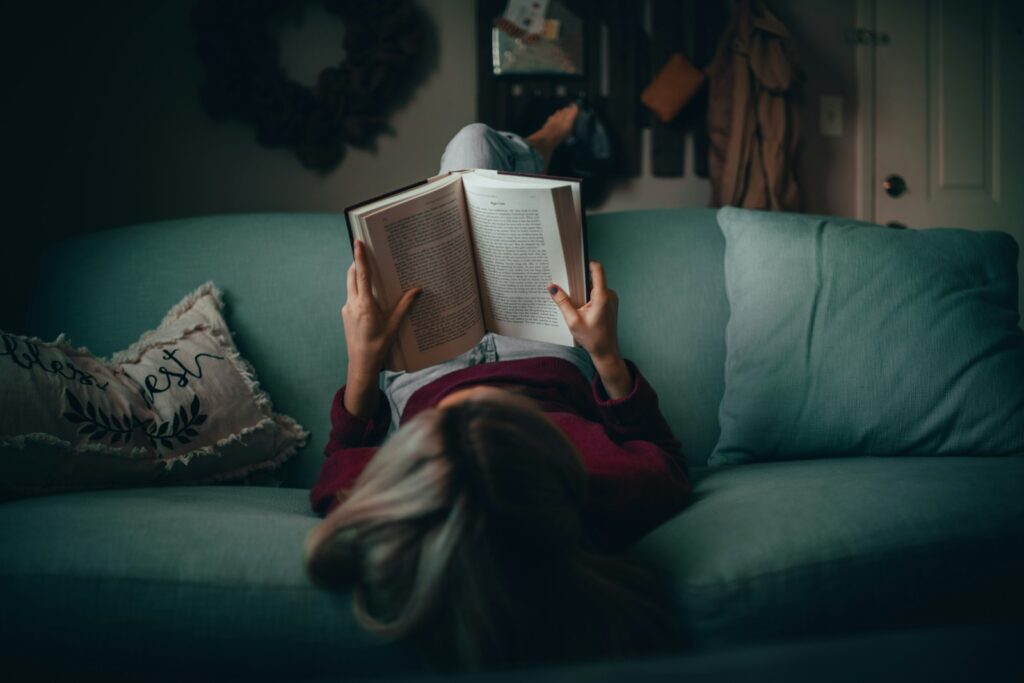
When I was younger, I was absolutely terrified of horror. If anyone suggested watching something even remotely creepy, I’d flat-out refuse. I even found E.T. so frightening that I cried myself to sleep for weeks after seeing it. But then, at a sleepover, I had no choice when the birthday girl insisted we watch The Conjuring. There is one scene where the mother walks down into the basement, playing a kind of hide-and-seek game with her children. She steps through a door, which slams shut behind her, and she’s left with nothing but the dim light of a match she’s managed to light. As the light from the match flickers, a pair of pale white hands suddenly appear next to her face, clapping once and extinguishing the flame, leaving her in complete darkness. That moment changed something for me. Instead of thinking, “Turn it off,” I thought, “This is great.”
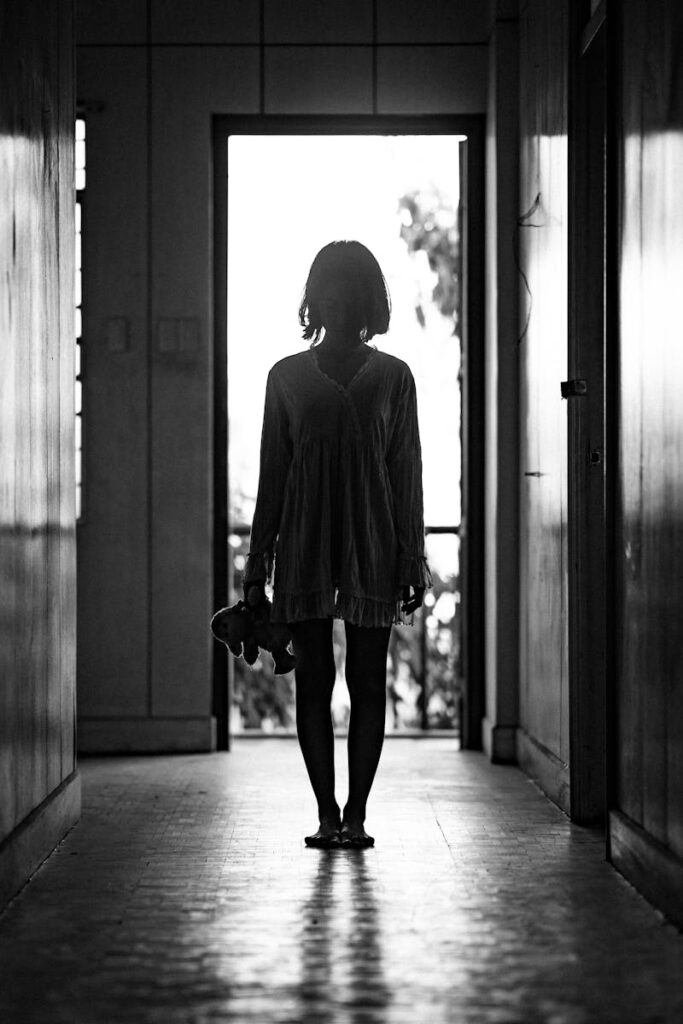
Since then, I’ve wondered why we love the horror genre so much. Isn’t horrible and scary something we would want to stay away from? The anxiety of not knowing what’s coming, what horrible fate is waiting around the corner? Why do we put our worst fears on display for enjoyment? Are we insane? Turns out we are not insane, actually, we are quite healthy. Did you know that when we are exposed to terrifying situations, like a demon possessing the main character, it gives us these negative feelings, which in turn can create a rise in the positive ones like joy and excitement? We tend to feel the most positive after something makes us feel the most negative.
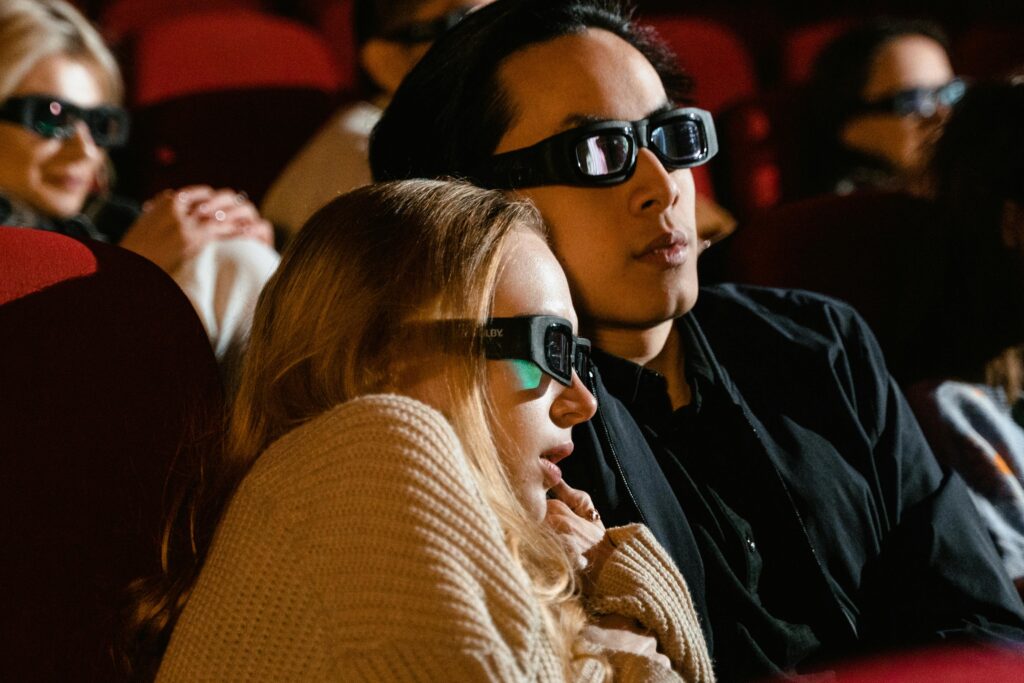
It also triggers our body’s fight-or-flight response, creating that adrenaline rush. Adrenaline increases our body’s heart and breathing rate. Horror is also a way to bond with people. If you’ve ever been to the cinema, coming out of a horror movie can make you feel closer to that person. Experiencing that high of adrenaline can add to the excitement we feel for someone else – maybe that will be an inspiration for your next first date.
But all this does not answer the question “Why do we like it?” I don’t know anyone who says they pick up a Stephen King book to trigger their fight or flight mode. Maybe it could be considered a weird addiction? To truly understand, we need to talk to someone who really knows what it is in these books and this genre that makes us so possessed…
Charlotte Cole is a London-based author in the female gothic genre. Later this year her debut novel, Babygirl, will be published. Babygirl is a story about a woman raising her niece alone in their family flat – she begins to see ghosts, whether real or imagined, and she starts leaning on them while learning what really happened to her family. “Horror for me has never been about jump scares, ghosts or axe murderers. I don’t subscribe to a lot of traditional reasons why someone might be obsessed with horror. What I am obsessed with is the reason why someone is seeing ghosts or why people believe in them. Generally, people are into romance as a genre because we are genetically wired to find connection, sex and love. I think it’s the same with horror. Fear is such a natural survival mechanism, and we are always on the lookout for danger, we crave it.”
This is also reflected in her way of creating horror. Her writing is contemporary, and she explains that instead of the enemy being an external thing like a monster – the antagonist in female gothic writing often tends to be heteronormativity or sexism – like motherhood, marriage, the home or heart.
Anna Bogutskaya is also a London-based horror writer and co-founder of the film collective ‘The Final Girls’. Her books Unlikeable Female Characters and Feeding the Monster explores the female interest in the horror genre. Anna thinks that horror films work as a safe space for us to explore deeply complicated sometimes dark or taboo emotions in a safe, controlled way. “Horror films are an extreme emotional playground, but one that we can venture into knowing that it’s just a movie, and we can always turn it off.”
In Anna’s work, she has explored a lot of themes in the horror genre. But one of her foundational memories is watching A Nightmare on Elm Street on a bootleg VHS tape with her cousin. “It left such a strong impression on me that I had nightmares for a month straight seeing Freddy Krueger everywhere. When the nightmares passed, I wanted more.” She is an avid consumer of horror, even outside of her job, and just loves the genre deeply – the infinite potential and the creativity of writers and filmmakers who produce and work in that space. She is constantly reading and watching horror films, listening to horror podcasts and discovering new voices.
“I think we have this desire to know what’s possible, even if it’s the worst-case scenario…”
Charlotte, too, has a memory of watching a horror film way too young. “For me, it was Silence of the Lambs, I was way too young and remember feeling desperate to know more. “Why does this guy want to eat people?” The idea that a person could have that level of danger inside of them really intrigued me.” Being a writer means she also spends a lot of her free, time-consuming horror content. “I appreciate the fact that there isn’t a boundary between surrealism and horror in contemporary literature anymore – that horror would be more commercial, and surrealism would be more literary.”
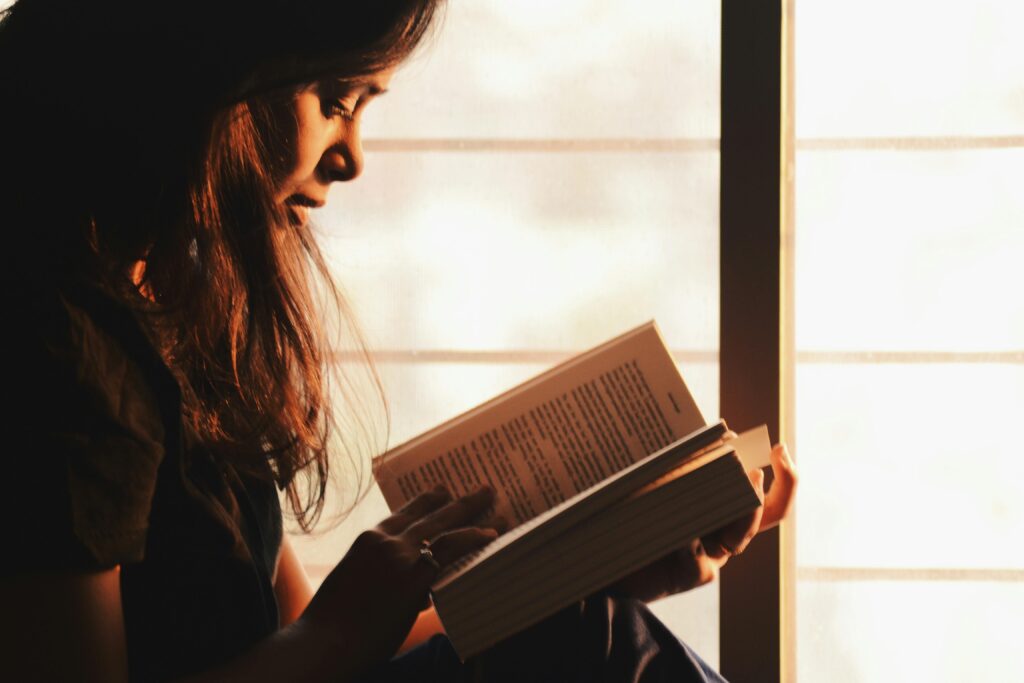
And it’s not easy being a female horror writer when the industry is so dominated by male horror interests. Charlotte believes that it is important that women write horror since we consume it differently.
“I think we have this desire to know what’s possible, even if it’s the worst-case scenario. It confirms our suspicions of our morbid curiosity. Also, when we look at the female gaze in horror, whether it’s female-directed or heavily influenced by the female narrative, so much of it is feminine. It’s like it’s oozing with oestrogen because it’s all about the body, childbirth and depression – everything that goes with this really feminine expression”
So why do we love horror? Maybe it’s because we’re wired for survival, always drawn to danger just enough to learn from it, to anticipate it. Maybe it’s because fear and excitement sit so close together in our brains that we can’t tell the difference. Or maybe it’s because, deep down, we know that horror – like love, desire and grief – is just another way to feel something fully. In the end, horror isn’t about ghosts or monsters. It’s about us. About what lingers in the shadows of our own minds, what we repress, what we crave. Searching out horror created by women for women.