
Director Rose Glass unpacks the psychological horror of Saint Maud, exploring faith, loneliness, and the fine line between devotion and delusion. In this exclusive SlashHer interview, she reveals the inspirations behind the film and her approach to crafting deeply unsettling yet empathetic characters.
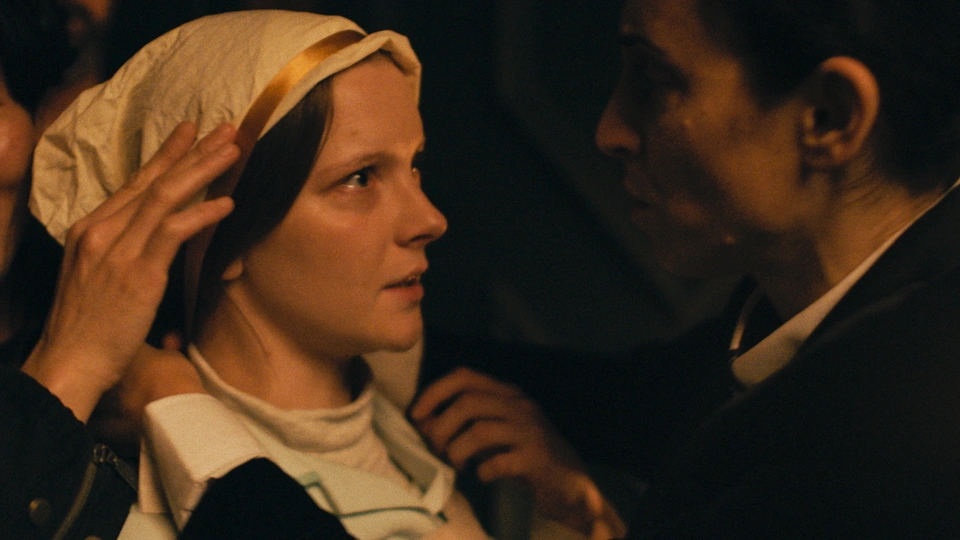
If you enjoy horror movies with oppressive atmospheres, psychological implications, and religious symbols, then this interview is definitely worth reading. Rose Glass joins in SlashHer and takes you to understand how devout nurse Maud gradually fell into religious fanaticism and mental disorder
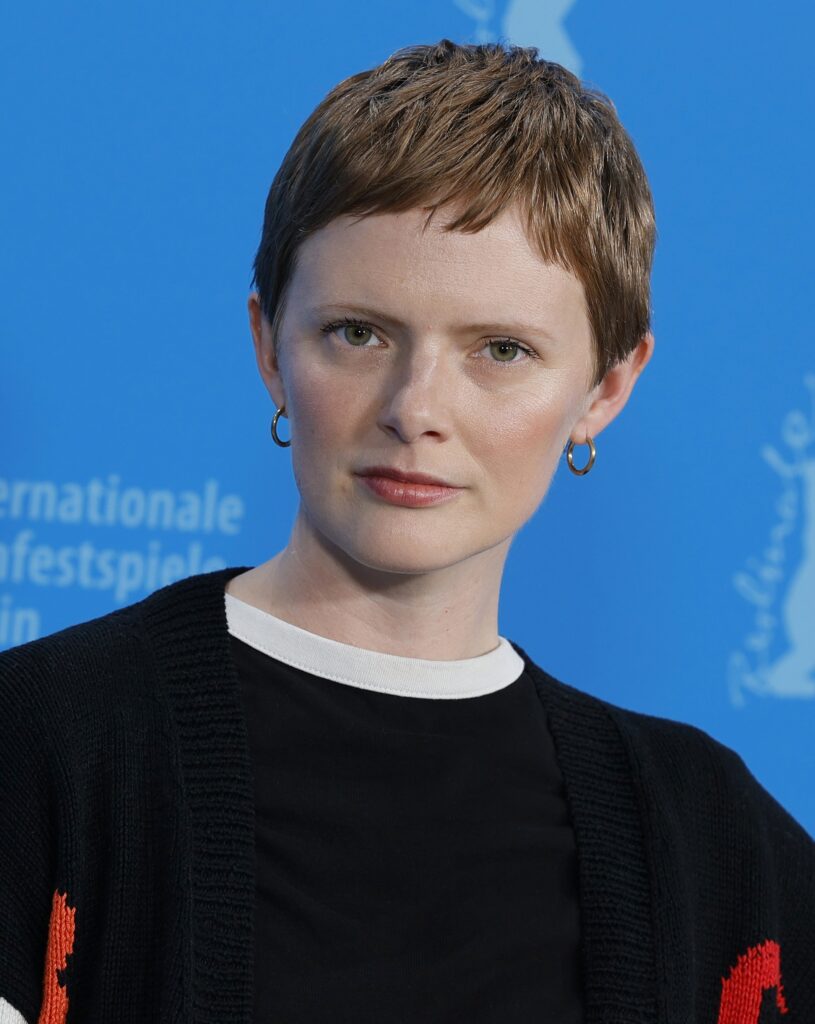
SlashHer: Hi, Rose, what was the inspiration behind Saint Maud?
Rose: The inspiration came from multiple directions, but the initial seed was rooted in my fascination with human loneliness and the search for self-redemption.
SlashHer: Why did you choose to explore themes of faith and psychological terror?
Rose: I’ve always been intrigued by the connection between extreme faith and an individual’s psychological state
SlashHer: How did you craft the complex character of Maud?
Rose: To me, Maud is more than just a character—she represents so many people in modern society who are struggling to find meaning. Her extreme faith and profound loneliness remind me of how we often try to fill an inner void, sometimes through religion, sometimes through other forms of belief or obsession.
“I made a conscious effort to avoid simplifying Maud into categories of “good” or “evil.” … I wanted audiences to feel both empathy and unease towards her.”
SlashHer: And what does she mean to you personally?
Rose: In shaping her character, I made a conscious effort to avoid simplifying her into categories of “good” or “evil.” She is a paradox—both vulnerable and dangerous, both in need of care and deeply unsettling. I wanted audiences to feel both empathy and unease towards her. This complexity is expressed through her actions, inner monologue, and her interactions with the environment around her.
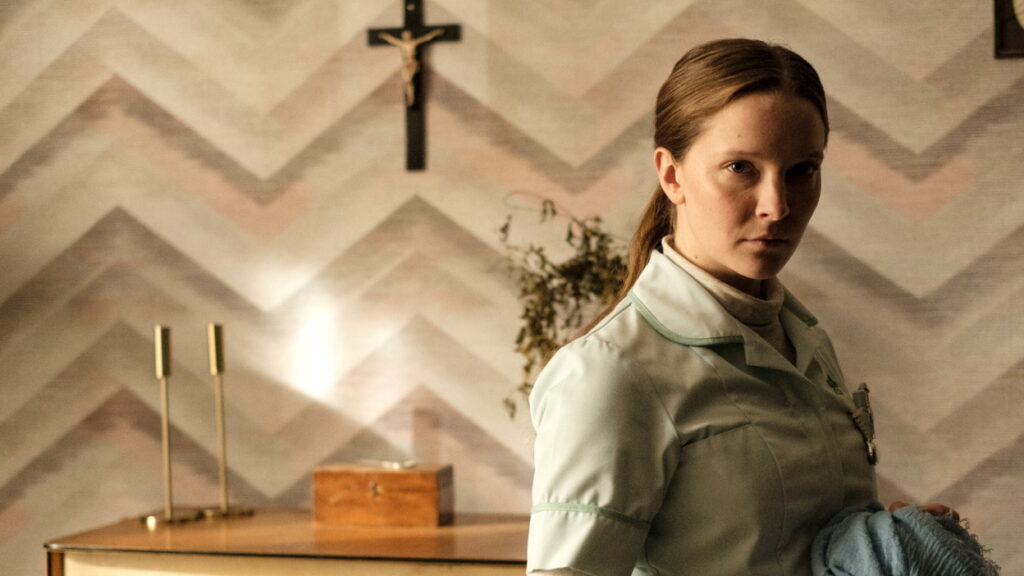
SlashHer: The film intertwines psychological horror with religious elements in a remarkably subtle way. How did you strike a balance between the two during the creative process?
Rose: When creating Saint Maud, my goal was always to let psychological horror and religious elements intertwine naturally, rather than allowing one to overshadow the other. To achieve this balance, I approached religion as an emotional and symbolic layer rather than focusing solely on external rituals or dogma. I was more interested in how Maud projects her psychological struggles onto her faith, using it as a way to give her life meaning. For example, the religious experiences in the film are deeply subjective—viewers can interpret them as genuine spiritual encounters or as manifestations of her deteriorating mental state. By presenting these moments ambiguously, I wanted the audience to step into Maud’s perspective while maintaining the tension between psychological horror and the exploration of faith.
SlashHer: What was the most challenging or the most interesting part of making this film?
Rose: This ambiguity, I believe, is what allows the two elements to coexist so effectively. The most interesting part was working with the cast and crew to explore the depth of the characters and the potential of each scene. For example, collaborating with Morfydd Clark, who plays Maud, to delve into the character’s psychological state was incredibly rewarding. Her interpretation and portrayal of Maud went far beyond my expectations—she captured that paradoxical mix of vulnerability and unsettling intensity with such authenticity. Another fascinating aspect was how we used sound design and music to heighten the psychological horror. Sound plays a pivotal role in this film, helping to “audibilize” Maud’s inner experiences. For instance, the mysterious noises or voices she hears allow the audience to feel the growing mental pressure that is consuming her. The creative process for this film felt like an ongoing journey of exploration and experimentation. Each time we adjusted a detail, it was like peeling back another layer of Maud’s inner world. While there were challenges along the way, this kind of deep dive into the character and atmosphere was incredibly fulfilling for me.
SlashHer: What do you think is unique about your filmmaking style?
Rose: My work tends to favour a slow-burn narrative, where tension and detail gradually build to create a sense of dread, rather than relying on quick conflicts or sudden jump scares. I want the audience to feel an escalating, creeping unease that lingers, rather than a fleeting moment of fright.
“Horror offers a unique language to address themes that are often difficult to confront head-on.”
SlashHer: Are there certain elements you strive to maintain in each of your works?
Rose: Horror films are such a powerful medium because they can tap directly into the audience’s emotions through extreme scenarios and sensory stimulation, allowing us to explore complex aspects of human nature and societal issues
SlashHer: How do you see the role of horror films in addressing complex themes such as mental health or religious faith?
Rose: Compared to other genres, horror offers a unique language—one rich in metaphor, symbolism, and emotionally charged storytelling—to address themes that are often difficult to confront head-on. This ability to delve into the hidden, uncomfortable aspects of our psyche is what makes the genre so meaningful to me.
SlashHer: As a director, what qualities do you value most in an actor’s performance?
Rose: What I value most in an actor’s performance is the authenticity of the emotions they convey and their deep understanding of the character. I want actors to do more than just “play” a role—I want them to fully inhabit it, bringing nuance and natural reactions that make the audience truly believe in the character’s existence.
SlashHer: Between writing and directing, which role do you prefer and why?
Rose: I see writing and directing as two inseparable components that together form the soul and expression of a film. If I had to choose, I would lean toward the role of director, though writing holds a special place in my heart. As a director, I have the privilege of bringing all the creative elements—script, performances, cinematography, sound design, and music—together to craft a unique experience for the audience. On set, seeing my ideas translated into visuals and performances in real-time provides an unparalleled sense of fulfilment. While I prefer directing, I also cherish the process of writing. Writing allows me to immerse myself in the construction of a story, shaping characters, weaving narratives, and exploring themes—it is the foundation of any film. Writing feels like a more introspective and reflective endeavour, while directing is outward-facing and dynamic, requiring coordination and immediate decision-making. Both roles are essential, and I find joy in the interplay between the two. At the end of the interview, Rose Glass recommends that if you’re looking for a film that breaks away from traditional romantic narratives and delves into the complexities of human nature, Love Lies Bleeding is a must-watch!