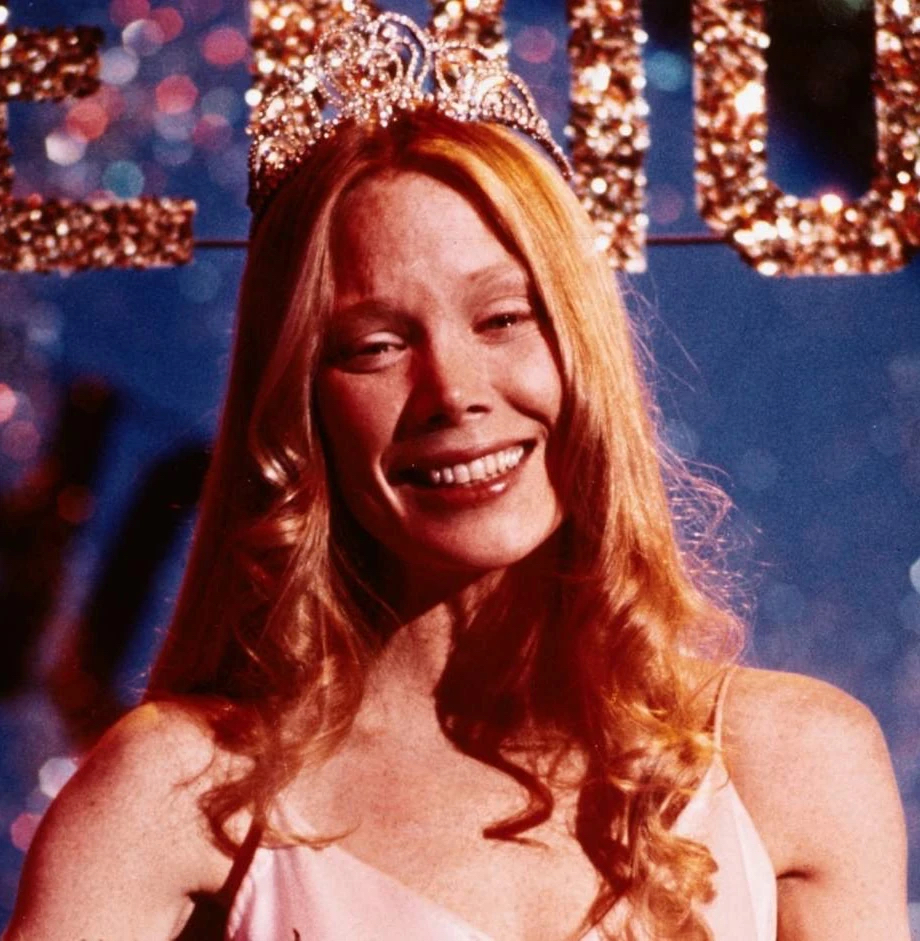
Blood and gore get the feminist treatment in modern cinema and fashion, but what exactly is Abjection chic? Xinyue Zhang speaks to Dr Milo Farragher-Hanks about cinema’s most exciting new artistic direction.
Disgust, discomfort, and rejection are not what most creatives aim to evoke in their audiences. However, a growing interest in blood, decay, and bodily mutations is inspiring many artists to transform filth and body horror into artistic expressions of fashion, visual appeal, and even beauty. Welcome to abjection chic. The movement started with films such as Blue Velvet, Under the Silver Lake and Crash that explore the fringes, decadence, physical horror, social taboos, or the disintegration of identity while maintaining a certain aesthetic or fashionable feel. Dr Milo Farragher-Hanks, a film and art critic who explored the phenomenon in his article, Blood as a Fashion Statement: On the Trend of ‘Abjection Chic’ in Contemporary Horror Cinema provides an in-depth analysis of “Abjection Chic” in contemporary horror films. He emphasises that while this aesthetic can serve as a means of reclaiming female bodily autonomy, it can also be commodified and stripped of its critical edge.
According to Dr Milo, Abjection Chic can be understood as a fashionable interpretation of ‘discarded objects.’ It embraces decay, distortion, imperfection, and discomfort, yet transforms them into something beautiful and even attractive in a carefully planned manner. This style often draws on visual elements such as
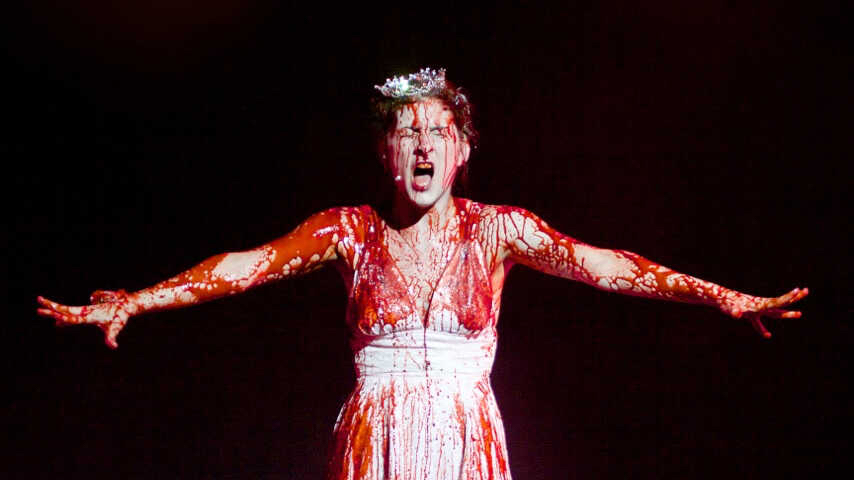
dilapidation, physical horror, deconstructionism, and social taboos, reshaping them into a unique aesthetic expression. Abjection Chic is reflected in deconstructed and incomplete silhouettes, deliberately damaged or torn fabrics, asymmetric cuts, bionic or medical elements, stained or simulated bloodstains on fabrics, and morbid color combinations (such as pale hospital gown tones, dark black, decaying yellow-green, or blood red).
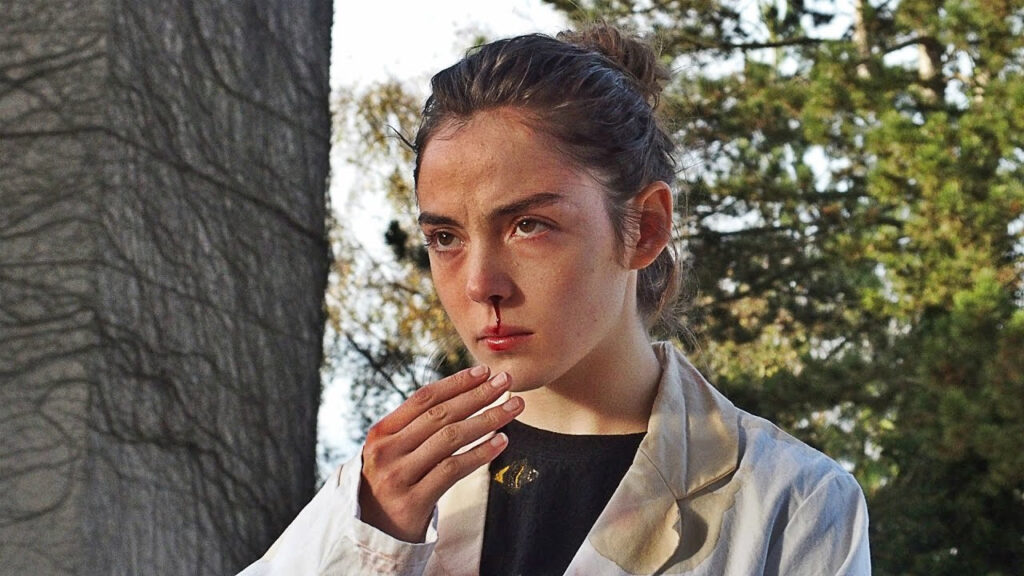
“In films that embrace the aesthetics of ‘Abjection Chic,’ the female body frequently becomes the focal point of abjection. However, it is no longer merely a source of horror; rather, it serves as a vehicle for exploring self-identity, social control, and desire. Examples include the menstrual blood in Carrie (1976) and the cannibalistic impulses in Raw (2016), both of which are closely tied to themes of female growth, agency, and liberation,” says Dr Milo.
But at the same time, this aesthetic can also be commodified, repackaged by the fashion industry or mainstream film industry as a new kind of “visual commodity,” where blood and violence become overly aestheticised, potentially stripping them of their critical edge. So, he believes its impact is twofold, depending on the specific text and context in which it is presented. The explanation of Dr Milo is that there has always been a crossover between fashion and horror cinema, but ‘Abjection Chic’ offers a new visual language that fuses elements of blood, decay, and deformity with a sense of high fashion. Alexander McQueen was already known for incorporating body distortion, death, and horror elements into his designs in the 1990s, and today, brands like Gucci and Rick Owens are also exploring this marginalised aesthetic.
But this also presents a problem—when “abjection” becomes a marketable fashion trend, its critical edge can be diluted. Dr Milo also mentions, for example, certain “bloody makeup” challenges on social media might simply be consuming the aesthetics of blood without engaging with its broader socio-cultural implications. So, while it is exciting to see the fashion industry embracing elements of “Abjection Chic,” we must also ask: is it making a statement of protest, or is it merely aestheticising pain?
Dr Milo doesn’t think “Abjection Chic” will disappear entirely, but its form will continue to evolve. He said that, right now, we’re seeing “Abjection Chic” being absorbed into a wider range of film genres and art forms, including psychological horror, experimental cinema, and even popular music—artists like Billie Eilish and Lady Gaga have incorporated elements of this aesthetic into their visual styles. However, if it becomes overly commercialized or loses its subversive edge, it could eventually be replaced by new aesthetic trends. He thinks in the future horror cinema may become more introspective, integrating “Abjection Chic” more closely with social issues—exploring themes like survival anxiety, eco-horror, or techno-body horror. It won’t disappear, but its core will evolve.
Dr Milo says, ‘I hope readers come to understand that horror films are not just about fear—they reflect deeper societal anxieties surrounding the body, gender, and boundaries. “Abjection Chic” is not merely an aesthetic style; it is a challenge to societal norms and conventional standards of beauty. It can be empowering, but it can also be commodified, depending on how audiences choose to interpret it.’
Additionally, Dr Milo also wants female viewers to see that their bodies should not be defined by fear or shame. He believes that blood, wounds, and desire are all integral parts of our identities, and horror films use extreme narratives to remind us that embracing these elements does not signify submission but rather a reclaiming of one’s own narrative power.