Exodus: Cooking with invasive species
Whilst saving your garden or a local green space, why not pick yourself up a tasty ingredient for your dinner?
A deeply rooted enemy of any gardener are the unwanted, invasive species that quickly stake their claim and conquer the flower beds. While some invasive species are loved amongst the British public, such as wisteria and rhododendron, many other species are less desirable.
The Royal Horticultural Society defines invasive species as “Those that occur outside their natural range due to direct or indirect introduction by humans.”
With the ability to cause massive problems for native British plant species, invasive fauna often outcompete with them and over dominate native plants. The most invasive species in the UK are the notorious Japanese knotweed, Giant hogweed and Himalayan balsam and are common disruptors around the UK.
The main threat they pose is that they can alter the ecosystems and habitat of an area, through disrupting water flow that can increase the risk of flooding, changing the pH of the soil or its chemical composition, or by stealing all the nutrients, creating a habitat that is unnatural for native species. Their rapid rates of growth allow them to spread so quickly that they crowd out slower growing species, which can put the long term survival of a species at risk.
They can also impact humans, with species such as Japanese knotweed and giant hogweed, being strong enough to grow through concrete and can cause structural damage to your property. Invasive species cost The British economy close to £2 billion a year, with Japanese knotweed making up for £250 million of that sum on its own.
However, many of these invasive species are edible and can be used throughout your cooking. They aren’t hard to find and act as a great substitute to certain store bought ingredients. So, whilst saving your garden or a local green space, why not pick yourself up a tasty ingredient for your dinner.
Pineapple Weed
Latin name: Matricaria discoidea
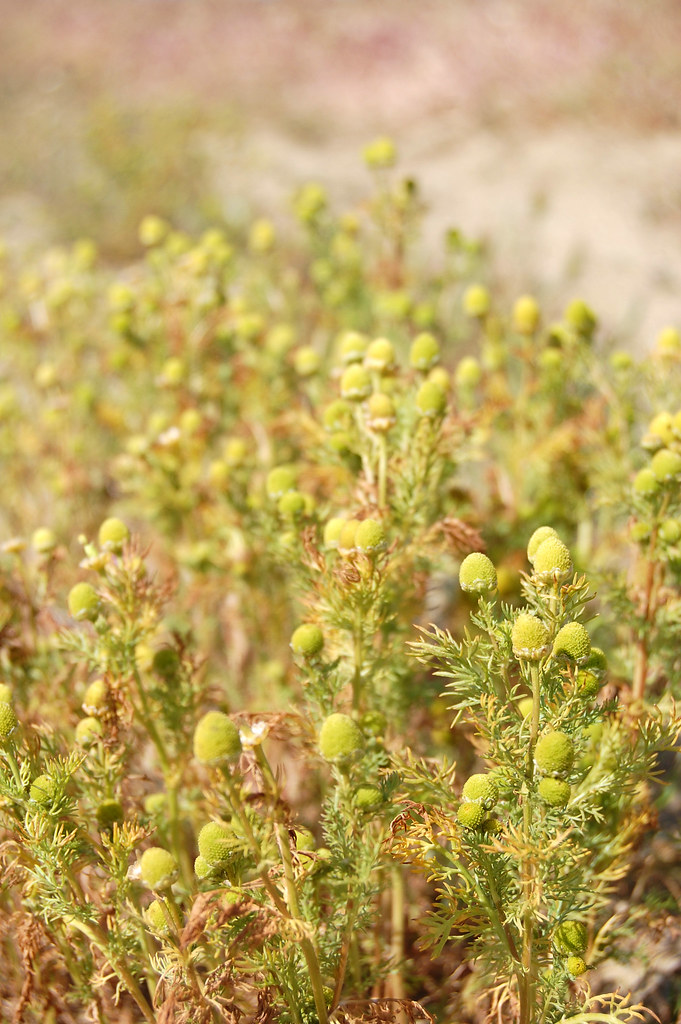
Identification: Extremely common in its preferred habitat of disturbed terrain, such as around farm gates, the perimeter of untarred car parks, footpaths and vegetable plots, and easily recognisable by its smell. Crush a flower in your hand and it will reveal a fruity odour, similar to that of a pineapple, mango or apple.
The plant’s flowers are yellow with a tiny hint of green and are often likened to the middle of a daisy without the white petals. However, take a closer look and you will see each flower is made up of multiple tiny flowers.
How to eat: Possessing many of the same properties as chamomile, pineapple weed is mostly used for infusing teas and syrups. A pineapple weed infused tea is a great way to make use of its calming properties before bedtime.
The flowers are where the sweetness lies and where you will find the fruity flavour. Try using it as a substitute for pineapple in certain dishes. For example, cooking gammon with the flowers will bring out its pineapple flavours and pair perfectly with the roasted ham. There have been cases of people having an allergic reaction to the plant so a small amount is recommended at first.
Chickweed
Latin name: Stellaria Media
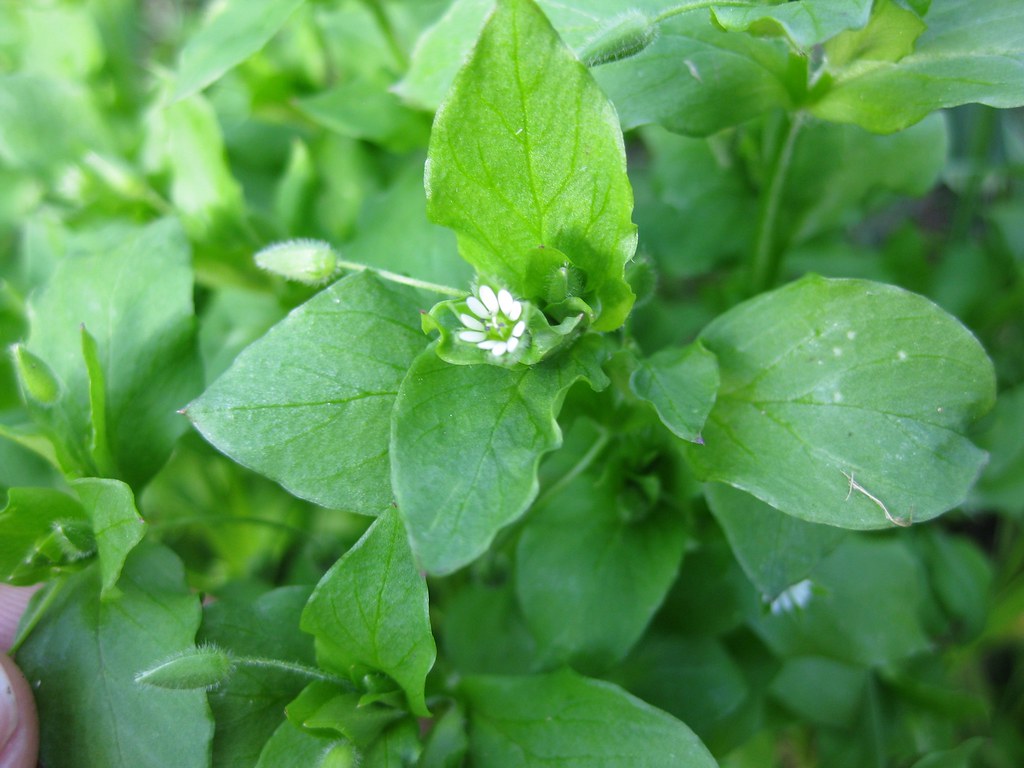
Identification: The easiest way to identify chickweed is to look for its small white flowers that are often compared to looking like stars. They are surrounded by five green oval shaped leaves.
Chickweed grows very easily so is in fact a more common find than you might expect. It typically grows in parks and gardens, especially under trees surrounded by grass. They also grow in cracks in the pavement and in waste lands. This makes them a nuisance in urban and rural areas, especially to gardeners.
How to eat: Possessing a mild flavour, chickweed is a brilliant addition to a salad or as a bit of green in a sandwich. Its flavour is fresh and slightly grassy, making it perfect for balancing stronger flavours. The leaves are the best bit and when cooked, act similarly to spinach, whereas the stalks can become quite stringy.
Garlic Mustard
Latin name: Alliaria Petiolata
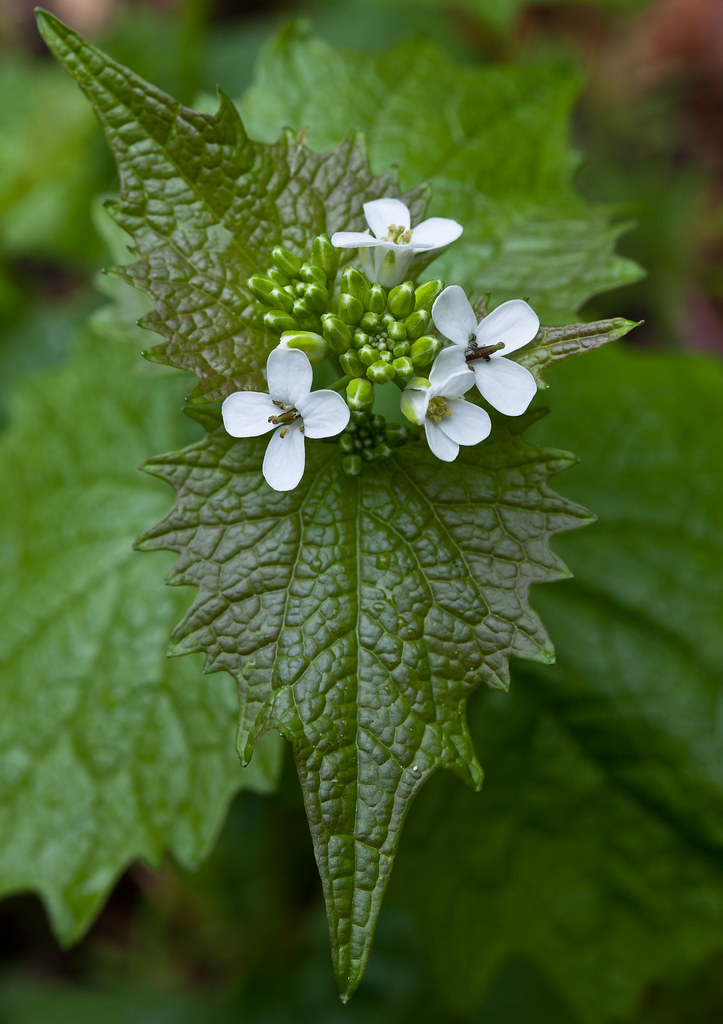
Identification: Distinguishable by its kidney shaped leaves at the base of the plant, with the leaves looking more like nettles further up the stem. A small white flower sits atop the plant and usually has four uneven petals.
Very common throughout the whole of the UK, in hedgerows, which is where it gets its nickname Jack-the-hedge and hedge garlic. It can also be found around the edges of woodlands.
How to eat: This weed has hints of garlic. However, it is a member of the cabbage and mustard family, so it does taste of mustard.
Its leaves have a very pungent flavour, so they are good to lightly populate a salad. Similarly to wild garlic they can be made to create a delicious pesto or a sauce for roasted lamb or beef.
Japanese Knotweed
Latin name: Reynoutria Japonica
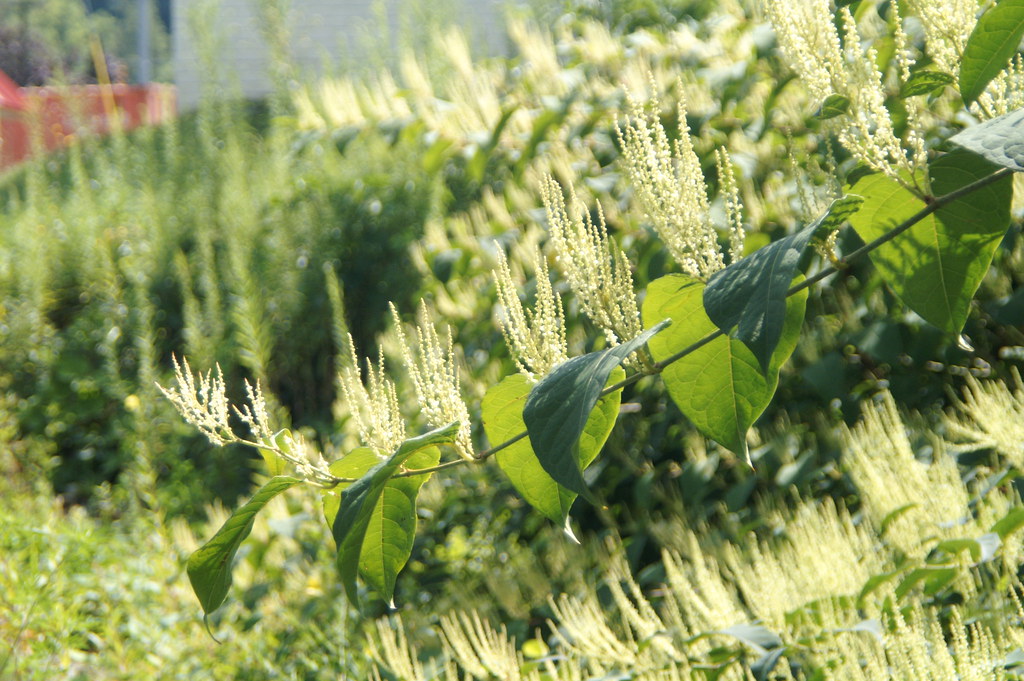
Identification: One of the most easily identifiable invasive species, due to its green and red colouring. They have strong stems, almost like bamboo or a sort of cane. Introduced by the Victorians as an ornamental plant, it is an attractive plant and produces tiny white flowers.
It is also extremely easy to find, given its ability to survive literally anywhere. It can be found at waste grounds, roadsides or old gardens, although it is especially common and thrives on riverbanks.
How to eat: It is only edible when its shoots are young, between March and June, otherwise its shoots become too fibrous and tough to use. Its flavour is like rhubarb and gooseberries, making it ideal for a sour fruity accompaniment.
When stewed down with sugar and water and sieved finely, it goes perfectly with Greek yoghurt in the summer or as a tangy fool. It can also be made into a syrup to add to your favourite spirit.
It is important to note that there are strict rules around the licensing of Japanese Knotweed. While it is not illegal to have Japanese knotweed in your garden there is a responsibility on the land owner to prevent it from becoming a problem in the neighbourhood or area.
For a small amount of knotweed, home gardens could consider the use of a weed killer that is a labelled recommendation for the destruction of Japanese Knotweed. However, licensed contractors are recommended because of the rules about disposal.
Japanese knotweed must be disposed of at licensed landfill sites and cannot under any circumstances be put in general or green waste collection bins.
For full information please visit the RHS website here.
Ground Elder
Latin name: Aegopodium Podagraria
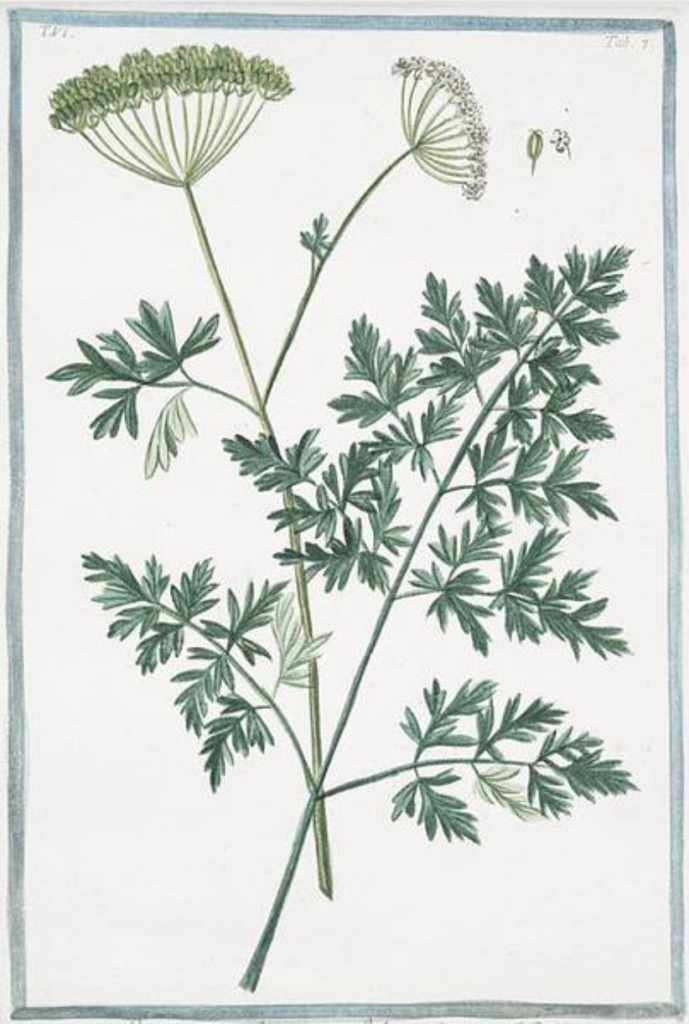
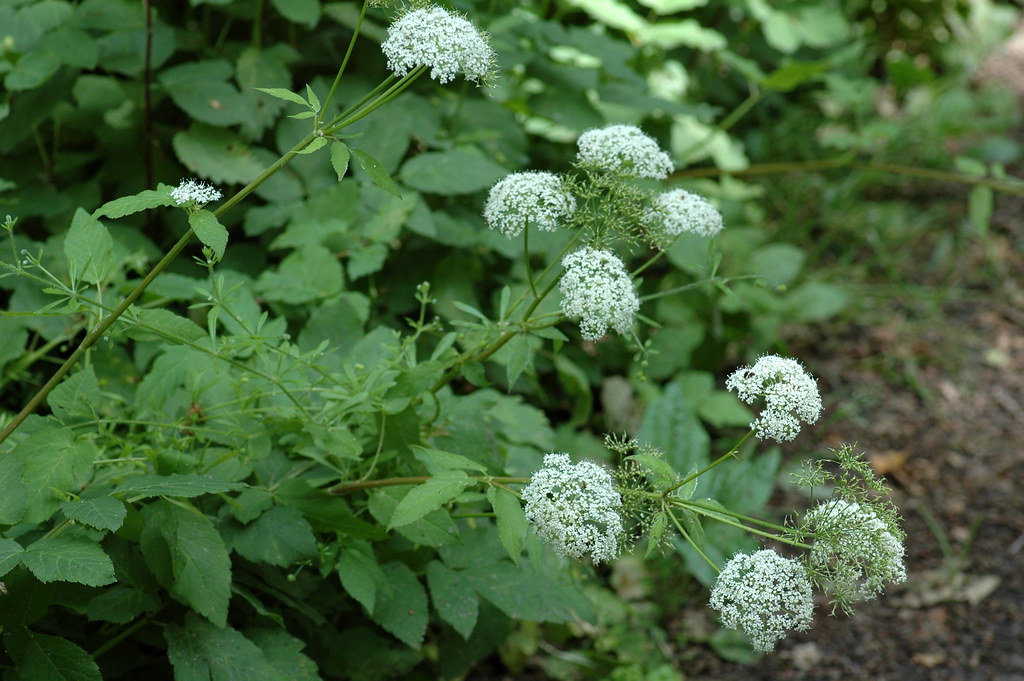
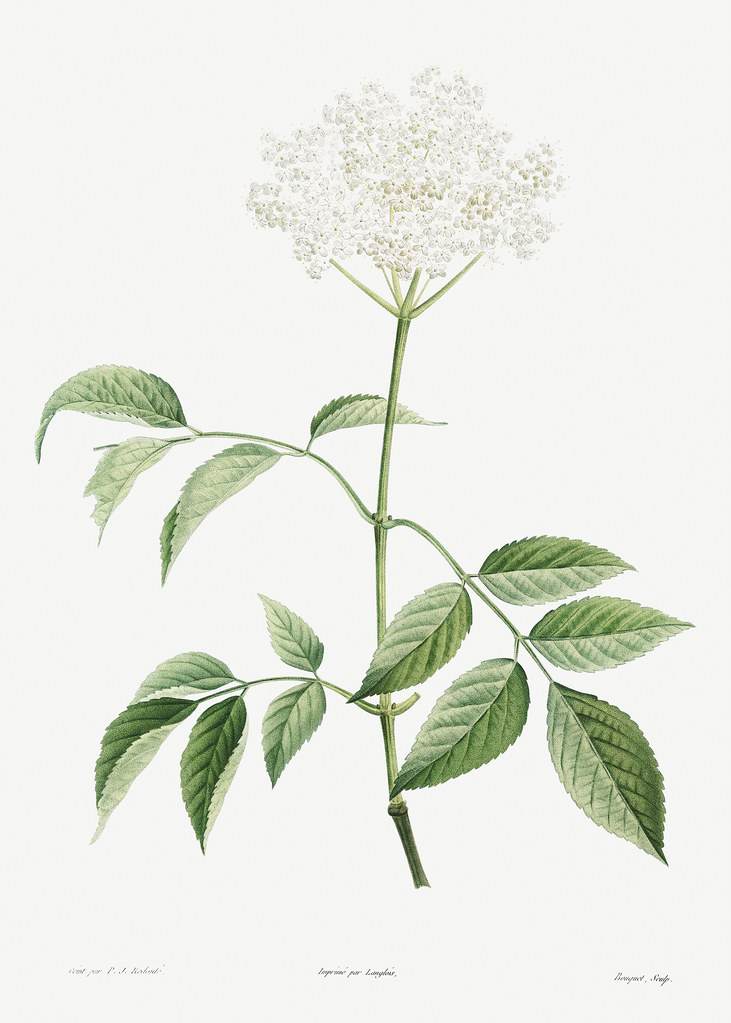
Identification: Growing all year round, ground elder is readily available no matter the season. While the species is easy to identify because of its serrated oval leaves that always grow with a point and are always found in three groups of three from a stalk that grows close to the ground, it is important to be sure because it is part of the carrot family.
Other members of the carrot family that it could be mistaken for are the poisonous hemlock water-dropwort and hemlock, so it is important to side with caution before picking, or leave it to experienced foragers.
Ground elder tends to grow close to human habitation. It can be found mostly in graveyards due to its historic use by monks. It also frequents many other locations such as woodlands, hedgerows and gardens.
How to eat: The leaves and stems can be eaten raw or if preferred they can be cooked in a similar way to spinach. They go well as an addition to a salad and their seeds can be eaten once toasted and ground after being dried.
Hairy Bitter Cress
Latin name: Cardamine Hirsuta
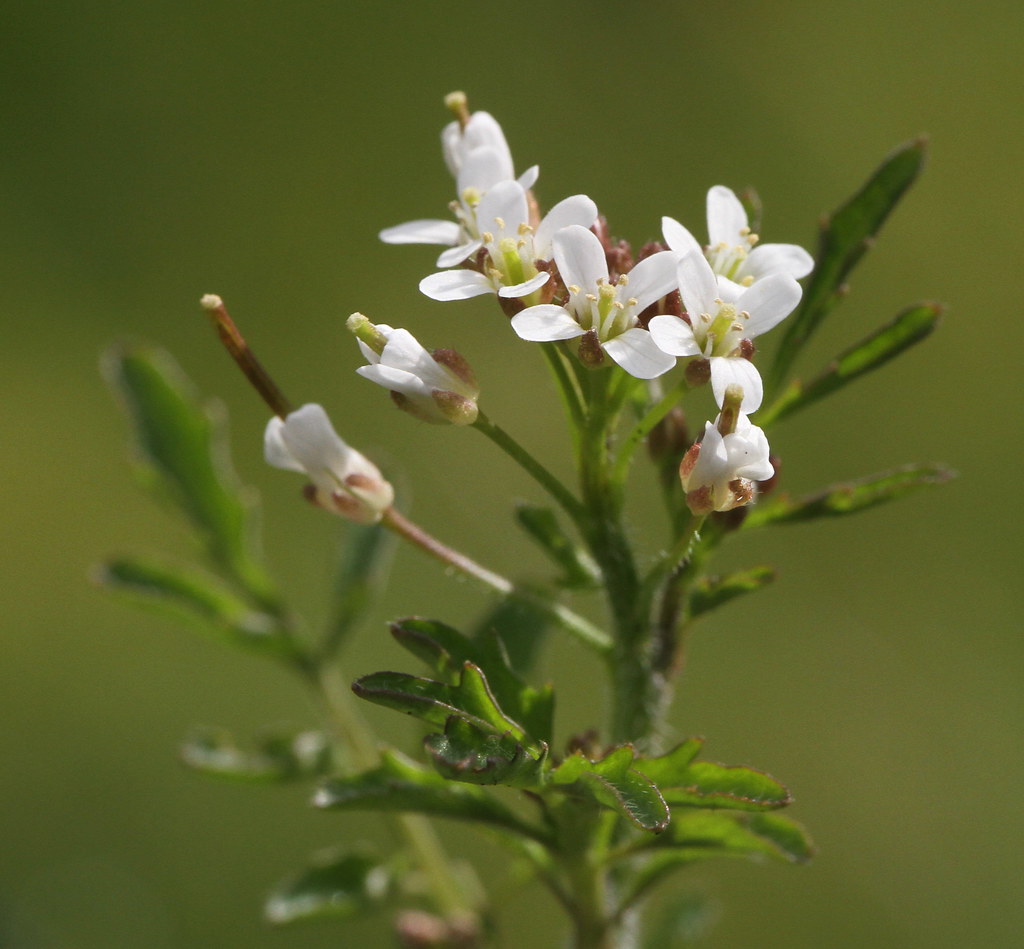
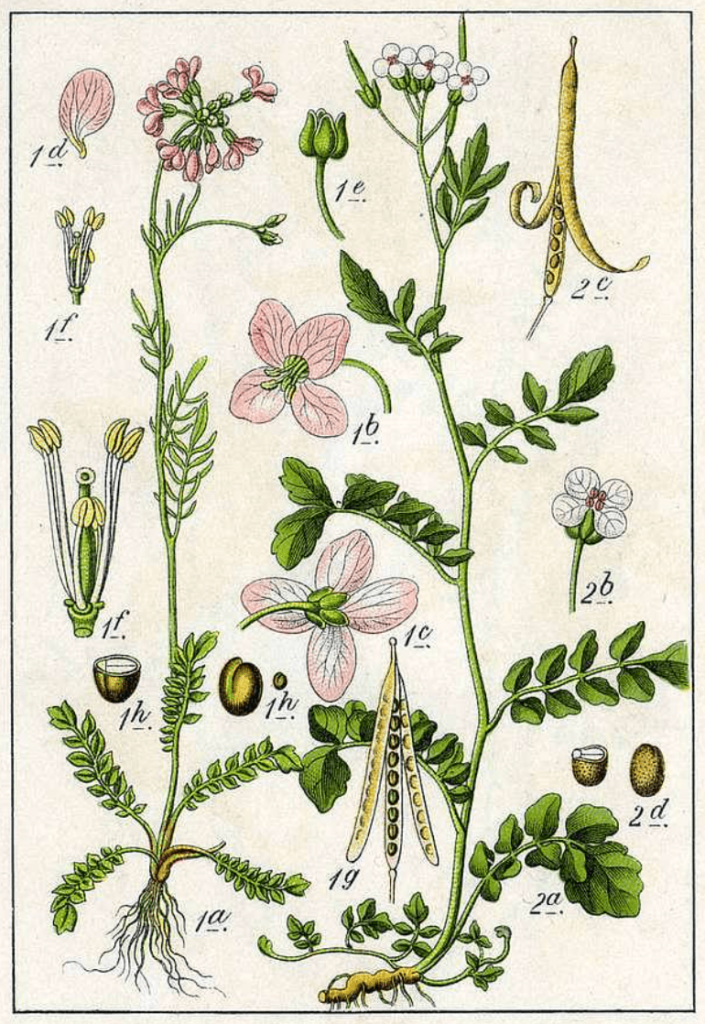
Identification: A weed you are most likely familiar with, hairy bitter cress has a dense collection of leaves at its base, that are often referred to as a rosette. A stalk that grows vertically and bears a small cluster of white flowers, is what makes it most noticeable. Living up to its name the leaves are covered in tiny hairs creating a hairy texture.
Growing almost anywhere and all year round, hairy bitter cress grows in any area with disturbed soil, such as gardens, fields, flower beds and even in flower boxes. One of the easiest invasive species to come across, it is definitely worth adding as an ingredient to your cooking.
How to eat: Delicious when added to a salad, bring flavour profiles similar to rocket and watercress, adding a peppery taste. They do lose their flavour when cooked, however, so it is best to eat it raw for the best experience.
The pepperiness makes them a great pairing with roast beef in a sandwich, with a thin layer of horseradish, or a crab and mayo roll.