Why I forage: Drew and Beth Nuttall
This week we meet Drew and Beth Nuttall, who prove those who forage together, stay together
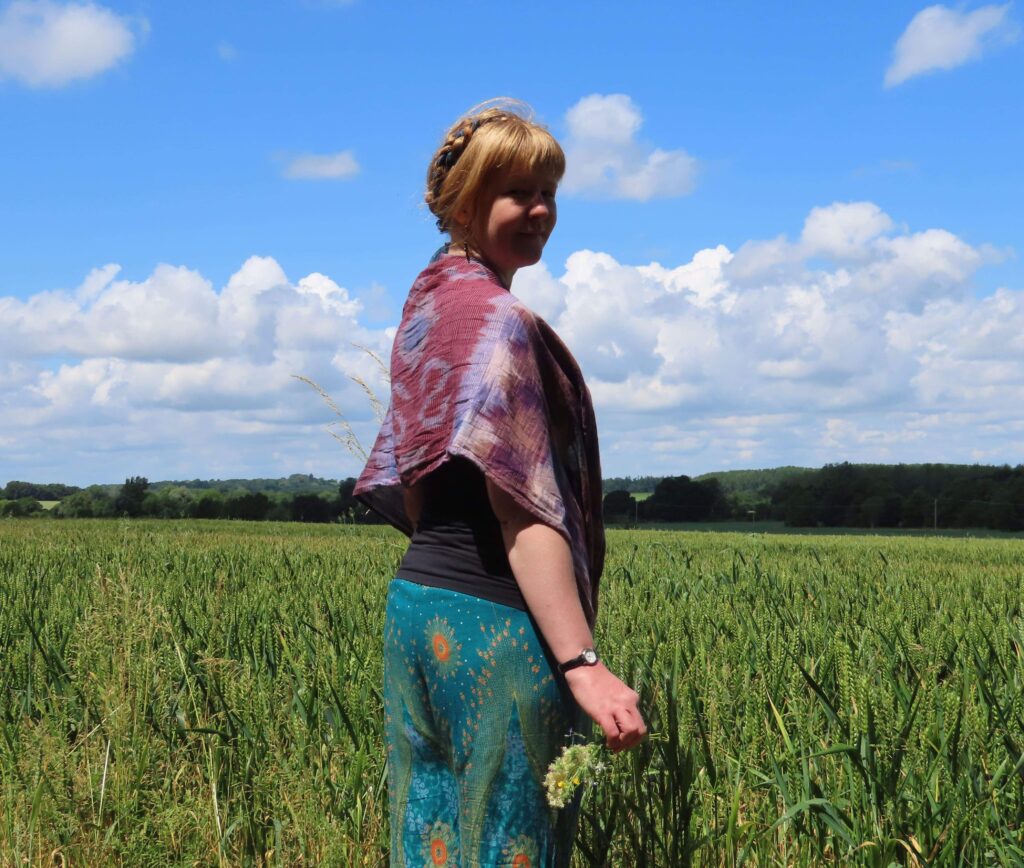
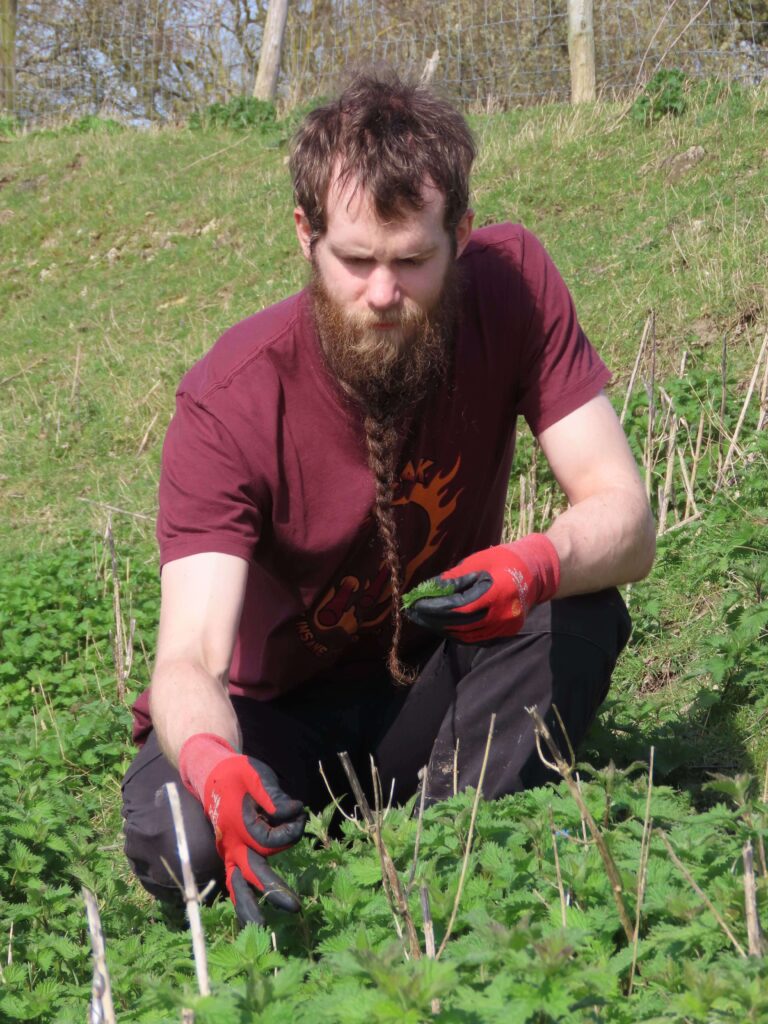
How did you start foraging?
D: In a way it’s just something that I’ve always done. I do it more now and have more knowledge but it definitely stemmed from being a child, picking blackberries with my parents and getting used to the idea of being able to forage wild food. Then in adulthood you realise there’s more than just blackberries out there. That said, I definitely got more enthusiastic about foraging after meeting Beth.
B: I think growing up in the countryside with a “countryside-y” family you just learn the basic blackberry, hazelnut side of foraging from a young age. Then as you get older you realise you can forage at different levels. You can do the standard hedgerow stuff and then you can look beyond it and start really seeing every plant when you go out. You find yourself wondering what it is, if it’s edible, if it’s got medicinal properties and that’s where I got it five or six years ago. There’s just so many plants we can make use of.
Why do you forage?
D: I think there are a variety of reasons, but cost comes into it. I don’t mean we actively forage to save money but it is a resource that’s readily available and it makes sense to take advantage of it. It’s also a way of getting food without shipping it across the world, so for me it’s about connecting directly with a food source and my local environment. Mass-produced, preserved food, on the other hand, has a much lower nutritional value and you’ll notice the loss in flavour too.
B: Exactly, plus the bonus that foraged foods don’t come wrapped in plastic packaging. Sometimes it’s also simply the case of foraging for things like hawberries that you can’t find on supermarket shelves. For me, I’m also fascinated by medicinal plants. There’s one called the cuckoo flower, or lady’s smock, and I hadn’t realised at first but it’s fantastic for reducing period pain. You dry it and drink it as tea, and it works so much better than any paracetamol or supermarket pain relief. Those kinds of discoveries are just so exciting to me.
One essential you can’t go foraging without?
D: It might sound simple but a big stick for hooking branches down.
B: We’re lucky Drew is quite tall but a long stick or a stool is great to get those hard to reach fruits, flowers and berries.
Favourite foraging season?
D: Autumn. It feels like you’re connected to that sense of harvest and it marks the start of more hearty meals. In spring, much of what you forage is quite delicate. It can enhance dishes but it’s definitely less filling.
B: Definitely autumn too. The nuts and berries feel so much more substantial and I love the season for its cold cosiness. In spring you have to be much more knowledgeable as a lot of the very young plants aren’t so distinctive yet so it also just requires that extra level of concentration and skill.
Biggest foraging faux pas?
B: We’re quite lucky in not having had any serious story-worthy incidents but we’ve definitely learnt the perils of not using something you’ve foraged straight away. Not realising you have decomposing raw elderberries on your work surface was definitely a mistake – raw elderberries contain toxins that can cause nausea and gastro issues!
Best foraging find?
B: For me, it was the first time I found wood sorrel. It was something I’d been reading about and wanting to try for a long time when, out on a walk with family, I finally spotted some. It was very exciting and tasted just as good as I had hoped – tart and sweet.
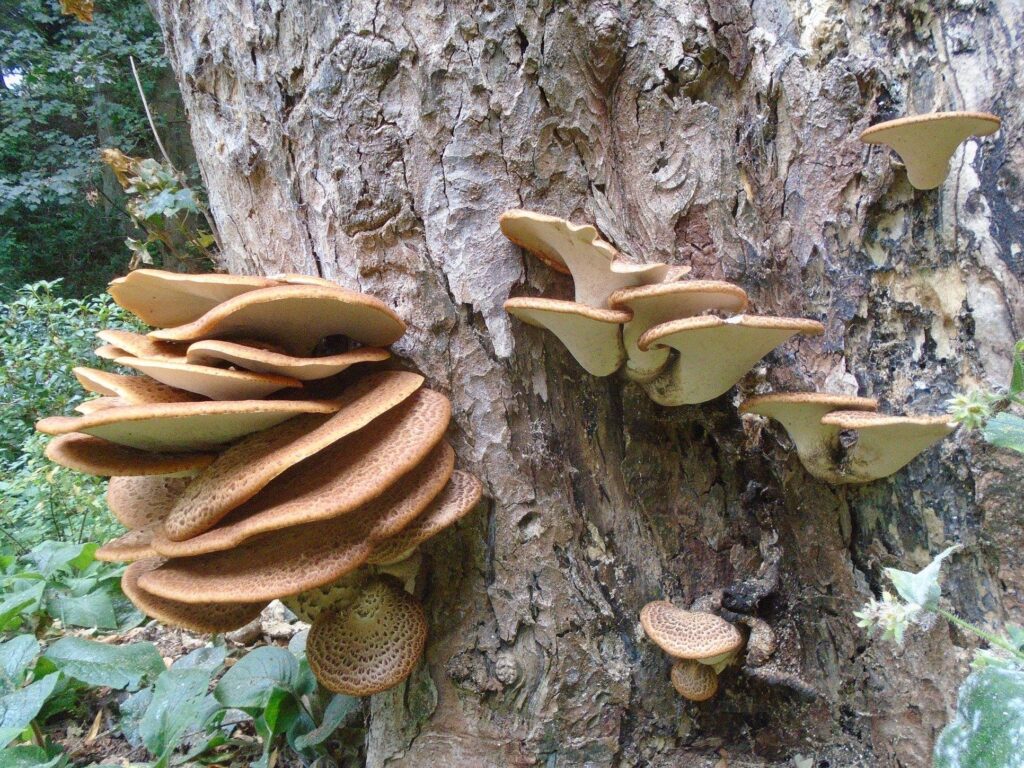
D: I also remember one year when we just had a massive number of hazelnuts on the tree right outside our window and we dried them at a very, very low temperature in the oven so they wouldn’t spoil throughout the year. They make the best beetroot and hazelnut cake! Or, back when I was working for a landscape gardener, in the extensive grounds of one client, we found this amazing Dryad’s Saddle Bracket fungus. Delicious fried!
What would you love to forage but haven’t found yet?
B: I’d love to find miner’s lettuce. I don’t actually know if it grows here but I follow an American forager account who seems to have quite a similar climate to the south of England and she’s got a lot of recipes using it I’d love to try.
Favourite foraging memory?
B: Trying to pick elderberries sitting on Drew’s shoulders springs to mind.
D: Exactly what I was thinking, piggyback elderberry picking! Or just all the strange ways we’ve climbed and balanced on things to get something. But also I guess thinking back to my childhood by the canal, those early memories picking blackberries really stick with you even as an adult.
Top tip to foragers just starting out?
B: We’re quite old school so don’t have the apps, but my starting book was one of the classics, Food for Free by Richard Mabey. It’s got heaps of great stuff in it and recipes for inspiration. I also think I’d advise anyone starting out to just learn one plant at a time. If you’re out and something looks distinctive – go home and try and look it up. Learn how you could use it and if you might mistake it for anything else. Then try and identify it again. That way you very quickly build up knowledge and confidence.
D: I completely agree with Beth and would add if you know anyone or a friend that knows a little more than you, try and go out with them. You learn so much more with friends and I think it helps normalise foraging as a practical and social activity, not just something old people do!