ID Guide: Alexander
Common names: Alexander, horse parsley
Latin: Smyrnium olusatrum
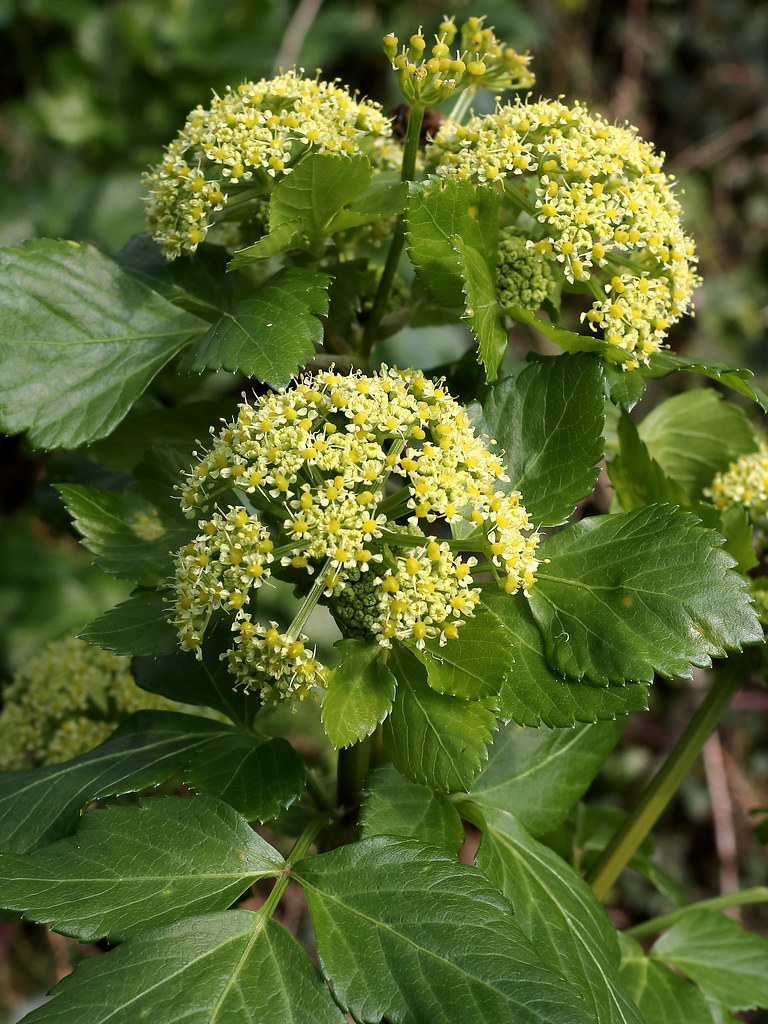
Appearance: Leaves are vibrant green and glossy on a thick, long stem. Yellow flowers bloom at the top in a cluster from March until June. The seeds are small green bulbs that can be pulled apart into segments.
Where: Coastal regions around Europe. Grows in clusters on patches of land near the sea.
How to forage: The entire plant can be foraged, so take the whole Alexander for endless possibilities in your cooking. If you only want the flowers or the leaves, then pick or cut the parts you need. The seeds can be collected straight from the plant.
When: January to September, mainly summer months.
How to use: Each part of an Alexander has a different use. The flowers can be used like broccoli and steamed with garlic. The stems are like celery in flavour and texture and can be used as such. The roots can be well scrubbed and used like a root vegetable alongside meat. Perhaps the most exciting discovery, alexander seeds can be picked from the plant before they drop for pollination and taste like strong black pepper. They can be dried and crushed down for a pepper substitute.
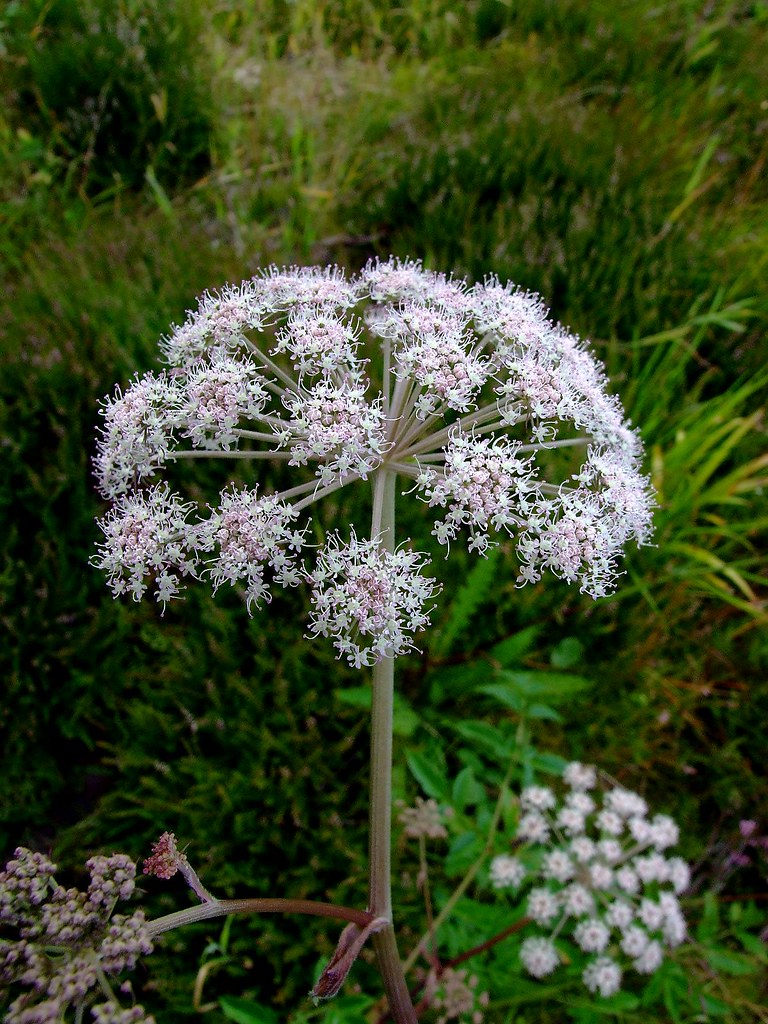
Commonly mistaken with…
Wild angelicas as the leaves look similar, but they are not as green or shiny and are not found in coastal areas.