Foragers warned over E. coli risk this Summer
This advice should be heeded by anyone foraging near bodies of water
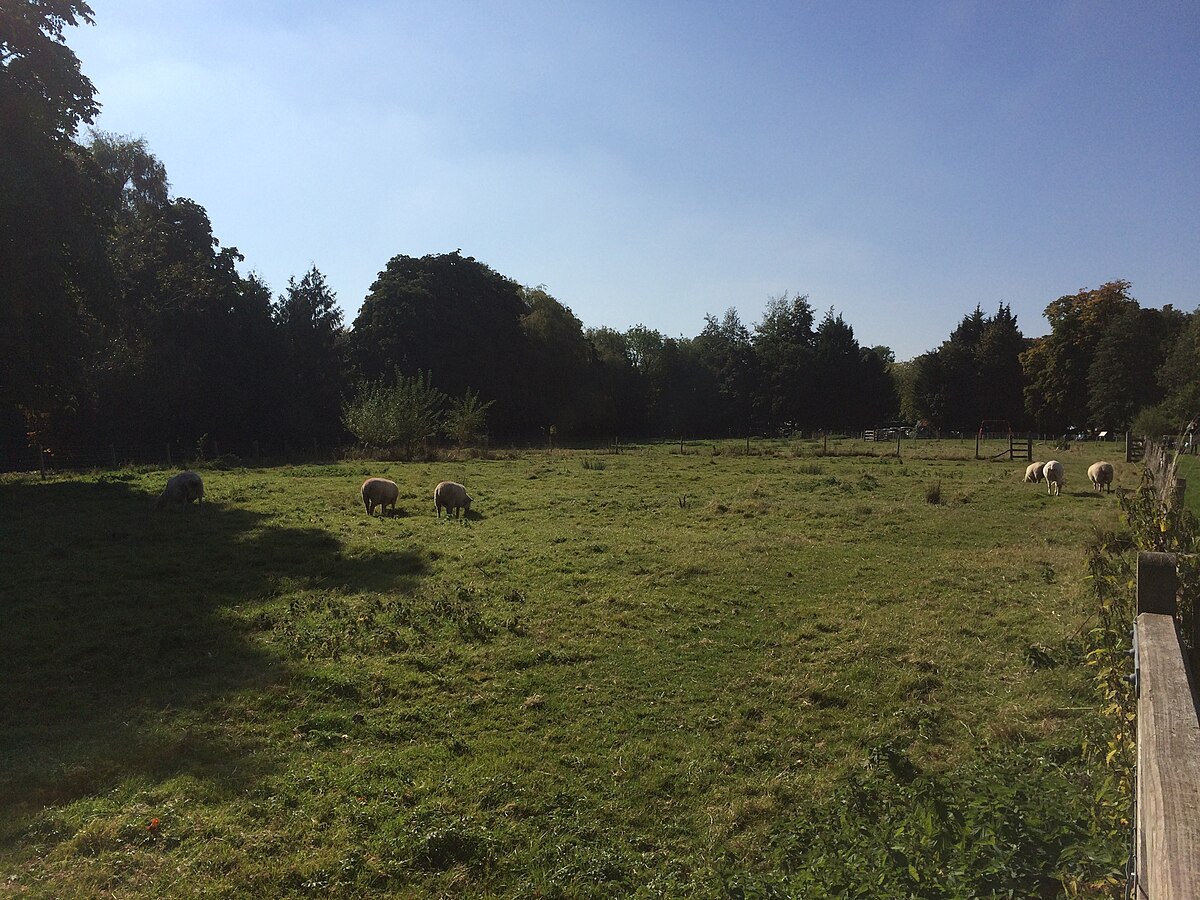
A town council issued a warning last month against consuming wild garlic from a popular foraging spot due to a “serious risk” of E. coli contamination after flooding.
Marlborough Town Council issued an urgent warning last month for land surrounding a tributary of the River Kennet in Wiltshire. An area called Coopers Meadow in particular is known to have been contaminated with human waste after excessive rainfall caused sewers to overflow on January 5.
The area is popular amongst locals for foraging plants, specifically wild garlic which grows in large quantities.
The warning came four months after the flooding event as the risk can persist for months after contamination.
The Food Standards Agency extends the warning to any produce from a flooded area. It advises “not to eat any food that has been touched or covered by flood water or sewage. Do not eat any produce grown on an allotment or garden that has been flooded.”
The Royal Horticulture Society suggest that “it is prudent to avoid growing salads and other uncooked crops for two years” in any flooded area in case “disease spores remain in the soil.” It adds that “the following year after flooding, it should be safe to grow crops that are to be cooked.”
This advice can be transferred for foraged food. The year after flooding, only collect plants that you intend to cook.
In recent days, there has been a significant outbreak of E. coli in the UK, with 113 cases detected between May 25 and June 4. This outbreak is not thought to have been caused by foraged material but a “nationally distributed food item”, according UKHSA.
However, the World Health Organisation (WHO) does list “faecal contamination of vegetables” as one of the primary sources of E. coli, along with “undercooked ground meat products” and “raw milk”. There was an outbreak of 259 cases in 2022 in the UK thought to be caused by contaminated salad.
Ingesting E. coli can result in a STEC infection, symptoms of which include stomach cramps, diarrhoea (sometimes bloody), vomiting and a fever. Symptoms may last up to 2 weeks.
The health risk warning issue by Marlborough Town Council was accompanied by a plea for foragers to “be considerate”. The council said that foraging for wild garlic had left a “large, unsightly, bar patch where the plants may not recover”. Some councils have issued bans to combat the effects of over foraging, such as in this Nottingham park.