Briar DIY: what happens when you take kids foraging?
How receptive is the mini Briar-forager-to-be generation? I took my eight and six-year old kids foraging at Beckenham Place Park to find out
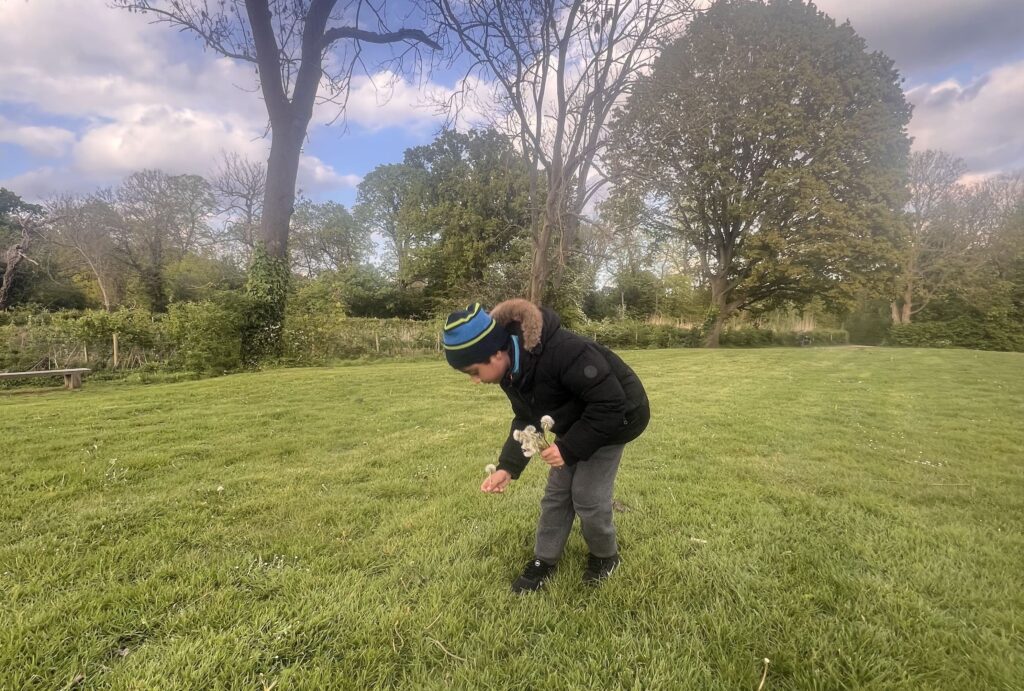
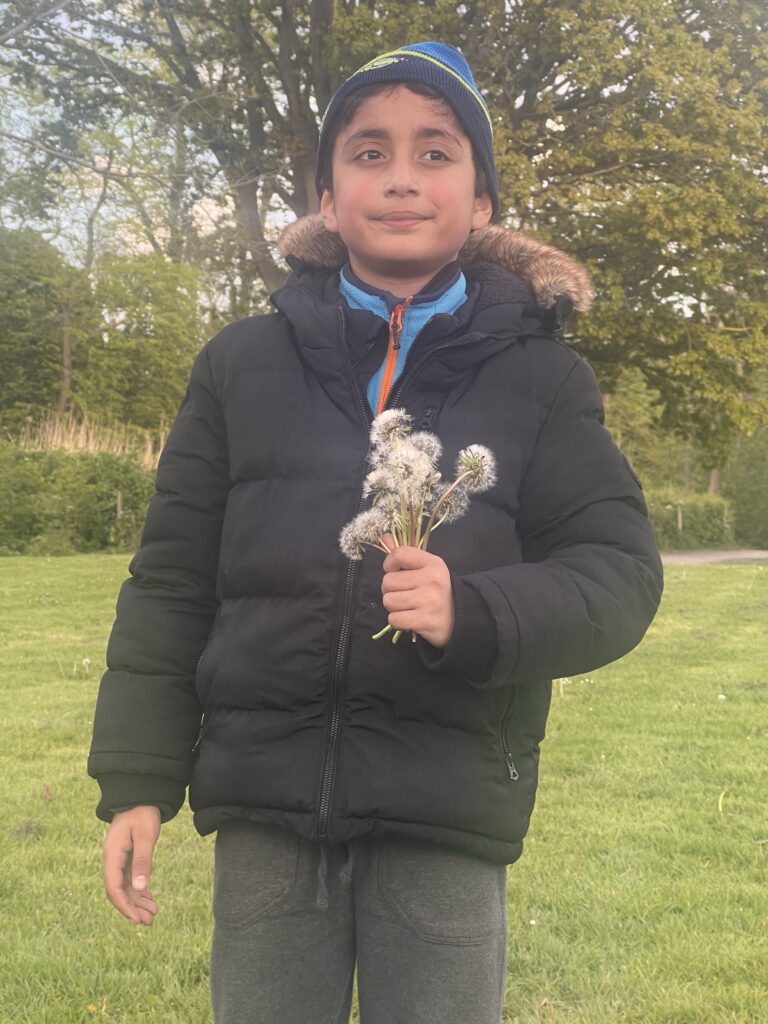
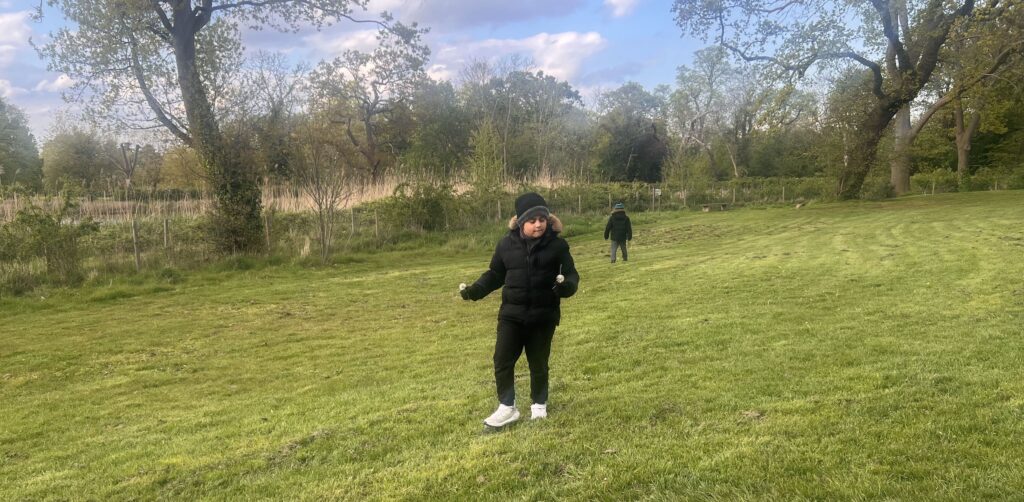
As with most things involving young children, Pinterest presents foraging as a dreamy blend of smiling cherubs, plentiful bounties and holistic development. It was this happy imagery that dominated our discourse when my husband and I decided to take our children – eight-year-old twin boys and a six-year-old daughter – foraging in the sprawling woodland of Beckenham Place Park.
Would an afternoon spent foraging rekindle a primal connection with nature, we wondered, and sow seeds of self-sufficiency? Would it be only the beginning of a lasting family tradition of fully-foraged Friday night dinners? There’s a special sort of joy in venturing out into the wilderness and being one with the land, in tune with the seasonal cadences of nature.
Then, there’s reality.
Armed with a jute sack, craft scissors and lots of decidedly unforaged snacks of cookies and juice, we set off for our journey. Here are five unexpected things I learned from the experience.
- There’s more tech than you think
Sans guided tour or ancestral wisdom, and with many foraging-gone-wrong horror stories fresh in our minds, we found foraging, counterintuitively, to be quite a plugged-in exercise. We’d see a plant, identify it on LeafSnap and immediately Google “Is X edible”. However, even if the answer was a resounding yes, the inflated risk in our minds meant we then plopped down to search other variants of the question: are all parts of X edible? Does X look deceptively similar to Y, which is actually lethal? What can the unassuming X be confused with or contaminated by? More often than not, we ended up unconvinced that said ingredient was, indeed, what we thought it was. At the very least, we ended up online for a long time.
- The ethics quickly become murky
My son’s immediate declaration when I told him we could find food for free and take it home? “That’s illegal.”
In a world of such staunchly enforced borders and ideas of ownership, the blurred boundaries of food from the land and of the land was difficult for him to reconcile. Who owns these foraged ingredients, and if we can forage in the park, why not gather some wild craft materials from that lovely rose bush in our neighbour’s garden, or forage for rollerblades while we’re at it? Where is the line?
It’s a bit of a slippery slope: where does nature’s abundance end and private ownership begin? Not to mention, “Those hard-working plants who spend all this time making babies and we just kidnap them,” courtesy of my fiercely loyal daughter.
For the latter at least, I had read about 1/3 rule where you forage only a third of the plant, and spoke to the kids about leaving an area better than when you found it, as well as acquainting themselves with non-native species. We didn’t fully shake the feeling that this might somehow be wrong though and were less than happy doing it in full public view.
- They understand the ‘what’ more than the ‘why’
While intellectual discussions theorizing the foraging mindset weren’t particularly fruitful, children are wonderfully skilled at embracing the tactical nitty-gritties. Once a specific type of plant was identified, they gleefully plucked off Hawthorne buds or Dandelion stems. That was likely the high point of our experience, as they genuinely felt they were part of nature’s elaborate scavenger hunt.
Fully embracing the persona, they became confident tour-guides – almost deceptively and scarily so. “We are in the heart of the Amazonian jungle,” my daughter brazenly declares under the perpetually overcast British sky. “And this plant that you see here is Teliza,” she motions, basing her knowledge off unreliable sources such as The Lion King.
- Children expect some sort of output or finale…
As we trudged on, it was difficult to explain when, exactly, one can tick the box that foraging is “done”. My younger twin failed to realise why we were “Hiking for an hour instead of going to Sainsbury’s when I’m already starving,” but when he got into it, they found many things they wanted to forage on the way home – not recommended because of the pollution and special dog vinaigrettes. In hindsight, it would have been best to cook with the foraged produce immediately as it lacked immediacy and gratification the next day. Going forward, we will schedule our foraging adventures with time built in to enjoy nature’s bounty shortly afterward to make it more meaningful.
- …But they remember the experience anyway
Despite all our hiccups, I’m confident there will be a next time. Overall, foraging with children – whether you’re the cool aunt/uncle, a teacher, cousin or the parent yourself, leaves an indelible imprint and opens the door to many intriguing conversations. While they may not become expert foragers right away, children will remember something that, perhaps sadly, is a novel experience for them in their increasingly hyper-connected, urban world: “Remember that day we went to find our own food out in the jungle, Mama?”