Briar DIY: Foraging for snails
Will Brits come out of their shells and take advantage of our abundant native gastropods?
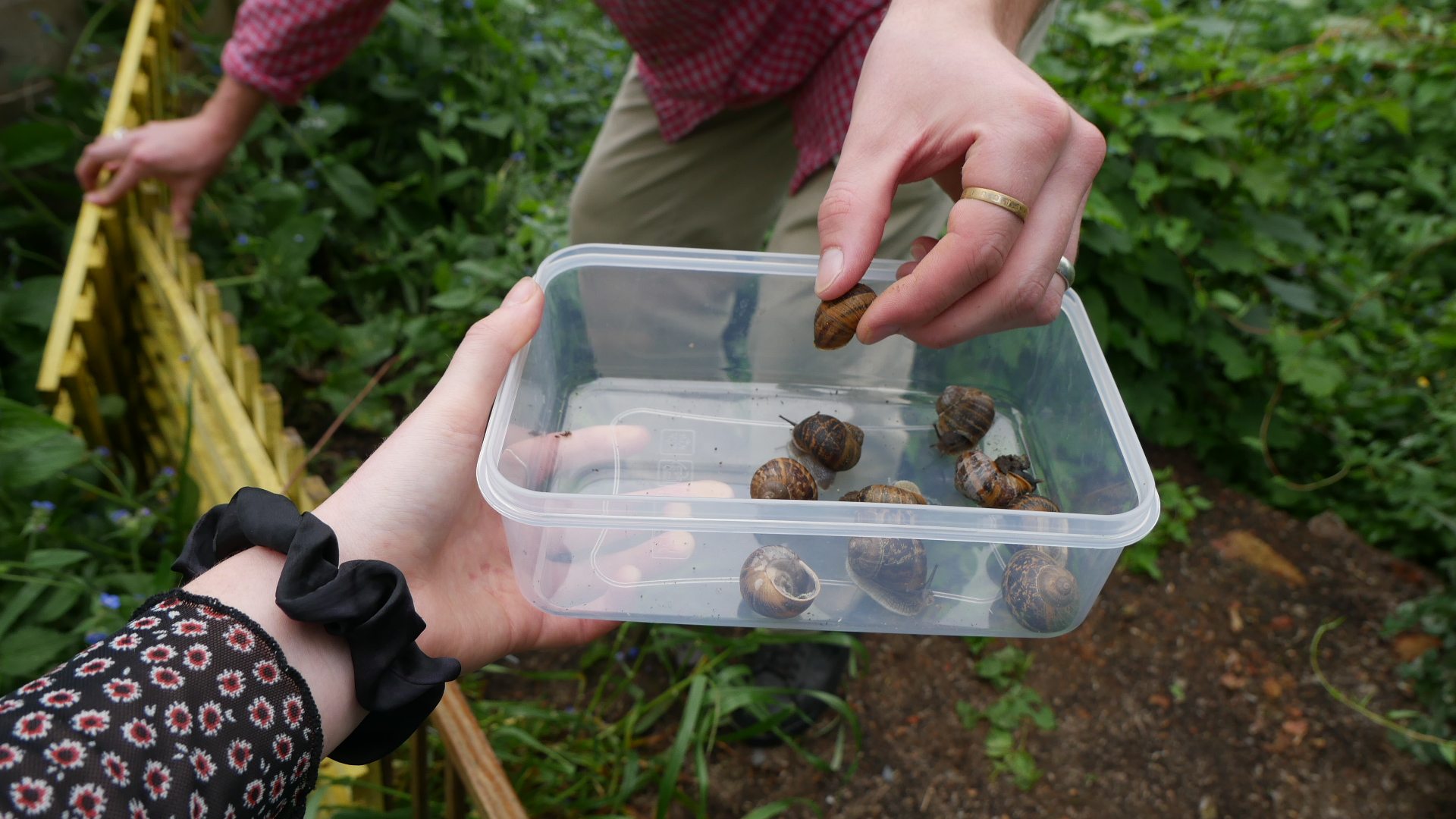
Well-known for leaving holes in your newly planted bushes and easily traceable by the alien-like ectoplasm trail they leave behind them, snails are a staple of British gardens.
A popular delicacy amongst ground foragers, such as blackbirds, thrushes and the French, one must wonder why British noses are upturned by the thought of foraging for our native gastropods.
I decided to discover why snails aren’t a common dish on a British menu, by foraging and cooking the snails myself.
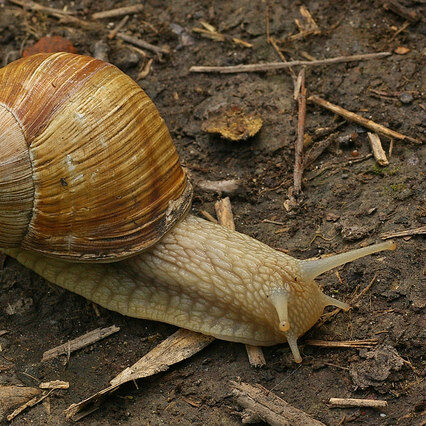
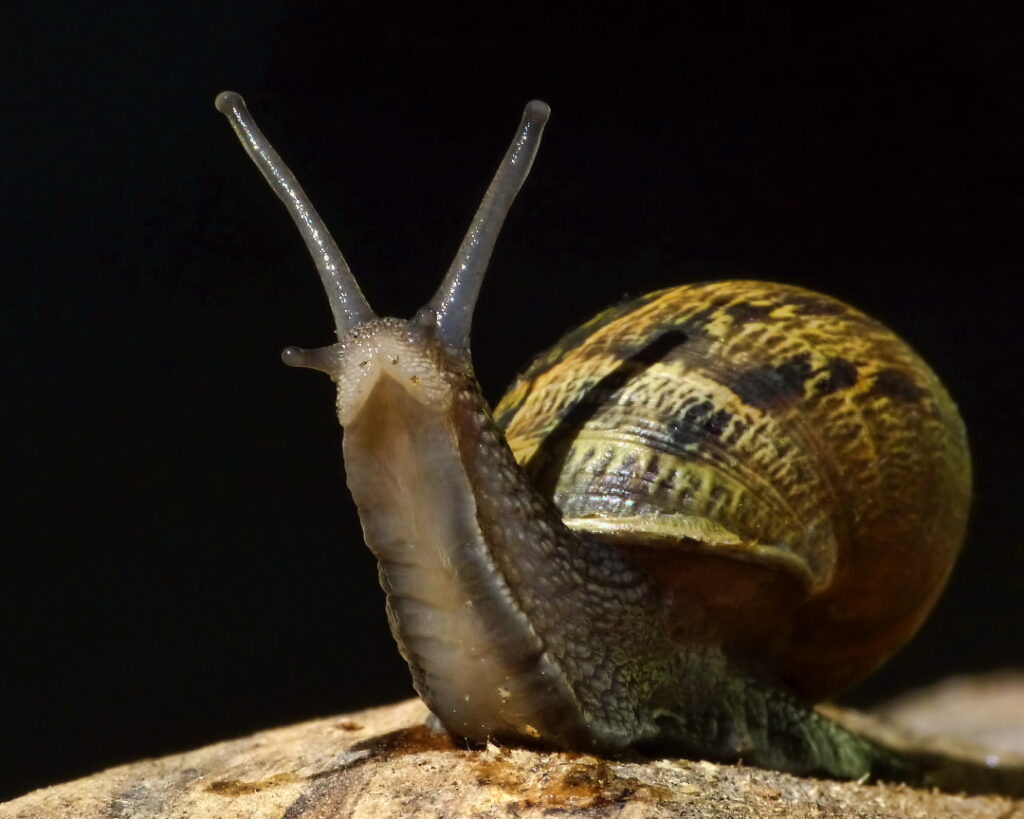
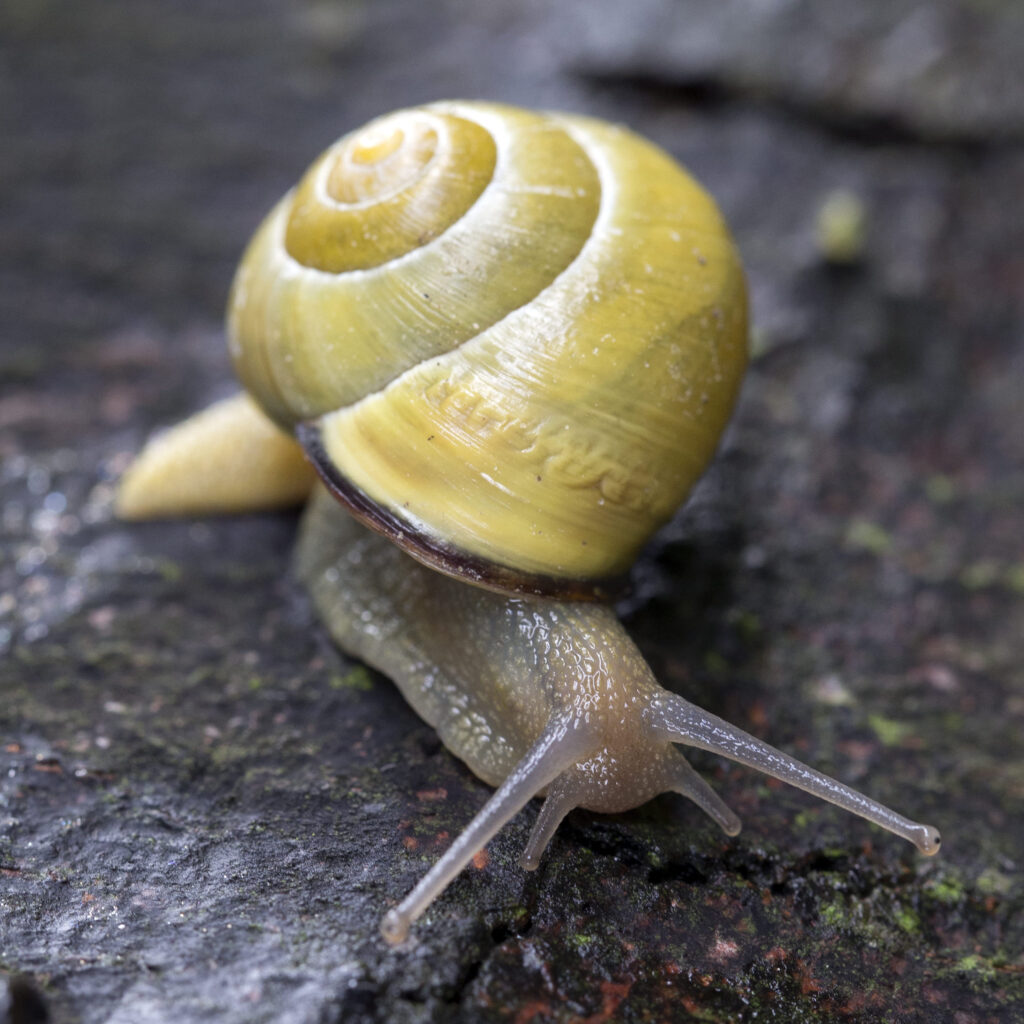
All snails in Britain are edible, they are in fact the same species that our European counterparts consume by the tonne. While all snails in Britain can be consumed, the small colourful ones aren’t worth the effort and the largest species, the Roman Snail are protected, leaving only the common garden snail. Luckily, as the name suggests, they are the easiest to find.
X
Preparation
A quick trip into your garden at dusk or after a downpour is the best time to collect a batch of escargots. Little effort is also required, after all they are not famed for their speed.
However, preparing them properly will take about the same amount of time it takes for the snail to travel across your garden. They should be collected from areas that are free from poisonous plants, slug pellets or toxic waste and, once captured, they will need to be kept in isolation for at least a week to rid them of any impurities they may be carrying.
Keep the snails in a breathable container, such as a wicker basket or plant pot with a snail-proof lid. A roofing slate or a makeshift wire-mesh roofing works just as well. Leave their new home in a shady place out of direct sunlight.
How to cook
Through my research of how to keep snails and prepare them I followed the advice of Gordon Ramsay, who foraged snails from his Wandsworth garden. He recommends leaving the snails without food for two days and washing them regularly. On the third day give them a carrot and leave for a couple of days. When their droppings have turned orange, you can be sure what is in their stomachs. Finally, wash the snails thoroughly and place them in a sealed container in the fridge. The cold will send them into a deep sleep causing them to retract into their shells.
When it comes to the pot, there are a variety of options used by different cultures, though some may sit better with you than others. In France, they opt for a salt bath before cooking, resulting in death by dehydration within a matter of minutes, and a puddle of frothy foam to clean up.
Since we have already put them in the fridge, there is no need for this. Make sure to give the snails a final wash before adding them to a pan of boiling water. Following Ramsey’s method, the snails must first be blanched for a couple of minutes. Remove from the water and let cool.
X
Nothing will prepare you for what a de-shelled snail looks like.
Then for the fiddley part, removing the snails from their shells. The easiest way is to use a long pointy object, such as a skewer to pierce the snail and pull it out its shell. This part of the process is the most difficult and distressing part of the process. I found myself having to crack the shells in some cases to get the snail out, and nothing will prepare you for what a de-shelled snail looks like.
Moving away from the classic garlic butter that is popular in France, I fried pancetta with some sage, then added the de-shelled snails to sauté, adding parsley, lemon and olive oil for flavour. Once cooked, add the snails along with the other ingredients atop a lightly dressed salad. I dressed my salad with balsamic vinegar.
After raising them for two weeks and then cooking the snails, you do form a connection to them, and I found my moral compass being tested as I dropped each of them one by one into a pan of boiling water, trying not to look.
Perhaps this is why they are not a popular British delicacy. It is an intimate process that you don’t normally have when cooking a meal at home.
Nonetheless, it is an easy and delicious meal that you would pay a premium for in a restaurant, with the main ingredient found in your back garden. Perhaps the easiest meat to forage, it is a surprise snail isn’t served on more British dinner tables. The process is slow, but they are snails after all.