New research shows neurodivergent foragers may get more bounty
Study reveals impulsivity characteristics of ADHD may have been an evolutionary advantage
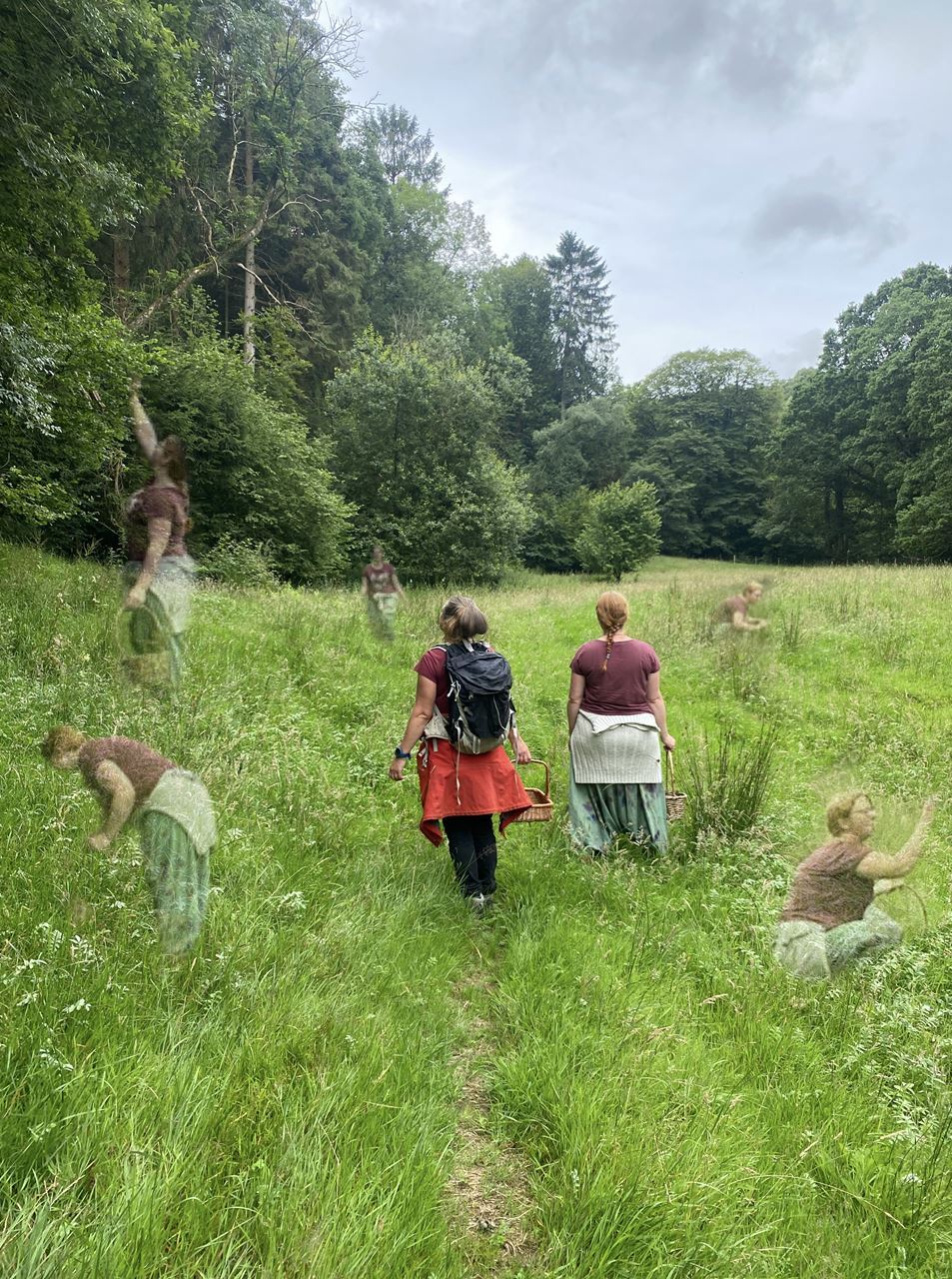
Cut your losses; explore, don’t exploit; fail fast; move on. No, this isn’t a self-help book – it’s how ancient gatherers survived. And thinking in this way may have helped them thrive.
Research published earlier this year indicates that attributes associated with ADHD, such as difficulty concentrating, impulsivity and restlessness, may confer foraging advantages.
With ADHD diagnosis rising in the UK (last year, it was the second most viewed health condition on the NHS website, with 4.3 million page views) and, at least anecdotally, astronomical rises in foraging searches as well, what does this mean for neurodivergent foragers?
The study, released in February, recruited 506 people to play an online foraging game for eight minutes. Players hovered their cursor over bushes to collect berries and were given free rein to move from bush to bush in search of their bounty – albeit switching meant they incurred a slight time penalty.
Those with ADHD symptoms (determined through a survey at the start of the study) typically flitted between bushes more frequently, resulting in them collecting more berries on average – 602 berries compared with an average of 521 by those without symptoms.
“Foraging is this fundamental competence to search for resources in the environment,” says David L. Barack, visiting scholar at the department of philosophy at the University of Pennsylvania and author of the study.
In other words, those symptoms that are often deemed problematic in the modern world may have helped gatherers move from a depleted patch of resources to a more robust, replenished patch. Instead of dwelling on and fully exploiting one area – they explored.
Sam Webster is the founder of Foraging ForAges. As a professional forager with ADHD, she agrees that the condition could be beneficial. The beauty of foraging with a brain hardwired to enjoy exploratory aspects, she says, is, “there’s always something new to learn. It never gets boring. It pushes your boundaries but in a good way.” Foraging also feeds into a primal urge and visceral need, she explains.
“I think it’s something innate in us that needs the outdoors. We are wired to be the hunter gatherers. We are wired to notice. The crap of modern life, like screens and video games, [gives us] a fake kick, [but] when you’re out there and you find a mushroom, for instance – that’s the biggest dopamine hit.”
Neurodivergent foragers – or “neurospicy”, as Sam prefers to call them (the rest, she smiles, are muggles) – also notice important details while foraging. While others may see trees and grass meld into amorphous green, for Sam, the differences are impossible to ignore: “When I look across a hedgerow, my brain is noticing all the different shades of green and the different shapes. The more I learn, the more layers of green blindness I lose.”
Seasonal novelty and the constantly evolving landscape also prevent her from getting bored. “Right now, I’m done with wild garlic. Been there. Done that,” she laughs, “It’s so characteristically ADHD. But come next spring, I’ll be like, ‘Yay! Garlic! I missed you!’”
Another “neurospicy” attribute – “chasing the side quest” – becomes a blessing in the foraging world, allowing her to notice what others might miss. “I can spot a mushroom from a mile off,” she explains. “But I could not tell you where my keys or phone were. It makes sense why foraging is so good for me.”
“Foraging is my happy place,” she adds, “All the busy stuff – the [noise] in my head – quiets down. In that moment, I’m just enjoying the wind, the noises of the birds and the bugs and whatever else is going on. I feel calm, relaxed and just so happy.”
Still, while Sam and many other neurodivergent foragers have reported positive experiences, Barack cautions the study’s findings aren’t a one-size-fits-all panacea.
“Our foraging machinery – our brains – evolved in a world vastly different from the current one, which has so many more sources of distraction and information,” he says. “While being distracted or impulsive might have been adaptive in the ancient foraging environment, our modern infoscape poses new challenges that can overwhelm what would otherwise be an adaptive tendency to search for new and better options.”
Ultimately, the joy of foraging lies in the fact that there is something for everyone, including – but not limited to – the neurodivergent. The Association of Foragers, she says, is brimming with all types – foragers with ADHD, autism and just “plain muggles”. As Sam says: “We’re all special here.”