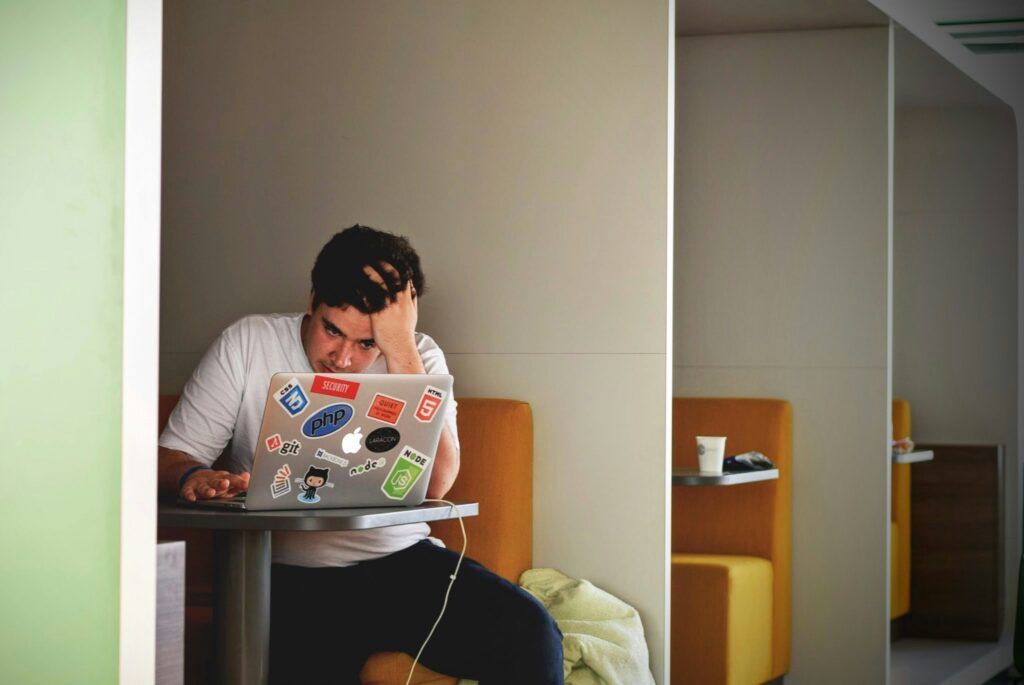
It’s 2am, and you’re still staring at your laptop screen, trying to power through an assignment due in eight hours. You tell yourself: “I’ll catch up on sleep later.” Sound familiar?
For many students, sleep deprivation is just part of university life. Between deadlines, social events, and doom-scrolling on TikTok, getting seven to eight hours of sleep can feel impossible. But what if I told you that those sleepless nights are doing more than just making you feel tired? They’re actively wrecking your mental health.
Let’s break down why missing sleep is so damaging and, more importantly, how you can fix your sleep schedule before it’s too late.
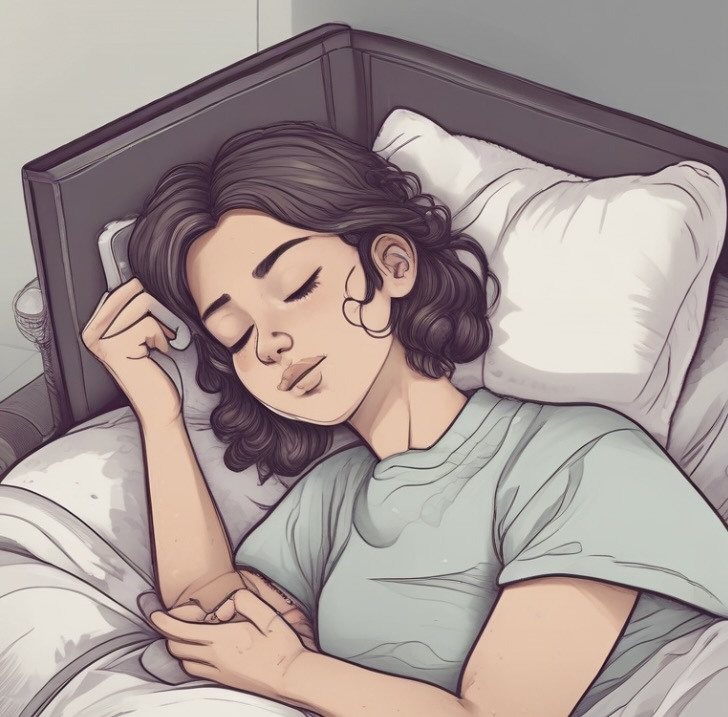
Why Sleep Deprivation Messes With Your Mental Health
We all know that lack of sleep makes us feel groggy, but the effects go way beyond being tired. Sleep and mental health are directly linked, meaning that cutting down on rest can increase your risk of anxiety, depression, and emotional instability.
Sleep deprivation fuels anxiety and stress. When you’re running on empty, your body’s stress response kicks into overdrive. This leads to higher levels of cortisol (the stress hormone) which can make you feel constantly on edge. According to Dr. Matthew Walker, a neuroscience professor at the University of California, Berkeley and author of why we sleep: “Sleep loss increases the reactivity of the amygdala, the brain’s emotional centre, which can heighten stress and anxiety levels.” A study published in The Lancet Psychiatry also found that individuals who get less than six hours of sleep a night are significantly more likely to experience mental distress.
Lack of sleep can also be linked to depression, consistently missing out on sleep messes with the balance of neurotransmitters like serotonin and dopamine, which are crucial for mood regulation. The Mental Health Foundation reports that sleep problems can contribute to the onset and worsening of mental health problems, including depression, anxiety, and even suicidal ideation. Dr. Michael Breus, a clinical psychologist and sleep expert, states: “Poor sleep disrupts the brain’s ability to process emotions properly, making people more susceptible to depression.”
Have you ever noticed how everything feels like a big deal when you’re tired? That’s because sleep deprivation affects your brain’s ability to manage emotions. According to a report by Mental Health UK, lack of sleep leads to heightened emotional reactivity and poor impulse control. A study from Harvard Medical School found that the prefrontal cortex, which is the part of the brain responsible for rational thinking, becomes less active when sleep is restricted, making emotional outbursts and irrational decision-making more likely.
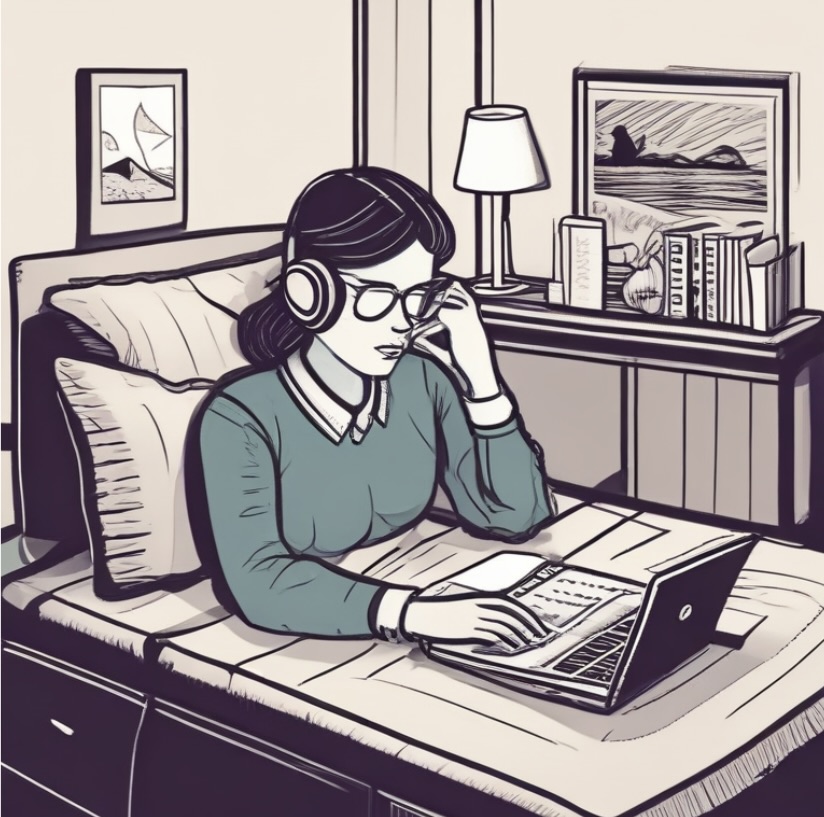
Think staying up late to study helps? Lack of sleep not only impairs memory, but also your concentration, and decision-making skills. Research from the Journal of Clinical Sleep Medicine found that students who regularly got fewer than six hours of sleep performed worse on cognitive tests compared to those who maintained a regular sleep schedule. A survey conducted by My Student Halls found that almost 19% of UK university students are getting less than five hours of sleep per day, and 46% rate their sleep as either bad or fairly bad.
Here’s How to Fix Your Sleep Schedule
Okay, so sleep is important, but how do you get more of it?
Stick to a consistent sleep schedule. Going to bed and waking up at the same time every day helps regulate your body’s internal clock. This consistency makes it easier to fall asleep and wake up naturally. According to the National Sleep Foundation: “Maintaining a consistent sleep schedule—even on weekends—helps reinforce the body’s natural sleep-wake cycle.”
Try not to doom scroll on social media before bed. The blue light emitted by screens can interfere with your body’s production of melatonin, the hormone that regulates sleep. A study from Harvard Health found that blue light exposure before bedtime reduces melatonin production by up to 50%, making it harder to fall asleep. Try to avoid screens at least an hour before bedtime.
Having 3 cups of coffee to get through your day? Not a good idea. Caffeine can stay in your system for up to six hours. Avoid consuming coffee, tea, or energy drinks in the late afternoon and evening to ensure it doesn’t disrupt your sleep. According to sleep specialist Dr. Rafael Pelayo from Stanford University, “Caffeine blocks adenosine, a chemical that promotes sleepiness, making it harder for the brain to wind down at night.”
Create a relaxing bedtime routine. Engage in calming activities, such as reading, meditating, or taking a warm bath. This signals to your body that it’s time to wind down. The Sleep Foundation recommends relaxation techniques like deep breathing or progressive muscle relaxation to improve sleep quality.
Get some fresh air and sunlight during the day. Exposure to natural light helps regulate your circadian rhythm, making it easier to fall asleep at night. Try to spend some time outdoors each day. Research published in Nature Neuroscience found that exposure to natural daylight during the morning improves sleep efficiency and mood regulation.
Take a short nap when feeling tired. While napping can be beneficial, long or late-afternoon naps can interfere with night time sleep. Limit naps to 20-30 minutes and take them earlier in the day. Dr. Sara Mednicki a sleep researcher at the University of California, explains in her TED talk, “Short naps can boost cognitive function, but napping too late in the day can make it harder to fall asleep at night.”
Sleep isn’t a luxury; it’s a necessity for your mental and physical well-being. As a student, it’s easy to sacrifice sleep in the name of getting things done, but the long-term consequences far outweigh the short-term gains. By prioritising rest and adopting healthier sleep habits, you’re not only improving your academic performance but also looking out for your mental health.