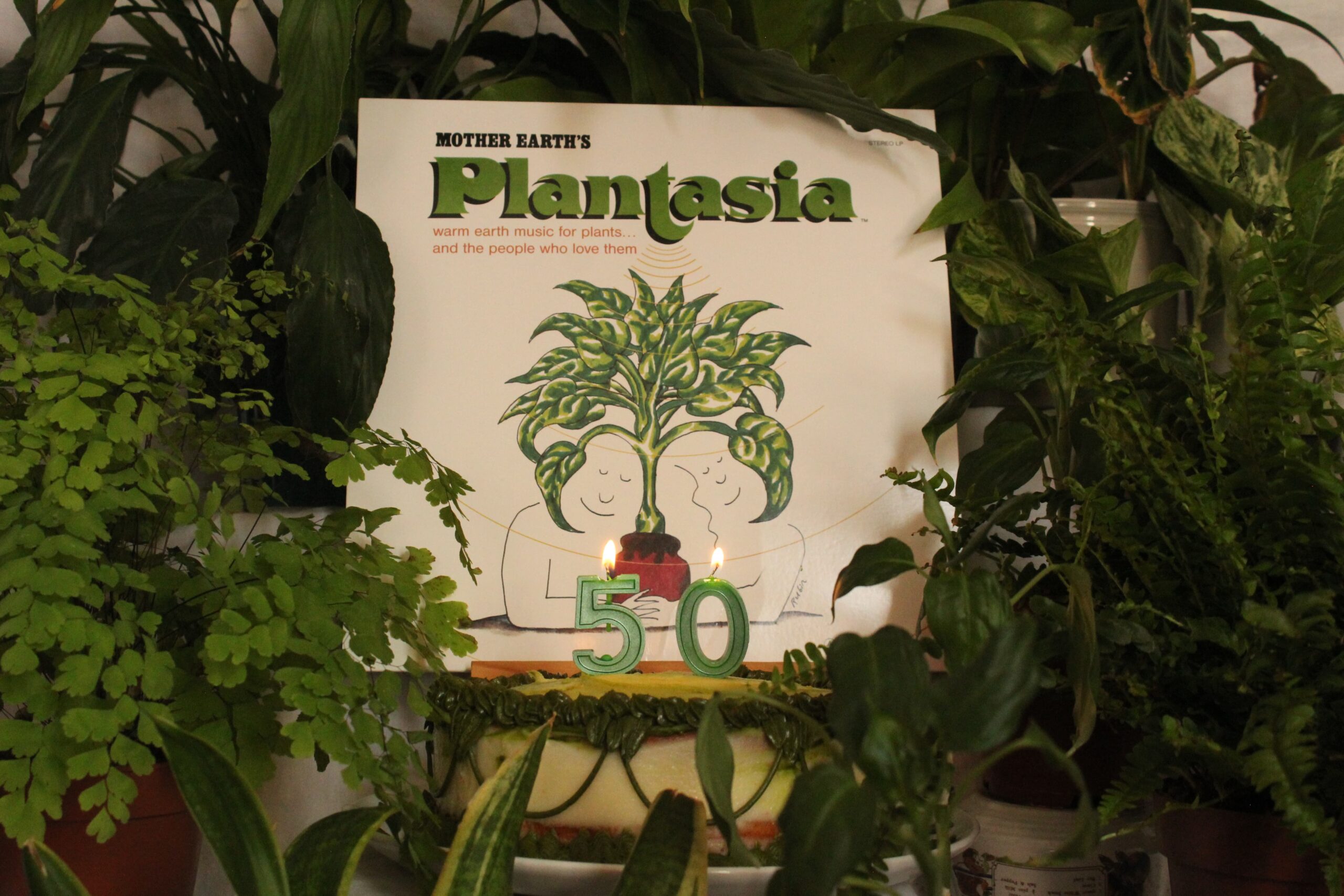
The words on Mort Garson’s gravestone read: ‘the music plays on’. And 50 years since the release of his album Mother Earth Plantasia, he has never been more right. While Mort’s experimental album Plantasia didn’t find the success he believed it deserved at the time, it has since bloomed into a celebrated record-shop find around the world earning new fans across the generations.
Subtitled “Music for Plants and People Who Love Them”, we can’t say for sure what plants think of the album, but Plantasia has proved enduringly popular with its human audience. Today, the 1976 record is a cherished cult-classic in hipster, stoner and underground music communities. Merchandise of the plant-hugging figures on its cover has spread like spring blossoms through the marijuana dispensaries of Oregon, to the vinyl cafes of Shoreditch. Its tracks, each dedicated to a different floral favourite, boast millions of streams on Spotify and original vinyl copies are, ahem, rarer than hen’s teeth.
While its impact is undeniable, the album itself is anything but garden variety. Designed not for people but for plants, Plantasia was conceived as sonic fertilizer and given away for free at a Hollywood plant store. Uniquely for its time, the album is performed entirely on the electronic Moog Modular Synthesiser, a sound Plantasia helped pioneer.
Prune the leaves of the Plantasia story as they are today and you may think it has always borne fruit, but follow the story back to 1976 and you will find its journey was not straightforward.
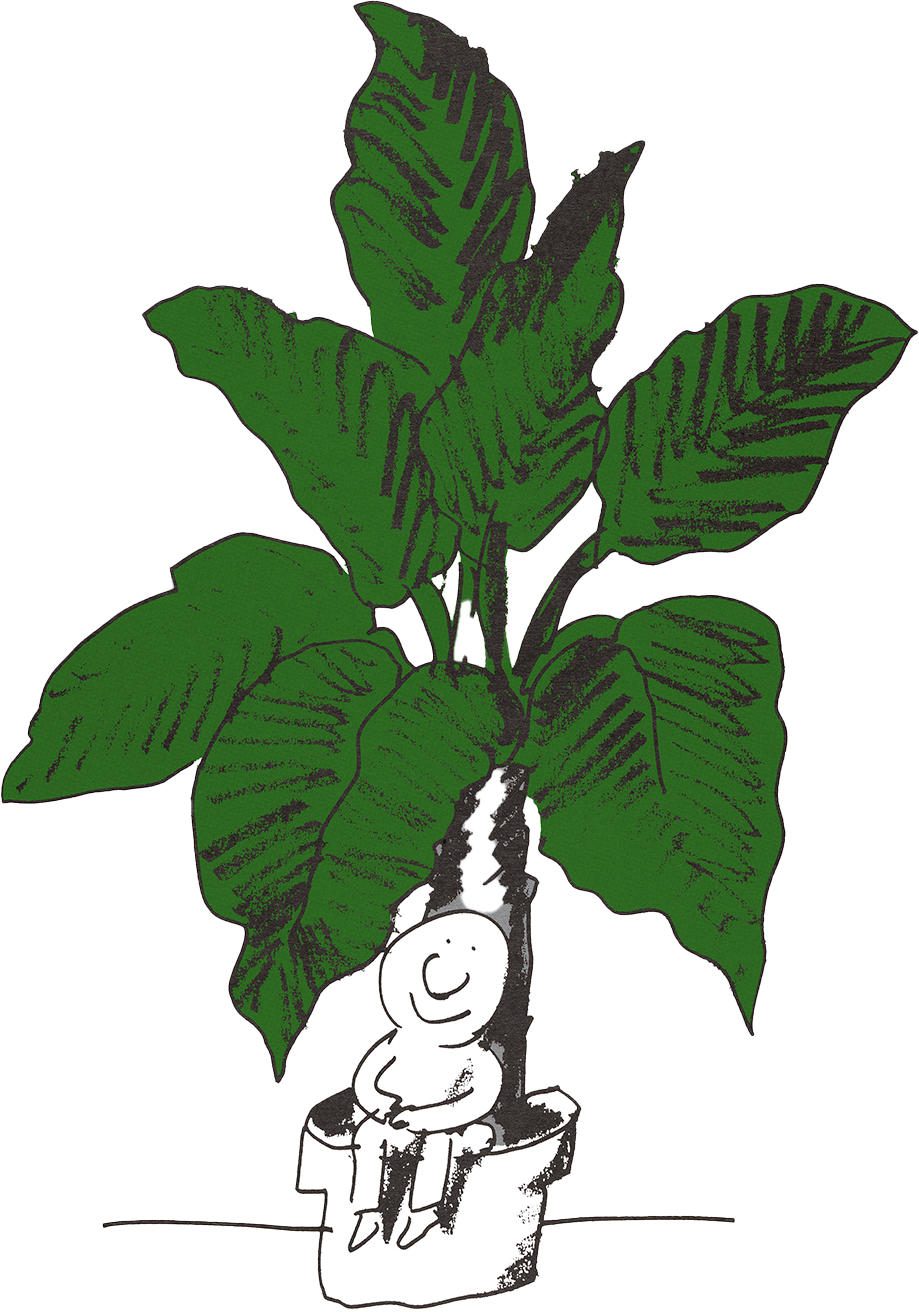
With the 1960s cultural upheaval over, the 70s saw a different kind of revolution hit the USA: the house plant boom. Suddenly, middle Americans were bringing garden favourites indoors, creating the cultural compost from which Plantasia would eventually sprout.
The album’s first seeds were sown at Mother Earth’s Boutique, a pioneering indoor plant outlet owned by ex-TV writer Joel Rapp and his wife Lynn in Hollywood. Joel sadly passed away in 2021 but his daughter Lisa Stanley, speaking over email from LA, says her father swapped “show biz for grow biz” after arguing with his boss and finding comfort talking to the sprouts at his local plant nursery.
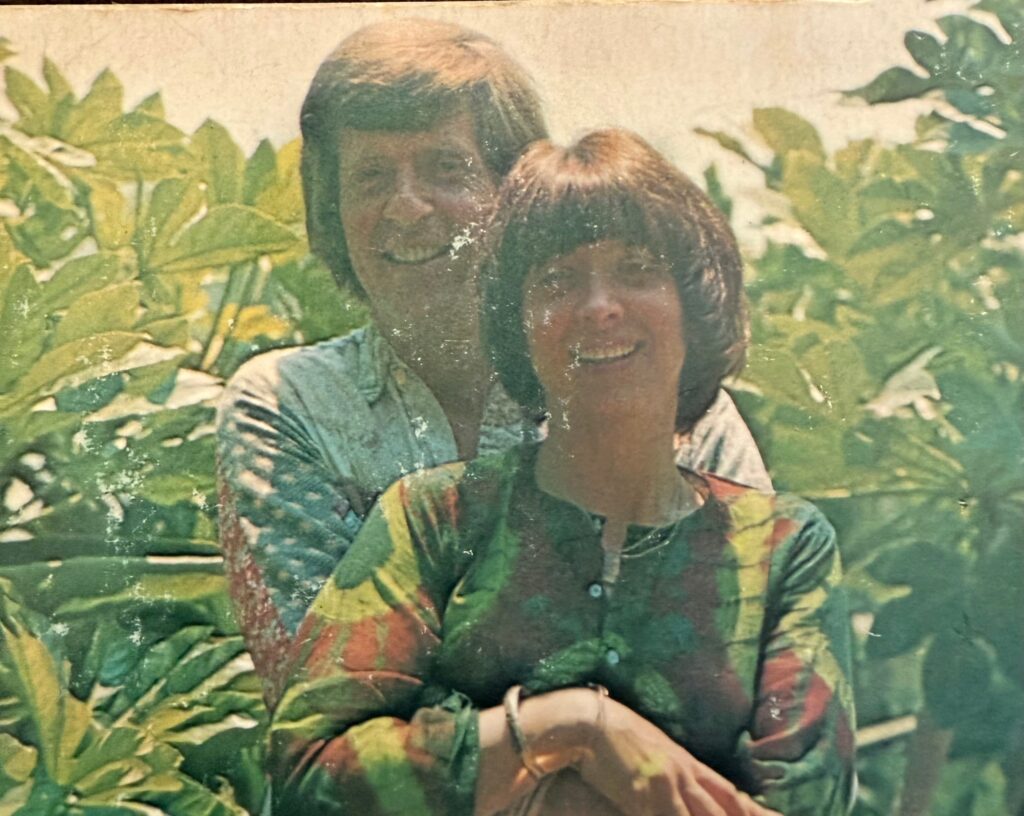
Joel was an ideas guy. The idea of a store selling pre-raised indoor plants directly to the public was a concept he helped cultivate but Joel went even further. He wrote books, taught classes and made the boutique a hangout spot for fellow nature-loving hippies and Hollywood celebrities alike.
But Joel alone did not start America’s “Great Green Rush” as he called it, he had a little help from the American literary phenomenon, ‘The Secret Life of Plants’. The book contained many colourful, if scientifically questionable, claims such as plants’ ability to read our thoughts, predict incoming natural disasters, and most importantly, enjoy listening to music. It was an idea Joel ran with, and he knew just the man to call.
Mort] was never after money. He was after the experience of creation. [[In his Moog era] he found the outlet that could finally bring him back to where he started.
Day Darmet
When Mort Garson was seven years old, he started playing his parents’ piano and never looked back.
After training at the world-famous Julliard music school, he cut his teeth on the Manhattan Jazz scene. Mort would have happily stayed there, had his wife Peggy not urged him to make more money to support their young family.
After penning the number one hit ‘Our Day Will Come’ in 1963, Mort transplanted his family from New York to the West Coast to record an album with Doris Day.
“My dad was running high on the hill then with his music and making very good money, but after he did ‘Our Day Will Come’, he became more commercial,” says Mort’s daughter Day Darmet on the phone from San Francisco. “But a part of his artistic inspiration was expiring inside him.”
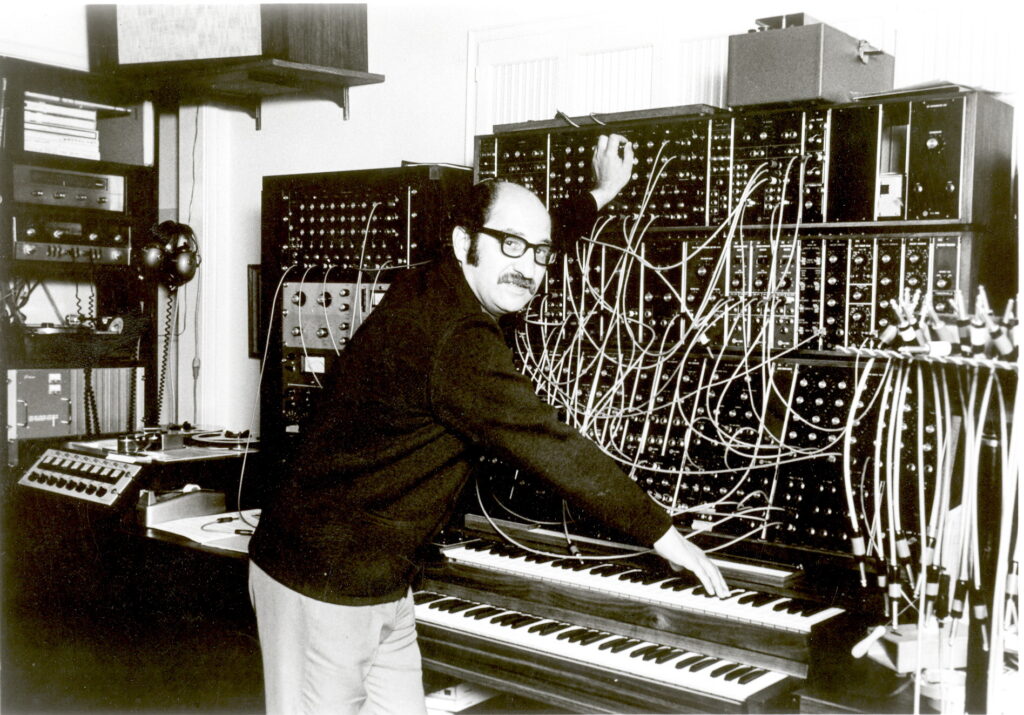
However, Mort’s fortunes would change in 1967 when he attended the Audio Engineering Society’s West Coast convention and met Robert Moog, inventor of the Moog synthesiser. Mort was one of the first people to realise the potential of the machine, becoming one of only 28 private owners at the time.
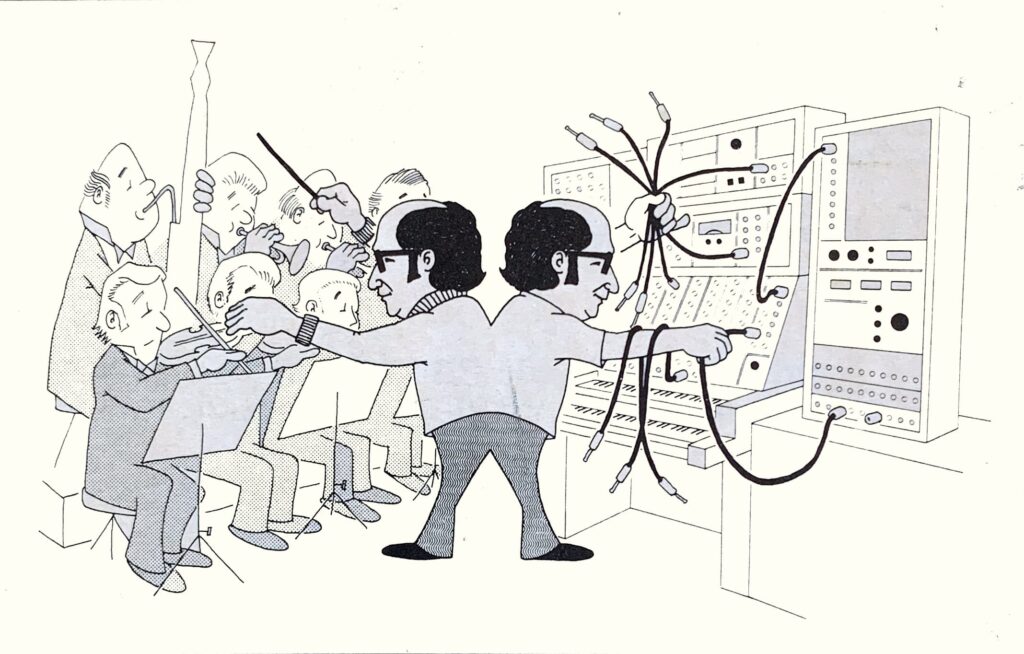
When Mort told his family he was going to purchase a Moog, which cost the equivalent of $90,000 today, they thought he was crazy. “But he found his tool to find his inspirational heart again,” says Day.
A watering can for Mort’s wilted inspiration, the Moog ignited a new and bizarre era in Mort’s music catalogue. His “Moog Era”, as it would eventually be known, included a parody of the Wizard of Oz and a series of dark occult-themed albums such as 1975’s The Unexplained. “At that point my father was pretty far out there,” says Day fondly.
In 1969, Mort was commissioned to write the music for the Apollo 11 moon landing, a moment watched by millions, but despite this, Mort himself remained almost completely unknown.
“[Mort] was never after money. He was after the experience of creation,” says Day. “[In his Moog era] he found the outlet that could finally bring him back to where he started. He didn’t care if he wasn’t going to make money.”
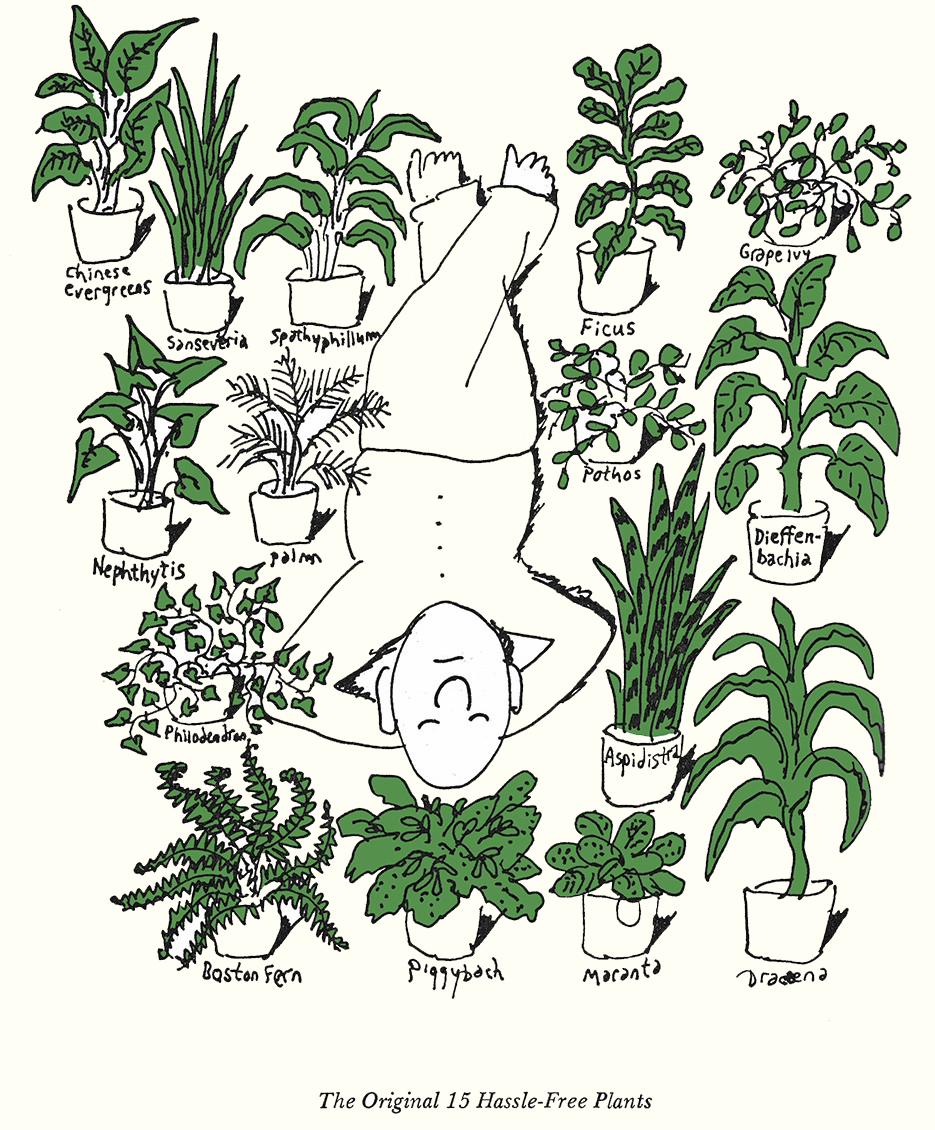
It was in this era that Plantasia was born. Featuring a booklet written by Joel and Lynn with witty and warm plant-care musings complete with similarly whimsical illustrations, the album was given away with sales of selected plants at Mother Earth’s Boutique. But while the album should have been a slam-dunk with the open-minded hippies of the era, the reality was less rosy.
Day’s memories of Plantasia’s release are understandably foggy as she was just 21 at the time, but she still recalls a day she and Mort travelled to the Bill Graham Auditorium in San Francisco to sell copies of the unique album.
“My stand, where I was selling, was not popular,” she says. “The world was just not ready for it.”
Plantasia] meant a lot to him, and he didn’t understand why people weren’t going as crazy about it as he was
Day Darmet
Despite Mort’s creative resurgence, Plantasia flew under the cultural radar, a fact largely blamed on the strange method of its release as it was given away not just with plants, but with mattresses too.
“I just remember the feeling on the interior of the family was, ‘What are you doing? That’s crazy’. I mean most artists, even today, aren’t going to be selling their music in a mattress store,” says Day. “But [Plantasia] meant a lot to him, and he didn’t understand why people weren’t going as crazy about it as he was.”
After Plantasia’s release, Mort started to feel the consequences of his strange musical output. “In Hollywood, you’re only as good as your last song,” says Day. “My dad wasn’t producing the kind of music that sold anymore… we lost a chunk of change.” Despite a few promising projects, Mort never truly got back on his feet financially.
As the seasons changed, the world moved on. Mother Earth’s Boutique closed when Lynn left Joel for another woman, the 70s counter-culture gave way to the consumerism of the 80s and Plantasia was a forgotten footnote of an era now passed. Mort Garson died in 2008, aged 83, before ever getting to see Plantasia’s late blossom.
He worked so much and was involved in so many things that you would think that there’d be novels written, but there’s really nothing
Caleb Braaten
Plantasia’s fortunes began to change in the 2000s when an unofficial upload to YouTube introduced it to a younger generation who proved much more receptive to its unique sound. One man who saw the genius of Mort’s work was Caleb Braaten, CEO of Sacred Bones Records. “What we’ve been trying to do is gather as much information as possible and try to tell the story of Mort Garson,” Caleb says. “He worked so much and was involved in so many things that you would think that there’d be novels written, but there’s really nothing.”
“Plantasia is so immediately nostalgic,” adds Caleb. “I think that’s the magic of the record. It feels familiar, even if you’ve never heard it and I have a theory that it’s because of the Legend of Zelda.”
The influential 1998 game, The Legend of Zelda: Ocarina of Time’s soundtrack included a song that featured a resounding similarity to Plantasia’s Concerto for Philodendron and Pothos.
“There’s a lot of video game music from that era that owes a debt to Plantasia,” says Caleb. “It’s nearly impossible to pinpoint the reason why something catches on, but that is my best guess as to why it feels so familiar.”
While videogames may have prepared the public for Plantasia’s arrival, it found its most dedicated audience not in potted plants but potted people.
In 2019, the HBO series High Maintenance featured a scene wherein a stoner plays Plantasia’s title track for his weed dealer as they go through a car wash. The harmonious “Oh YEEEEEAH” from its two listeners rang true for the legions of new fans who were now spinning the album – stoners and non-stoners alike.
This renewed popularity would eventually culminate in Sacred Bones Records releasing an official remaster of Plantasia in 2019, the album’s first international vinyl pressing, which remains one of the label’s bestsellers today.
There’s a deep irony that in 2026, the album that once littered the dollar store bins of LA is now a holy grail record store find with original 1976 copies fetching hundreds of dollars online.
Despite the difficulty it caused the Garson family, Day is content that Plantasia found its audience even 50 years later. “I think Mort would be so happy [to see Plantasia’s success],” says Day. “Not in an egotistical way, just in that way when your art is finally seen and appreciated and acknowledged. It makes me feel really joyful that my father got what he wanted. He got heard.”
Featured Photo By: Alex Burns