About
Editors Letter
Dear Reader,
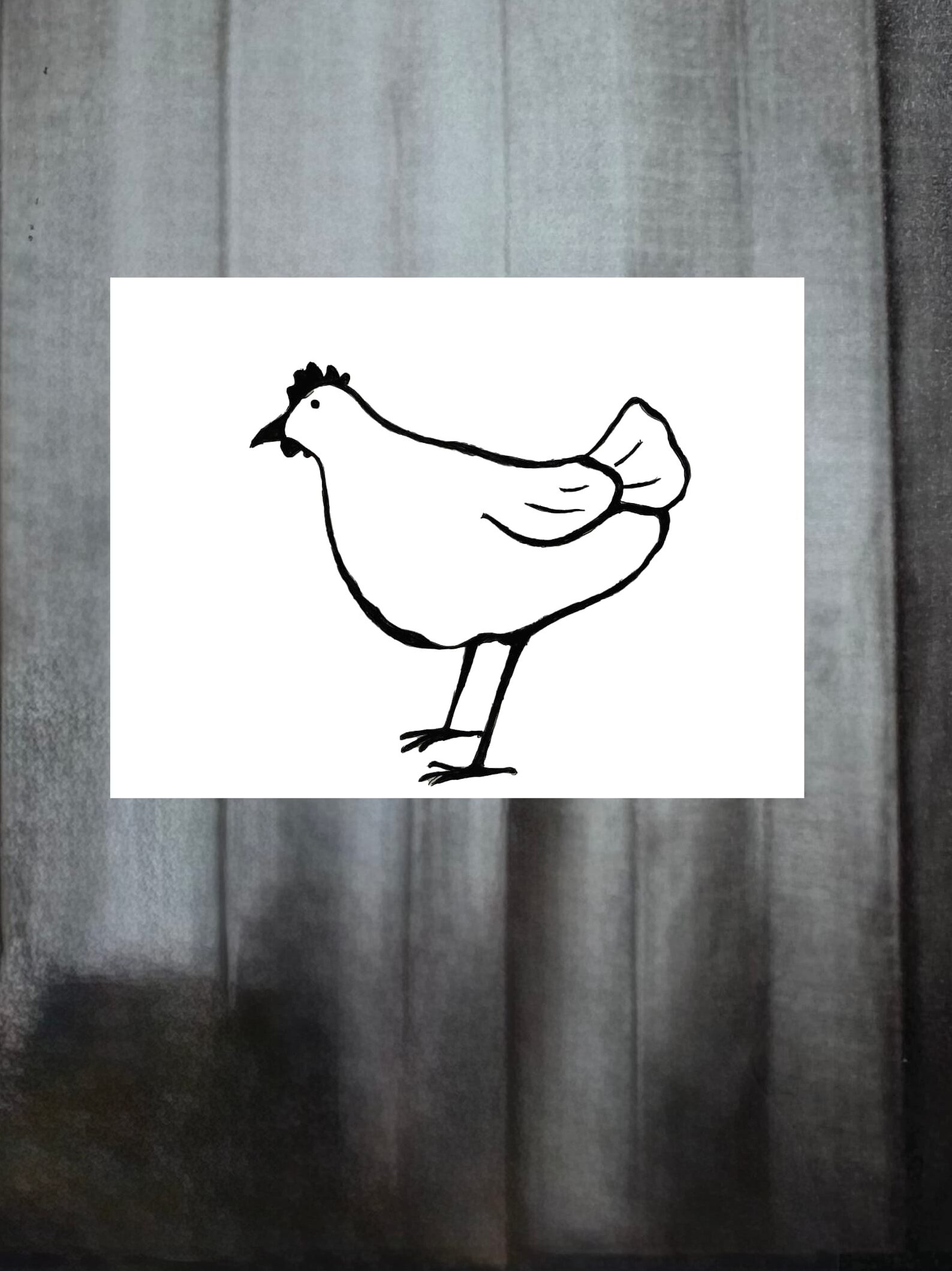
“Hen’s teeth” has long been used to describe something extremely rare, unattainable or non-existent. Though its origins are murky, it seems to have first appeared in 18th century England, used as a way to describe an imaginary item which a gullible person may be sent as a joke. In America, the phrase surfaces nearly a century later as a common newspaper expression, appearing from Boston, Massachusetts down the coast to Raleigh, North Carolina. In 1851, Herman Melville popularised the saying when he adopted it in Moby-Dick: “Whales are scarce as hen’s teeth whenever thou art up here.”
It isn’t just an English phrase. The common French idiom “quand les poules auront des dents,” used casually to mean never, not a chance, translates directly to “when the hens have teeth.” The first known usage of the phrase appears in a passage by Jean-Charles-François Tuet in 1789.
“Les anciens, pour dire qu’une chose n’arriveroit jamais, disoient encore qu’elle arriveroit quand la mule auroit mis bas, quum mula pepererit. Les Picards disent, quand les poules auront des dents.”
“The Ancients, to say that something would never happen, also said that it would happen when the mule would have given birth. People from Picardy say, ‘when hens have teeth.”
It felt only right that a phrase this well-travelled should find a new home. Here in these pages, “rare as hen’s teeth” becomes a celebration of the strange, rare and wonderful things that make us human, from the curious ways we spend our time, to the traditions we carry forward and the objects we fill our homes with.
Inside, you’ll find stories of fishermen practicing poetry, the making of a cult album recorded for plants to listen to, a community keeping traditional Afro-Cuban music alive and more. We hope this small glimpse into the rare and remarkable lives of humans piques your interest and inspires you to embrace your own eccentricity.
Thank you for spending time with us.
Warmly,
Harper Mahood
Meet The Team





Follow Hen’s Teeth on Instagram for more updates