Stories of conflict, compromise and survival in London’s shared housing
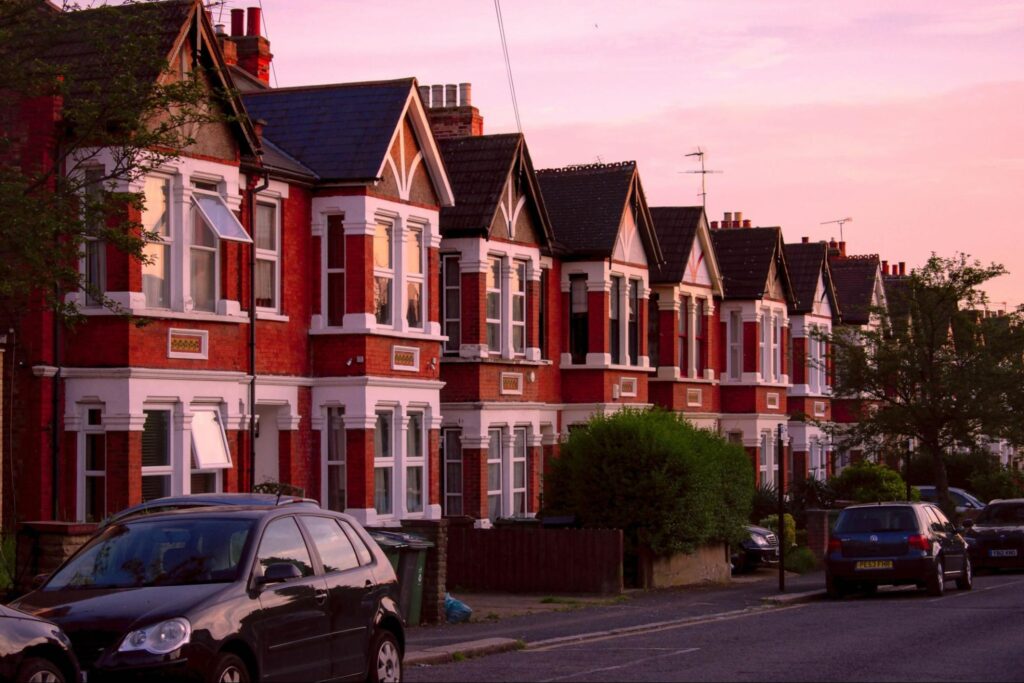
For many people living in shared housing, a flat can feel more like a place to stay than a home. When accommodation is less than ideal, the behaviour of a housemate can be a make-or-break factor for wellbeing.
In London, where rent continues to rise, many people choose to sign short-term contracts, making living with strangers an inevitable option. Yet affordability often comes with its own share of horror stories from these tenants. My experience is probably typical: filthy dishes, loud telephone calls and flatmates who refuse to pay their fair share of bills.
In a special issue of the Journal of Housing and the Built Environment, Henry Coolen and Janine Meesters distinguish between the two: a dwelling is simply a physical structure, whereas a home carries meaning, attachment and identity. Housing psychologists similarly describe the home as a primary anchor, a space of shelter and concealment.
In a 2024 study, Practices of Homing, Dr Willecke argues that home is not a fixed place but something actively produced through practice. “Home is frequently associated with having something ‘of one’s own’ or with exercising a certain degree of control over space and routines,” she says. “However, they are not necessarily grounded in permanence; rather, they can be fluid and processual.”
Willecke also describes the home as multi-layered, extending beyond the flat itself to neighbourhoods, workplaces and cities. “In situations where the dwelling itself feels unstable or temporary, other places may take on the function of home… Everyday places and spaces of wellbeing become particularly important and may compensate for the perceived instability of the dwelling.”
In this context, conflict is not just about dirty dishes or unpaid bills. It disrupts the routines that allow shared spaces to feel personal. While “conflict within shared accommodation is normal”, Willecke notes that the social environment is crucial. “If cohabitation becomes persistently conflictual or incompatible with an individual’s needs, this may counteract feelings of home.”
Research suggests that when this sense of home weakens, the psychological consequences can be significant. A 2023 study in the Journal of Mental Health finds that among 904 students living in shared accommodation in England, 21.9 per cent meet the criteria for moderate depression and 25.55 per cent for moderately severe or severe depression, with unresolved flatmate conflicts strongly associated with these outcomes. While most use communal areas, 13.2 per cent choose not to use them to avoid conflict.
There is no way of knowing who you will live with before signing a lease. Even if you could, you would not know the exact kind of flatmates they would be. Once you move in, the transformation from dwelling to home depends not only on you, but on everyone else who shares the space.
We asked three flat-sharers about their worst flatmate experiences and what they learned about trying to build a sense of home in places that never quite felt like one.
The one with a careless flatmate
Juniper’s first reaction is shock as he looks at the message telling him to come home immediately, pack his belongings and move into a hotel. The 22-year-old law student from Iran, who lives in Colindale, has been given just six hours.
“Obviously I was in shock,” he says. “What do you mean I’m being evicted from my own house? And on top of that, I was only given six hours to move everything into a small duffel bag.”
The cause, he later discovers, is a kitchen accident. One of his flatmates leaves a pot of oil unattended on an active stove. Two other residents notice smoke filling the room and open a window to ventilate it. Not knowing the smoke is starving for oxygen, they unknowingly feed air into the room, causing a dramatic plume of smoke and fire to ignite. The sprinklers activate in the kitchen, and the sprinkler system in the flats adjacent to the kitchen releases water, causing a flood in the kitchen and down the corridor and affecting the rooms in the flat. Seven of the 10 ensuite flats are flooded, leading to severe property damage.
The hotel becomes Juniper’s home for the next three months. “All of our personal belongings in the flat were relocated to a storage unit by a third-party storing company,” he says. “I lost some of my own belongings including my textbook, my cooking pot and some stationery that was worth around £60 altogether, and insurance did not cover this loss.”
After the fire, the flat no longer feels like a place to return to. Conversations revolve around blame – who is responsible, who has been careless, who has suffered the most damage.
Juniper’s story shows what happens when a shared flat fails entirely; when the attempt to turn shared accommodation into a home is dramatically interrupted.
The one with the partying flatmate
Anjola, 22, moves from Nigeria to London for university. Not long after settling into her new flat, a housemate asks if he can invite friends over for drinks and casual games.
“I was hesitant at first,” she says. “I wasn’t really comfortable with the idea of inviting a group of strangers into a place I live in. And on top of that, I’m not exactly a drinker.”
She agrees, but the evening quickly goes downhill.
For Anjola, adapting to flatmate behaviour is intertwined with adjusting to life in a new country. Like many international students, she feels an unspoken pressure to appear accommodating and easygoing while still learning the social norms of shared living in the UK. Saying yes feels less like a genuine choice and more like an attempt to make a good first impression in an unfamiliar environment.
When his friends arrived, “I tried to socialise,” she recalls. “But somehow no one knew one of them is allergic to alcohol, and this girl had a severe reaction after a few shots.”
The situation quickly escalates. “She started projectile vomiting everywhere, including the bathroom, the living room and even on the walls.”
An ambulance is called, and when the paramedics arrive, they have to change the girl’s clothes to perform CPR and later transport her to the hospital.
“The entire scene was just disgusting,” she says. “Especially when I just moved in and was still trying to adjust myself in this new house, I wasn’t ready to deal with any of this. And because it all happened in our apartment, I had to help clean up the mess, which was a nightmare.”
The experience forces Anjola to confront her flatmate and set clear boundaries around how many guests can be invited over and under what conditions.
“I think it’s important to communicate with your flatmates to make sure everyone is comfortable in the space they live in,” she says.
For Anjola, the incident is not just about a disastrous party. It is the moment she learns that feeling at home in a shared space is not built only on kindness. It also depends on being able to say no.
The one with the noisy flatmate
Max is a university student from Huaian who moves to London for his first year in 2023. His Albanian flatmate wakes up every weekday at 5am to do hours of makeup before school.
“The walls in my apartment are very thin, so the sounds she makes when she’s preparing herself are very loud,” he says. “She would also play loud music in the background as she gets ready for the day. I tried confronting her, but she wouldn’t listen, so I had to constantly put on headphones.”
After months of tolerating her inconsiderate behaviour, he starts making attempts to move out.
“The process was long and complicated due to some problems with the landlord and the contract, which eventually led to a longer tolerance period. Eventually, I managed to move out and find myself a group of respectable flatmates near my university.”
Tolerance often becomes a survival strategy rather than a passive choice. Many residents face financial and contractual barriers that make relocation difficult, leaving them to endure uncomfortable living conditions. Others fear that confrontation may worsen the situation, particularly when they have no alternative support networks in the city.
In Max’s case, he has to tolerate his flatmate for a few months until he can sort out the paperwork for moving out at an earlier date.
What can you do if you have a bad flatmate?
In cities like London, where housing affordability often forces young residents into shared flats with strangers, these experiences are becoming increasingly common. For many, shared housing is not a temporary stepping stone but a stage of early adulthood, where identity, independence and emotional perseverance interplay alongside rental contracts and communal kitchens.Mental health professionals warn that prolonged tension at home can lead to serious psychological effects. According to a report by Naya Therapy, some of the common psychological impacts include sleep disruption, avoidant behaviours, social withdrawal and reduced productivity. When someone begins to feel anxious in their own living space, it may signal that the environment is no longer healthy.
So what can you actually do?
Communicate.
Many experts stress the importance of setting expectations early. Clear conversations about cleaning, noise, guests and shared expenses can prevent resentment from building.
Know your rights.
If communication fails, check your tenancy agreement. Housing charityShelter advises that your rights differ depending on whether you are joint tenants or renting separate rooms under individual contracts. In serious cases, such as harassment, threats and unsafe living conditions, tenants may contact the landlord or seek professional help.
Prioritise your wellbeing.
If neither of the options above resolves the issue, it may be necessary to reconsider the arrangement entirely.