From energy-saving kitchen tools to clever comfort hacks, practical gadgets help international residents thrive without breaking the bank
From shared flats to older buildings with inefficient heating, many temporary residents quickly realise that daily comfort often comes with compromises. These challenges are not just financial – limited privacy, long waits to use appliances and adjusting to unfamiliar living conditions all come into play.
London, consistently ranked among the world’s most expensive cities, presents a unique challenge: how to stay comfortable without overinvesting in a space you will not occupy permanently. Rather than permanent home upgrades, small, affordable gadgets can make a noticeable difference, helping residents save energy, protect privacy and manage daily routines more efficiently.
Interlude has explored some practical, low-cost gadgets that help internationals live smarter in London without treating a temporary stay like a permanent one.
Budget-friendly cooking essentials
A 2025 report by Essential Living estimates that one-bedroom flat bills typically cost £150–£250 for gas, electricity and water, plus £25–£35 for internet and £13.25 per month for a TV licence. Bills rise in winter, though energy-efficient appliances and smart meters can reduce usage.
Smart meters (IHDs) let you track and adjust energy usage. Install one within five metres of your electricity meter and watch consumption change as you switch appliances on. Installation is free via Smart Energy GB.
Air fryer – £50, John Lewis
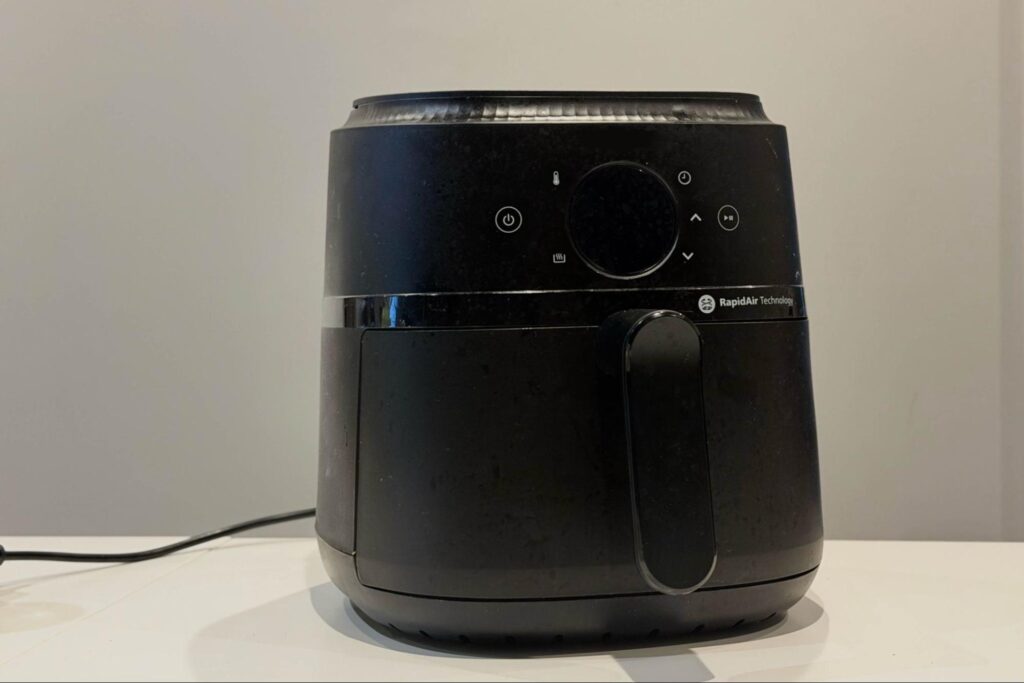
In many cases, an air fryer can save you money on energy costs, especially when you are cooking small portions. According to a blog post from the Energy Saving Trust, cooking a 600g chicken breast costs around £0.15 in an air fryer, compared to £0.21 in an oven. Air fryers come in a range of prices depending on their size and features, but their energy efficiency is a consistent advantage. To get the best savings, choosing the right size air fryer for your household is key.
Sania, a 20-year-old international student, says that her air fryer “does save time and energy”, though the only drawback is that “it can be expensive depending on the brand”. Overall, she stresses that it is “definitely worth it in the long term”.
Crockpot — £75, Amazon
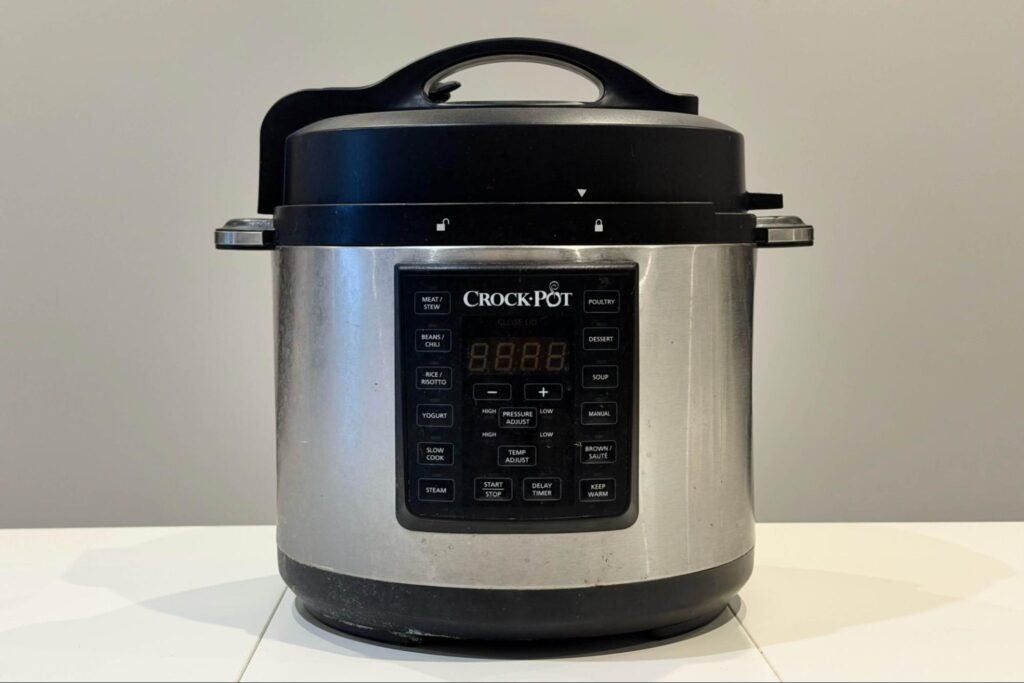
Crockpot, Thursday, Mar 5, 2026. (Photo/Anson Fung)
Slow cookers are energy-efficient, versatile and convenient for busy schedules. Uswitch reports that running a crockpot costs £11.33 per year compared to £87.43 for electric hobs. Farmison & Co adds that crockpots draw about the same energy as a light bulb despite long cooking times.
Trevina, a minimalist student, explains: “My crockpot has allowed me to save time and my own energy. After a long day, I can prepare meals in advance so they’re ready when I need them”.
Improving shared homes
Living with strangers brings unique challenges, from limited privacy to appliance sharing. Simple gadgets can make a noticeable difference.
Door stopper – £12, Argos
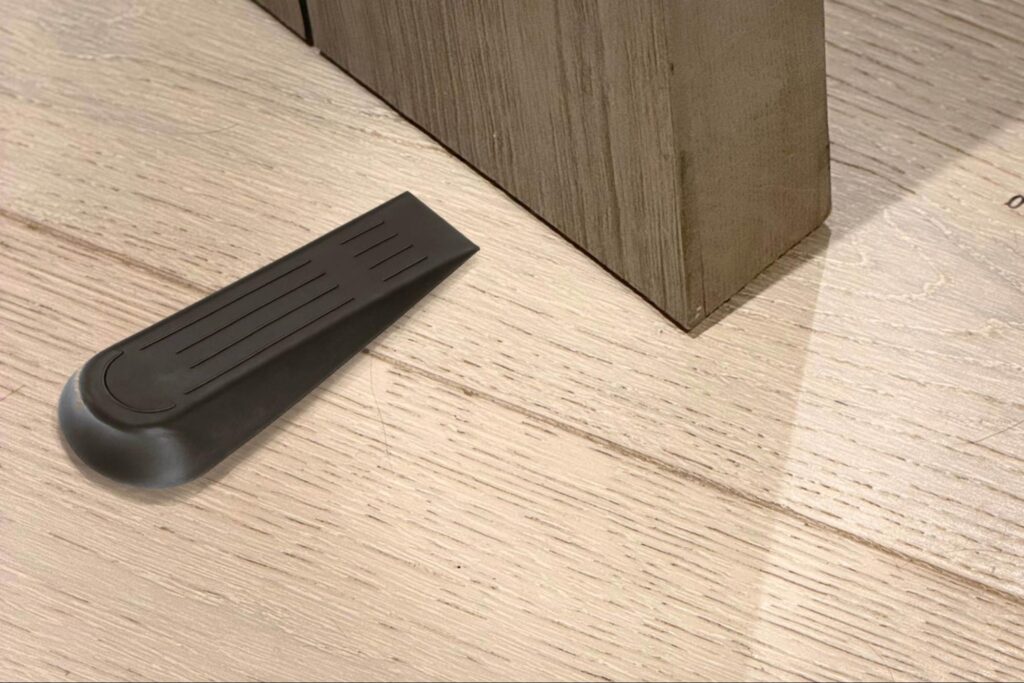
A door stopper may seem like a simple gadget that most people would not think twice about, but when you are living abroad in shared spaces, especially with strangers, it can be surprisingly useful. Without individual room locks, tenants may feel uneasy knowing flatmates could enter their rooms at any time.
Placing a door stopper under the door helps prevent unwanted entry while you are inside. While it is not a replacement for a lock, it is a cheap and practical solution for rented homes where structural changes are often not allowed.
Markus, an international student, explains how he finds his door stopper useful in shared spaces: “I use my door stopper to let people know I’m in my room without completely opening the door”.
Clothes steamer – £40, Argos
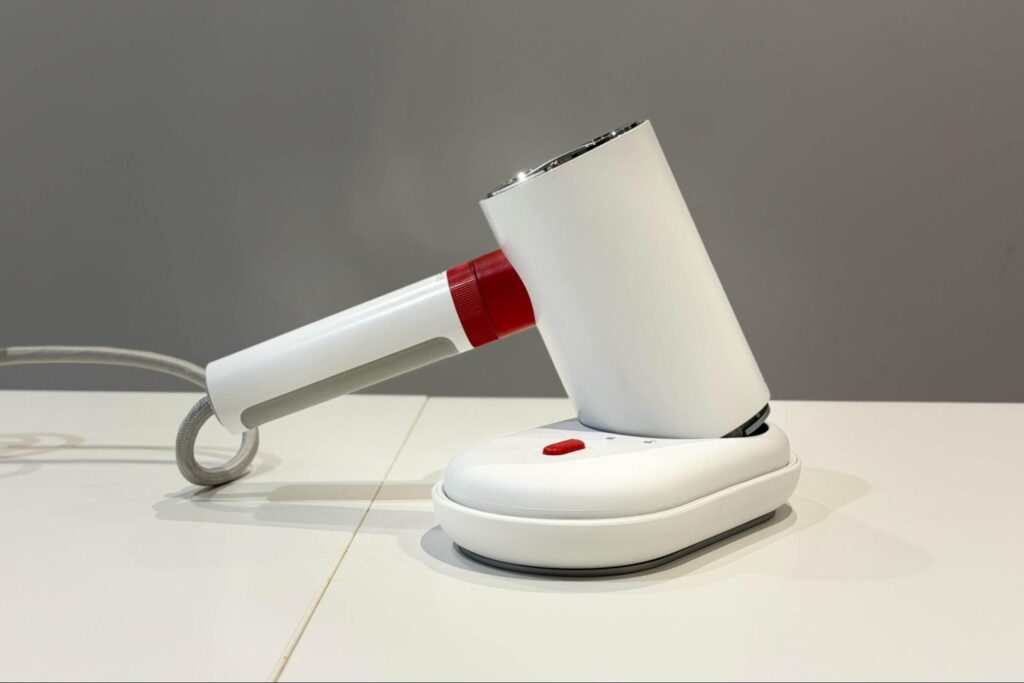
Steamers are often more sustainable and cost-effective. They can refresh lightly worn clothes that are not dirty enough for a wash, saving water, energy and unnecessary laundry loads. Steamers use far less water and electricity while still removing wrinkles and freshening garments.
From my experience, they also offer benefits beyond savings. Steamers are quicker and easier to use than irons, lowering the risk of damaging clothes. Unlike ironing, which uses direct heat and pressure that can fade colours, burn fibres or leave marks, steaming is gentler and can help extend the lifespan of garments.
Cherry, a university graduate, says, “I think it’s really important to give a first impression through your clothing and fashion choices. A steamer is easier to use than an iron because you don’t need to set up an ironing board. You can just stand next to the clothing then pull and tug at the garment to steam the wrinkles out. It’s just a little detail that really elevates your presence”.
Improving daily comfort & living conditions
Saving money doesn’t mean sacrificing comfort. Small appliances can reduce costs while improving convenience.
Inflatable clothing dryer – £28, Amazon
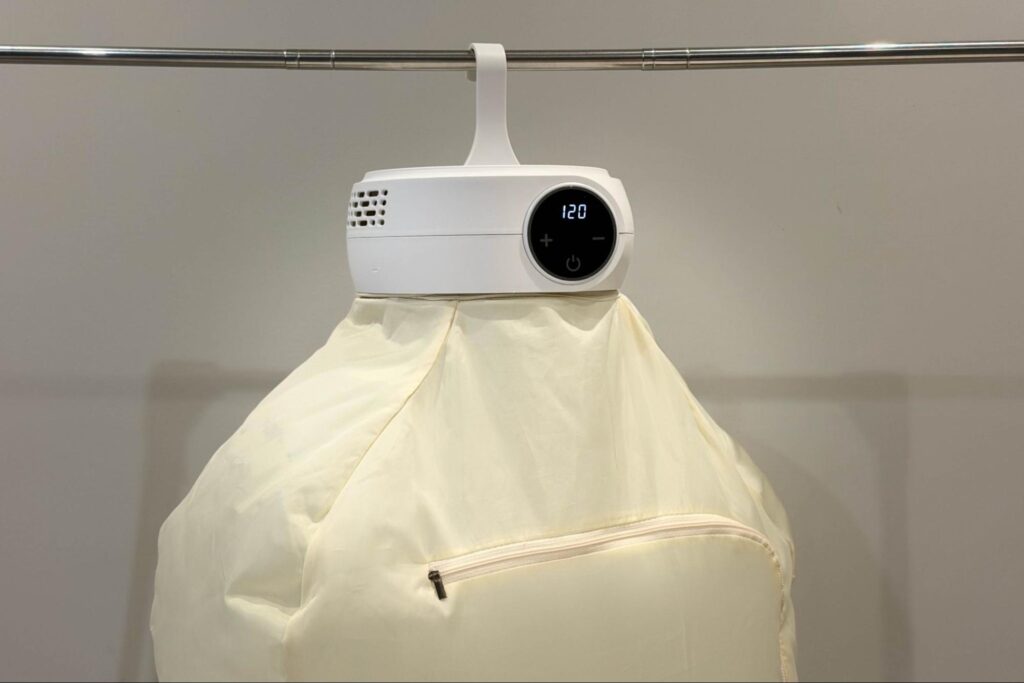
One of my favourites on this list is the inflatable clothing dryer. With its two-in-one function of drying clothes while flattening wrinkles, it requires almost no manual effort. All you need to do is hang it up, plug it in, load your clothes and switch it on. Compared to a tumble dryer, it also uses far less energy, making it a more efficient option for shared homes.
Thomas, a university graduate, explains that his inflatable clothing dryer is one of his best buys so far: “I bought my dryer from Amazon just because I was bored and thought why not. Little did I know this product would greatly benefit my laundry days as it dried up my clothing and bedsheets within hours. Since I am a minimalist, I don’t like buying spare sheets or clothes. With this dryer, I can wash, dry and use my bedsheets and pillow cases all on the same day”.
Water softener / filters – Various, Amazon Shower filter, Tap filter + Tap filter replacements
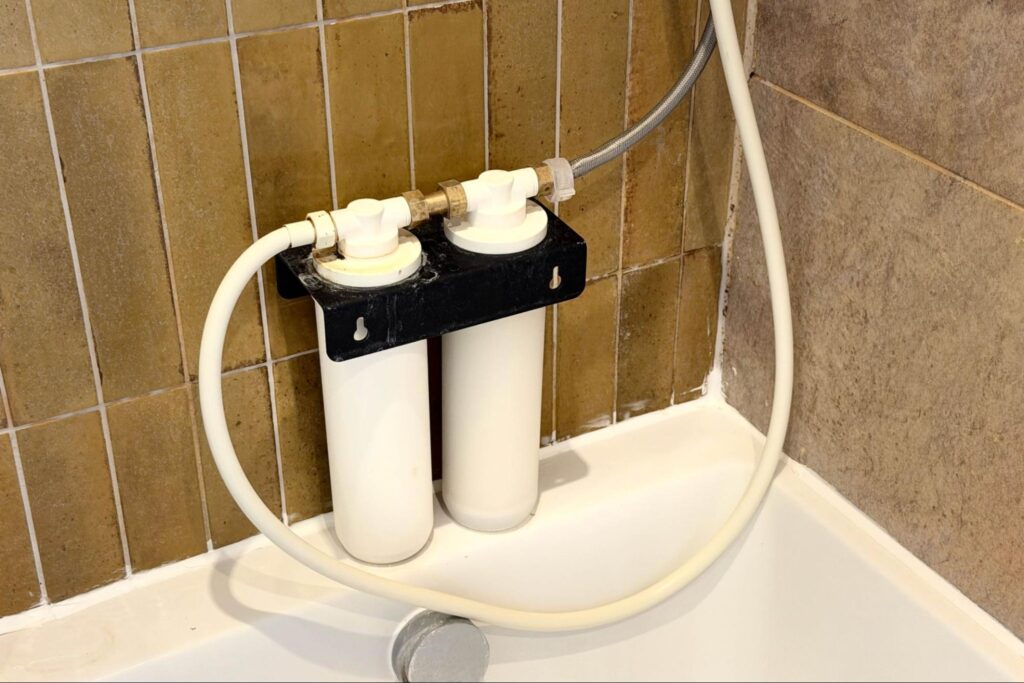
A common issue pointed out by many international residents in London is that the hard water here causes significant hair damage. Water that falls as rain is naturally soft, but when it passes through underground rocks, such as limestone or chalk, it picks up minerals like calcium and magnesium, which makes it hard.
Various studies, including a Healthline article, state that hard water can lead to breakage, thinning and frizziness of the hair, and cause dryness of the scalp. A British Vogue article also highlights that the minerals left on the skin can clog pores and cause dryness. Common problems like acne, hair loss and eczema are all linked to the effects of hard water.
To define the difference between soft and hard water in simple terms: water that falls as rain is naturally soft, but when it passes through underground rocks, such as limestone or chalk, it picks up minerals like calcium and magnesium, which makes it hard. The hardness of water is measured in parts per million (PPM). You can identify the hardness of the water in your area by entering your postcode on the Aqua Cure website.
The most common solution to these issues is to install a water softener. If you are living in a rented property, discuss this with your landlord before installing the filter. As suggested by the name, these gadgets allow users to convert hard water to soft water, improving their skin health. Prices vary depending on the quality of the filter and the source of water the user wants to filter.
Trevor says that his water filter is a bit of a hassle to install, but he thinks it is definitely worth it: “I did a bit of research into water softeners and I realise using hot water for showering will lead to multiple problems such as poor hair quality and increased likeliness of acne.
Since I live with my sister I decided it would be a worthy investment to get a water filter if it could avoid these issues and I must say it seems to have improved my skin quality. Our skin has become relatively smoother ever since we started using the filter so if anyone is concerned about that, I would really recommend a water softener.”
Staying warm in cold London weather
These British winters are so cold. Adjusting to the damp winters in the UK without resorting to having your central heating on all the time might need some savvy solutions.
Heated vest – £50, Currys
Electric bed warmer – £35, John Lewis
Heated blanket – £29, Amazon
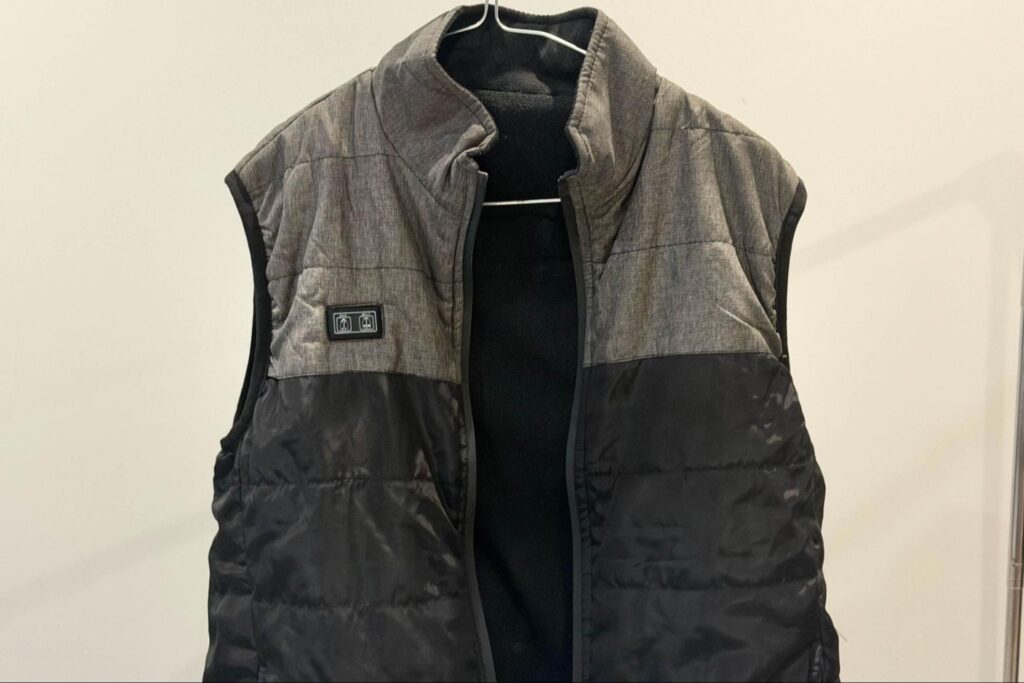
Heated vests may seem like an outdoor option rather than something to use at home and, although that may be true, these vests can help save on energy and gas bills. According to a Mirror article based on advice from Martin Lewis’ MoneySavingExpert, heating yourself rather than the entire house is much more cost-efficient during chilly weather. Heated vests are great for moving around the house, especially when you are trying to avoid using the heater.
Another way to keep warm without turning on radiators is by using bed warmer sheets or heated blankets, both of which are affordable options. These are energy-saving alternatives that warm you up quickly and are ideal when you are stationary in the house, whether you are on the sofa or in the comfort of your bed.
Alissa, a university student in her third year in London, says, “My heated blanket has been a game changer. It cuts my heating bills, warms up my space in minutes and keeps my room toasty without turning on the central heating”. She loves how fast it heats, though she notes it can dry out her skin and make her unusually thirsty. She also warns that it requires caution, as she always double-checks it is switched off before leaving. Despite these downsides, she still recommends it for students as it is “affordable and much safer than using a space heater”.