From the first night’s panic to the quiet rituals that slowly make a foreign city feel like home
Moving to London in your 20s is quite exciting, whilst at the same time, a bit frightening. Before the city becomes familiar, you must navigate the awkward, in-between stage of settling in: unfamiliar supermarket aisles, lost luggage, and empty rooms waiting to be claimed. Settling in is rarely about special moments; it happens in the small decisions of what to eat for dinner, and how to make a cold rented room feel warm.
Here, four temporary residents – Abaan Sheik from India, Sharon Tan from Malaysia, Elham Hassan from Afghanistan via Italy, and Scarlet Moloney from Ireland – share the purchases, routines, and people that helped them find their footing in the chaos.
Stage 1: The arrival chaos
Arrival unfolds through paperwork, wrong turns, and small logistical shocks that accumulate into disorientation.
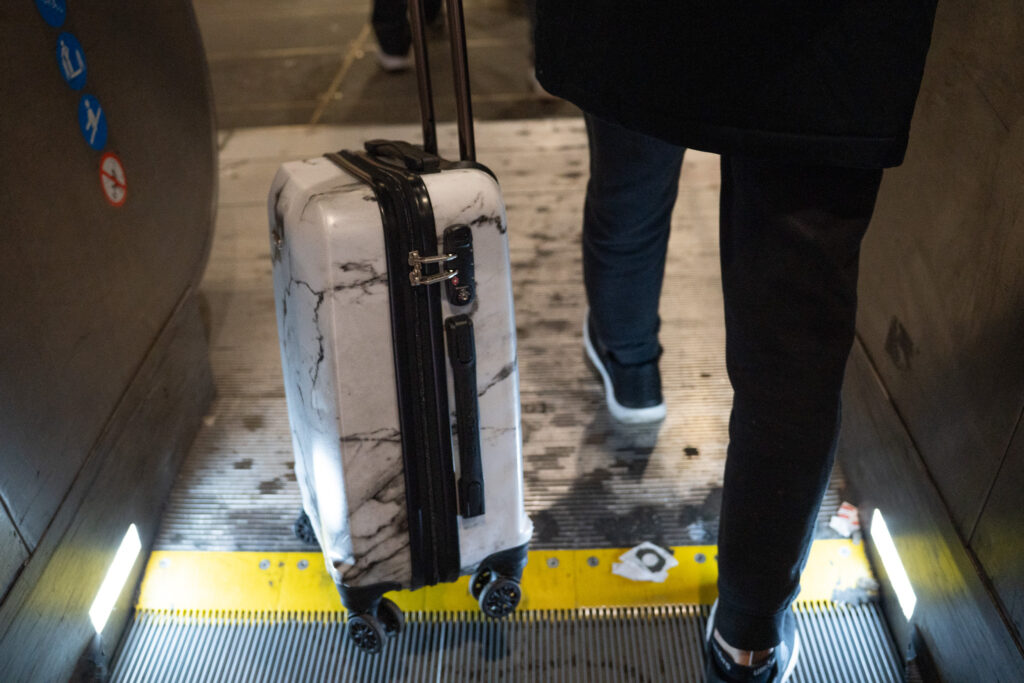
Abaan: When I first came to the UK, I felt a mixture of fear and curiosity. Everything felt unfamiliar, from the environment and weather to the way people interacted and went about their daily lives. It felt like stepping into the unknown, and at first, I wasn’t sure how to navigate any of it.
Sharon: I felt completely lost and helpless. My luggage was lost in Vienna, the currency had just changed, and I only had old cash on me. I needed to exchange it at a bank, but I could not even open an account yet because my official paperwork and residence permit were not sorted out. All of this happened on the day I arrived in the UK.
Stage 2: Claiming space
Settling often begins with objects – a desk, a bowl, a lamp – each purchase marking a first claim over space.
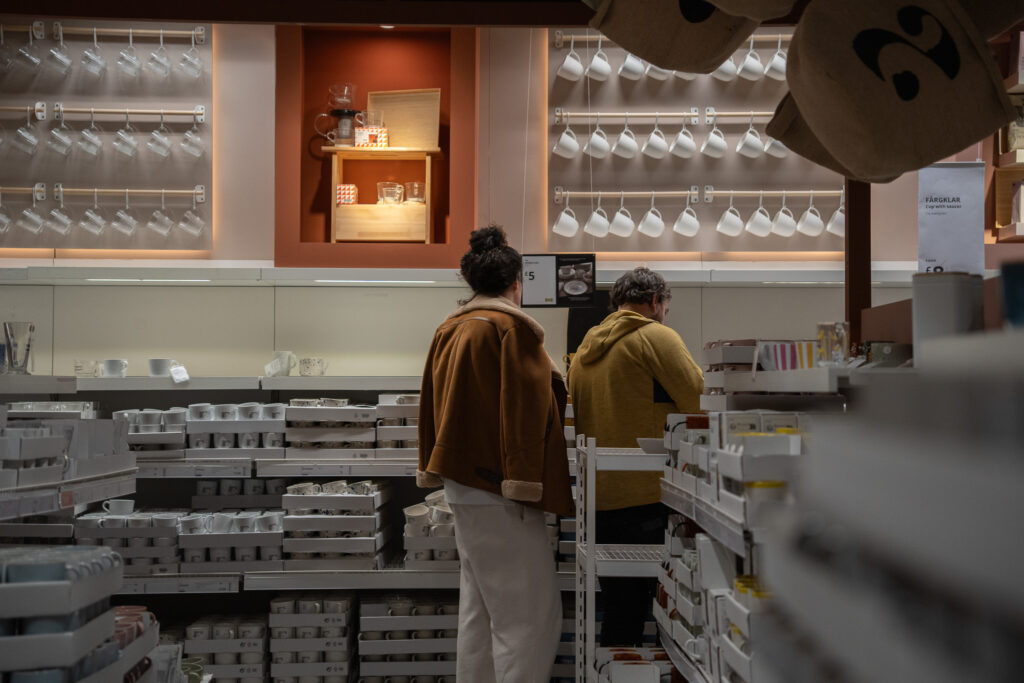
Elham: The first thing I bought for my room was a study table from Facebook Marketplace, because I knew my main purpose in London was to pursue an education. But the space truly started to feel like my own only when I began playing my guitar there, with no one disturbing or complaining about the noise.
Scarlet: The first item I remember buying for my room was a set of green bowls and wooden and silver cutlery from Zara Home. I love decorating spaces, but outside of my bedroom at home, I was never the boss – my mum is an interior designer. It felt cool to finally buy my own kitchenware.
Stage 3: The survival diet
In a new city, food becomes routine – something steady to return to each day.
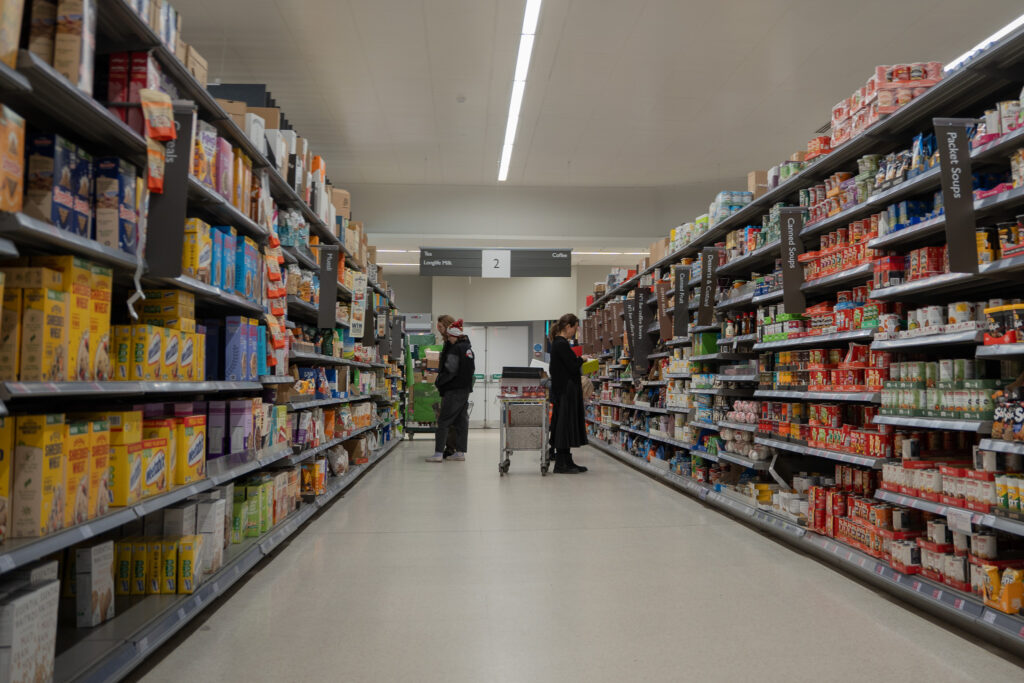
Sharon: When I first arrived, I had no utensils, so ready-made microwave meals from Sainsbury’s were my survival food. But now, when I need real comfort, I make curry-flavoured Maggi noodles from Malaysia or brew a cup of Teh Tarik in the morning. That is what actually keeps me going.
Scarlet: The supermarket, for me at first, was a struggle. I didn’t know how to shop for just one person without food going off. I remember not knowing what to eat late one night, so I bought Worcestershire sauce and a packet of microwave rice. That is what my mum and I used to eat when we stayed up too late watching Grey’s Anatomy.
Stage 4: The rituals of staying
Survival gradually settles into structure, as repeated routines begin sketching the outlines of a life.
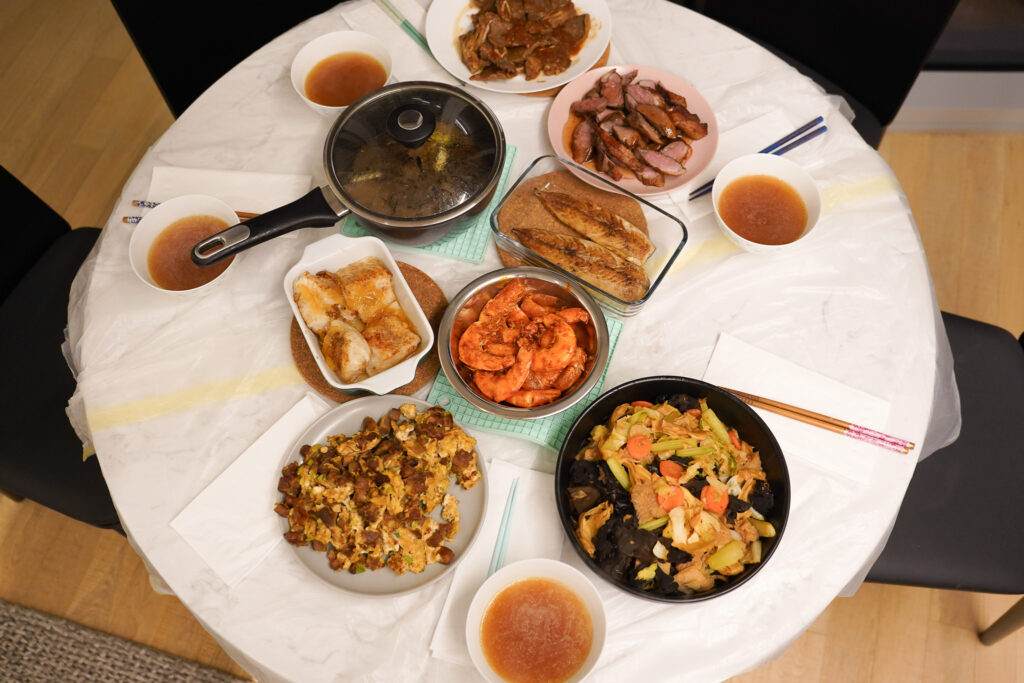
Abaan: One habit that has made London feel more liveable for me is learning how to manage my finances and save money. Back home, much of my spending was supported by my parents. Living in London, where the cost of living is high, forced me to become more conscious about every pound I spend. Over time, this helped me develop stronger personal finance habits and a greater sense of independence.
Elham: Simple everyday routines, like going to the cinema with friends and hitting the gym, are what make London feel truly liveable for me now. When everything else in a foreign city feels overwhelming, having these small, predictable pockets of time helps ground me.
Stage 5: Finding a sense of belonging
Belonging grows through people, shared rituals, and the sense that your life is now being witnessed here.
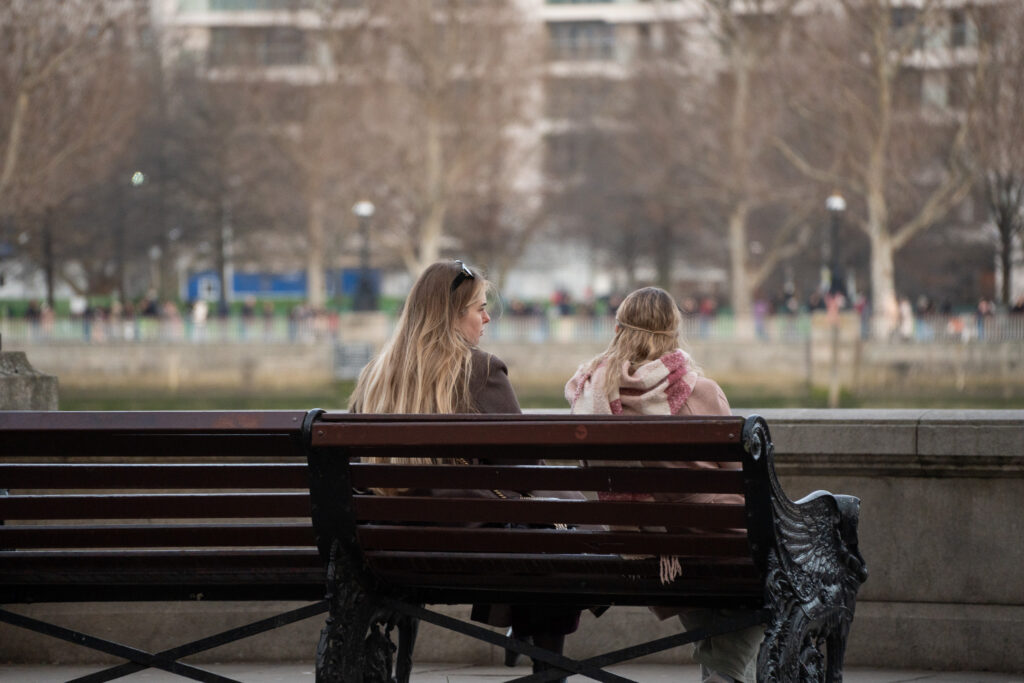
Abaan: I felt a sense of happiness and belonging in London quite early on, mainly because of the people I met. I was fortunate to make close friends who supported me and helped me adjust during the early stages. They became my family away from home, almost without me realising.
Sharon: I never felt like I belonged in London, but my first moment of happiness was when I made my first Asian friend here. We bonded over Asian food and things we disliked about the city. London only started to feel like home because of the people.
Elham: The immediate sense of happiness and belonging came to me when I reunited with my aunties and uncles in London after years apart; we stayed awake all night talking, eating, and laughing.
Scarlet: My old school friends came over from Ireland for a festival during my first May in London. I remember feeling truly settled at that point. It was so cool to be the “local” showing them around my new home. The weather was good, the city was warm and busy, and I felt like I had finally found my place.
Settling happens through small acts – habits formed, objects chosen, routines repeated, relationships built. Long before the city feels familiar, those gestures have already started placing you within it.
Read more of Elham and Scarlet’s story in Pieces of me