
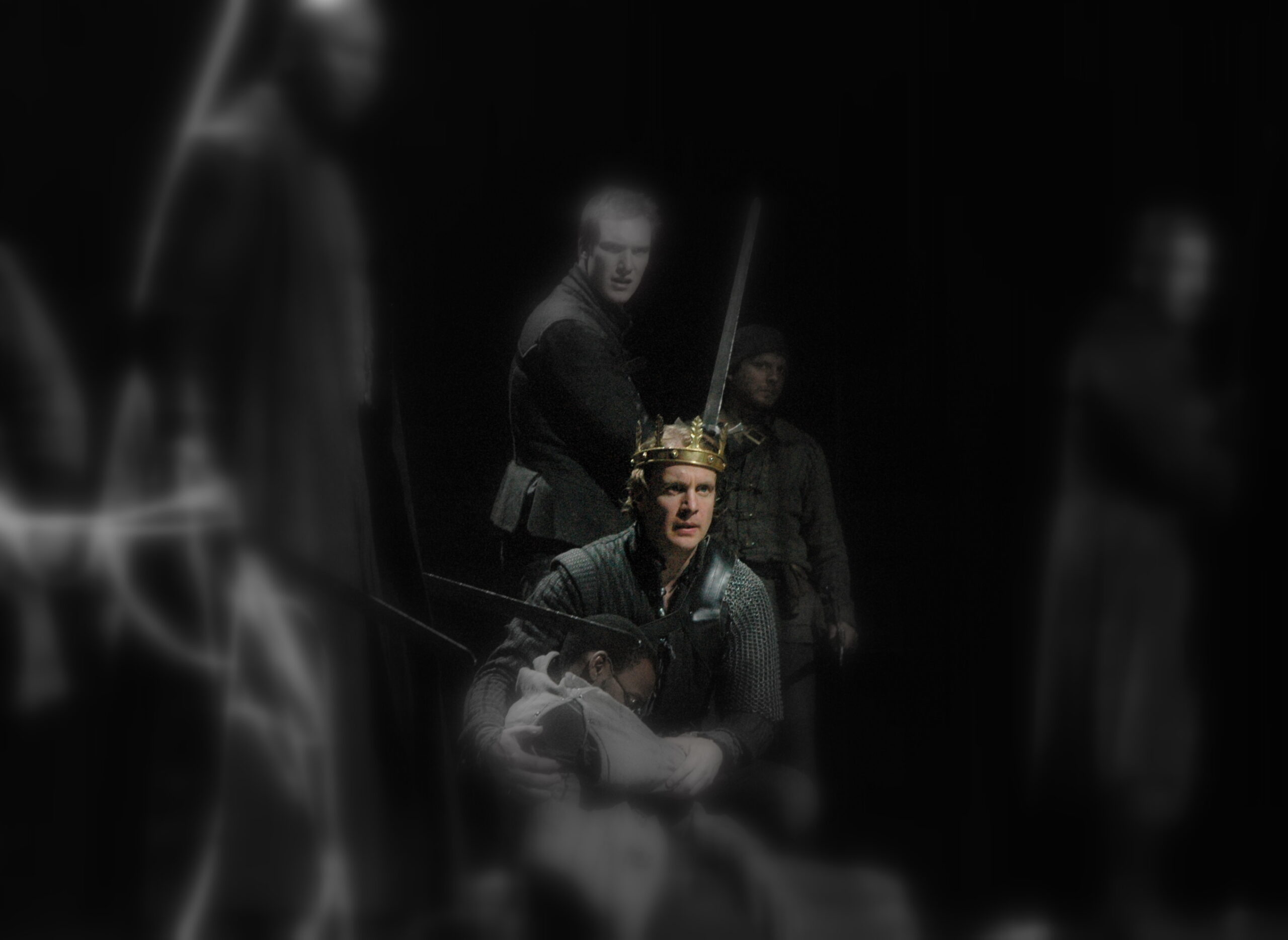
It’s 5 pm in the autumn time. A reddening tree sits on the bank of the Avon in Stratford, and as the sun sets, the warm light hits its maroon leaves, the glow of the thing extraordinary. The actor understudying a lead role in the Royal Shakespeare Company’s Histories ensemble, directed by Michael Boyd, is standing in a rehearsal room overlooking the river, working with Alison Bomber, the text and voice coach on the project. As they work through the lines, Bomber notices the sunlight catching the red foliage of the tree, igniting it like fire. She pauses, staring out the window at the swell of amber colours, her stillness catching the actor’s attention.
“What?” he asks, turning to follow her gaze. There is a long silence as he absorbs the scene. He turned back to her, his eyes filled with tears. “It’s just so beautiful,” he whispers.
Three years prior, the same young actor, just 22, stood before Bomber, struggling to connect with Shakespeare’s language and pace and rhythm. The scene was set in a forest. The character is seated beneath a tree, centred around a speech about a shot and dying deer – a poignant moment that demands emotional depth. But today the language wasn’t landing – Alison felt as though she couldn’t understand him, the words weren’t making sense, and there was no bodily connection to the things he was saying.
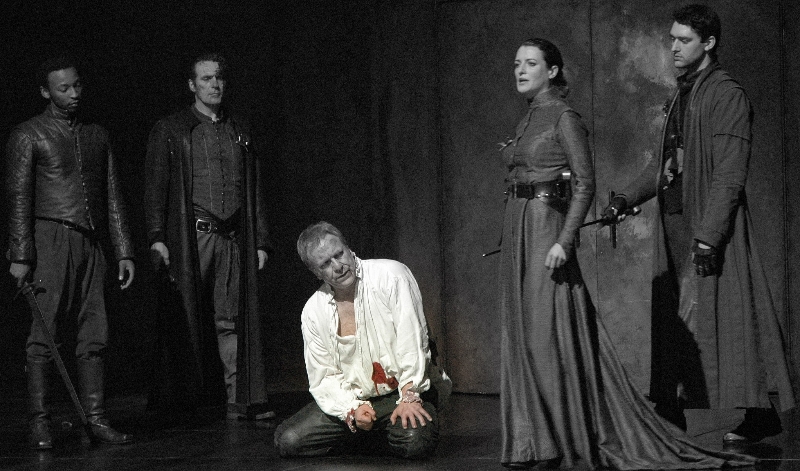
“…Have you ever sat under a tree and looked up through the leaves?” Bomber asked. The actor hesitated.
“No, I don’t sit under trees very much.”
Attempting to help him understand and root himself in the emotions of the scene, Bomber pressed on. “Have you felt the bark of a tree? Seen how sunlight filters through its branches?” Again, the actor shook his head. She shifted to the image of the deer, heaving as it took its last breaths. “What about nature documentaries – those moments when the lion chases the gazelle?”
Still, he shrugged. “I don’t watch nature documentaries.”
Bomber knew the challenge wasn’t just in the text; it was in finding a way to make the imagery resonate.
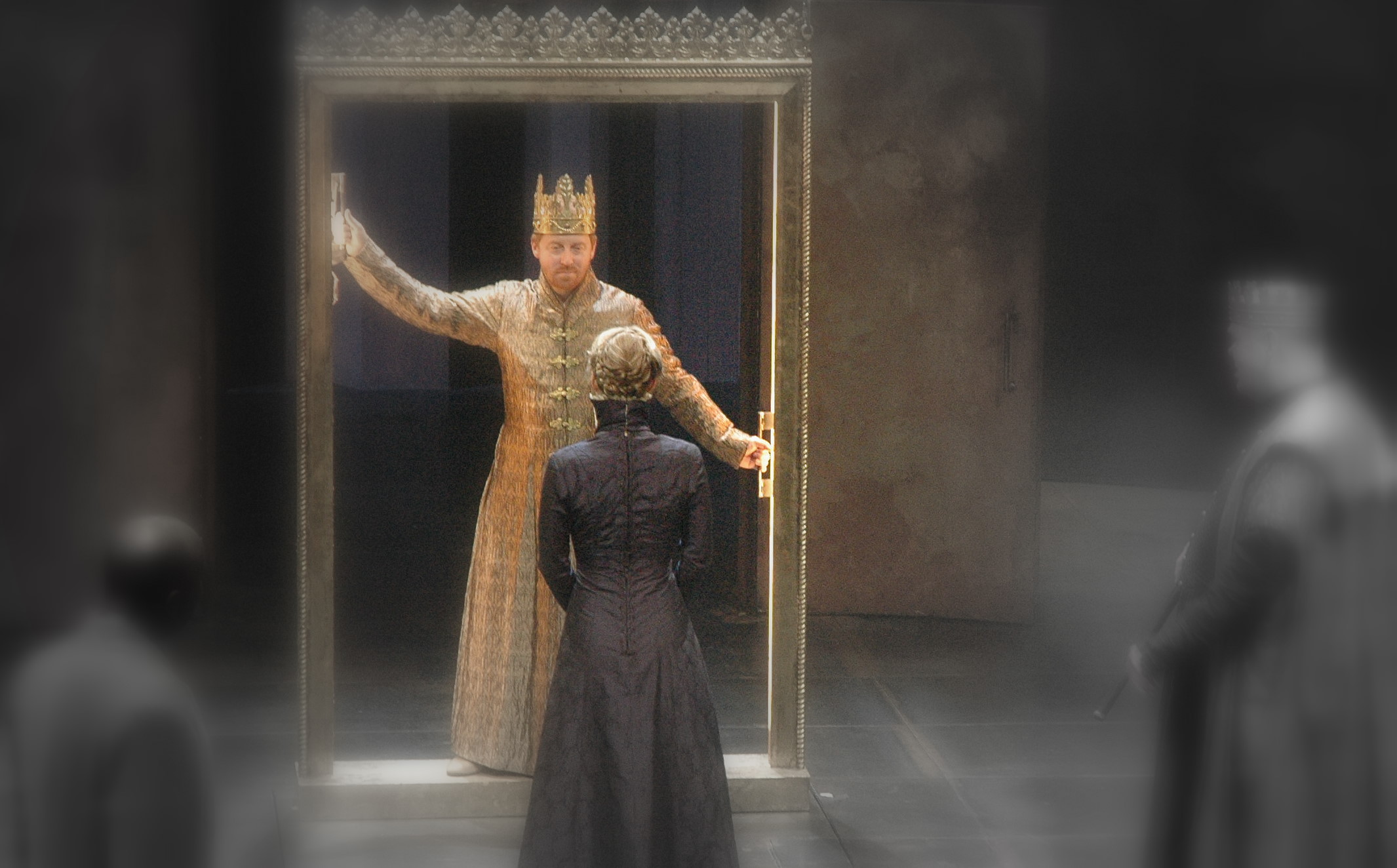
For Bomber, the shift in disposition a mere years later encapsulates the transformative power of her work. “Three years of storytelling, of digging into Shakespeare’s language, turned someone who didn’t sit under trees into someone moved by their poetry,” she reflects. “That’s the power of theatre. It changes how you see and feel the world.”
~
Many successful careers have their roots in serendipity – right place, right time – and for Alison Bomber, a text and voice coach specialising in Shakespeare, her journey began with an accident – a broken leg.
“At the time, I was an actor. I spent about a decade in various roles. Alongside that, I was delivering workshops on many things – acting, dancing.” Then, after her injury, she had a year unable to work as an actor and found herself evaluating her passions. “I was thinking about the things that really mattered to me in my acting career,” she recalls. “And what has always mattered to me was language, words. Using words well. Trouble is, I can’t quite remember how I found the course – I was on a lot of morphine!” she laughs. The recovery period led her to the MA Voice program at the Royal Central School of Speech and Drama.
Then, while procrastinating on her dissertation, she stumbled upon an advertisement for the Royal Shakespeare Company’s inaugural voice internship. Despite lacking professional voice coaching experience, she applied. “My mother loves to remind me that I didn’t actually meet the qualifications,” she says with a wry smile. “But I got the job. So, there’s something in there about taking a risk on a thing where you just go, “Yes. This is me.”
For Bomber, Shakespeare is not a book to be read, but a living script. “In that same way that a musical score is just squiggles on a page, Shakespeare doesn’t make sense until it’s out loud,” she explains. “There is a heartbeat and a lifeblood in what Shakespeare writes. It’s about rhythm and it’s about sounds, and you are supported by the text itself.” Her workshops bring this philosophy to life.
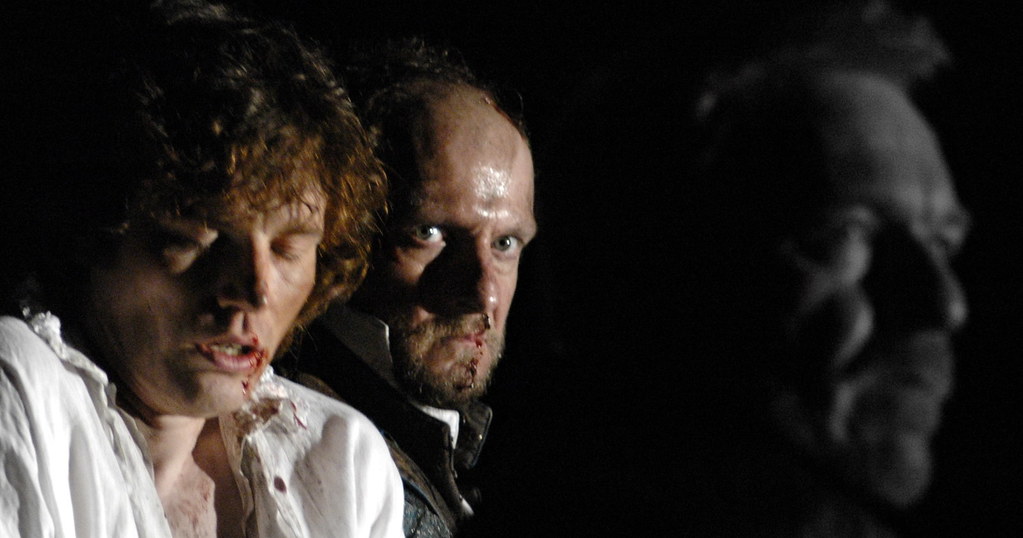
“I’ve worked with children, non-native English speakers, and adults from all walks of life. In just an hour, they’re excited, they understand it, and they want more,” she says. Bomber acknowledges the difficulty many feel with Shakespeare: “It’s no surprise people find it boring – it’s often taught in ways guaranteed to make it dull. There is a difference, still, between good Shakespeare and bad Shakespeare. If you see a live production, and you still struggle to understand it, that is not a lack in you as an audience member, it was simply not good Shakespeare that you saw or heard.”
She emphasises. “The power of theatre, of drama, of art, is to make us step outside of ourselves and think about what might matter to somebody else. Shakespeare does this to an incredibly powerful extent.”
Alison has over 30 years of experience in the theatre industry under her belt. “At this point, it’s easier to list the Shakespeare plays I haven’t worked on than the ones I have,” she says, laughing. She’s worked in some of the most renowned theatres, from the Royal Shakespeare Company to Shakespeare’s Globe in London, to New York’s Theatre For A New Audience. “I hope I’m part of the bridge that helps actors take that journey towards Shakespeare’s language, so the words can truly tell their stories.”
Having been with the RSC full-time for eight years, Bomber describes theatre as “an ongoing exploratory process, no two days are the same”. One day might involve ensemble vocal warm-ups; another, one-on-one sessions. “Shakespeare demands stamina – voices, bodies, and imaginations must be fit to tackle classical language. It demands muscularity. It’s like climbing Mount Everest.”
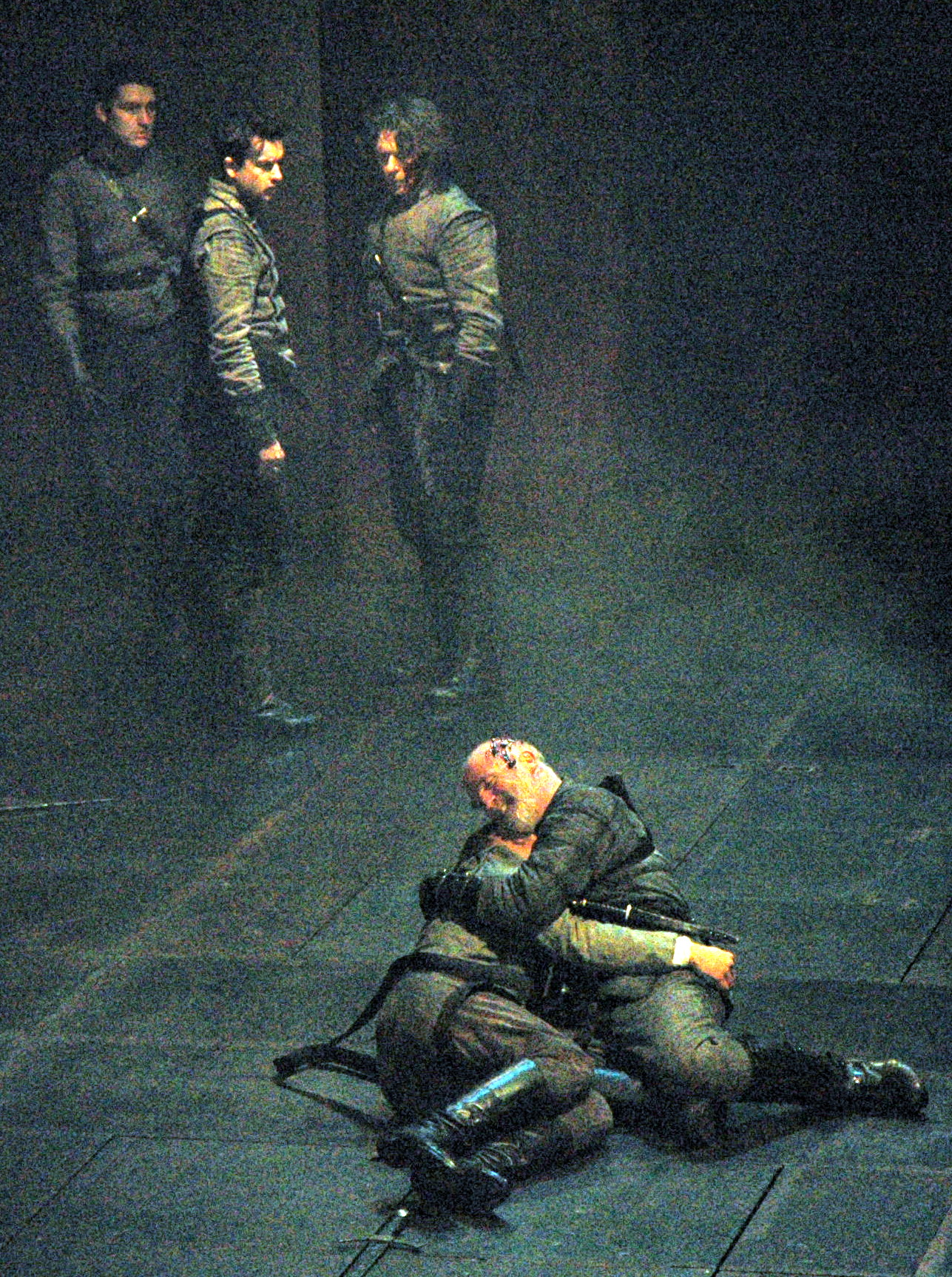
Her work covers a wide breadth, from leading company-wide vocal warm-ups and workouts to one-on-one sessions with actors, “to provide a place where actors can come and be vulnerable, dig deeper into the language without the pressure of the whole rehearsal room. I give direct and specific help, fuel which they can take back into the rehearsal room and play with there. It’s very much an ensemble approach, particularly when I was working at the Royal Shakespeare Company.” Alison’s years at the RSC coincided with Michael Boyd’s tenure as Artistic Director.
Alison was inspired and stirred by this experience. She expressed how Boyd’s approach was a true instance of strong leadership – inclusive questioning, committed exploration without the need to be in control, and the provision of a safe space. “The joy of that is it encourages everyone to flourish,” says Alison, “or to take the lead at some point. It instils a real sense of collective purpose.”
THE TECHNIQUES
“It’s absolutely not necessary to understand what you are saying before starting to say it out loud. And I say exactly that before they start. We would speak the text out loud, walking around the room, perhaps changing direction on every punctuation mark, or playing around with the heartbeat of the iambic pentameter. You feel it when the rhythm changes, and so it’s about working with the physical presence of words in the space, thinking about how ideas either come to us or run away from us. This is something that comes up when I’m working with two actors at a time, and here, I use a bamboo cane or a piece of string, with each of them holding one end. They have to keep the string taught, or a finger on either end of the cane to stop it from falling. And then they move around the space, around each other, speaking lines of dialogue. And this gives you a really clear idea of who is in control at any moment of the speech, who might be the person pushing that bamboo stick and pressing the other person around the space. But, you can also be the person in charge by walking away, because the other person has no choice but to follow you.
We paint images with our bodies, miming the actions or energies the characters do. Or sometimes really dig into complicated grammatical structures, placing pieces in different areas of the room and then trying to remember where we left them.
I tend to find that people view the structure of Shakespeare as limiting, like rules you must obey when really it’s the structure that guides you. Like you cannot have a tree without roots, but resting on that structure, you are supported by the text itself.”
Reflecting on her own career, Bomber emphasises the importance of curiosity and wonder. “I have moved through being a jobbing actor, a singer, a teacher, a workshop leader, and a coach, continually on the lookout for places where I could both build and use my skill sets and my knowledge base.” She notes how the nature of work has changed dramatically: where once people sought lifelong careers, today we shift between roles and experiences more freely.
“I think that’s how you need to build a career now: openness, curiosity and a self-motivated pursuit of the things that matter to you. Being prepared to try something and fail will get you further and faster than only ever wanting to succeed, which will quite often stop you from even trying. Stay curious. Keep exploring.”
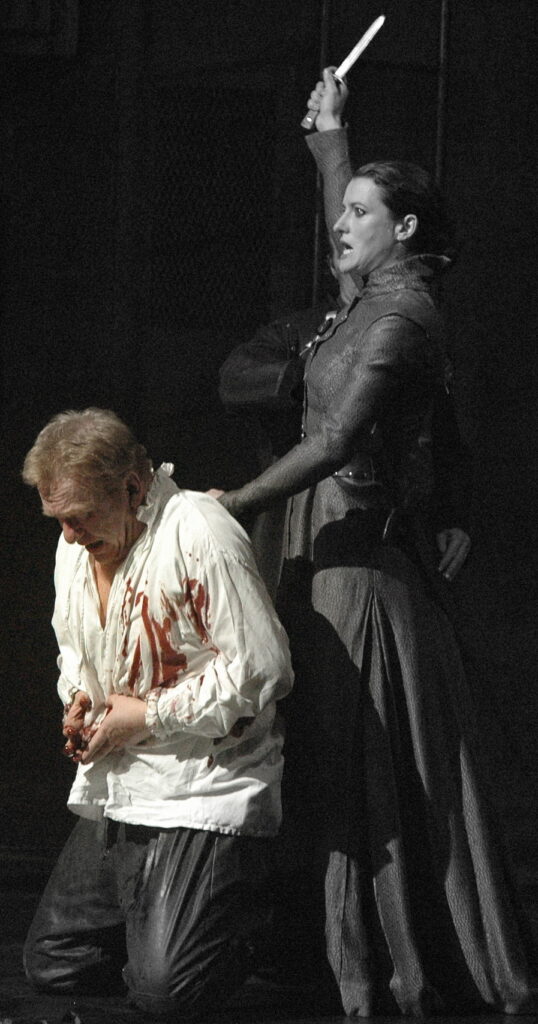
Shakespeare’s work also stresses this approach to life and art. Bomber references Richard III as an example of Shakespeare’s ability to provoke thought. “Throughout Richard III, audiences fall in love with the character. We laugh with him, we enjoy him, we love it when he’s on stage. And then you come up against the fact that this person is a brutal murderer. The sense of dislocation, the feeling of the rug pulled out from under you, disruption and the sense you are off balance is in all the plays. These are not everyday stories. This is life and death. This is passion and jealousy, fighting for a crown wanting your parents dead and being passionately in love. There’s a reason this language is dynamic, huge and complex. Human beings are complex. And there are no easy answers. The ability of theatre to take you on journeys, make you empathise with somebody utterly unlike yourself, catch you off balance, and then stop you up short, is it’s power. Shakespeare gives us a chance to enter into complexity and to accept the difficulty of being a human existing in the world. It isn’t easy. It was never meant to be.”
Bomber’s work illustrates that Shakespeare isn’t just about mastering lines – it’s about transformation. Whether on stage or in life, her lessons resonate: be open, stay interested, and don’t let barriers trip you up, instead make them a springboard and propel yourself forward.
“Careers today have to be built on openness and curiosity,” Bomber reflects. “You may find a series of niches – each one growing and changing. Pursue your passions, build your skills, and be ready when opportunity knocks.”
Take a look at Behind Closed Doors: How Artists Build the Spaces That Build Their Work