By Serra Umur
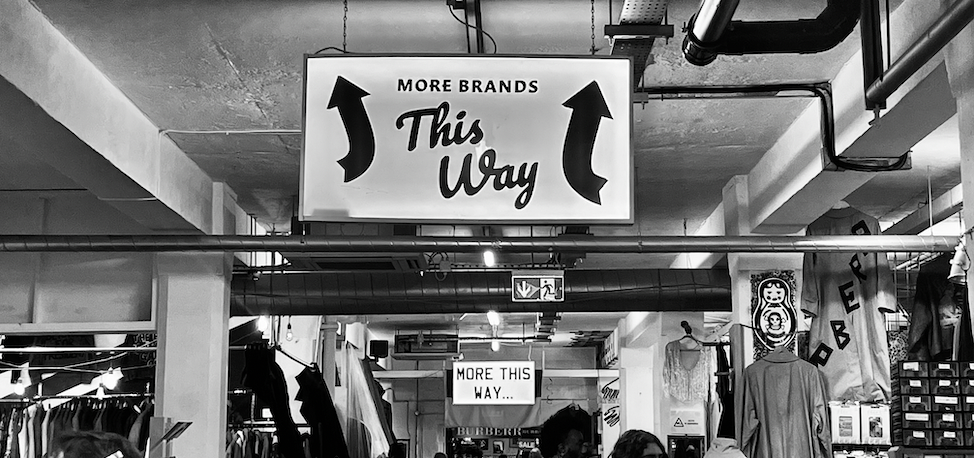
Over the years, Brick Lane has become a go-to destination for vintage shoppers in London. Vintage addicts used to adore Brick Lane. But in 2025, attitudes towards the market seem to be changing. Has it become a tourist trap? Do East Londoners still go to Brick Lane, or do they choose different areas to shop second-hand?
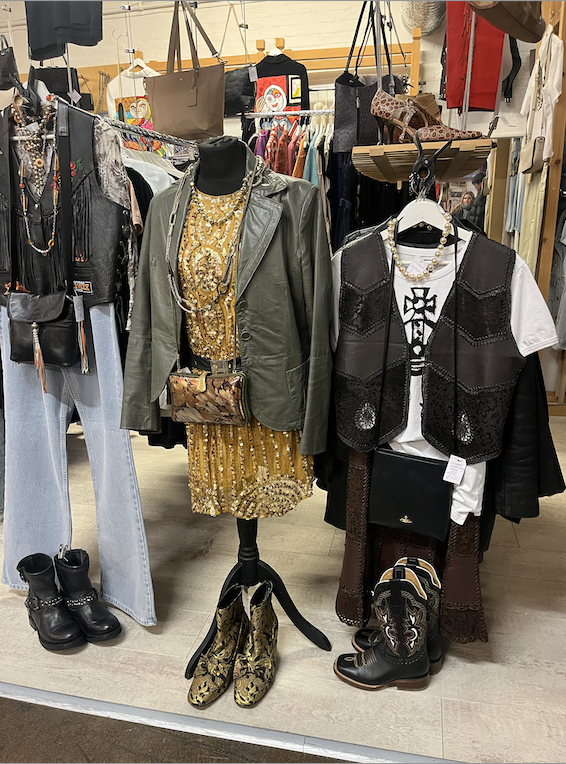
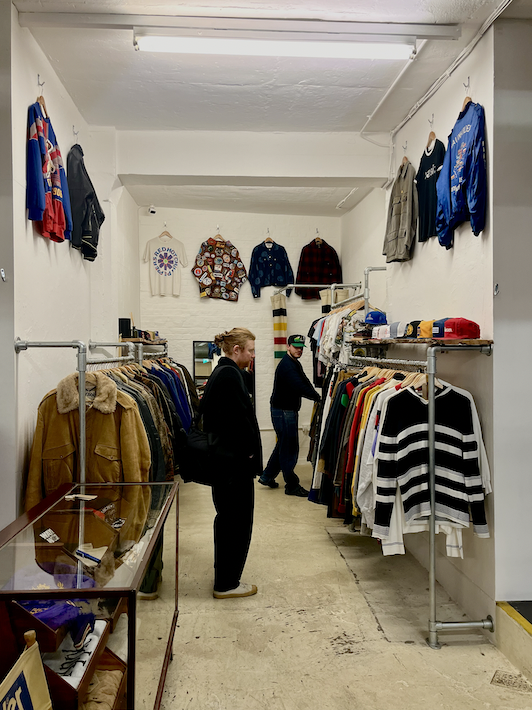
Brick Lane used to be a place where you could search through piles of Levi’s and Y2K treasures. Fast forward to now, and the atmosphere has changed. There is a rush of tourists snapping pictures for Instagram and window shoppers who don’t buy anything. And to top it off, you have to push through crowds of tourists just to realise you can find most of these second-hand items online. So, why go to Brick Lane when you can scroll through Depop or Vinted?
Traders have built their careers on the rich history of Brick Lane, but now the market is changing. The rise of online platforms has put pressure on these small businesses that make the area special. Revival had a chat with the owners and workers behind the stalls to find out about what’s really going on.
This fashion wonderland has been a staple for vintage lovers for years, offering everything from 70s leather jackets to 90s rave outfits. Dominic has worked at Brick Lane Market for 15 years now, and he remembers when businesses were thriving. He started selling online with ASOS Marketplace and Depop in 2011, but eventually decided to stop since Brick Lane started to gain lots more traction.
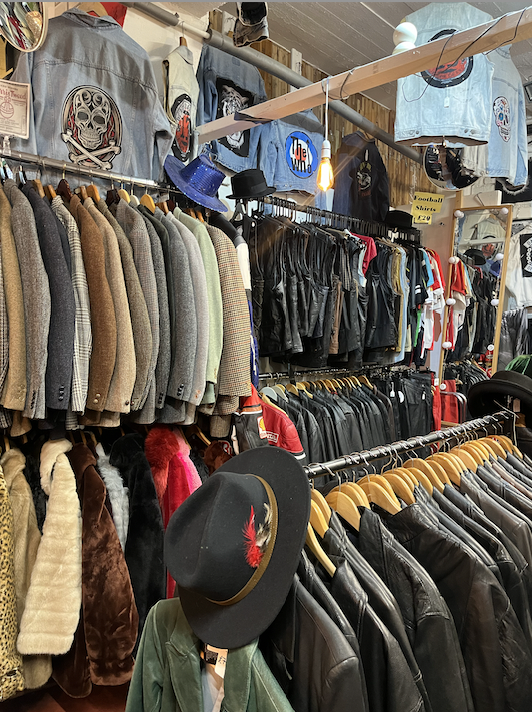
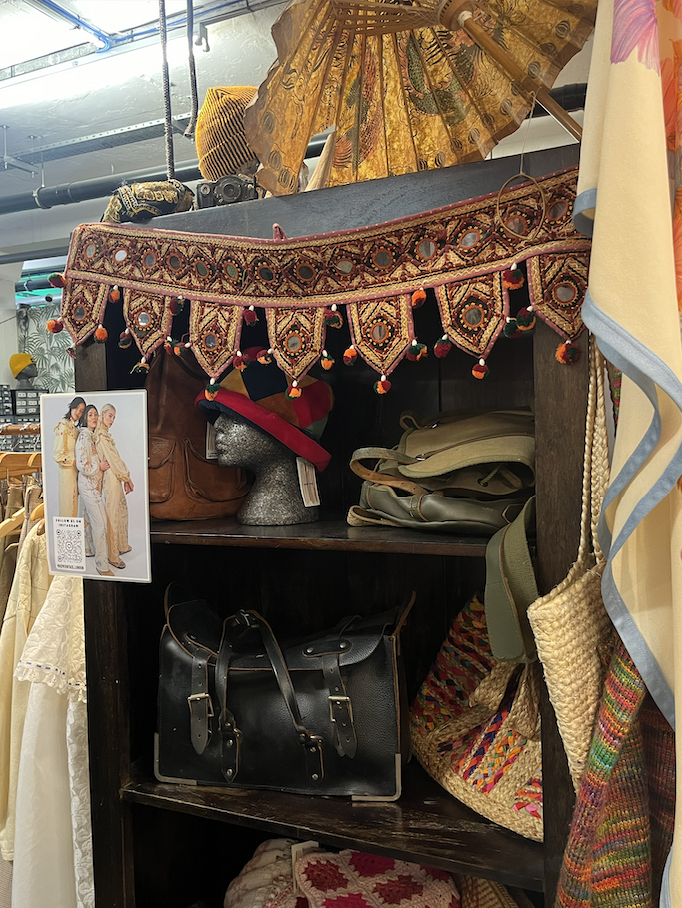
Dominic said they did “not have a need to go online since it has become busier “. This might have been true for Brick Lane owners a few years ago, but now, many traders believe that the local crowd has stopped coming like they used to. The business Dominic is referring to is mostly tourists.
Sarah, who has worked at the market for five years, says the shift is undeniable.
“Brick Lane used to be the spot to get your second-hand fashion, but now that has shifted to Vinted. Brick Lane used to be much, much better; it used to be the place to get your second-hand, but that shifted online.”
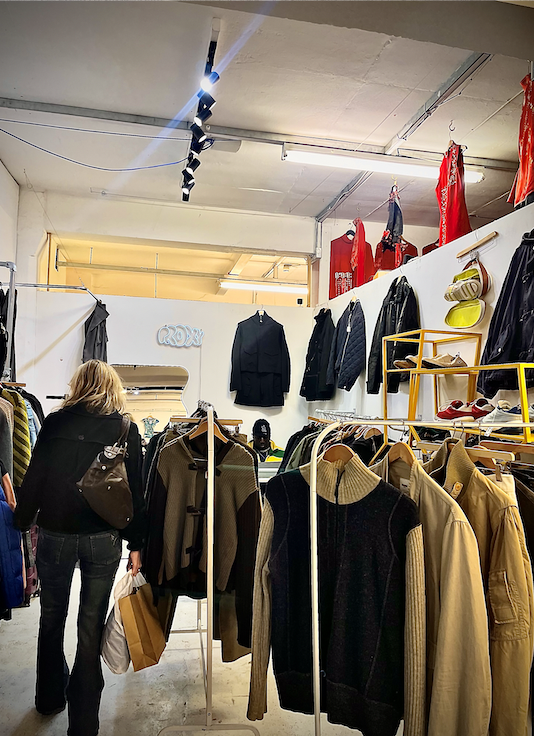
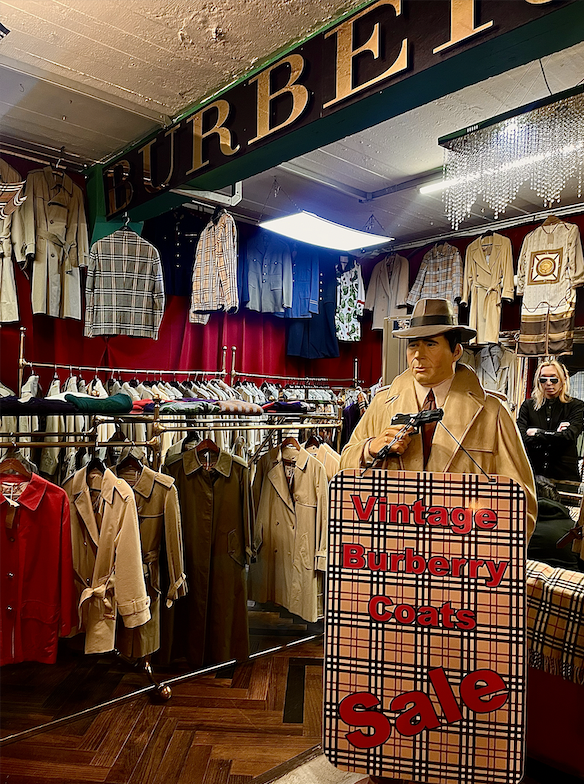
Unfortunately for locals, this place isn’t the same as it used to be. Tourists have flooded in over the years, but arguably, this has been keeping the vintage markets alive.
In 2021, during the COVID-19 pandemic, the University of Manchester found that “76 per cent of respondents reported that business was significantly down, with the majority anecdotally estimating a loss of up to two-thirds of trade.” This resulted in platforms like eBay skyrocketing during the pandemic as second-hand shoppers loved thrifting from home.
In the UK, consumers were more inclined to shop second-hand online than in other countries. A 2023 YouGov survey said: “Brits say they’re more likely to buy second-hand items online (45%) than offline (37%), and they are helped in this by vibrant digital marketplaces like Depop, Vestiaire, Vinted and eBay”.
Sarah explained how online shopping is having an impact on the shop floor.
“People take photos and search it on Google Lens online before they make the purchase here. It takes away customers because that gives them the potential to go on Vinted and find the clothes for a cheaper price.”
Lily, another stall employee, explains:
“A lot of people forget that this is like people’s bread and butter,” she says. “To keep up the electricity and hangers, little stickers, bits like that, all of that is money, all of that is investment, and Vinted doesn’t have that. Depop doesn’t have that, which is why they are such good competitors”
Other traders were more direct about the damage these platforms were making. Rhea, who has worked for two stalls in Brick Lane, said one of the stall she worked for closed down due to lack of sales following the pandemic. “Many people became aware of Depop and Vinted during COVID-19. And I think all the sellers down here saw a definite change in the amount of footfall and the amount of people coming down here.”
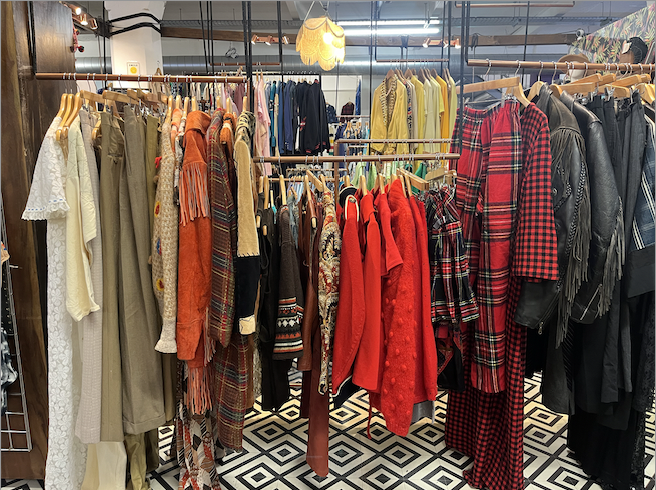
It seems that Brick Lane has become a place for showrooming, and it’s one of the biggest threats to the vintage market industry at the moment. While online shopping offers convenience, it can never quite replicate the personal experience of shopping in a market.
Sarah said “It’s always better to be able to touch the material and see the size on you,” yet she acknowledges the appeal of online shopping for its affordability.
Cami, a vintage shop owner in Brick Lane, has had similar experiences: “I have loved vintage since I was 14 years old. I love to touch the texture and fabric. Vintage size has nothing to do with the sizes now. Online, no, it’s not for me, I prefer to be in the store.”
While online shopping may be easier, the workers at the Brick Lane market highlight that it lacks that deeper connection with the clothes and the people. As online platforms continue to dominate, Brick Lane faces an uncertain future. While comfort, convenience and cheapness drive shoppers to their screens, the market’s in-person experience is something no app can replace.
Dominic told us that the connection with the clothes is what truly makes the experience special: “For me, online is a big disconnector. You can’t be coming in and touching and talking about the clothing with traders and other shoppers. It’s a unique piece, and it’s nice to try it on and talk about where it comes from.”
So, will you choose to venture out and shop at Brick Lane, or will you continue to doomscroll on Vinted for another 5 hours?