By Lauren Perera
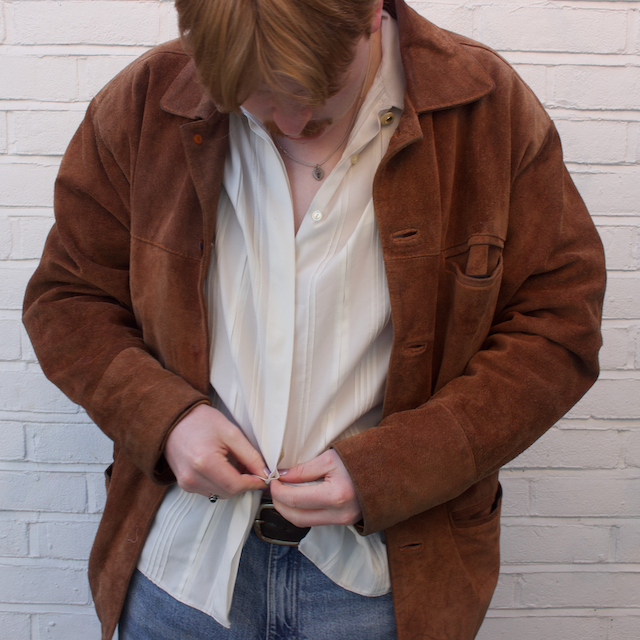
Fast fashion is out, and vintage is in! What was once considered your grandma’s old wardrobe is now at the forefront of fashion. At Revival, we see vintage not just as a trend but as a global movement. By embracing clothing that has history and quality, we advocate for a more sustainable approach to style and reject the culture of modern fast fashion.
But what exactly makes vintage clothes both timeless and sustainable? Unlike the mass production of fast-fashion garments, vintage clothes are made from durable fabrics like denim and silk. “There’s been a decrease in the stigma against shopping secondhand,” says Amanda Sujin, fashion influencer and owner of an online vintage store Perennial Habits. “To my parents, shopping secondhand was something shameful, dirty or even taboo in some cultures, but now, there is cultural capital to be gained by having unique pieces”. With vintage shops and resale platforms fueling the trend, vintage isn’t just nostalgic; it offers a sustainable alternative to the overproduction and waste of fast fashion.
Decades ago, clothing was designed to last, both in style and structure. Modern fast fashion has swapped craftsmanship for speed, churning out polyester pieces that barely survive a spin cycle. “Vintage clothes feel heavier; they are more structural, with more attention to detail, strong panelling, exaggerated shapes, and interesting silhouettes that don’t collapse over time,” explains Angeliki Papavasileiou, multidisciplinary designer, and co-founder of the design studio Confectdissect. Whilst older garments were cut and sewn with precision, today’s mass production techniques favour quick assembly and cheap labour, often sacrificing durability. The result? Crappy clothing that can’t even survive a few washes before fraying or losing its shape.
When comparing the lifecycle of vintage clothing to fast fashion, the differences in durability and environmental impact are clear to see. Vintage garments were made with natural fibres, which are both durable and biodegradable. Silk is known for its strength and comfort, becoming softer with age. In comparison, Satin, which may look and feel the same, is made of less durable, synthetic materials. Vintage leather and suede gain character over time and avoid the environmental impact of new leather production. Vintage denim, made from 100% cotton, is sturdier and more durable than modern stretch blends and is significantly higher quality than modern polyester blends!
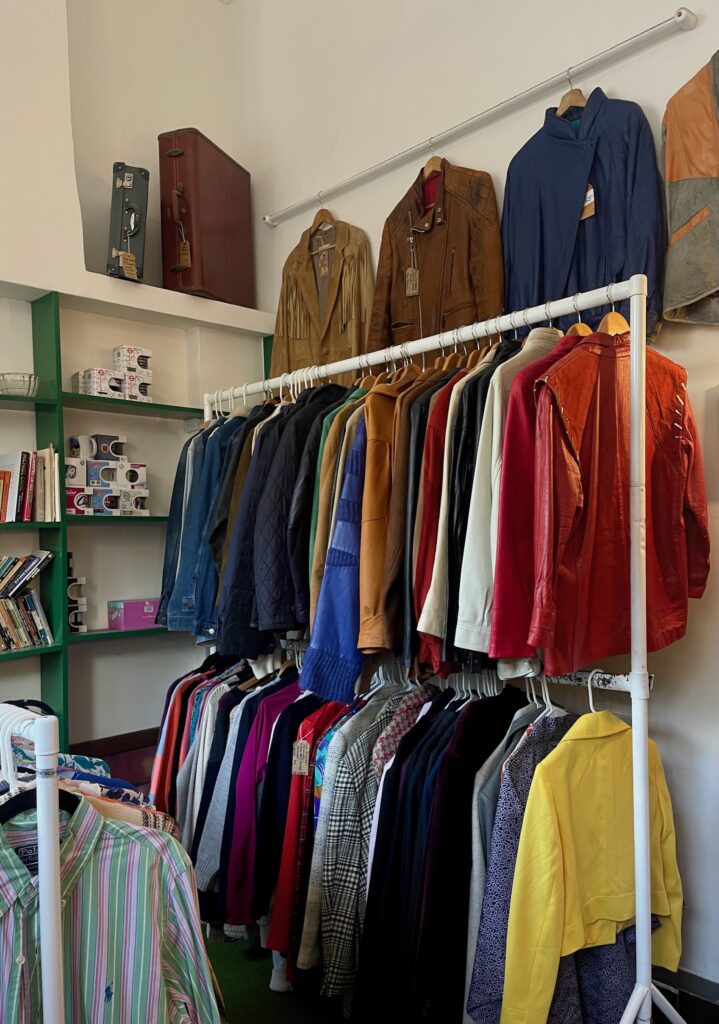
Photo by Lauren Perera
Modern fast fashion items often deteriorate quickly, lose shape, fade, and tear after a few washes. “The last time I shopped fast fashion was in 2019,” says Angeliki. “Everything felt and seemed flimsy, ready to fall apart and too expensive for the quality they offered.” She’s not alone! Why buy five cheap tops that barely last a season when you can have one stunning vintage piece that stays iconic for years?
There’s nothing like the thrill of unearthing a rare vintage find, the kind of piece that makes you question, Why don’t they make clothes like this anymore? But let’s be real: not everything in a vintage shop is a prized treasure. Some of it is just… old. So, how do you separate the treasures from the tat?
First rule: fabric is everything. The best vintage pieces are made from wool, silk, linen, or 100% cotton, the kind of fabrics that feel luxurious, but also hold up well over time. “Try to avoid synthetic fabrics as much as possible or aim for a mix with higher-quality materials,” says Angeliki. “I pay attention to the hems and stitching in general, the lining materials, and interesting details that make the final piece look and feel well-made and durable.”
Next, check the stitching. Quality vintage is built to last, with clean, even seams—no loose threads or fraying edges. Double stitching? Reinforced hems? That’s a green flag. And don’t forget to peek inside, fully lined garments (especially in silk or quality polyester) are a sign of top-tier construction. By knowing what to look for, you can build a wardrobe that stands the test of time.
“The vintage shop I work at is very successful and ever-expanding, so I believe in five years vintage shops will still be very relevant,” says Mary-Ellen Sewell, a fashion design student at London College of Fashion. “However, there is also a finite amount of vintage clothes, so I hope that in the future, vintage pieces will be more reworked and heavily curated.”
Vintage garments are already leading the way in reducing waste and conserving resources. Giving pre-loved pieces a second life means less textile waste clogging up landfills and more iconic looks in your wardrobe. Every vintage find is a win: fewer resources wasted, less energy burned, and zero need for new, synthetic junk. Who knew saving the planet could look this good?
Fast fashion’s obsession with micro-trends is turning wardrobes into landfills at record speed. “Many brands just greenwash and push micro-trends,” says Mary-Ellen, calling out how fast fashion labels love to slap the word ‘sustainable’ on their latest drops without actually addressing their environmental impact. It’s all smoke and mirrors – trendy pieces made to last just long enough for the next viral moment. Meanwhile, vintage fashion plays the long game, prioritising quality over quantity.
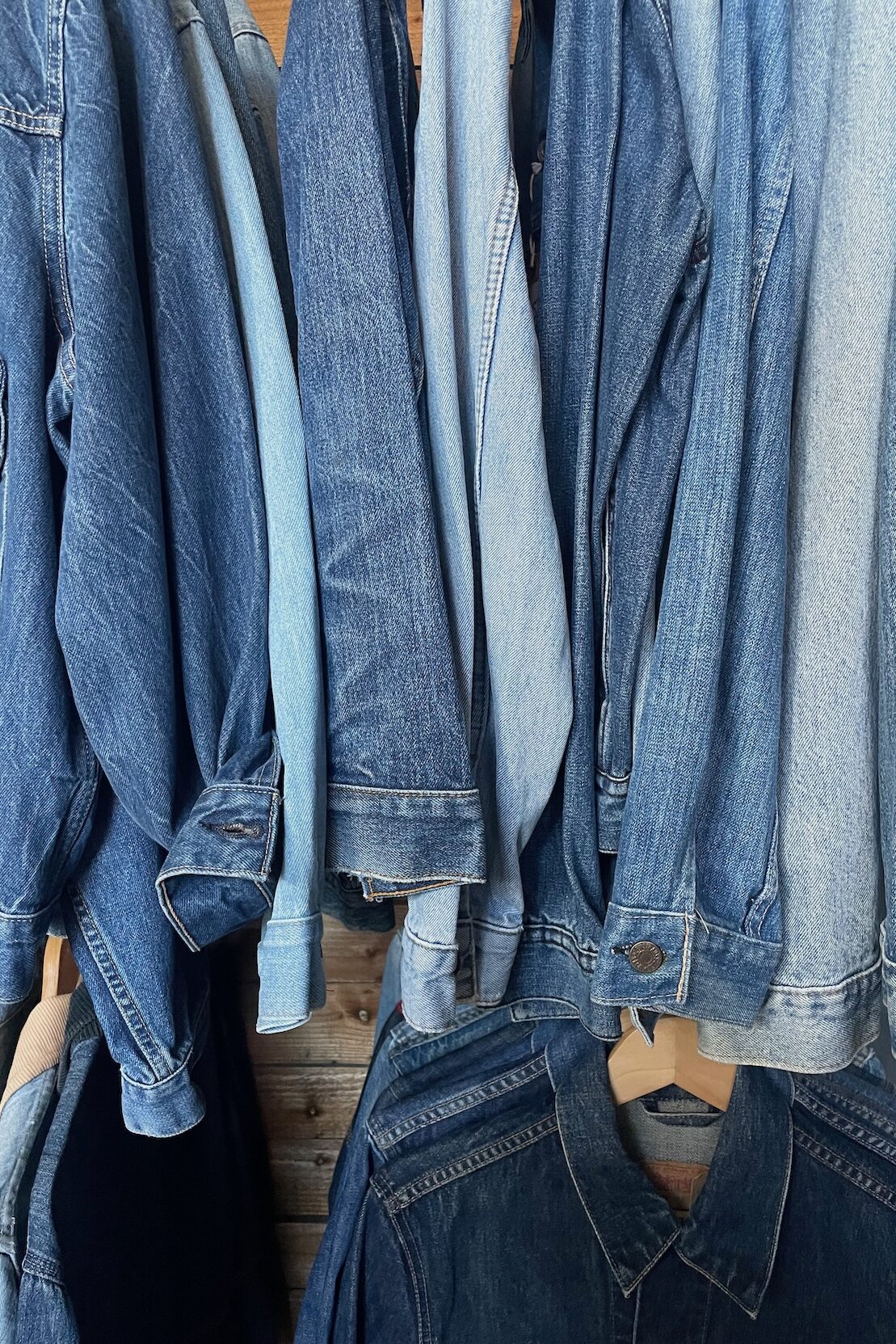
Photo by Lauren Perera
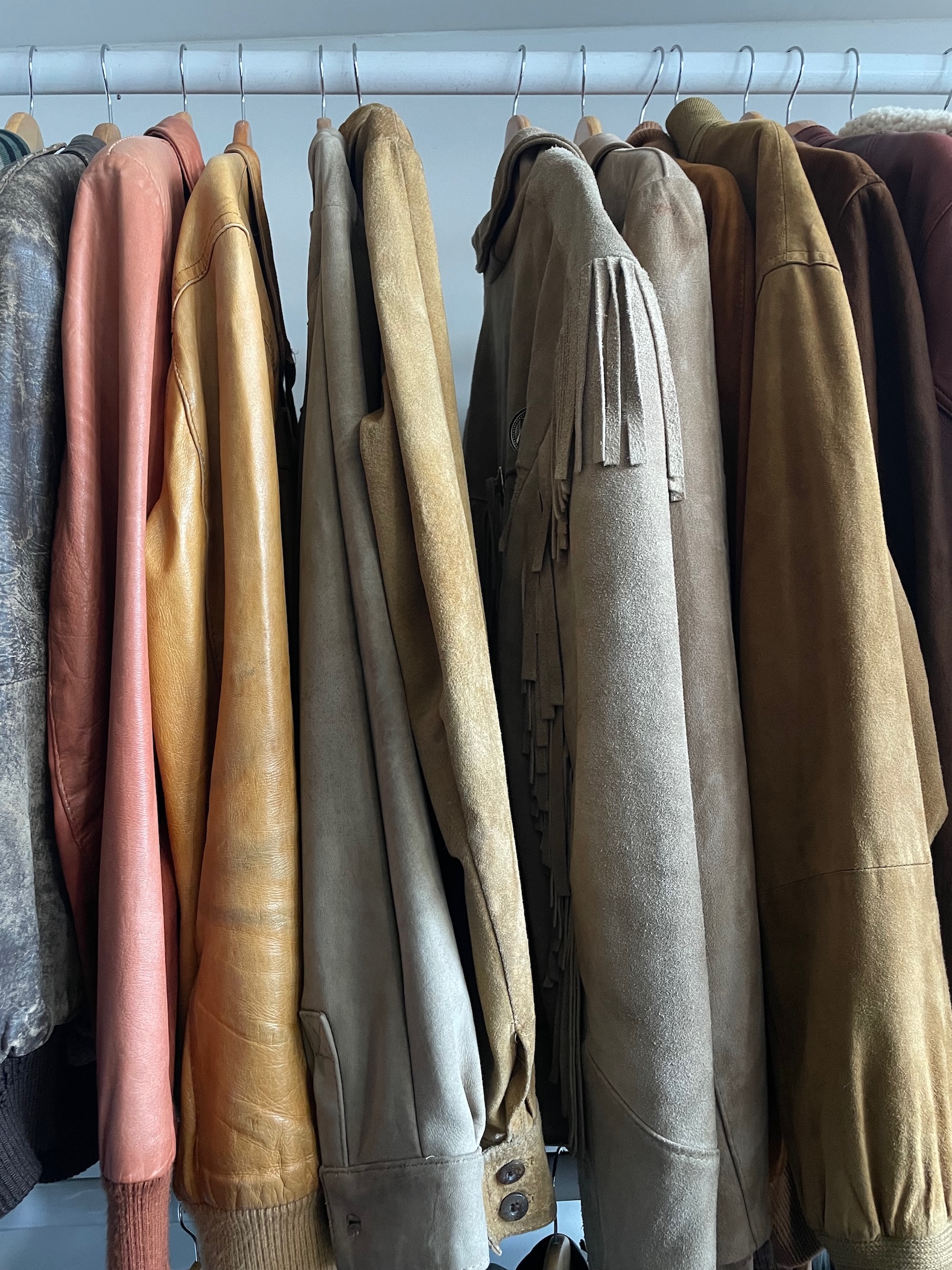
Photo by Lauren Perera
“The number of 80s vintage silver tab Levi’s in the world is not going to get any bigger, so I’m excited to see brands get creative with reworking old, high-quality materials and also see people use technology to develop sustainable and high-quality new materials.” says Amanda.
In the era of Instagram and Tiktok, social media platforms have changed the pre-loved shopping scene. Influencers, content creators, and fashion lovers showcase how sustainable vintage clothing is. The rise of hashtags and trends such as #vintagefinds, with 120k posts on Tiktok and #slowfashion with 482.5k on TikTok, have made vintage shopping aspirational, encouraging younger generations to embrace pre-loved fashion over fast fashion alternatives. “I believe Gen-Z shops more with their morals,” says Amanda. “In a world of SHEIN, there is still a massive movement by younger demographics to put sustainability high on their lists of decision-making criteria.”
Vintage shopping has surged in popularity in recent years as people grow more conscious of the negative sides of fast-fashion. “I believe it’s a combination of people searching for more affordable and sustainable shopping options, environmental crisis awareness, the thrill of the hunt, experimenting and becoming more aware of their style, and thrifting/second-hand shopping as a social media trend to keep up with popular lifestyle cultures,” explains Angeliki.
Whether you’re hunting for a perfectly worn-in leather jacket, a 90s silk slip dress, or the kind of denim that actually lasts, vintage proves that great style is always in fashion. So next time you’re about to impulse-buy your entire Zara or Shein basket, head to your nearest vintage shop, dive into the racks and find something iconic instead. At Revival, we believe that what you wear should reflect what you stand for. Shopping secondhand isn’t just about looking timeless. By giving pre-loved pieces a new life, you can minimise the demand for new production and celebrate the craftsmanship of clothes that were made to last. By choosing wisely, you can build a collection that reflects both style and sustainability.