By Jiayi Wan
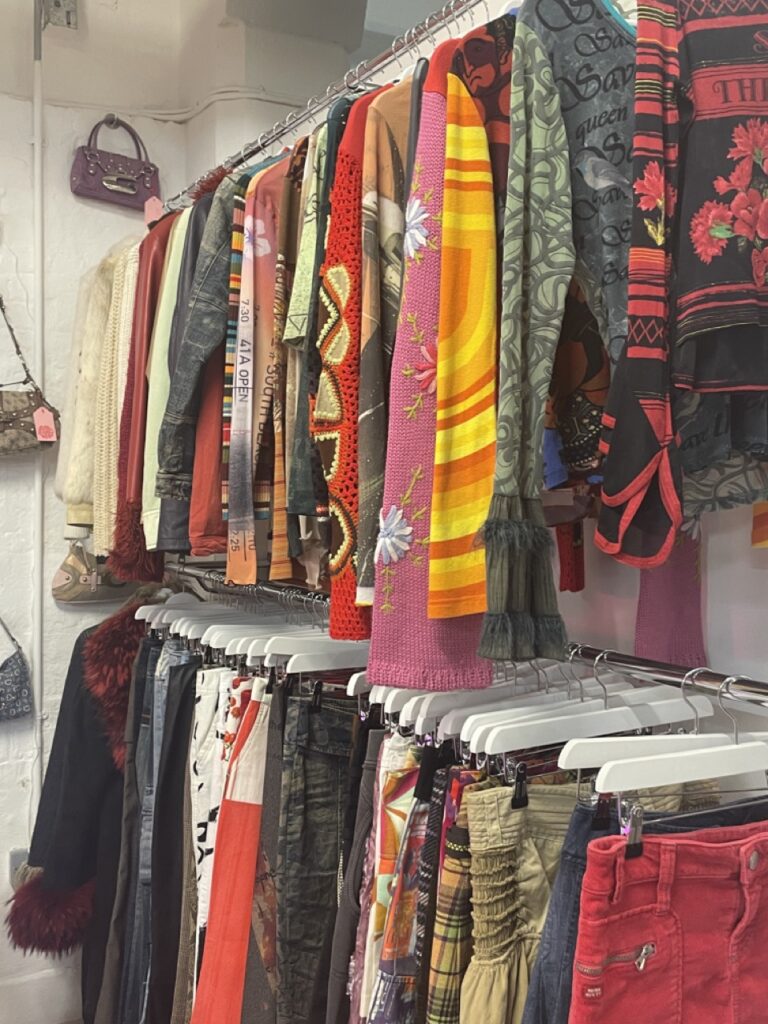
It seems now that vintage fashion has undergone a big change; Instagram, TikTok and a number of other platforms have gradually transformed what was once a niche pursuit into a global phenomenon. Today we’re talking about it in South and East London. Much of the local vintage scene, once dominated by thrift shop regulars and devoted collectors, is now evolving in the digital marketplace: driven by viral posts, influencers, and celebrity endorsements. However, after this vibrant culture has gained significant attention online, the question arises: Is this increase in popularity a sustainable celebration of historic styles or just another transient trend fueled by the rapid growth of social media?
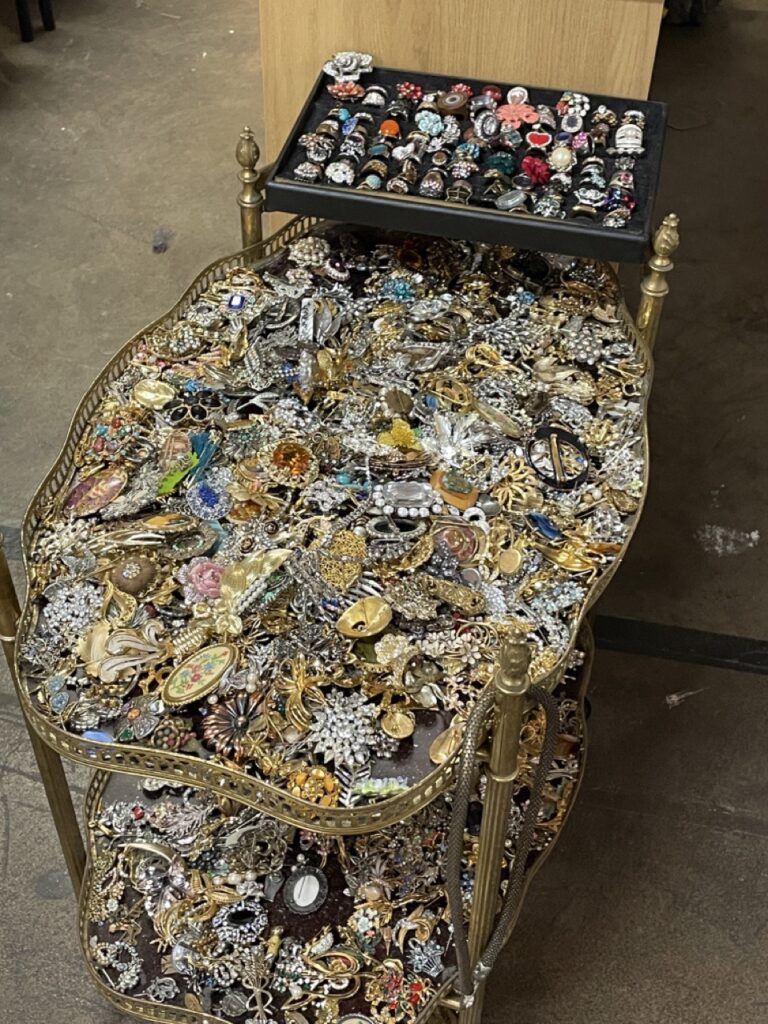
The Rise of South and East London’s Digital Vintage Community
A lot of times, vintage fashion isn’t just about the clothes themselves. It’s also about the stories behind them and the ideas the makers wanted to share. In South and East London, digital media campaigns can really help spread these ideas by linking up local sellers with people who love vintage, whether they’re nearby or far away.
Social media is super powerful for finding new stuff. TikTok can show millions of people what vintage clothes are like in South and East London. And Instagram has loads of pages for local vintage shops and people who want to resell clothes. Nowadays, the vintage market is mixing in lots of global styles, but the classic styles that used to be around are still hanging around, too.
I spoke with Sasiya, a Vintage Reseller, to get her thoughts.
“in my opinion, a lot of people only see them now based on popularity but don’t choose to go over the blurb of these vintage things or the story behind them, but things like TikTok or Instagram and other platforms can help us by allowing us to carefully curate these items to be seen by a much wider group of audiences, but the expanded traffic of these can sometimes some people that don’t But the increased traffic from these can sometimes be used by people who don’t know what they’re doing to raise prices.”
The Fast-Fashion Paradox in Vintage Trends
The vintage fashion scene is blowing up on digital platforms, which is both a good and a tricky thing. Vintage has always been a big hit in Southeast London. But now, with fast fashion trends making their way in, things are changing. For example, if a celebrity wears a vintage piece or if an exhibition shows off some vintage clothes, those items can suddenly go viral online, and everyone’s talking about them. This sudden popularity can make people want those clothes even more, which can push up the prices. It can also make some people obsessed with vintage clothes without really knowing what makes them special.
At the same time, loads of cheaply made clothes just try to copy the look of real vintage stuff. These copies don’t have the same quality, history, or eco-friendliness as true vintage pieces. This trend is a real headache for people who love and support real vintage fashion. It shows how different vintage is from today’s fast fashion, which is all about quick trends and not lasting long.
I also sat down with Fionna, a Vintage Reseller
“While social media has definitely given a big boost to the vintage fashion scene in South and East London, it’s also got a downside. It can sometimes mess up what vintage fashion is all about. For example, it might make people buy more and more stuff just because it’s trendy, even though vintage was supposed to be about being sustainable and not wasting things. Plus, it might stop people from really digging into the cool stories behind the clothes and just focus on the look instead.”
Translation of the curation process to digital goods
From what I’ve seen, a lot of vintage shops around here take their time to grow. Usually, collectors would go to the shops in person to find out the history behind these vintage pieces and then decide to collect them. But now, with so much digital stuff in our fast-paced lives, people often just want a quick sale and don’t care about the story behind the clothes. For those who love vintage, this is pretty upsetting. It feels like the special, meaningful part of vintage fashion is being turned into just another thing to buy.
Interview 3: VilotY, People who are extremely interested in vintage.
“I remember the excitement of finding this really cool jacket at some random market a while back. It was such a unique style that really stood out. But these days, with so many people wearing similar clothes and making fun videos on TikTok or whatever, those clothes are getting a lot more attention. People are even asking about where these vintage clothes come from and stuff.”
“I’m all for more people getting into vintage fashion. But I’m a bit worried that with all these videos, the really important parts of vintage-the stories and the culture that make it so special—might get lost or forgotten.”
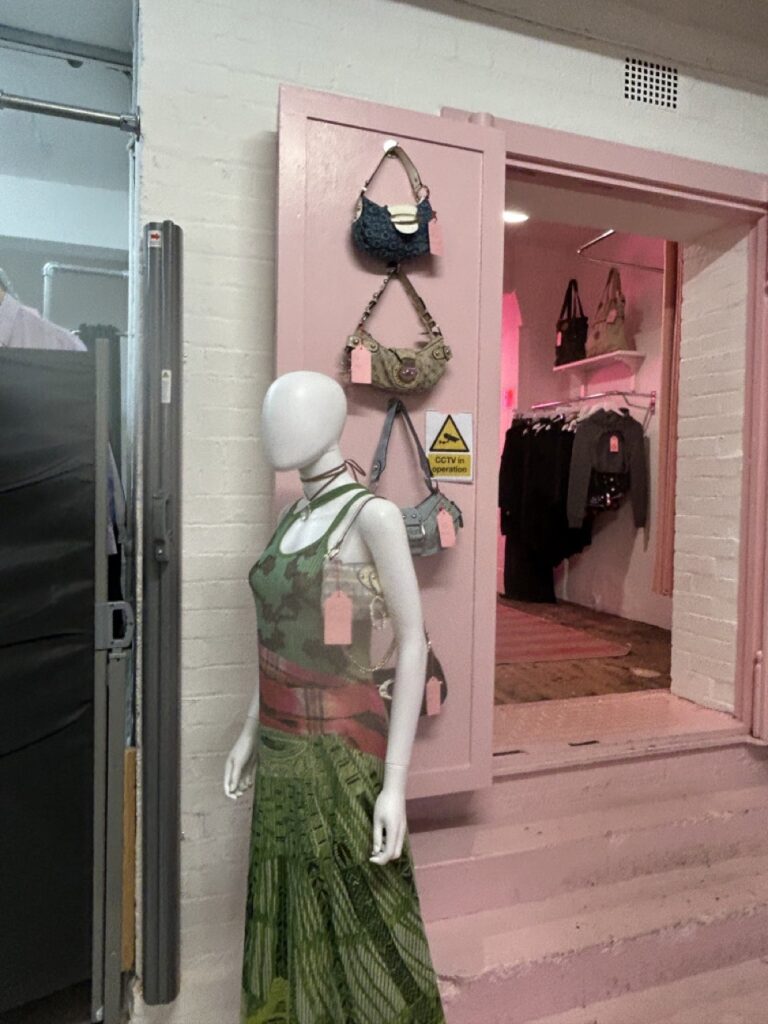
As you can see, a lot of influencers these days can really shake up the vintage market. When an influencer posts pics of their favourite local vintage shops, it can grab international attention and bring loads of people to those shops. But this kind of exposure is like a double-edged sword. While it helps smaller sellers get noticed, it can also jack up prices and make it tough for regular vintage fans to get involved.
From what I’ve seen, more and more sellers are starting to reach out to different types of customers. They’re getting attention for their vintage clothes while still keeping the authentic and real vibe of their shops. More people are also using social media to share interesting stories behind vintage items, sometimes through short videos, so that others can connect with them on a personal level. This helps blend vintage fashion into people’s lives more naturally. More and more merchants are thinking about putting together online exhibitions or teaming up with brands. All these efforts are actually a way to remind people of the rich history behind vintage clothes.
Like the three people I interviewed, they see that integrating the vintage market into online platforms can bring more opportunities, and they’re excited about it. But they also know it comes with more challenges. So, in this situation, we need to use social media and find better ways to do business, but we also have to protect the real essence of these vintage items.