Welcome to 6Sense
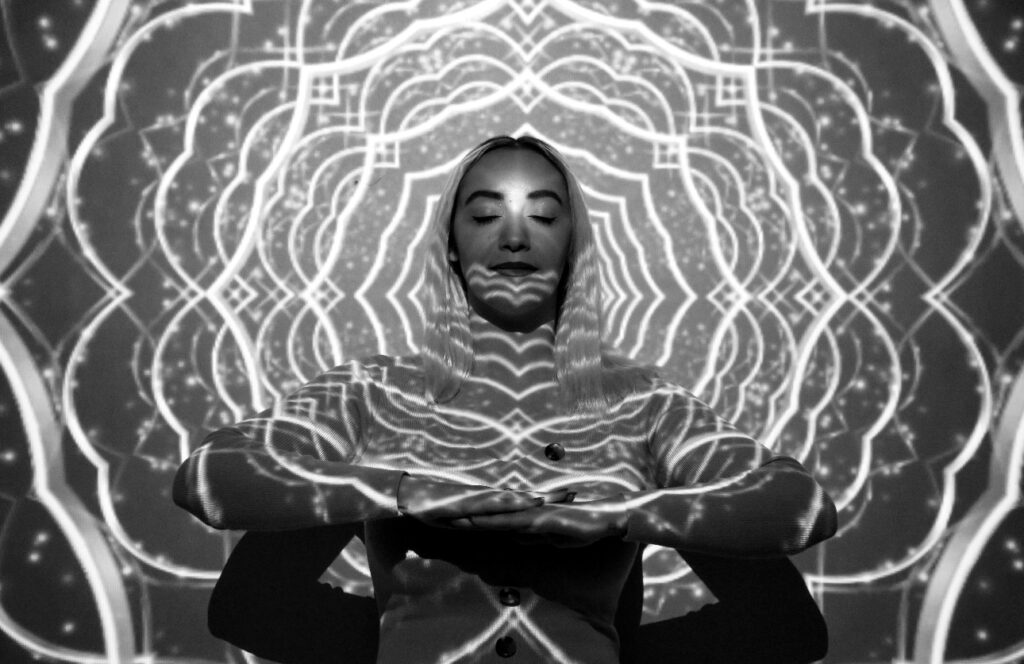
MUST READ

Focusing inside the crowds.
At the loudest moments of a basketball game, something unexpected often happens

The Sensory Science of Baking
Yilin Li immerses her senses of smell for a baking session at London-based bakery, Bread Ahead

Above the Clouds
In the cockpit, Nicolás Pescador is learning that intuition can be as vital as training.
MUST READ
By late afternoon in Nice, the sunlight stretches across the Promenade des Anglais, warms the limestone façades into shades of honey and cream, and flattens the Mediterranean into a sheet of saturated blue.

MUST READ
Over a quarter of Britain’s late-night venues have closed since 2020. With rising costs and thinning crowds, what does the city lose when its nights go quiet?

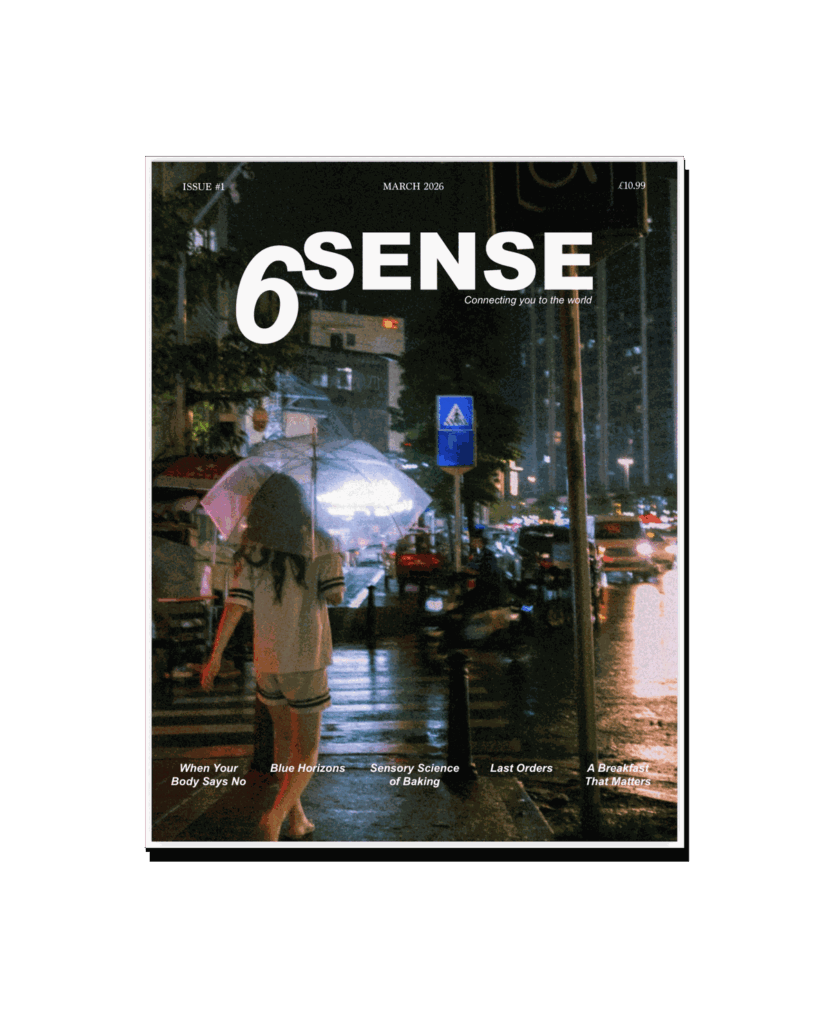
Tap into your senses
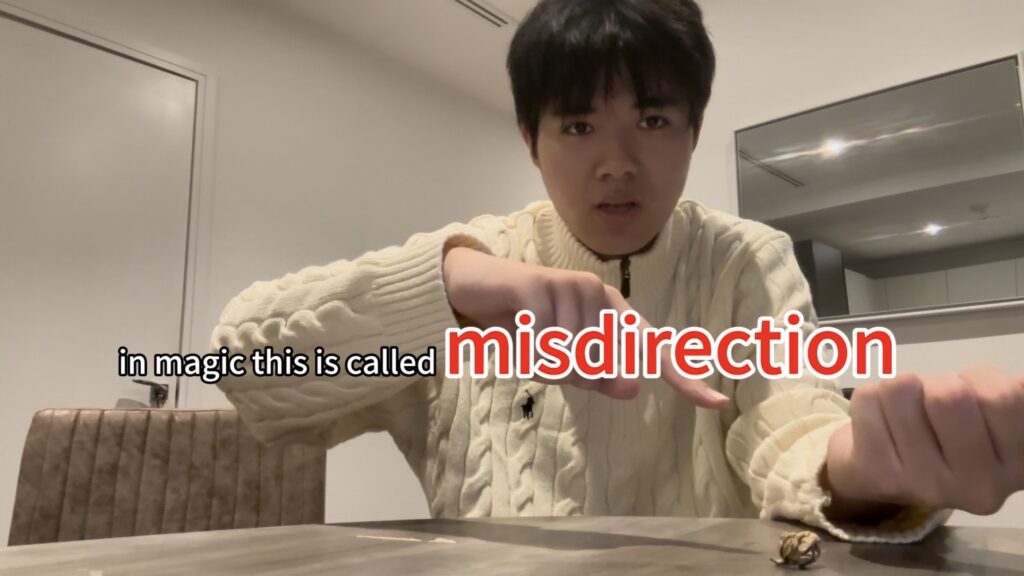


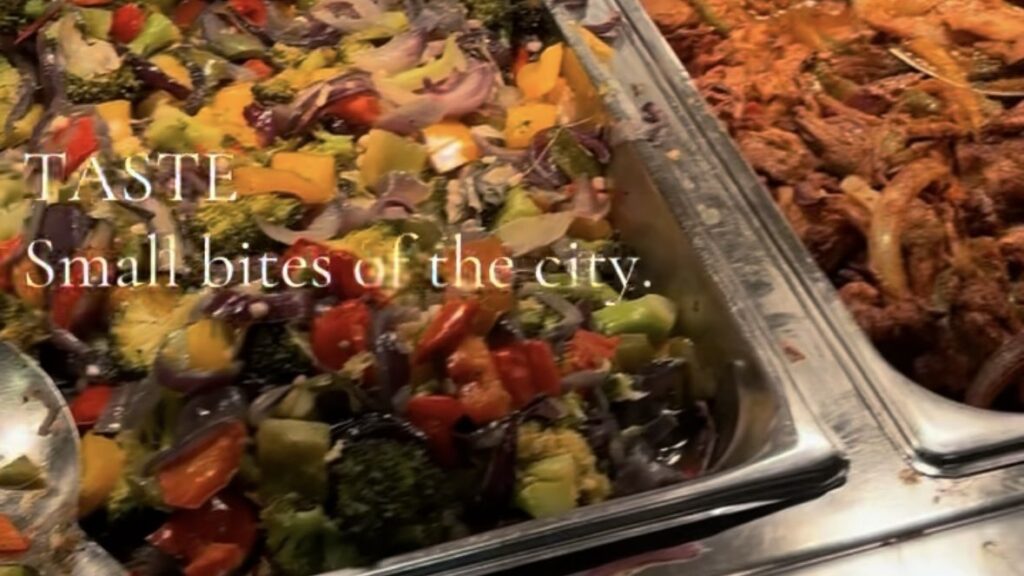
About the magazine
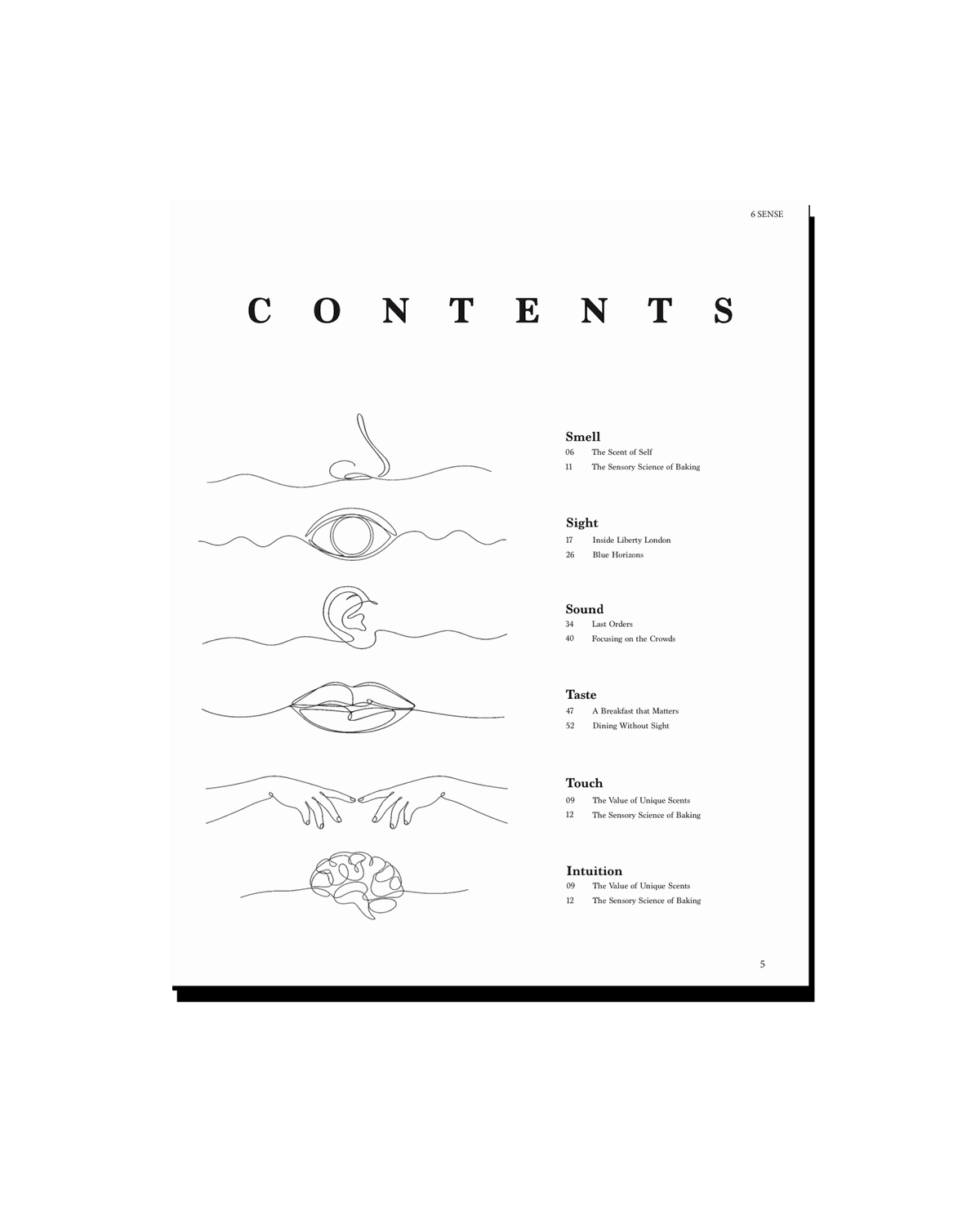
6sense is a magazine that explores contemporary life through human perception. Each issue is shaped around one of the six senses, sight, sound, smell, taste, touch and intuition, using it as a framework for essays, personal stories and creative features. The magazine covers a wide range of subjects, from culture and identity to memory, art and everyday experience, all viewed through the body rather than abstraction.
Frequently Asked Questions
What is The Magazine about?
We focus on sight, sound, touch, taste, smell, and a sixth sense, intuition. Through stories rooted in everyday life and based in London, Six Sense connects personal sensation with culture, environment, and lived experience.
What kind of stories does 6sense tell?
We tell grounded, observational stories from street level scenes to professional settings. Our work blends personal narratives with cultural reflection, using sensation as a way to understand society.
What makes 6sense different?
We don’t treat sensation as background detail. For us, how something feels is central to understanding how people act, perform, and relate to their environments.
Is 6sense location-specific?
While based in London, 6sense is not limited to one city. We use place as a lens to explore broader questions about attention, pressure, and embodied experience.