Category: Taste

  • The Future of Veganism and Vegetarianism

    The Future of Veganism and Vegetarianism

    I’ve spent my entire life as a vegetarian. From the moment I was born, to two vegetarian parents, up until this very moment, as a 22-year-old man. Even in my life, hell, even in the last decade, I’ve witnessed the lifestyle go from one of relative obscurity to the forefront of people’s lives.

    It was one of the first things I noticed when moving to London in early 2023. The quantity and variety of vegetarian and vegan food were staggering. 

    At first, I welcomed the adoption of the dietary and, by extension, political choices people were making. I’ve grown up in its culture, and the messaging and rhetoric surrounding animal and climate welfare is one I’m very on board with. 

    But the last year or so has been different. Vegan and vegetarian restaurants have been closing at a staggering rate, and price hikes from supermarkets, to an already minority dietary choice, have left many of us with limited options.

    2019, dubbed ‘The Year of the Vegan’ by The Economist, saw swathes of people take up veganism, and the future looked bright.

    Now, in 2026, things have declined steadily. Lacklustre attempts to make accommodations — such as Burger King’s failure to use separate grills for cooking beef and plant-based patties — have left a sour taste in the mouths of vegans and vegetarians. 

    Wagamama removed its ‘Vegatsu’ vegan katsu curry, along with other vegan items, in 2025, despite the company’s 2021 pledge to make 50 per cent of its menu plant-based. 
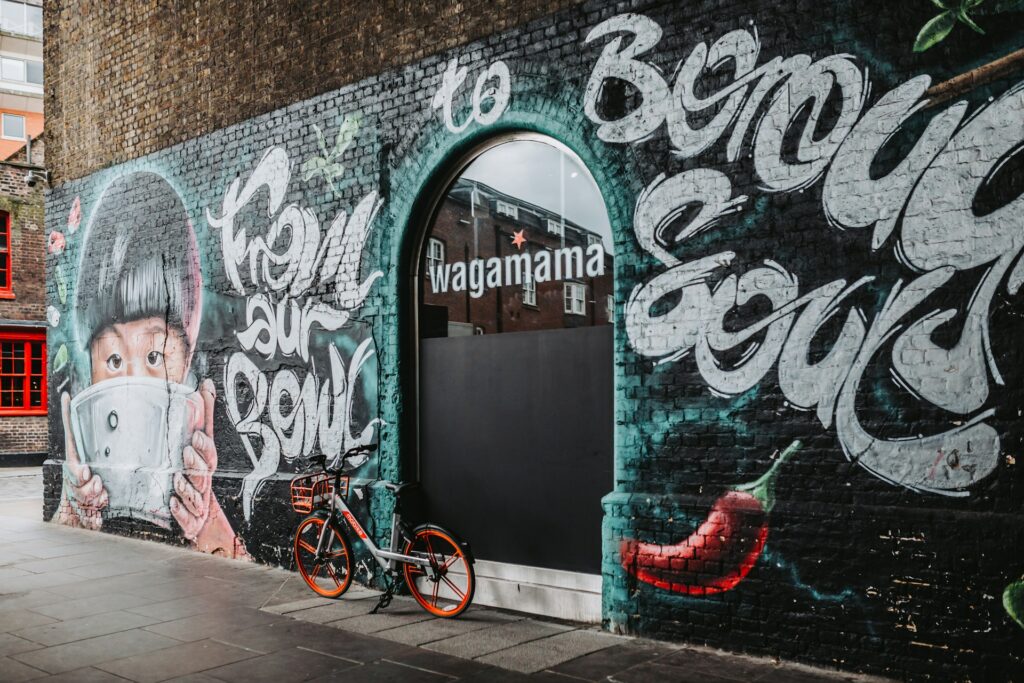
    Image: Bruno Martin on Unsplash.

    Beyond Meat is struggling financially. Eleven Madison Park — a three-star Michelin restaurant that transitioned fully into veganism in 2021 — reintroduced meat to its menu in 2025. Meat and milk substitutes are 24 to 115 per cent more expensive than their animal-based counterparts.

    The fact of the matter is, those who jumped to a meat-alternative diet in the 2010s and the height of the craze, who are now jumping ship, have done undeniable damage to the industry for the rest of us. In essence, they have gentrified veganism and vegetarianism. 

    Young people, those most statistically likely to bear the brunt of these price hikes and lack of options, are stuck between choosing the ethical choice and the financially sensible one — things that used to be aligned, even in my lifetime. 

     I could go on and on and on. But I won’t.

    What I will say is that, buried beneath all this doom and gloom, are small groups of people and small businesses, those dedicated to keeping the lifestyle afloat. 

    I recently went, with my girlfriend (who’s also a vegetarian), to two different restaurants. 

    Image: Sam on Unsplash.

    The first, En Root Peckham, offers an interesting selection of plant-based “Indian fusion” items, all of which were enjoyable, and, crucially, it was affordable. 

    The interior was interesting and felt as if it had some soul — unlike the current state of ‘trendy’ restaurants and gastro pubs, which all merge into one — with more niche music, dimmed lights, and a sort of faux living room vibe.

     The service left a little to be desired, and the strange layout of a cafe in the front section, dining area in the back, made for a slightly puzzling experience, but the food more than made up for these shortcomings. 

    Unfortunately, in line with broader veganism trends, we found out about En Root because of the owner appearing on the news, and talking about how much the business is struggling. 

    We went on a Friday evening, after work, and were two of only a dozen or so customers, during what should have been the place’s busiest time. 

    The second, Amrutha, in Honor Oak (that also serves Indian food), was a pleasant surprise. We went because it was convenient — close to both where I work and where my girlfriend lives — but left very happy on (almost) all fronts. 

    Despite the interior succumbing to the same disease plaguing gastro pubs — terribly uncomfortable chairs, an interior that could bore you to death, and a questionable music selection — the service and food were superb. 

    The food selection is, in essence, a ‘take it or leave it situation’. You get two options from the set menu: the normal portion at £33 per head or the slightly bigger one at £37. We opted for the normal portion, hesitant to pay extra for something we were unfamiliar with. 

    Due to it being our first time, we were upgraded to the slightly bigger portion at no extra cost, which was a welcome surprise. The staff were fantastic; they were friendly and genuinely seemed to care about providing a good service, which, having spent the last three years in hospitality myself, is not an easy feat to accomplish. 
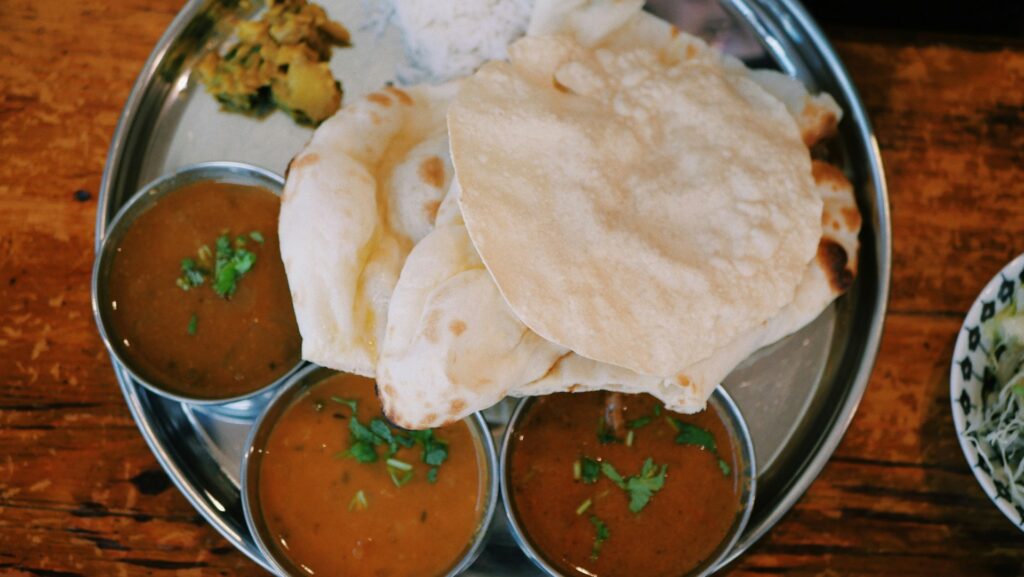
    Image: Lai YuChing on Unsplash.

    The food was great, the dishes interesting, and the bring your own booze policy (and the conveniently located corner shop just down the road) was the icing on the cake. Although, as pompous as it sounds, some kind of unique vegan beer or vegan wine pairing would’ve been a nice option (not that I’d opt for it anyway, for money’s sake).

    We also found out that, when paying the bill, Amrutha operates a policy where you can pay as much or as little as you would like. This kind of policy is almost unheard of, but we chose to pay in full due to the exquisite service and food I mentioned earlier. 

    I left both feeling more than satisfied. I left feeling hopeful. Hopeful for the future of veganism and vegetarianism, with the belief that, no matter what’s trendy or what big corporations are doing, somebody, somewhere will stick by what they believe in.
  • A Breakfast That Matters: Inside Madrid’s Morning Service for the Homeless 

    A Breakfast That Matters: Inside Madrid’s Morning Service for the Homeless 

    “As a child of God, my mission on earth is to lend a hand to those most in need,” says Cristina Martin, a volunteer at Cachito de Cielo. The name translates to a small piece of heaven, giving sense to their cause: serving a warm breakfast every morning to those in need. Founded by a group of religious missionaries and nestled in the heart of Madrid, the charity is guided by the belief that “God does not abandon anyone; he walks with all of us”. 

    Through this conviction, Cachito de Cielo provides both material and spiritual support to some of the city’s most vulnerable residents, turning everyday acts of care into moments of hope. 

    In many societies today, a university degree or a steady job is no longer a guarantee against hardship. In Madrid, about 26% of the resident population was at risk of poverty or social exclusion (AROPE rate) in 2025, according to El País. Hunger queues, once a sign of acute crises, have become a quiet fixture in the city’s early mornings. 

    At Cachito de Cielo, rising living costs and economic pressures have reshaped daily routines. Where families once gathered inside a modest social dining room, they now wait outside while 10 to 20 volunteers prepare and hand out breakfasts from within. One of the sisters leading the organisation puts it simply: their doors remain open, in spirit if not always in practice, to anyone who is struggling.  

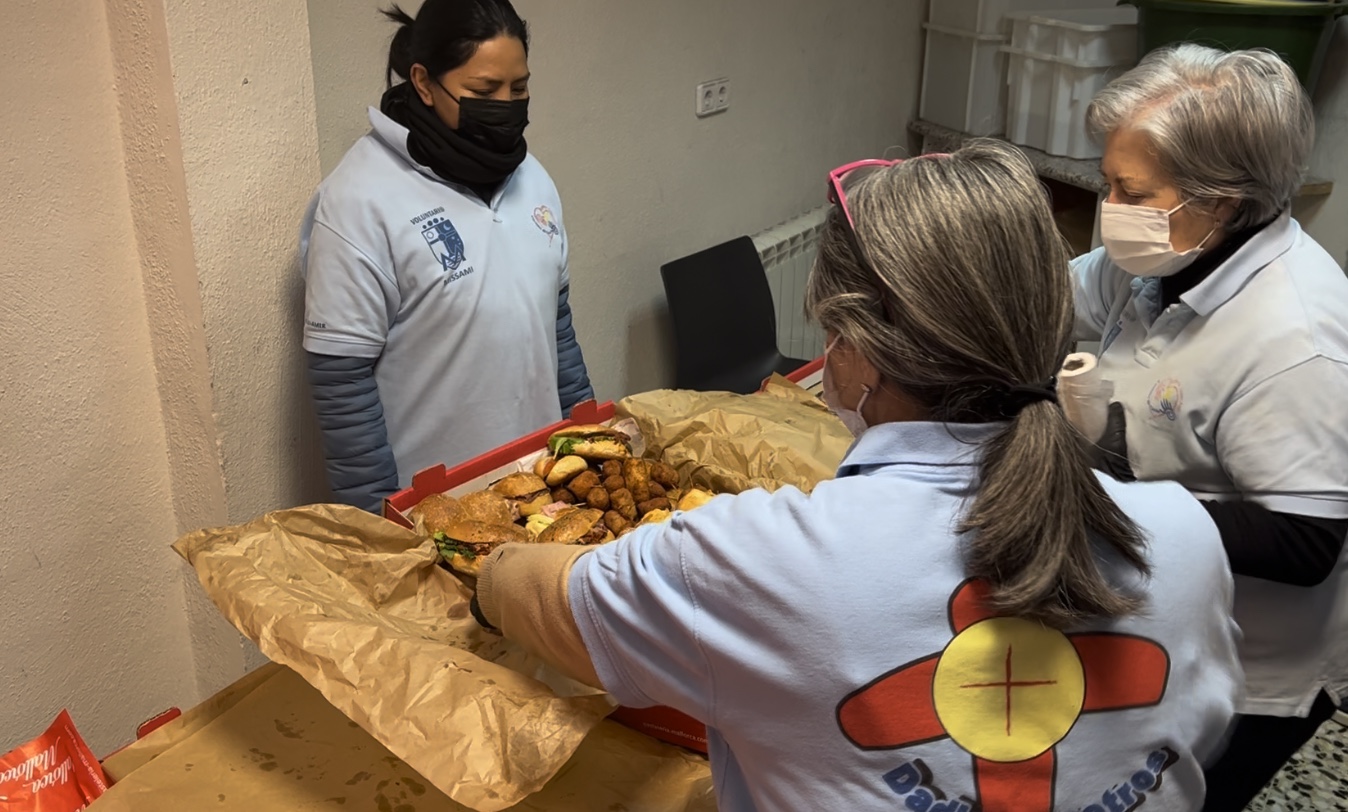
    Every day, from ten until late morning, the doors open to anyone, regardless of race, culture, or religion. Inside, a small team of volunteers works steadily, preparing breakfast bags filled with sweet and savoury items, passing them through the doorway.

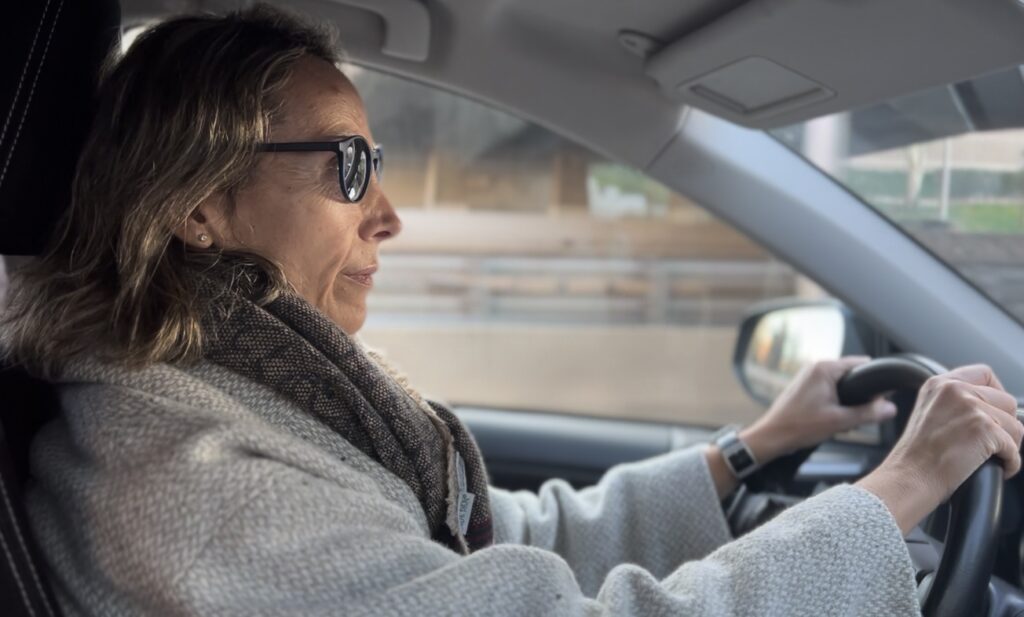
    Beyond these visible, frontline efforts, there is also a network of volunteers working quietly behind the scenes to make each morning possible. One of them is Cristina Martin, a 50-year-old mother, who is responsible for collecting donated food. “It takes me around 30 minutes to get from my house to the bakery,” she explains. “When I arrive, I collect and pack all the boxes of food they give me and then take them to the food bank. In total, I dedicate about an hour of my mornings to this very special cause.” 

    Martin’s contribution goes far beyond the simple act of transport. For the past five years, she has woven this responsibility into her daily routine, arriving at Pastelería Mallorca early each morning to collect freshly baked goods. Rain or cold rarely deters her; the timely arrival of the food shapes the day for the people waiting at the charity, and she is determined to play her part. On some mornings, she brings her two children, aged seven and nine, along before taking them to school. “I want them to see the reality of life,” she explains. “It’s an act of consciousness, so they understand how fortunate we are and why helping others matters.” 

    Her dedication comes with personal trade-offs. “Sometimes I miss my Pilates class,” she admits, “but seeing the volunteers in action and knowing the people we help makes it worth it. I make time for exercise later, it’s just shifted in the day.”

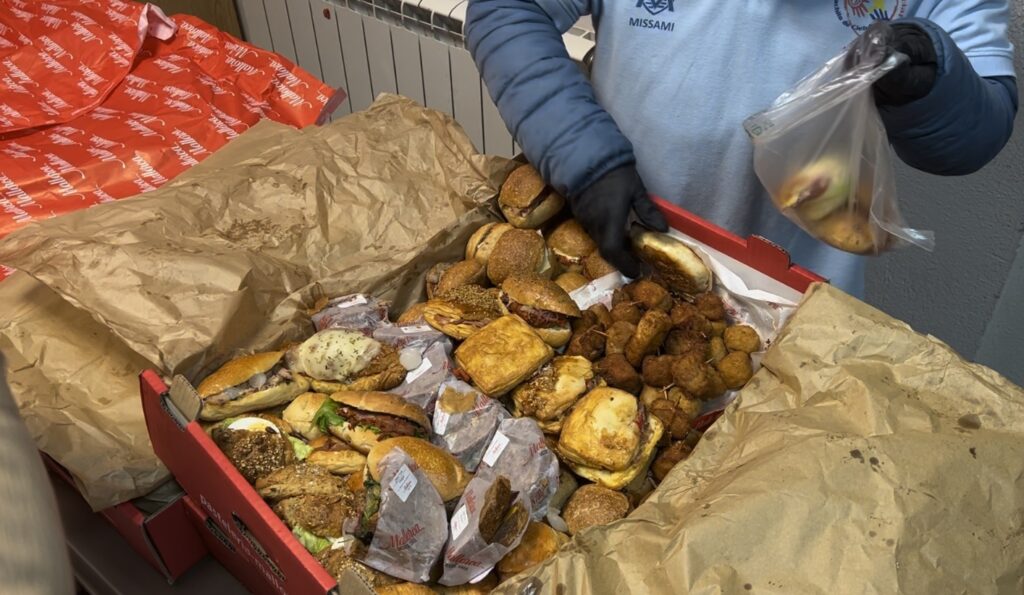
    Once the boxes arrive at Cachito de Cielo, other volunteers unpack, sort, and prepare the contents for distribution. Inside the cardboard boxes is a varied selection, ranging from simple pastries to hearty sandwiches, all donated by Pastelería Mallorca, one of Madrid’s most celebrated artisan bakeries. Cristina hands the boxes to Miguel, who sorts the sandwiches and pastries into individual bags, while Ana checks the drinks and ensures a balanced mix. Then Laura and Javier take the prepared bags to the distribution point, where Sofia greets recipients with a warm smile and hands them their breakfast. 

    For Cristina, this daily journey is not about recognition but about consistency. On the way to school, after helping with the cause, her children chat about the families they saw and the sandwiches they packed, small gestures that show they are learning empathy by seeing their mother’s commitment in action. 

    Cristina Martin. Image: Cristina Martin

    In Madrid, several organisations work with the Red Cross to ensure that no one goes hungry. The Banco de Alimentos de Madrid channels donate food to local charities and community centres, while Cáritas Diocesana de Madrid runs food points that provide families with essential packs and support. Yet, people keep returning to Cachito de Cielo, drawn by its exclusive partnership with Pastelería Mallorca, where the food’s consistently high quality sets it apart. Founded in 1931, Pastelería Mallorca first earned acclaim for its freshly baked ensaimadas, light spiral pastries, and torteles, sweet dough treats often filled with cream or jam, both staples of Spanish baking. Today, it has grown across Madrid, offering an array of pastries, chocolates, and gourmet products, all made daily in its own production kitchens (known in Spanish as obradores), where bakers and pastry chefs prepare the products on site. 

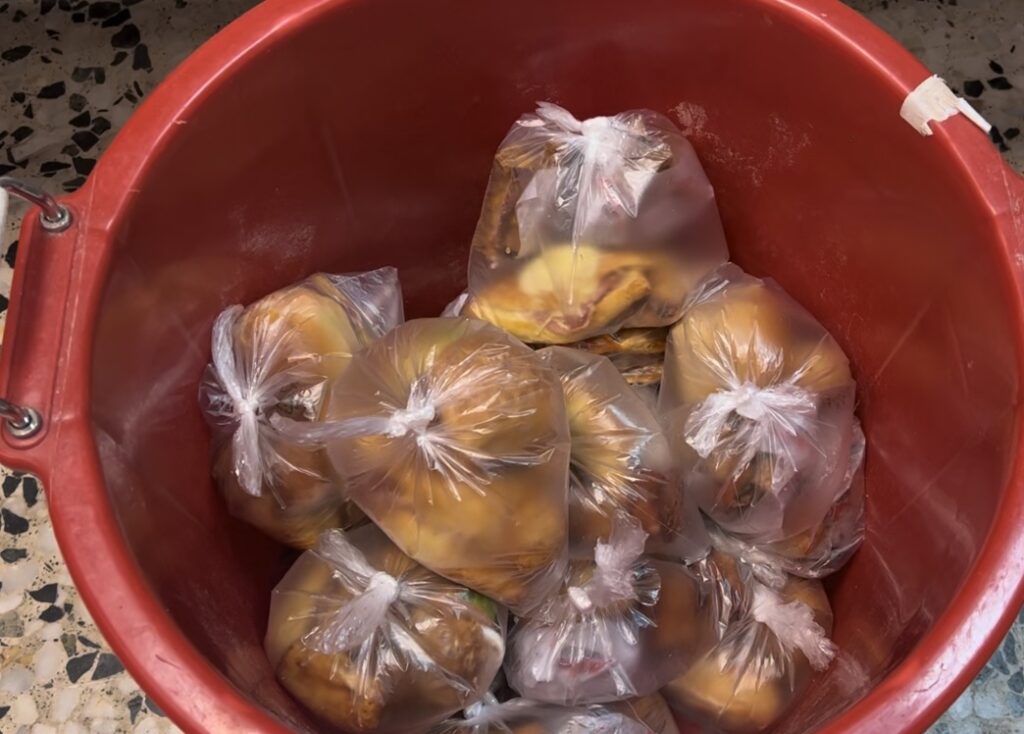
    A recent advancement made by the charity has been the preparation of additional takeaway “goodie bags”, ensuring no food goes unused and that recipients have something to sustain themselves throughout the rest of the day. These bags usually include a mix of pastries, sandwiches, or bread, along with essential liquids such as milk, water, and juices, all thoughtfully packed to be easy to carry and consume throughout the day. 

    Goodie bags. Image: Jimena Inda
    Preparation of goodie bags. Image: Jimena Inda

    For many people, this gesture provides more than just nourishment; it offers reassurance and dignity, allowing them to face the hours ahead without worrying about their next meal. 

    “I really appreciate what they do here,” says José Miguel, a 25-year-old carpenter. “I take one of these goodie bags to work every day. It keeps me going through long shifts and gives me peace of mind knowing I won’t have to skip a meal.” 

    As Sister Rosa María Ateza, who oversees the charity’s social outreach work, stresses, the situation is becoming increasingly severe, with the need for support greater than ever. “Many of the people who come to us are living on the streets,” she says. “When that is your reality, there can be no filters or conditions. We do not ask questions or turn anyone away. If someone is hungry and asks for food, they are welcome here.” 

    Beyond the charity itself, Madrid faces a growing social challenge. According to the European Anti‑Poverty Network (EAPN) and data from the Spanish National Statistics Institute, around 1.46 million people in the Community of Madrid — roughly 21 per cent of the population — are at risk of poverty or social exclusion, a figure that has risen over the past year. More than 320,000 children, about 31 per cent of the region’s minors, live in this situation, while nearly 42 per cent of families report struggling to make ends meet, as reported by EAPNMadrid and Diario de Madrid. These figures are striking, given that Madrid is one of the wealthiest regions in Spain, highlighting deepening inequality and the structural nature of poverty that drives many to seek essential support such as food and shelter. 

    Rosa María is quick to downplay her own efforts. “What we are doing is nothing,” she says softly, “it’s the least that could be done for these people.” She paints a stark picture of the mornings faced by many who arrive at the centre. Some have spent the night sleeping on the street, while others, if they were fortunate, slept in a small room without heating. By the time they reach the food bank, they are often forced to queue in freezing temperatures,  at times dropping as low as minus two, simply to receive something warm to eat. 

    For Rosa María, this work is inseparable from her faith. She speaks of her union with God as the source of her commitment and of the gratitude she feels each day for the basic comforts she has, comforts she knows are absent for many of those who wait quietly in front of her. 

    However, she is careful to stress that this work is not about feeling sorry for anyone. As she explains, “We don’t have to feel sorry; these people are equal to us.” They are not objects of pity, but people who deserve empathy, respect, and to be treated in the best way possible. When they are approached in this way, those queuing in line respond positively, engaging more openly because they feel recognised as equals.  

    It is within this context that many volunteers find their way to the charity, their own life experiences often mirroring those of the people they now support. Marta Tornos, 55, moves with quiet purpose between the tables at Cachito de Cielo, passing out breakfast bags with a warm smile and a few words of encouragement for each person who arrives. She folds sandwiches neatly, checks the drinks, and makes sure nothing is overlooked. There is a calm efficiency to her movements, the kind that comes from years of practice and genuine care. 

    What makes her presence here remarkable, however, is a truth she does not often share: a little over a decade ago, she was one of the people standing in this very queue. 

    Marta had weathered the first wave of the Spanish financial crisis in 2008, keeping her role as an administrative assistant at a small manufacturing company in Madrid. By 2009, however, the company could no longer cope with falling orders and unpaid clients. She was called into the office and told that her post had been eliminated. “For a whole year, I felt like I had been saved, like I had made it through the worst. And then suddenly, everything fell apart. You never really know how hard it can hit until it happens to you,” she recalls. Bills piled up, savings dwindled, and even necessities became a struggle. Eventually, she found herself queuing for breakfast at the charity, a humbling experience she could never have imagined. 

    “That hardship is what drives me now to help others facing similar struggles, offering both meals and hope,” Marta explains. “Today I am one of the volunteers here, but there was a time when I was one of those people standing in line after losing my job. With God’s guidance, I found my way again, and that is why I am here helping others.” 

    At Cachito de Cielo, breakfast is more than just a meal. It is a taste of dignity, a moment of human connection, and a quiet reminder for both those who serve and those who receive that no one is truly alone. As Marta concludes the interview, she adds softly, “You never know when you might find yourself standing in that line.” 

  • Same Table, Different Worlds

    Same Table, Different Worlds

    A familiar flavour can carry routines, habits, and a sense of belonging across borders

    Taste is often treated as a personal preference, but it is also a form of memory. A familiar flavour can carry routines, habits, and a sense of belonging across borders. In cities shaped by migration, taste becomes a quiet way of holding on to home. At night in Canary Wharf, as the river reflects the lights of nearby office towers, taste is what draws people toward a small Chinese food stall by the water.

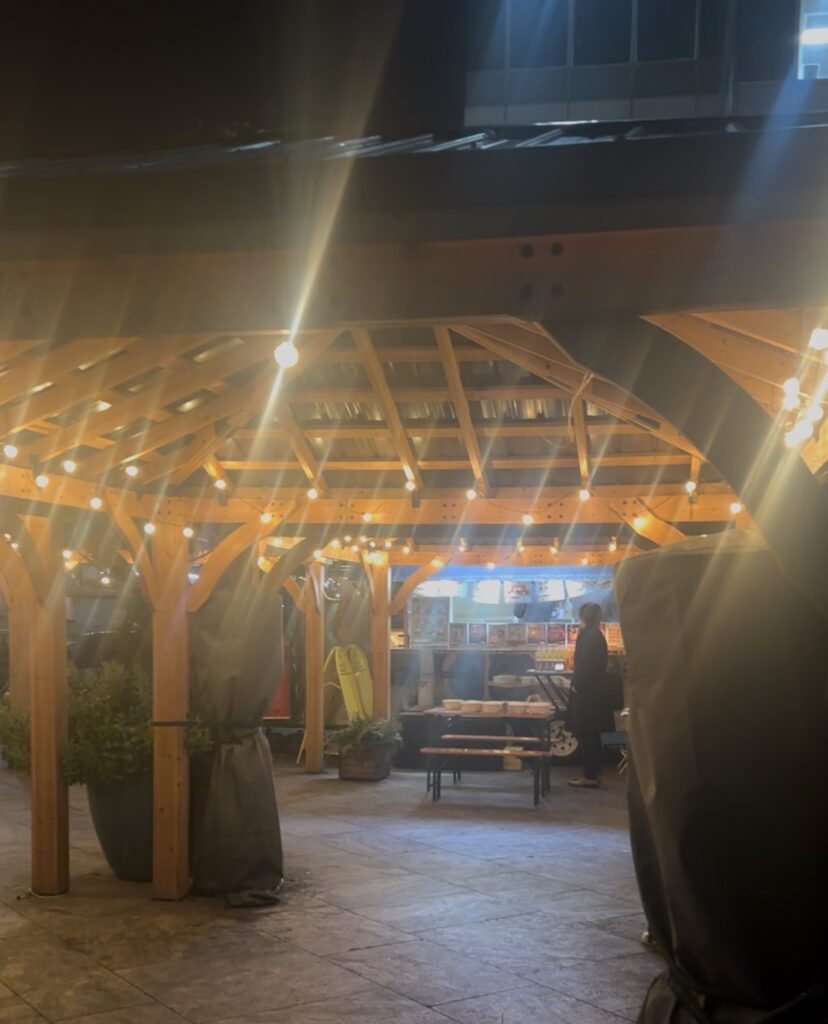
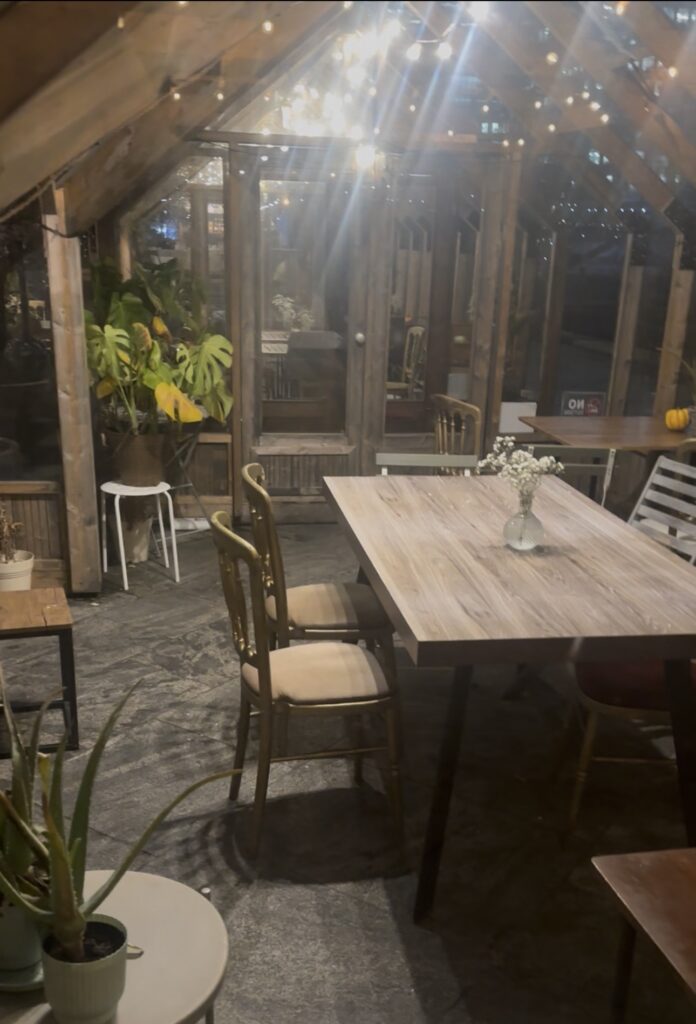
    The financial district does not fully sleep. By the riverside, a compact Chinese food stall called Late-Night Canteen remains busy long after most nearby cafés have closed. Orders are placed at the open counter, and customers carry their food to a small wooden shelter nearby. Inside, warm yellow lights, simple decorations, and wooden walls soften the surrounding glass-and-steel landscape. Mandarin and English conversations mix in the air. Different rhythms, held together by food, share the same small space.

    gray bridge over river during daytime
    Canary Wharf. Image: Unsplash

    The stall is run by Aaron, who moved from Shanghai, China, to London and set up the business by the river. His intention was clear from the beginning.

    “I wanted Chinese people living here to have a place where they could eat something truly familiar,” he explains. “When you’re far from home, food matters more than you realise.”

    The food hall. Image: Isaac Liu

    The riverside food stall and wooden hut were designed deliberately — modest, welcoming, and warm — offering a sense of comfort rather than spectacle. At the same time, Aaron hopes that non-Chinese customers can taste Chinese food as it is meant to be, not overly adjusted or simplified. “I want them to try real Chinese flavours,” he says, “not just an idea of them.”

    Over time, the stall has become a regular stopping point for Chinese students and workers nearby. Scarlet, a Chinese international student studying in the UK, eats here almost every day, both lunch and dinner.

    “It’s affordable, filling, and convenient,” she says. “And it tastes right.” For her, the stall is not about novelty or cultural exploration. Sitting in the wooden hut with her takeaway box, she treats the meal as part of her daily routine between classes and assignments. The taste is familiar enough to feel efficient rather than emotional. “I just need something warm and reliable,” she explains.

    The wooden shelter. Image: Isaac Liu

    During lunchtime, the queue grows longer and more mixed. Office workers from nearby buildings join the line, many of them non-Chinese. James, who works in one of the surrounding offices, says he first noticed the stall because of the number of Chinese customers waiting by the river. “I thought if so many Chinese people come here, it must be good,” he says. Sometimes, he comes simply to escape the routine of sandwiches and salads. Sitting in the wooden hut, he describes it as “trying something different without leaving the area.” For him, the taste represents a brief cultural encounter in the middle of a highly standardised workday.

    The same riverside space, however, serves very different purposes. For Chinese customers like Scarlet, the stall functions as part of everyday life: a place that supports study, work, and survival in a foreign city through familiarity of taste. For customers like James, it is an occasional choice, framed as an “authentic” or “hidden” discovery. Neither perspective is wrong, but they are not equal. One is rooted in necessity and continuity; the other in curiosity.

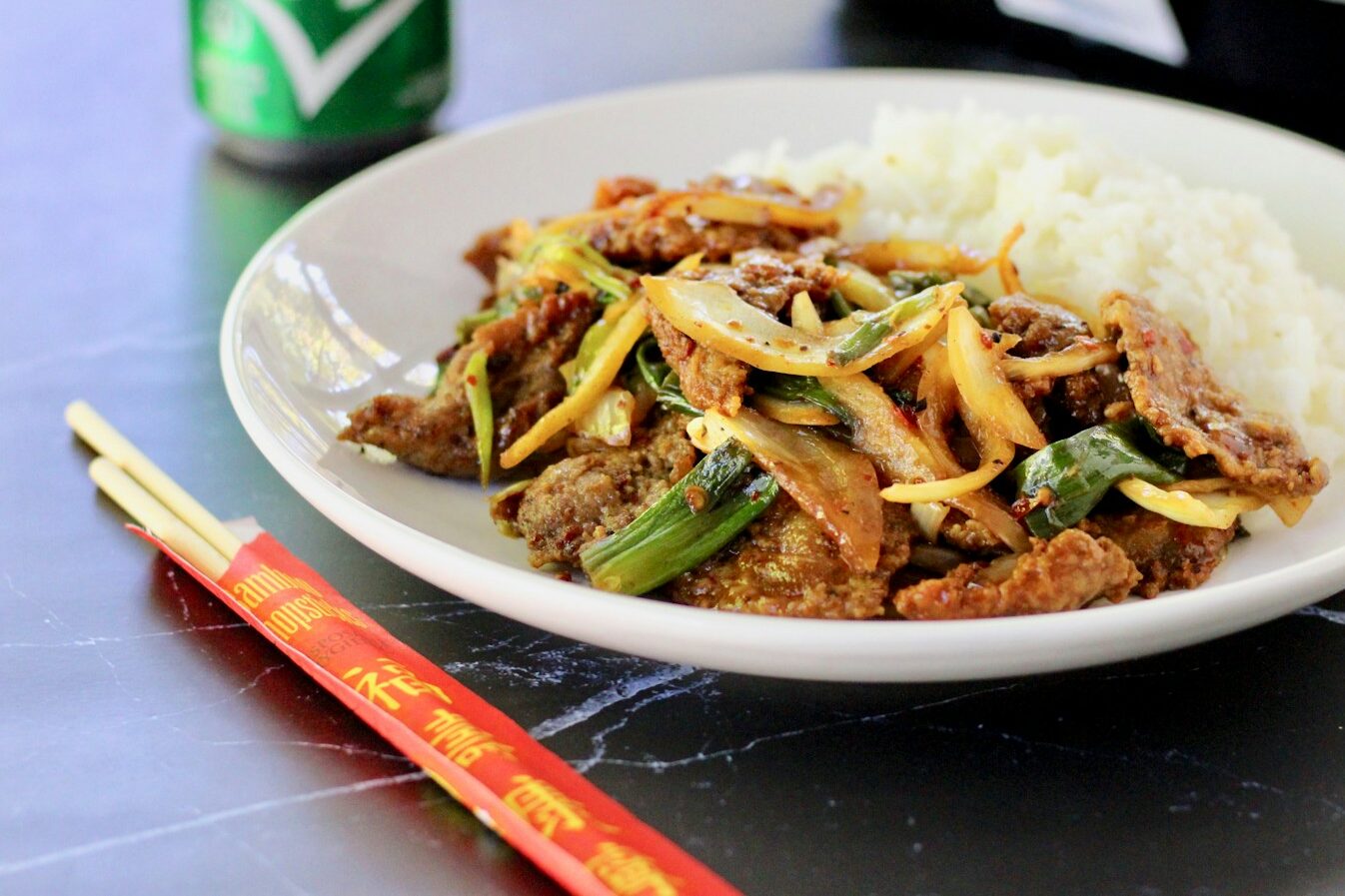
    cooked rice with green vegetable on white ceramic plate
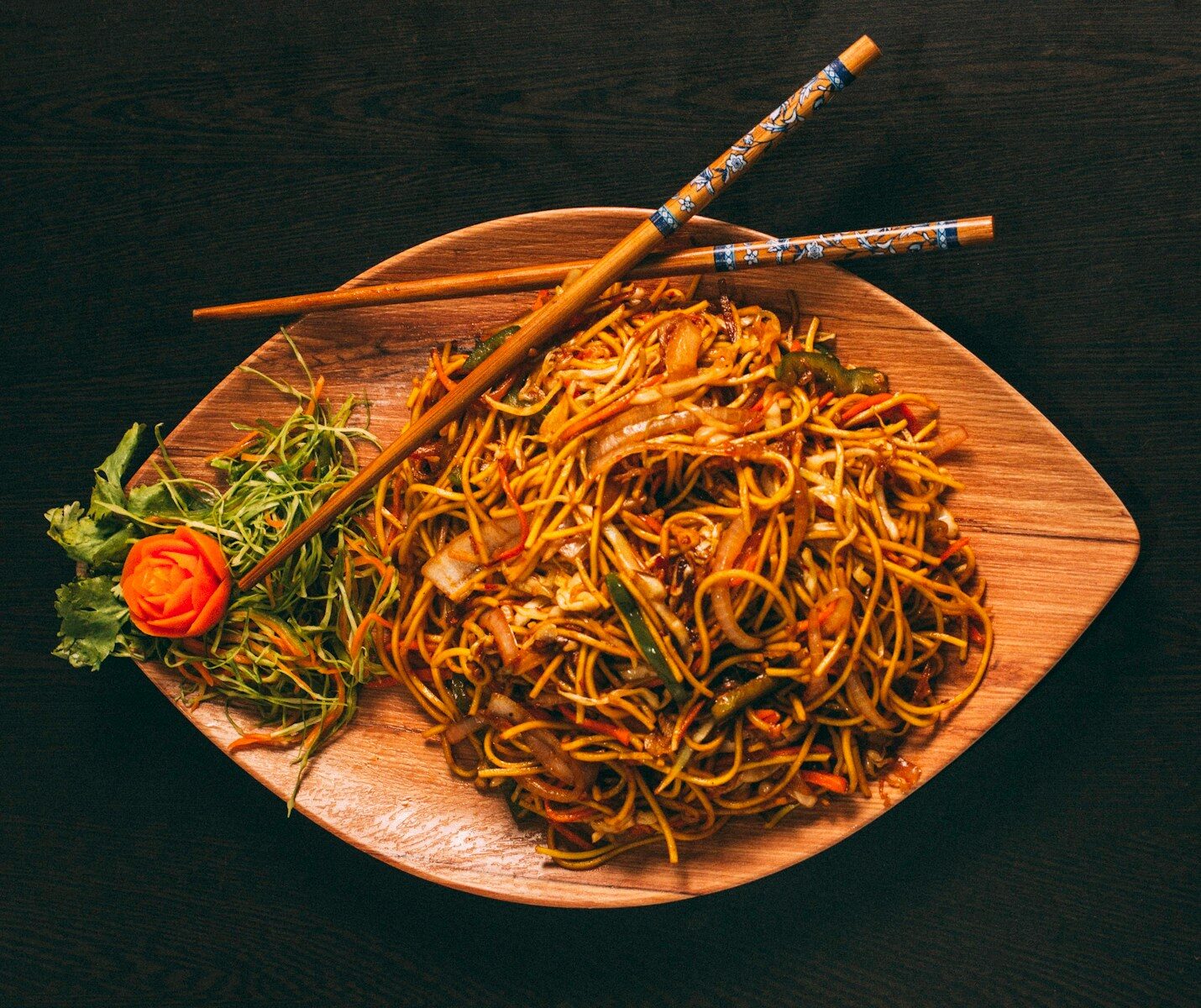
    Chinese food. Image: Unsplash

    Aaron is aware of this imbalance. Online reviews still matter, even for a small food stall.

    “Of course they affect us,” he says. Comments about food being “too oily” or “too strong” influence how dishes are adjusted.

    What gets cooked and sold reflects not only memory and intention, but also foot traffic, weather, and review platforms. In this context, maintaining authenticity becomes a careful negotiation rather than a simple goal.

    Sitting in the wooden hut, holding a warm box of food, I can hear both languages at once. I understand the pressures behind the stall and still take part as a customer. From this position in between, the difference becomes clearer. Some people come here to sustain everyday life; others come here to experience difference through taste. One group depends on this riverside stall for familiarity, while the other passes through it.

    As the late night comes, the river outside grows quieter, but the lights inside the hut remain on. Steam rises into the cold air, orders continue, and familiar faces nod in recognition. In the heart of London’s financial district, this small food stall and its wooden shelter show how taste can hold two worlds at the same table — warm, temporary, and never fully the same.