Horror is the last place you’d go to if you want to feel nostalgic, but surprisingly, it may be the best.
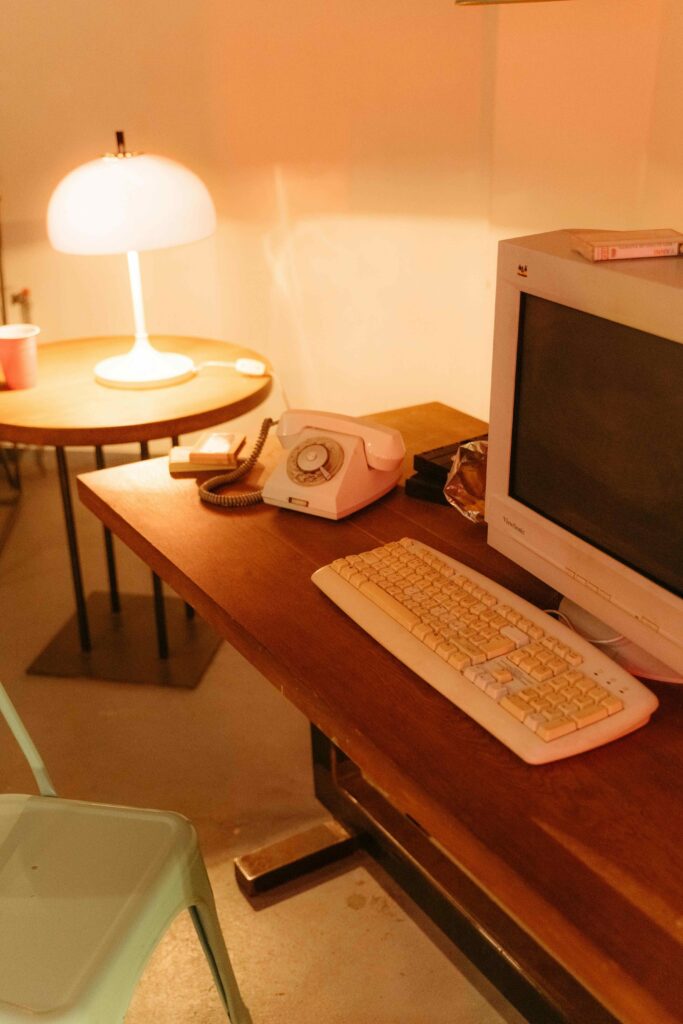
It’s the late 2000s, and your mum is calling for you. “Come downstairs”, she insists and like the carefree child you are, you bolt down the stairs towards her. She’s standing by the bulky, cream-white computer, asking you to play a game she found. You’re staring at the blue and black screen as it reads, “try to reach the goal without touching the walls”, and you proceed thinking it’s going to be easy. You pass the first two levels effortlessly, but the third one requires more focus.
You lean in closer – eyes fixated on the dot you’re controlling with your mouse. The level is almost done until, suddenly, a blaring scream fills the living room. Before you know it, your eyes are shut and your heart is racing rapidly. When you finally get the courage to look at the screen, you’re met with a close-up of Regan MacNeil from The Exorcist. And of course, your mum recorded the whole thing.
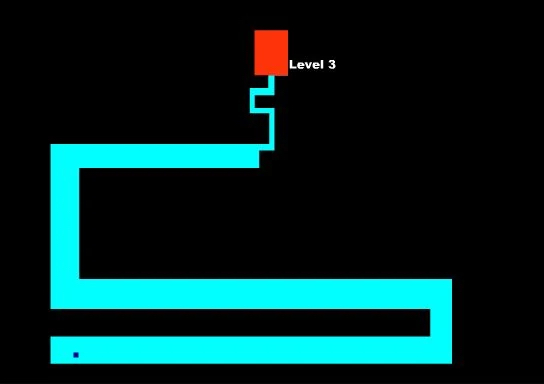
The Scary Maze game is a staple childhood memory for anyone who grew up at the end of the 2000s to the early 2010s. Whether your parents or friends made you play it or you watched gameplay of it on YouTube, it was a phenomenon that the world remembers. ‘Scary maze game’ as a Google search peaked in 2008 and maintained its popularity for a few years, however, it was not the only horror media people recognise from this era.
To name a few, Don’t Hug Me I’m Scared, I Feel Fantastic and Herobrine sightings are videos from early YouTube that many people stumbled upon in their childhood. This, dare I say, iconic era of unrestricted internet access has led some people to grow up with a continuing fascination for horror. Now over a decade later, it is clear that our nostalgia and memories of the past are increasingly being intersected with horror media.
“I grew up loving horror, and I got into it at a young age because I was drawn in by the thrill of fear in a safe environment,” explains Jasmine Ayap, 24, a horror fanatic. When she was younger, she was obsessed with nonsensical horror media like Don’t Hug Me I’m Scared and Courage the Cowardly Dog. But Jasmine also says, “I loved 80s horror films like A Nightmare on Elm Street and even though I didn’t grow up in that decade, I still feel weirdly nostalgic about it.”
91% of Gen Z watch horror movies or TV shows and are the generation that consumes the most horror content. Nostalgic feelings aren’t necessarily based on the decade you grew up in, but rather can be triggered by the media you consume or consumed. This is best described as ‘anemoia’, which is nostalgia for a time you’ve never lived through. Gen Z loves horror because of their childhood and memories, but how exactly is nostalgia evoked in modern media?
Films
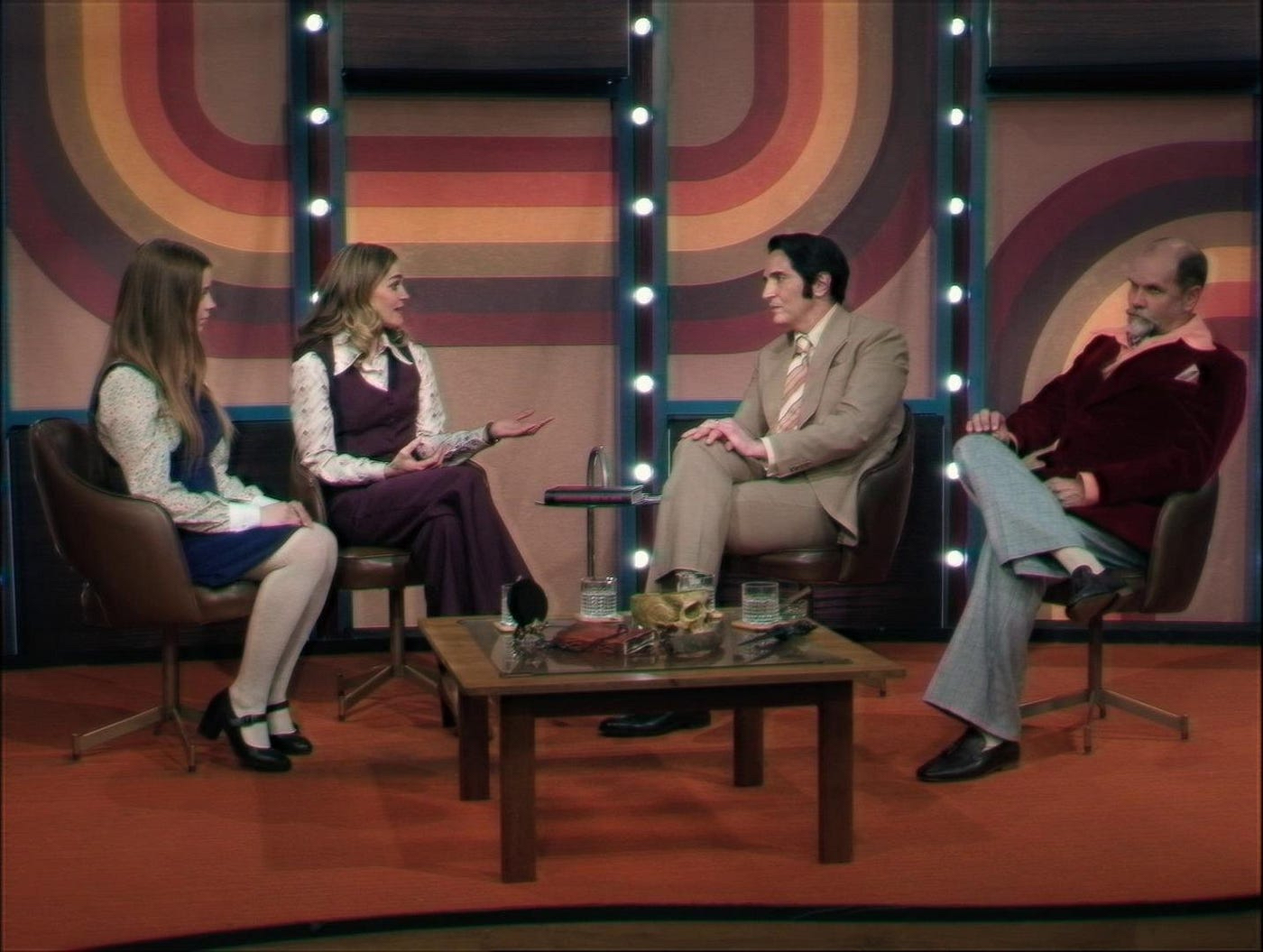
To put it simply, nostalgia sells. It’s not just about revisiting media from our earlier years, but also consuming contemporary films that deliberately use visual effects, like grain and static, to recreate a retro aesthetic. Late Night with the Devil, a 2024 supernatural horror film, does this incredibly well. The movie isn’t your typical possession film; it is a 1977 ‘live television broadcast’ that goes terribly wrong as a malevolent demon gets awakened onto the studio. Cynical, dramatic and kitsch, Late Night with the Devil is complete with vintage costumes, stand-by music and ‘technical difficulties’ screens – this is sure to evoke anemoia with younger viewers.
Hollywood also has a never-ending obsession with making film sequels and popular franchises are always being continued for a certain audience. Beetlejuice Beetlejuice is a film that was released in August 2024 and is a sequel to 1988’s Beetlejuice – it is set over 30 years after the first film and follows Lydia Deetz (Winona Ryder) as she continues to be haunted by Beetlejuice (Michael Keaton). Fans of the original, particularly the ones who watched it when it came out, are made to rejoice as original actors reprise their roles; a viewing of the sequel would elicit nostalgic feelings for those same fans. Gen Z aren’t the only ones with a great fondness for horror.
Karra Shimabukuro – an associate professor at Elizabeth City State University and horror-nostalgia scholar – states that nostalgic feelings are triggered especially through classic horror film remakes and sequels like A Nightmare on Elm Street and Halloween. “In the plot of these horror films, they feature high school or university-age people in settings like prom, sorority houses or summer camps, which prompts the older generation to reminisce about their teenage years.”
Karra adds that “we should also consider what we are being nostalgic for. Classic slasher films have a teenage girl as the protagonist, and she eventually becomes the ‘final girl’. But in the process, these final girls are sexualised, traumatised and tortured both physically and mentally for the sake of entertainment – so, they’re not actually the feminist icons they are believed to be. Creating remakes and sequels of these films is problematic because it continues to teach teenage boys, the main target audience, that violence against women is something to be entertained by.”
Analogue Horror
Analogue horror is media made in the contemporary that best explores the relationship between horror and nostalgia. You may know The Blair Witch Project or The Visit as part of the subgenre, found footage, but did you know that analogue horror is a subgenre of found footage? Horror is never short of being complex, but the main difference is that found footage makes the viewer watch discovered recordings while analogue horror makes the viewer experience the horror first-hand.
Local 58, which came out in 2015, is typically seen as the first analogue horror series as it popularised the genre. It emulates the look of older media, ironically, without using analogue technology. The typical analogue horror experience usually plays out like this: you’re watching an old-school television broadcast and it’s oddly familiar. There’s a sudden intrusion filled with glitches, static and distorted noise – and it’s caused by a paranormal entity. The nostalgia reels you in, and the twist corrupts any sense of comfort you may have had.
Over recent years, there has been an influx of analogue horror series’ on YouTube. In the process, however, certain techniques like computer-generated voices or a lack of plot start to feel overused. Angel Hare is a series notably more unique than the rest. It doesn’t use such tropes and it’s an animation; there are little to none in the analogue horror community. The creators, Rachel and Hannah Mangan, say that “analogue horror is appealing as it’s equivalent to finding old mysterious stuff in the corner of your parent’s garage as a kid.”
Angel Hare follows Jonah as he finds a VHS copy of an old children’s show he once loved. Though, he compares his old recordings of the show to the VHS copy and notices many unexplainable differences. Rachel says, “we took a lot of visual reference from the BBC show, Mary, Mungo and Midge which is a late ’60s cartoon. But the characters and story are inspired by our own childhood, when we would have been watching VeggieTales in the mid-90s to early 2000s.” Hannah also adds that they wanted to recreate the childhood memory of “having a cartoon character feel like your friend” – this is something all generations can relate to, making analogue horror timelessly nostalgic.
The Backrooms
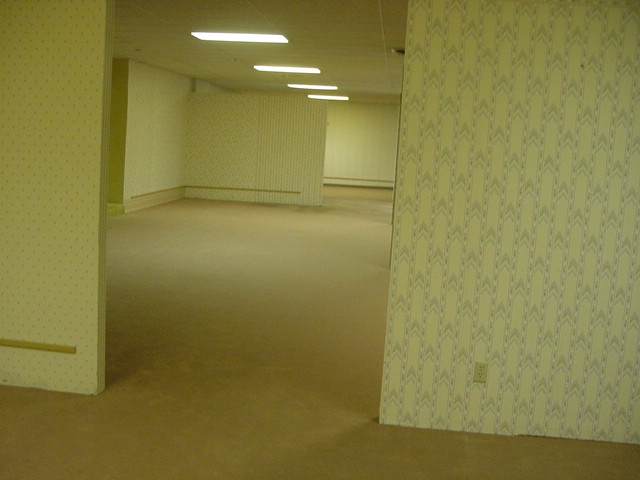
One image; thousands of stories followed. The Backrooms is a fictional place and urban legend that emerged on 4chan in 2019, where the original poster states that “if you’re not careful and you noclip (a video game term to describe passing through walls) out of reality in the wrong areas, you’ll end up in The Backrooms.” It is a moist, liminal and dimly-lit room that is dreamlike yet real; comforting yet distressing. It perfectly captures the essence of nostalgia as the image makes you feel like you’re a child again, roaming around office buildings or malls. Except, if they were completely devoid of life.
Jasmine, despite being a big fan of horror, says that The Backrooms are one of the few horror media that disturbs her in an unnatural way. “I can’t point out exactly what is uncanny about it, and that’s what’s concerning. I think it may be because space can be relaxing but too much space can become eerie and creepy, like getting lost as a child,” she says. Yes, the horror of The Backrooms isn’t explicit but the scariness comes from confronting your childhood fears, like being alone or getting lost as Jasmine said.
It’s incredible how a singular image kickstarted a worldwide fanbase. The Backrooms became so popular that people began to share other images online that evoked the same feelings, like empty public swimming pools or childhood bedrooms. Then, levels and lore were established. Now, there is an endless supply of video games and YouTube videos based on or inspired by this ominous liminal space. The love for nostalgic horror media continues to reach the mainstream – A24 is set to release The Backrooms as a movie soon.
Nostalgia and horror are two very opposing concepts, yet work so well together. To look back on the ‘simpler times’ is to also be confronted by misleading memories or childhood fears. But if you enjoy that corruption, you can always rely on horror to reinvent, recycle and revive the media of the past. I mean, it’s only a matter of time before Gen Z horror fans start seeing Slenderman back on their screens.
If you’re a fan of A24 films, be sure to check out our interview with Rose Glass, Horror Director Rose Glass on the Loneliness and Faith Behind Saint Maud