
Indie horror games are undoubtedly hidden treasures, but a couple running a game development studio together is an even rarer find.
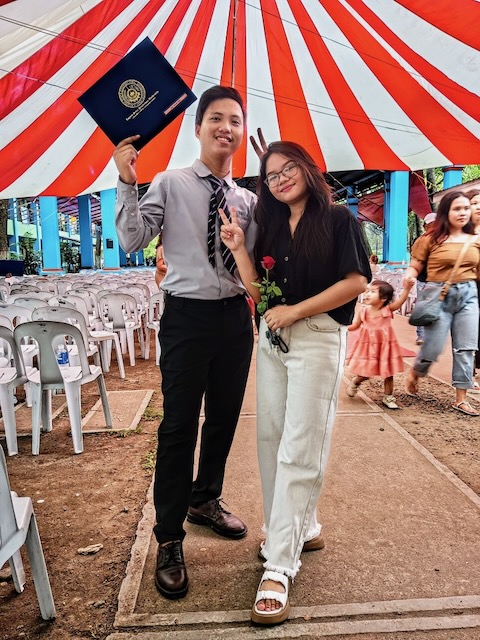
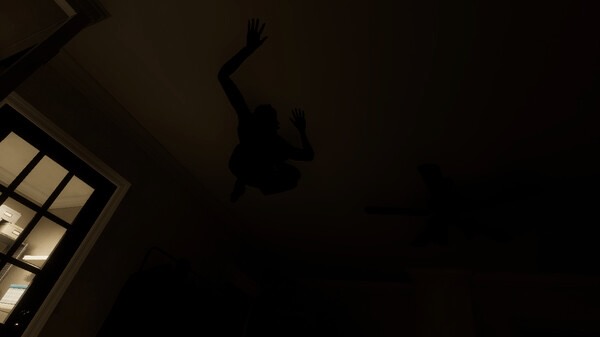
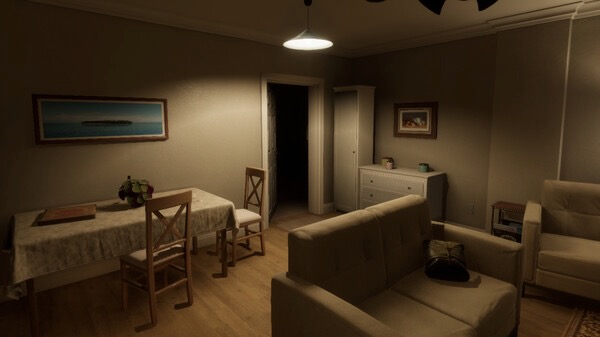
Silent Hill is out, and Silent Still is in. This psychological indie horror game centres around the common, yet incredibly haunting, experience of sleep paralysis. Divided into three chapters, Silent Still provides an episodic and terrifying account of someone’s paralysis episodes worsening each time they fall asleep. The game’s unique plot (and of course, jump scares) recently became the perfect content hook for gaming YouTubers – with CaseOh’s video on Silent Still reaching 1.6 million views. But, let’s focus on the developers’ story. Keneth Agar founded SolitaryStudios, which is based in the Philippines; he works diligently with his girlfriend, Angelica Dasalla, to create hyper-realistic games. Together, they share BTS information on Silent Still, their background in game development and their relationship with horror.
SlashHer: Have you always loved or had a passion for horror games? If so, how is this reflected in Silent Still?
Angelica: I do love horror games, but it’s not as straightforward as you might think. I enjoy watching streamers play horror games, especially when it’s a SolitaryStudios game, but playing them myself honestly feels a bit boring. I’m not easily scared by horror games or movies, so the experience isn’t as thrilling for me. However, this does help my boyfriend push himself to create extremely scary scenes – he sees me as a kind of QA (Quality Assurance) tester. If he manages to scare me, then he knows that the game he’s making is truly terrifying. I’d say this is what made Silent Still really effective – each time I had to test it, Keneth had to change things based on my reactions.
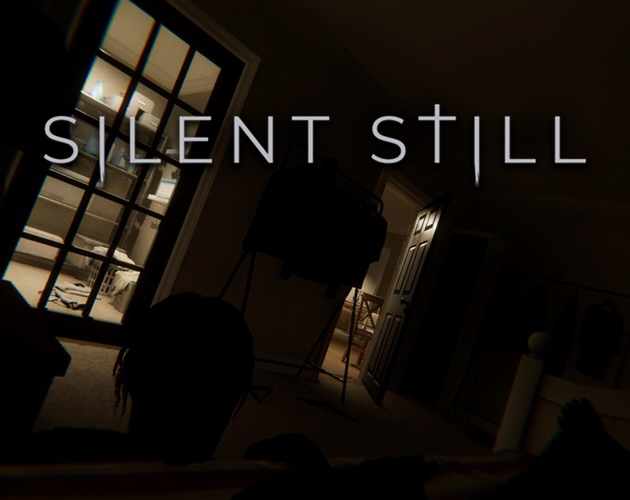
SlashHer: What was the production process for Silent Still? Where did you get the idea to create a game based on sleep paralysis?
Keneth: Silent Still wasn’t really planned for a full release on Steam – or any full release at all. Angelica and I originally made it as just a demo. The idea popped into my head while watching some YouTube videos about sleep paralysis and I thought, ‘what if I make a sleep paralysis horror game? No one has really done a high-quality one before.’ So, I started prototyping the mechanics. Funny thing is, we actually made it just a week before our flight to Hong Kong with some friends. I figured, ‘why not release it as a paid demo on itch.io‘, just to have some emergency money while we were there. We then launched it three days before our trip. Fast forward to our eighth day in Hong Kong and suddenly my itch.io notifications start going crazy. Every minute, someone was buying the demo. It was only around $1 at the time, so we were super confused, like, what the hell is going on? When we got back to the hotel and searched our game on YouTube, we found out that tons of YouTubers had played it, and they absolutely loved it. After we got back to the Philippines, we got it ready for a full release. And as expected, once it hit Steam, it blew up.
SlashHer: Can you tell us a little bit about the history of SolitaryStudios? Do you have any particular inspirations, motivations or stories?
Keneth: It all started back in 2019. I was watching Markiplier play a horror game, and a thought hit me: ‘one day, I want to make a game like that.’ That moment sparked my motivation. I was just a first-year college student and I spent my free time creating demos and prototypes, just trying to master the craft. Eventually, I decided to work on a full game inbetween classes. I finally released the game on itch.io and out of nowhere, a publisher reached out to me, offering to publish the game on Steam. Fast forward to launch day, nothing much happened but after some YouTubers started playing it, the game gained traction. Then came my first payout – ₱30,000. That was the most money I had ever touched in my life. From that point on, I started making horror game after horror game with Angelica.
Angelica: I was on the same course as him, and even then I was helping out with the marketing of the games and making posters. It was only until after graduation did SolitaryStudios start taking flight because this was when we decided to go all in. We both faced the pressure of finding a career path and since game development is our forte, we thought, ‘why not keep making games and hope for the best?’ If a game blows up, great – we earn revenue. If it flops, we just make more games until we can sustain the studio.
SlashHer: Are there any challenges you’ve faced as developers in the gaming industry? If so, how have you overcome them?
Angelica: We’ve faced a lot of challenges over the years and the biggest one, of course, is financial. Not every game goes viral or gets tons of downloads, so there were times when we didn’t earn enough to sustain the studio. When that happened, we had to slow down and figure out our next move. Sometimes that meant taking a few months off to plan a new game or finding other side gigs.
Keneth: Yeah, I remember when we were doing client work for students, like thesis systems or other freelance projects, just to keep things running and we did that for over three months. Another major issue has been health – as a programmer, I spend almost 11 hours a day at my PC, and now I’m starting to experience chest pain and other health problems because of it. But I’m still learning to overcome this challenge
SlashHer: What are some things you wish to see more or less of in horror games?
Angelica: For me, it’s all about the audio. Just because the sound is loud, doesn’t mean it’s scary. A good horror game isn’t only about sound effects; it also needs strong jump scares and an eerie atmosphere. The appearance of the antagonist or ghost also plays a big role in the game’s impact. To sum it up, I want to see solid jump scare executions, good puzzle mechanics and a scary multiplayer experience. Multiplayer is tough to make scary since playing with friends can sometimes take away the fear factor.
SlashHer: Finally, is there any advice you would give to those who want to start creating indie horror games?
Keneth: Based on my experience, if you want to pursue this career, make sure you have enough motivation and that this is truly the path you want to take because it’s not an easy field. The market is saturated with games, so selling one is harder than ever. You need to come up with something truly unique to stand out. For beginners, I recommend starting as early as possible since game development takes time to learn. Focus on one field at a time instead of trying to learn everything at once as the scope of game dev is huge and can quickly become overwhelming. Just take your time, enjoy the process, and celebrate every achievement along the way.