Was Nie Xiaoqian a monster, a victim, or something more? SlashHer explores the gothic horror, oppression, and spectral beauty of Strange Tales from a Chinese Studio with expert insights from Professor Ma Ruifang.
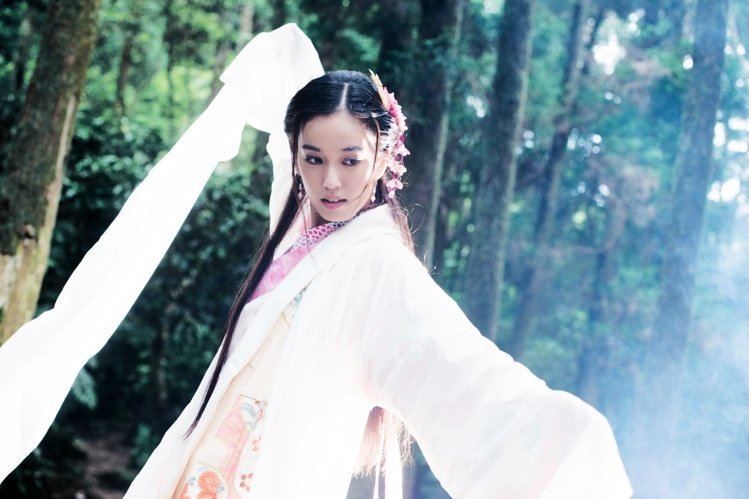
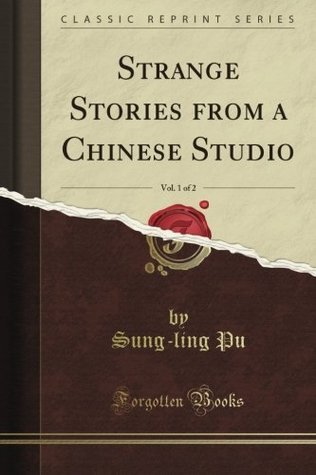
Who is Nie Xiaoqian? “Nie Xiaoqian” is a short story from Strange Tales from a Chinese Studio, an 18th-century collection of supernatural tales by Pu Songling. The story follows a young woman who, after dying at sixteen, becomes an enslaved ghost forced to lure men to their doom. Unlike traditional vengeful spirits, Nie Xiaoqian is a tragic figure—a victim of both supernatural forces and societal oppression. Over time, her tale has been adapted into multiple films, most famously A Chinese Ghost Story (1987), transforming her into an enduring icon of gothic romance and horror.”
Would you like to be friends with Nie Xiaoqian? Would you be afraid of her ghost, or would you be moved by her deep love? SlashHer invites Professor Ma Ruifang, a renowned Strange Tales from a Chinese Studio scholar, to explore the themes of gothic horror, female oppression, and liberation in Nie Xiaoqian
Why Does She Wander the Mortal World as a Female Ghost?
SlashHer: Nie Xiaoqian appears as a beautiful yet sorrowful ghost. However, many people do not actually understand the true reason behind her transformation into a ghost. Why did she become a wandering spirit? What is her purpose in staying in the human world?
Ma Ruifang: In the original text of Strange Tales from a Chinese Studio, Nie Xiaoqian was a beautiful young girl who passed away at 16. After her death, she was enslaved by a demon, forced to seduce passing men so the demon could drain their life energy. She was not an actively malicious ghost but rather a victim—controlled, manipulated, and used against her will.
Did Nie Xiaoqian Ever Harm Humans?
SlashHer: In many ghost stories, spirits are depicted as actively harming humans. However, Nie Xiaoqian’s character seems more complex. Did she ever harm people? If so, why did she do it?
Ma Ruifang: In the original Strange Tales from a Chinese Studio, Nie Xiaoqian was not a ghost who actively sought to harm humans. Instead, she was controlled by a demon and forced to lure passing men into a haunted house, where the demon would then absorb their life energy. She was not the true perpetrator of harm but rather a tool—a victim of manipulation.
Is Beauty a Shackle?
SlashHer: Nie Xiaoqian’s image in film and television is often both beautiful and terrifying. In A Chinese Ghost Story, for example, she appears in a flowing white gown, with snow-white skin, exuding an ethereal beauty even in the most haunting scenes. Can this “aesthetic horror” be considered a form of fashion horror?
Ma Ruifang: Absolutely. Nie Xiaoqian’s beauty stands in stark contrast to her ghostly nature, and this contradiction is part of what makes her so captivating. From a feminist perspective, her beauty itself is a kind of shackle.
Why Does She Linger?
SlashHer: After death, Nie Xiaoqian continues to wander between the realms of the living and the dead. Does she truly long for the mortal world? Why doesn’t she choose to leave completely and enter the cycle of reincarnation?
Ma Ruifang: This warmth from the human world may be another reason she hesitates to leave. She does not want to remain a helpless ghost; she longs to feel love, trust, and freedom—things that were denied to her both in life and in death. However, in order to truly attain liberation, she must first break free from the demon’s control. Only then can she embark on a path toward reincarnation that truly belongs to her.