Jemima Roques
In the run up to earning their fifth seat in parliament, Zack Polanski and the Green Party took over London’s iconic Heaven superclub. What was it all about?
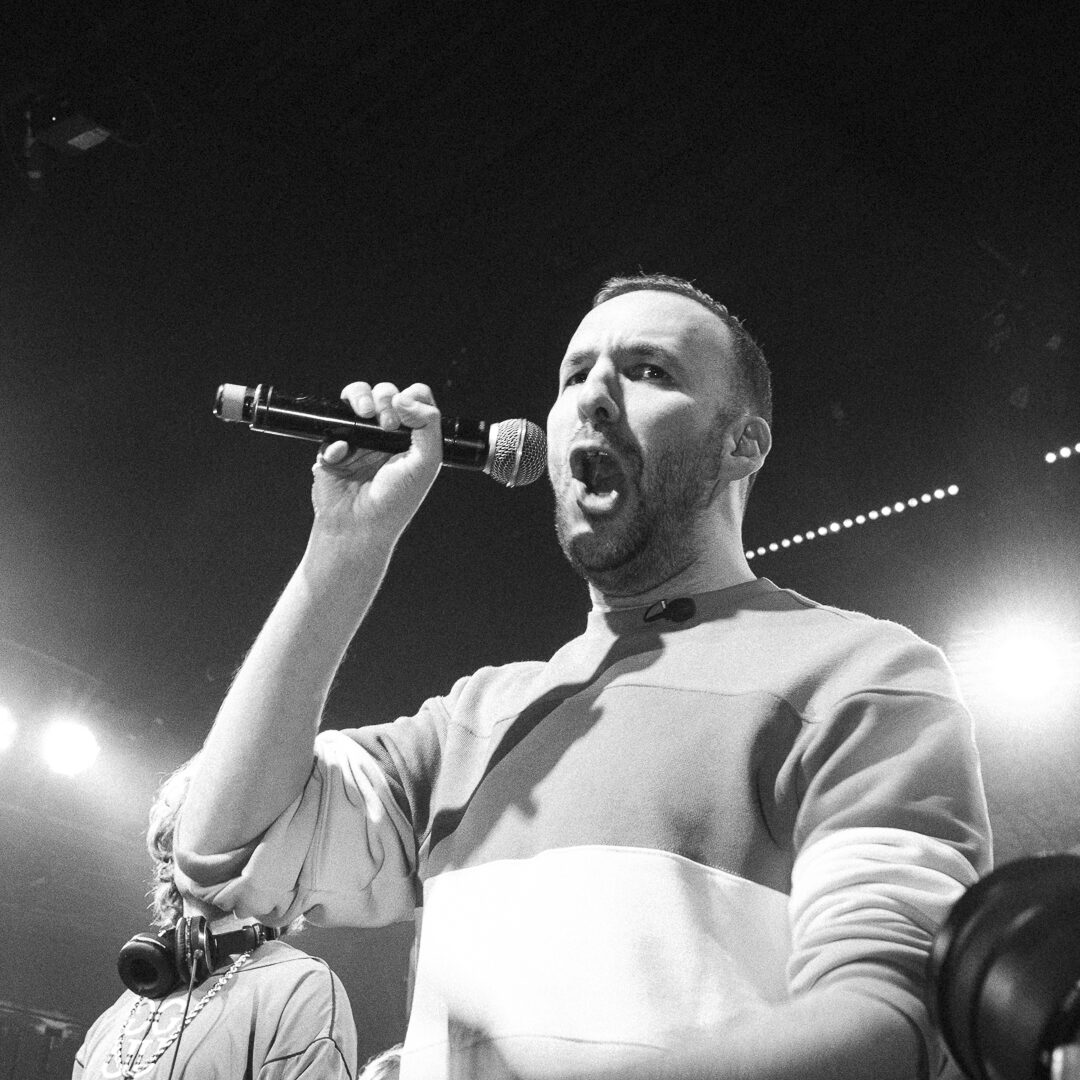
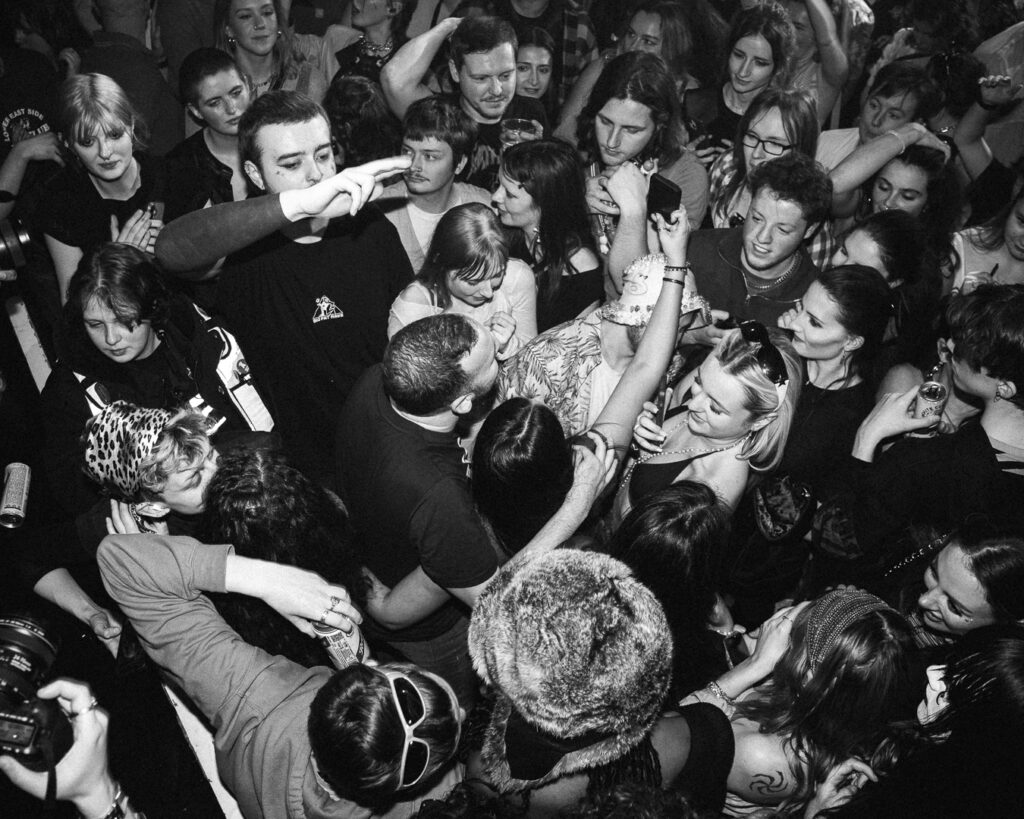
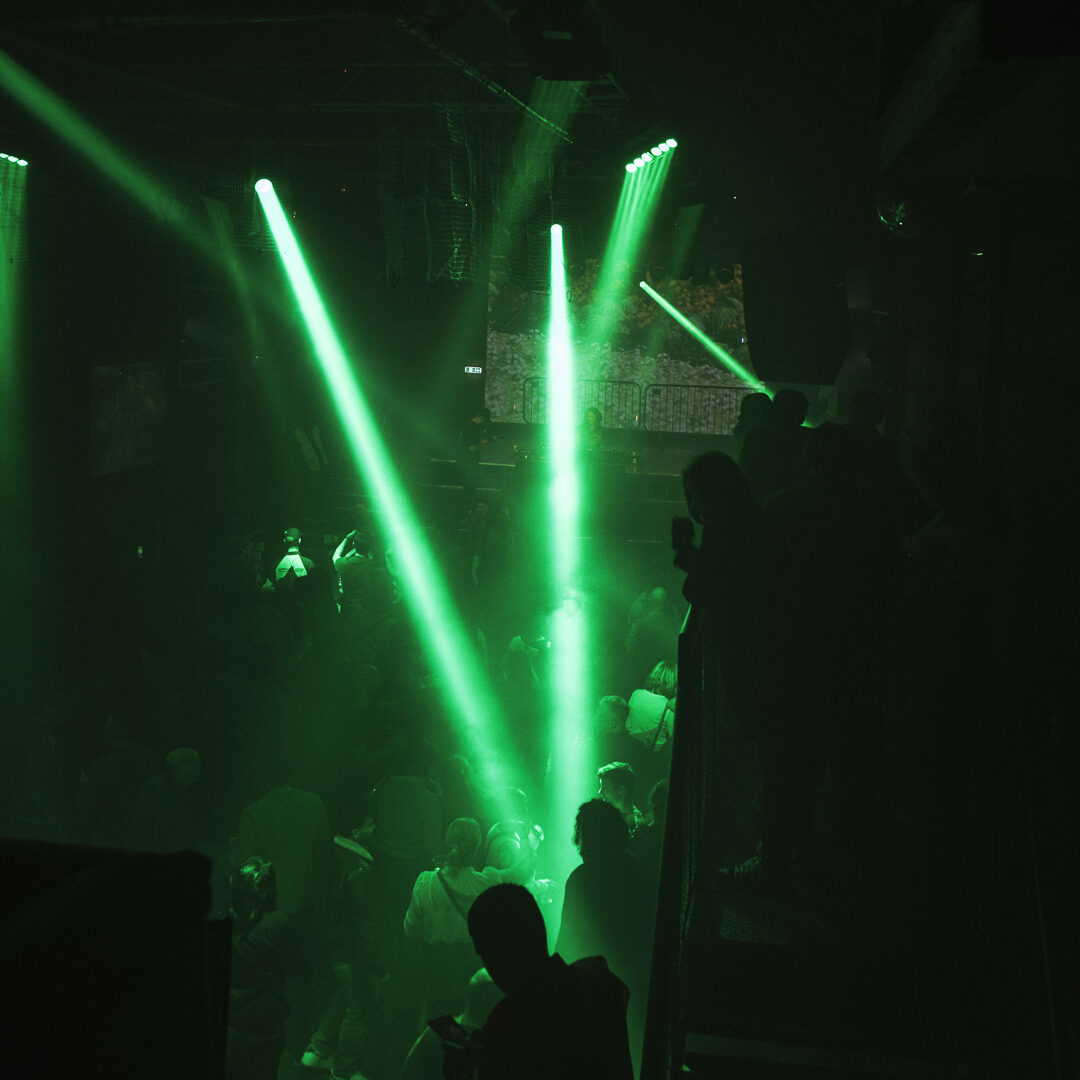
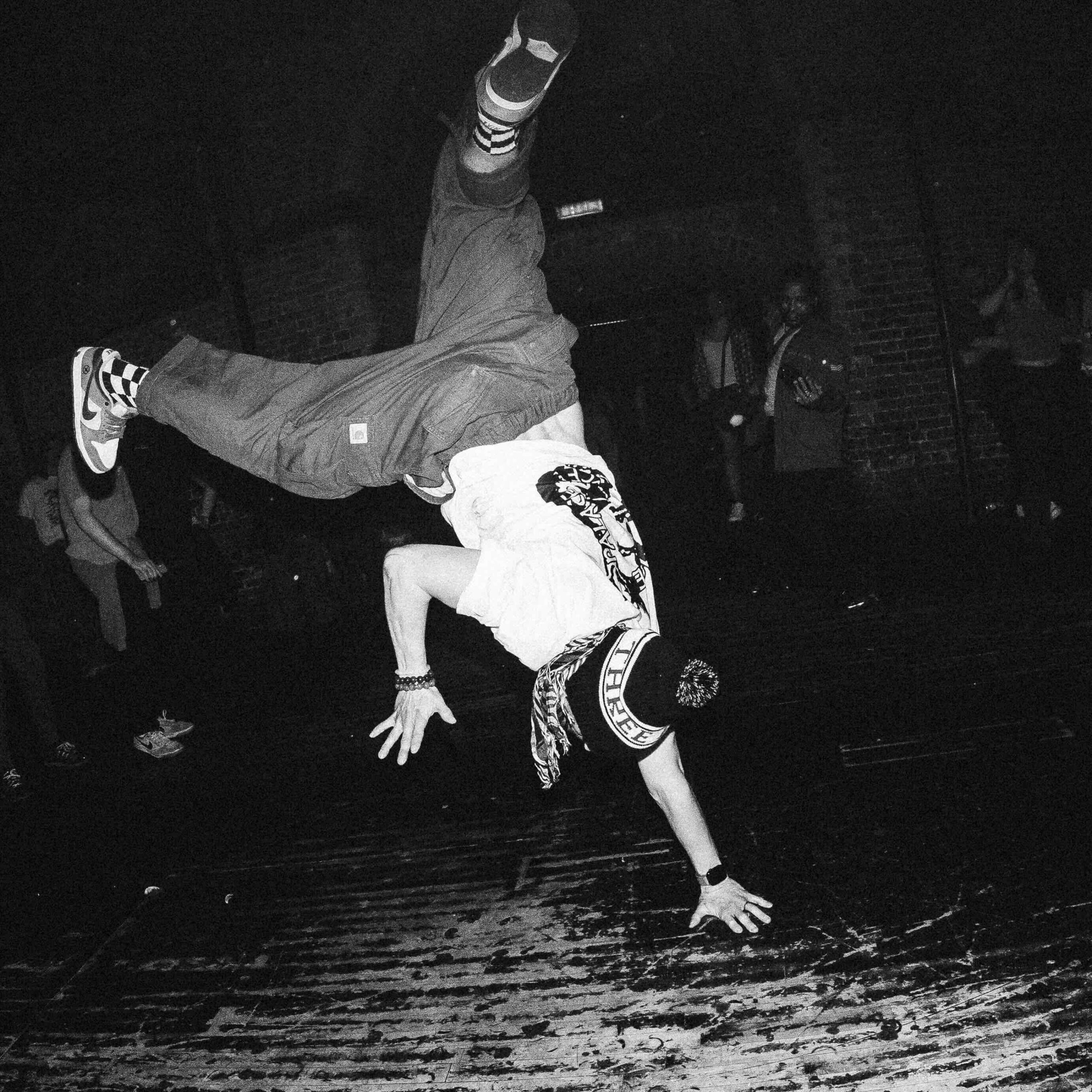
It’s Sunday night and the beats are pulsing from under the Charing Cross arches. I curiously enter Heaven, one of London’s oldest LGBTQIA+ nightclubs, to see a crowd dressed all in green. From suits to sequins, it’s not hard to work out which party they’re supporting. The energy bounces off the walls as 1,400 smiles build the first ever Green Party Party. The DJs work their magic in the build-up to leader Zack Polanski’s highly anticipated speech. He arrives to an eruption of applause, bringing with him the hope for a better future. “Are we ready to take on power and wealth? Are we ready to get our country back? Are we ready to make hope normal again?” Polanski shouts before disappearing into the crowd.
“Politics has been broken for a long time”
“Politics has been broken for a long time,” says Felix Faillace, who co-founded the night’s organising group Green Space with Niall Moore as a new creative community for party supporters, “we need fresh ideas, fresh energy.” That’s exactly what the event on January 25 created, unifying optimism on a dreary January evening. Faillace isn’t wrong when he argues that politics has become stale — the decline in support for establishment parties has paved the way for the rise of Reform UK, the Greens, and even new parties such as Jeremy Corbyn and Zarah Sultana’s Your Party. Politics in the UK feels more explosive than ever and the norms of campaigning are being rewritten.
The crowd tonight has raised over £15,000 for the party, but it’s far from just a campaign fundraiser — it’s a reintroduction of community back into London. “I think politics is all about bringing people together,” says Faillace. “I really do think there’s this lack of sense of community in London at the moment, especially in the music scene,” says Nur Bortolotti, former full-time DJ who now only steps to the decks for causes she can really get behind. “When I heard about it, I was like… it’s about time.”
The lack of community is often cited as a failing of governments. Shared spaces, known as ‘third places’, have been disappearing across the UK for years, from youth centres and nightlife venues to libraries and gymnasiums. This is often due to economic pressures and policy decisions. Rising rent and costs of living have led to businesses going bust and punters having less money to spend on themselves. Government cuts to youth services have led to the closure of 1,243 council-run youth centres between 2010 and 2023. The development of Green Space and their relationship with the Green Party represents a much-needed focus on community in UK politics, but Faillace is quick to acknowledge that it isn’t just parliament to blame.
“There’s always a lot of fault placed on the government in the decline of third spaces,” he says, “I think that’s definitely part of it but it’s not the whole story.” He’s experienced in community building, having founded Amsterdam-based radio station and collective Slim. “People think that if you just have a building, or if you just pay somebody to run it [..] then the community will exist. It’s not as simple as that.” Faillace emphasises the necessity of time and effort, exemplifying religion as an original form of community. “You have to give as much as you take, if not more, into a community. You need to sacrifice, you need to volunteer.”
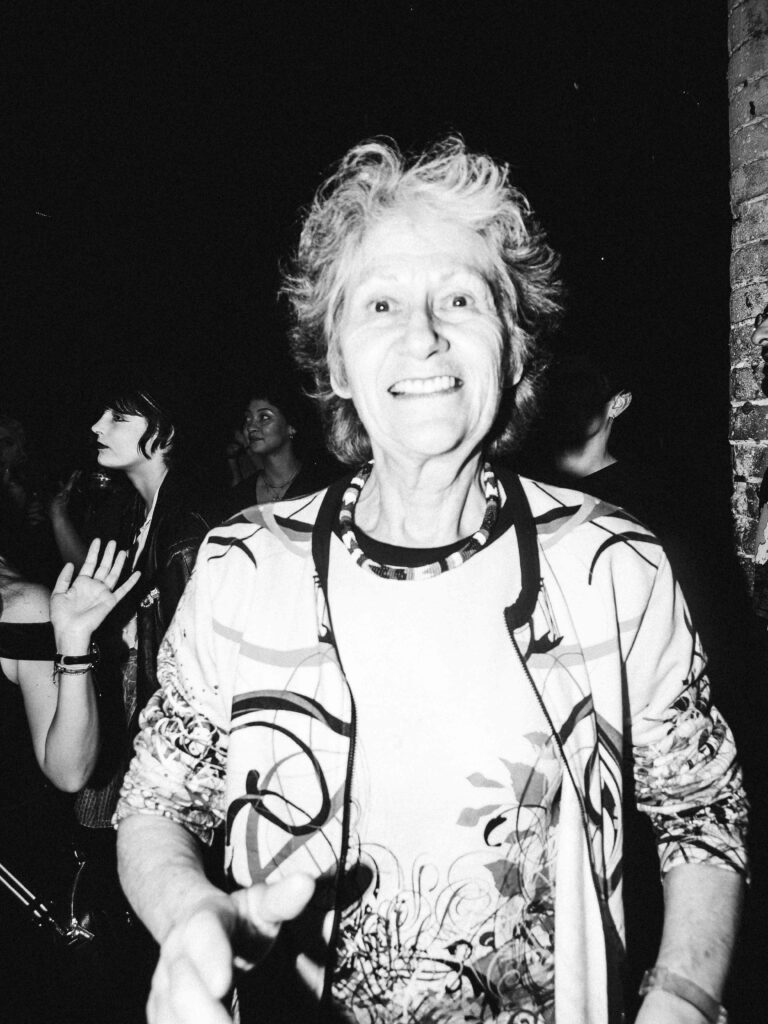
The Green Party Party was run entirely on energy and volunteers from the Green Space community, bringing people together under a roof of hope. “I think that everyone here feels connected by the greater cause of the Green Party,” says Bortolotti, “it doesn’t matter where they come from, what they look like, their age…” The evening not only raised money for the Greens but also created a space where everyone felt welcome and uplifted. “Everybody at the event feels like they own a piece of it and they’re taking part in this together. They’re on a big team of people making something quite fucking incredible,” says Faillace.
Community is not only good for our wellbeing, but is also an important part of creating change. Politics and art lecturer Dr Tom Trevatt, who photographed the event, says that typical political formations promote individuality and personal liberation which can contribute to capitalism and neoliberalism. In order to move beyond this, he suggests community. “I think what needs to be front and centre is a resistance to the way in which capital exploits us,” he says, “and that comes from community and mutual aid, things that we have probably forgotten.” Community can shift focus away from the hyper-individualism that capitalism profits from.
“The only thing more powerful than fear is hope”
The Green Party Party demonstrates that when people feel genuinely represented and hopeful about politics, community can be built and hope can grow. “It was made possible because of […] the leadership of Polanski and how he’s explicitly building his political narrative on hope,” Faillace says, “the only thing more powerful than fear is hope.” He emphasises the importance of coming together and creating spaces that are welcoming. “These creative spaces enable people who don’t agree with us politically to come into it and maybe be convinced.”
Holding a party-affiliated event in one of Europe’s longest-running gay nightclubs is no coincidence. Aside from being an LGBTQIA+ inclusive environment and Polanski’s former place of work, it demonstrates a parliamentary acknowledgement of the importance of nightlife, something which the sector has long been awaiting. Despite the crowds in Heaven tonight, the UK’s club scene has been suffering dramatically for years, with over a third of venues closing since 2020 according to data from the Night Time Industries Association. The government has long demonstrated a disregard for nightlife, with rising costs and falling support. The recent exclusion of nightclubs from Chancellor Rachel Reeves’ recent business rates relief policy demonstrates no effort to make amends. Polanski is quick to criticise during his speech: “this government […] knows the price of everything but the value of nothing — the value when we can come together in these spaces and dance and find this joy where everyone is welcome.”
The loss of this social infrastructure has not only drastically reduced the number of third spaces in cities, but has also led to an estimated 75,000 jobs lost between 2024 and 2025 alone. The nightlife sector contributes £112 billion to the UK’s economy annually, amounting to roughly 5% of total GDP, according to data from the Nighttime Foundation. Hosting Green Space’s debut event at Heaven offered the beacon of hope that the industry has been searching for. Polanski’s speech during the evening, and his wider campaign, acknowledged the importance of not only protecting, but growing the nighttime economy, as well as supporting the creative industries. “I think it’s really encouraging to finally have some people in politics recognise the creative sector,” says photographer Jessica-Rose Lena who volunteered at the event, “most of the time it’s completely overlooked.”
One of the most notable aspects of the evening was its relaxed and welcoming nature – something many people rarely feel when approaching politics. “I find political spaces to be some of the most difficult and uncomfortable spaces to be in,” says Trevatt, “partly due to the fact I feel I don’t have all the language for those spaces, and I’ve done a PhD!” Formal events like lectures and surgeries, or even those designed to be casual such as ‘meet your MP’ coffee mornings, can feel intimidating for people to attend. “A lot of the time politics can be quite scary and feel quite inaccessible,” says Bortolotti, “groups like Green Space make it accessible through something that everyone loves and can unite behind — like music.”
Young people in particular tend to feel alienated in political spaces, with 71% feeling that political parties don’t speak directly to their age demographic in the lead up to elections, according to a 2023 study by the British Youth Council. The crowd at the Green Party Party demonstrated the potential and power of youth engagement. “It’s really important to bring young people together to be more active in politics and feel like their voices matter,” says Bortolotti. According to the British Election Study, only 65% of 18-24 year olds voted in the 2024 general election, highlighting that youth engagement needs to be a priority.
By hosting a party, rather than a lecture or meeting, Green Space breaks down the formalities of traditional politics which can exclude young people, instead creating a comfortable environment. “I think what this did was make a space where people can come together that they feel more at home in […] because I think a lot of the time people can feel scared,” says Lena. Trevatt praises Polanski’s ability to address young people: “he’s very much speaking to us in our language, whereas someone who has equally grabbed a massive amount of media attention, Nigel Farage, he’s not speaking to us in a language that we’re particularly interested in or particularly understand.”
Being able to speak to younger audiences has proven vital to the Green Party’s success. YouGov’s opinion polls show that as of March 16, 47% of 18-24 year olds said they would vote Green, the biggest supporter group of any age category for any party. In late 2025, the Young Greens of England and Wales officially became the largest youth and student wing of any British party with over 40,000 members.
Zack Polanski: “This is it, us together”
The provision of a casual space where politics can be discussed amongst a wide variety of people is not unique to the Green Party. The weekend before New York’s mayoral election, candidate Zohran Mamdani went on a Brooklyn club crawl before cheering on runners at the New York Marathon the following morning. His subsequent win makes it clear that being approachable works well for politicians, but what sets Polanski and Mamdani apart from any other politician who goes out and speaks to constituents? Fun.
Presenting a ‘one of us’ image is not a novel concept in politics and speaking to members of the public is essential, but what the Green Party Party showed us is that having a good time and making people happy is vital. “I was actually really surprised at […] the genuine happiness,” says Lena, smiling as she recounts the evening. Whilst other party leaders can easily smile for a photograph, Polanski’s campaign has created a genuine enthusiasm which has translated into historical success for the Greens.
Politics is, at the end of the day, a game of numbers. The Green Party have reached record support under Polanski’s leadership and have secured their fifth seat in parliament through a by-election this February. More importantly, perhaps, thousands of people feel genuinely hopeful about the future, something which has long been lost in British politics. That night, everyone came as one to fight for the future they want, and the Green Space community was well and truly founded. “This is it, us together,” Polanski says, smiling ear to ear.