Lauren Perera
Hostile architecture is hiding in plain sight across London. Once you see it, you can’t look away
Public space in London has been changing. Not dramatically, not overnight, but incrementally, in small design decisions that have grown into something worth examining. Hostile architecture is hiding in plain sight, and understanding it means rethinking what public space is actually for.
Walk around London long enough, and you start to notice the small, slightly off things. A bench that looks normal until you notice the random metal bars slicing through the middle, or doorways with small silver spikes. These features are pretty inconspicuous at a quick glance, and most people walk past without a second thought. But once you begin to recognise them, you can’t help but realise how much of London’s public spaces are only public for some.
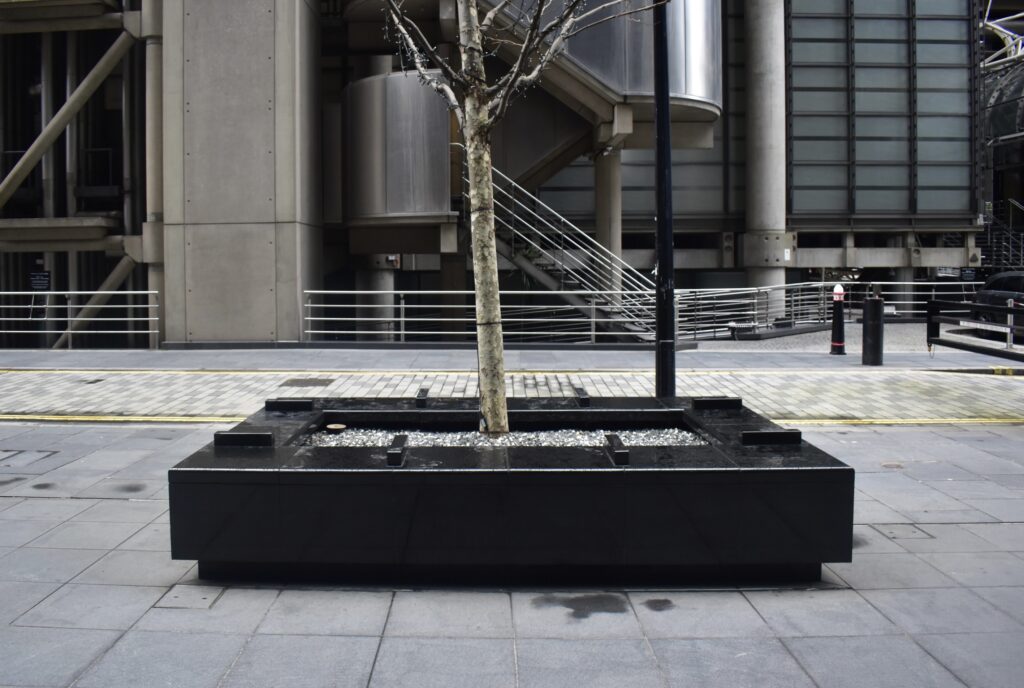
Across London, a range of architectural features — some discreet, some more obvious — have been introduced into public and semi-public spaces with the intention of discouraging rough sleeping. As the Single Homeless Project, London’s leading homeless charity explains: “Some examples are blatant. Others are disguised as aesthetic design features. But they all serve the same purpose: to move people on, shut them out, and keep public spaces looking ‘tidy.’”
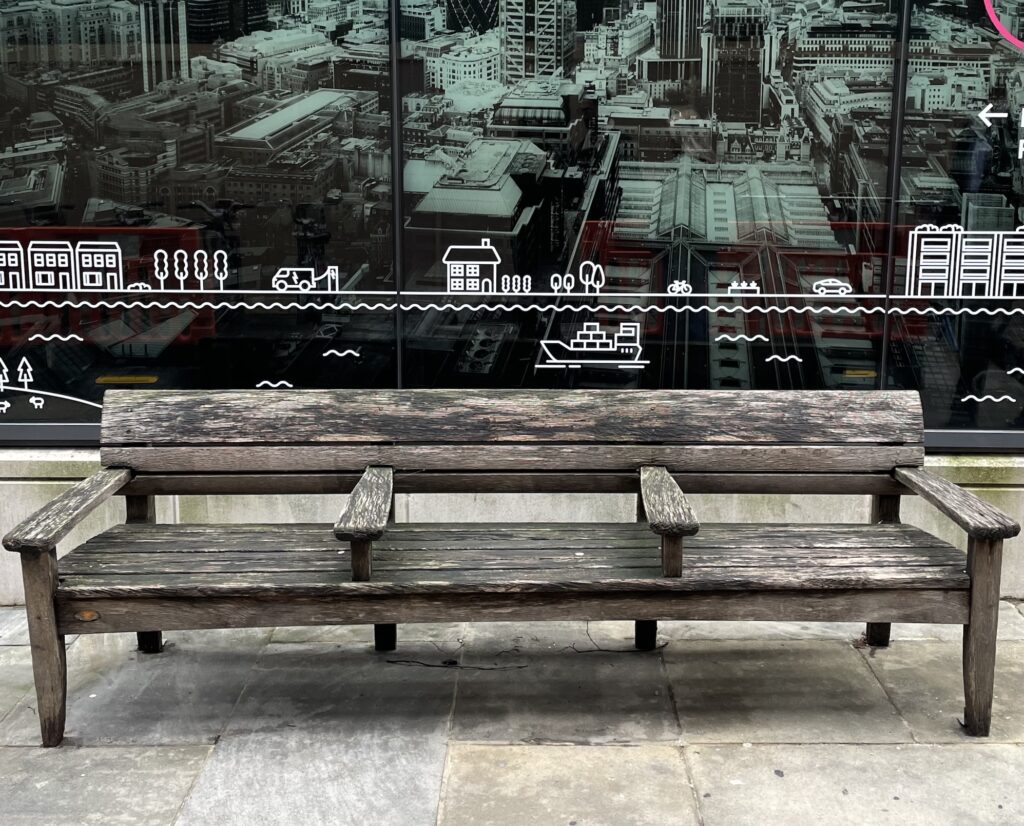
To most people rushing past, they may just look a bit odd — a design quirk, or maybe just weird urban planning. But make no mistake, every single one has been carefully designed and deliberately positioned.
These designs are not unique to London, but their spread in the capital has accelerated over the past decade. The modern wave of hostile architecture is often traced to Crime Prevention Through Environmental Design (CPTED), a design philosophy developed in the early 1970s, which encouraged shaping behaviour and targeting rough sleepers through physical design. The earliest forms of hostile architecture can be dated back to the 1800s. According to analysis by London Councils, as of December 2025, an estimated 210,000 Londoners are homeless and living in temporary accommodation, including 102,000 homeless children.

Companies such as Furnitubes, describe themselves on their website as having “sustainable innovation,” by making sustainability the lens through which their products are presented, while the function of the designs themselves goes largely unexamined. Their website states: “Our team approaches each design as an opportunity to demonstrate how thoughtful choices today can create a more sustainable and thriving tomorrow.” It’s a distraction technique where sustainability becomes the story you’re supposed to focus on, while the actual function of it — making public spaces hostile to rough sleepers — just happens in the background.
You’ll see the pattern repeat itself once you know what to look for. Another bench sliced up with so-called “armrests”, another doorway lined with metal spikes. This is what passes for urban planning in a city where, according to London Council’s analysis from December 2025, approximately 210,000 people lack permanent homes. According to a report by London Councils, rough sleeping has grown significantly by 58% between 2014-2024. Hostile architecture reflects how public space is being managed and funded. It highlights where resources are being directed, even as demand for housing and support services continues to rise.
These aren’t being built in secret. They’re in broad daylight, on our high streets, outside our workplaces. We sit on them, lean on them and barely notice them. And that’s exactly the problem. Somewhere along the line, we agreed that this was acceptable. Anti-homeless architecture teaches us to accept cruelty when it is subtle and convenient. Noticing it is the first responsibility, questioning it is the second. So, next time you’re perched on a slanted bus stop bench or stepping over metal studs, consider who that space is for and who it is designed to push away. We can challenge these designs through council complaints, asking who approved them and why. Public space is shaped by decisions, and those decisions need to be questioned.