Serra Umur
This piece interrogates glamour as both aspiration and illusion, revealing how it can reinforce social divides while masking itself as empowerment. It ultimately argues for a more authentic, individual definition of glamour beyond wealth, youth, and external validation
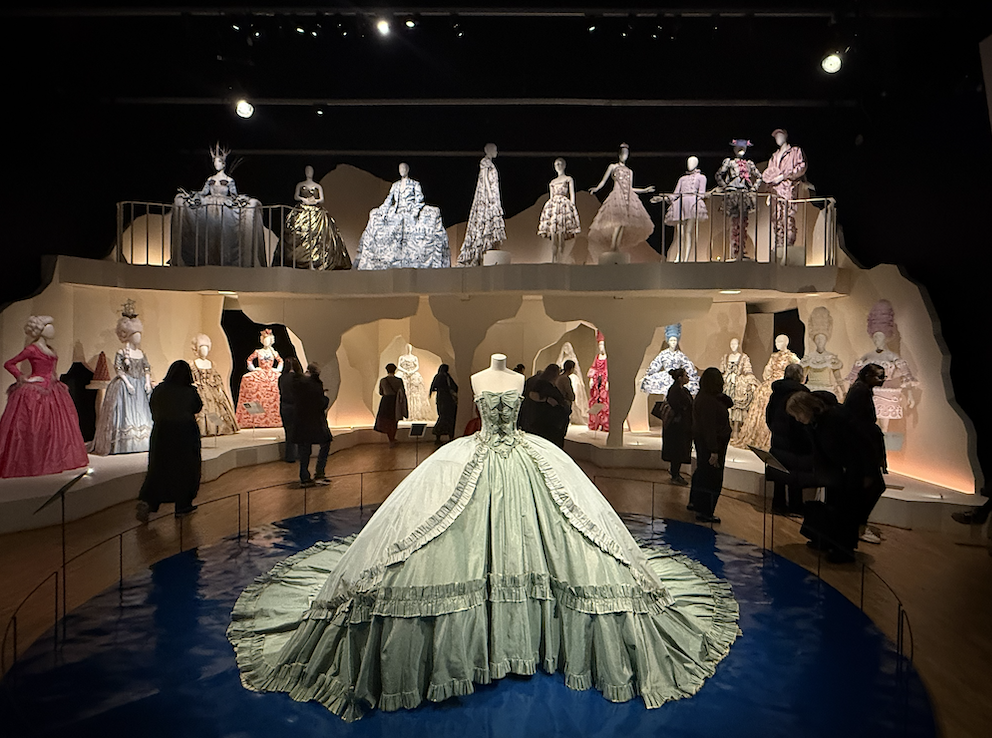
We scroll through TikTok and Instagram, and there it is: Carolyn Bessette-Kennedy’s cool-girl minimalism, Beyoncé’s style era of cowboy chic, and London’s recent exhibition of Marie Antoinette making a comeback to our conversations around fashion with her over-the-top splendour dripping in diamonds. These women don’t just appear in our feeds. They shape what we chase, what we want to look like, and how we picture femininity at its most captivating standard. And yet, standing in the middle of all that dazzling beauty and excess at the V&A’s Marie Antoinette exhibition, it suddenly hit me: this stuff can feel so empty, and at the same time, I was in awe at how powerful these women are and how much they affect our perception of‘feminine ideals’.
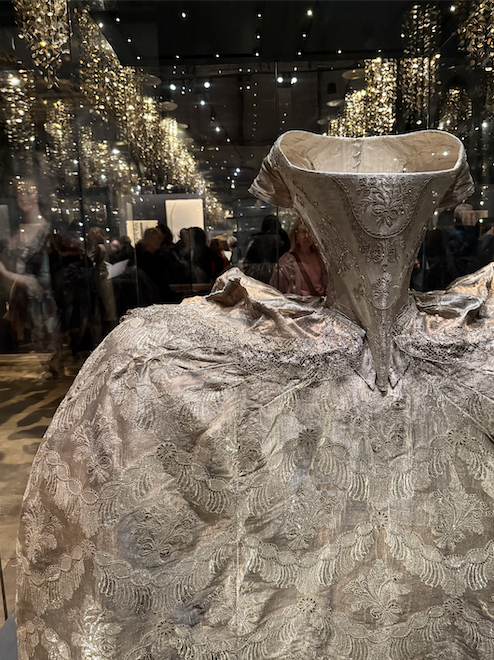
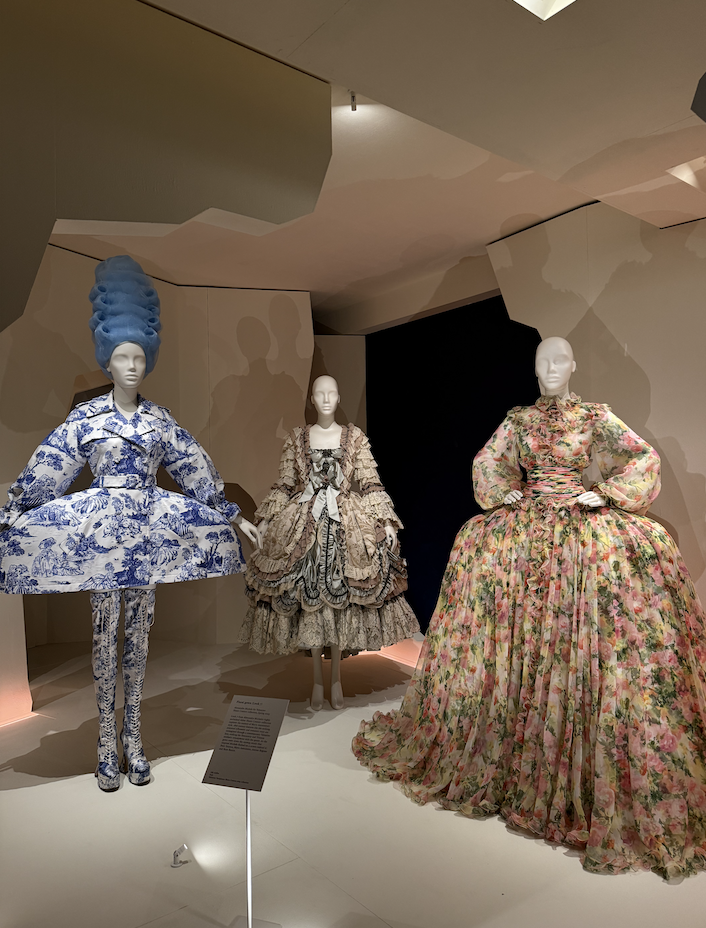
Imagine entering a room of 18th-century magnificence, with gowns of silk, diamond bows shimmering under the light, corsets that seem impossibly cinched, skirts layered with florals, endless ruffles and embroidery. An exhibition perfectly curated the Queen as the ultimate symbol of luxury and glamour, youthful, untouchable, and extravagant.
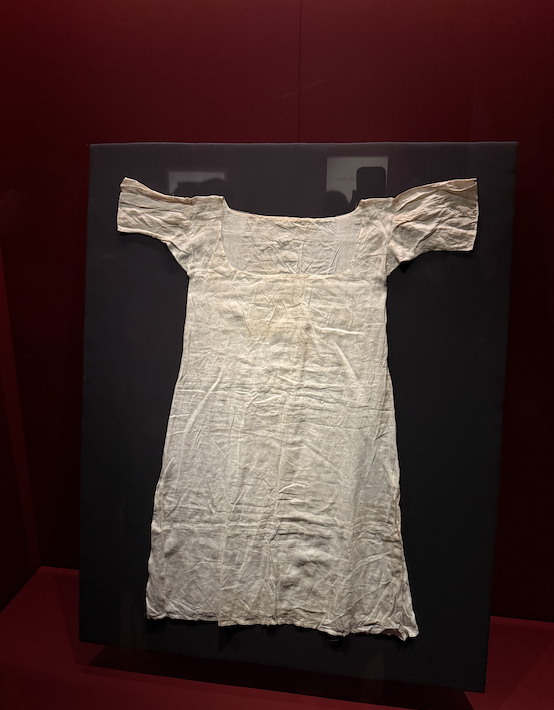
However, after wandering through the exhibit a little further from the lavish displays, the spell that lured you in starts to break. You are in a room where the last white chemise she wore to the guillotine stands starkly against the luxurious displays. In the words of fashion journalist Laia Farran Graves: “her lavish display of excess helped to alienate the masses and ultimately contributed to her demise.”

The exhibition not only celebrates Marie Antoinette’s style but also subtly demonstrates how glamour can inspire desire and create division among us. It left me wondering: has the meaning of glamour changed since Marie Antoinette’s time, or is it still mostly about who can afford to look untouchable?
Sociologist Professor Julia Twigg believes that “clothes do offer opportunities as a means of expressing ourselves.” However, she acknowledges that glamour’s roots are in gendered aesthetics and the desired gaze, which makes it difficult to reclaim the term into moral and internal realms. This is perhaps where the issue with glamour lies – to look polished, wealthy, put-together seems to come at some cost for the women who aspire to it; that they are playing to the eyes of others and using access to the finest things as a way to socially distance themselves. This is particularly redolent when we think of the MAGA woman, in modest Chanel, hair blown to perfection, lips plumped, and power signified through their external appearance. These examples raise the question of whether glamour truly empowers if it involves constantly shaping yourself to provoke others’ envy, or is it simply another way to keep the same old hierarchies looking chic?
Graves started our conversation by stating simply that one’s “glamour” doesn’t necessarily depend on one’s income or status. She gave an example from her hometown, Majorca, and, as a child, she remembers that “you were glamorous because you were cool,” it was about your confidence and style rather than your wealth.
According to Graves, capitalism has limited it to being a homogeneous representation of individuals. “Everyone looks the same… You look at a magazine cover, and sometimes you can’t tell who it is, because everybody’s had the same surgeon.” She believes this will have a shelf life and will eventually become boring, dividing people into a them-and-us mentality.
Twigg expands on that by explaining how glamour often comes down to “being looked at”. Carol Dye House examines questions about how glamour is conveyed. She references art critic John Berger and his perspective on glamour, describing it as “the happiness of being envied is glamour.”
A quality others project onto you through admiring and desiring glances. “As a society, we claim words that are gender neutral, but we make them gendered.” She emphasises that women are scrutinised much more for their appearance than men, who are judged more by their status or actions.
Twigg comments that glamour becomes harder to maintain with age: “It’s difficult to assert glamour in a low-cut gown if you’re in your 70s,” since it leans so much on external validation and youthful beauty. She highlights that “glamour’s origin strictly lies very much in the appearance of women, historically.” “We don’t usually call deeply admirable things like charitable work in disabled communities glamorous. You would never call that glamorous, would you?,” she asks, pointing out how the word stays stuck to the surface, looking over soul or substance.
But Graves is hopeful about where it’s heading. The V&A exhibition was a huge success and ended with contemporary designs inspired by Marie Antoinette from Dior couture and Vivienne Westwood to Moschino, proving her style still influences contemporary fashion. She highlighted Prada’s Fall/Winter 2025 by Miuccia Prada and Raf Simons, celebrating layering as an everyday event. It was described as clothing that changes throughout the day, revealing different sides of yourself, while embracing nostalgia and personal style.
Graves encourages people to claim glamour on their own terms: “Not everyone can afford it, but […] You can recreate a lot of those looks by going to charity shops,” like pairing a midi skirt with socks and thrifted heels. “So, it’s not about everybody looking the same. On the contrary, it’s about finding what makes you unique, and I think that is way more glamorous than everybody looking exactly the same.” She brings up Amy Winehouse as the example of glamour through being “personal and real” and believes it’s shifting toward “being much more genuine, much more individual.”
So, who would you call glamorous, and according to your answer, what does that reveal about our values of power and status, or authenticity and realness? In a culture increasingly tired of being saturated with the same, maybe the most compelling form of glamour is simply being unapologetically yourself!