Jemima Roques
As most of us begin to forget the trying times of the Covid-19 pandemic that shut down the world, the effects of abandonment still linger in theatres
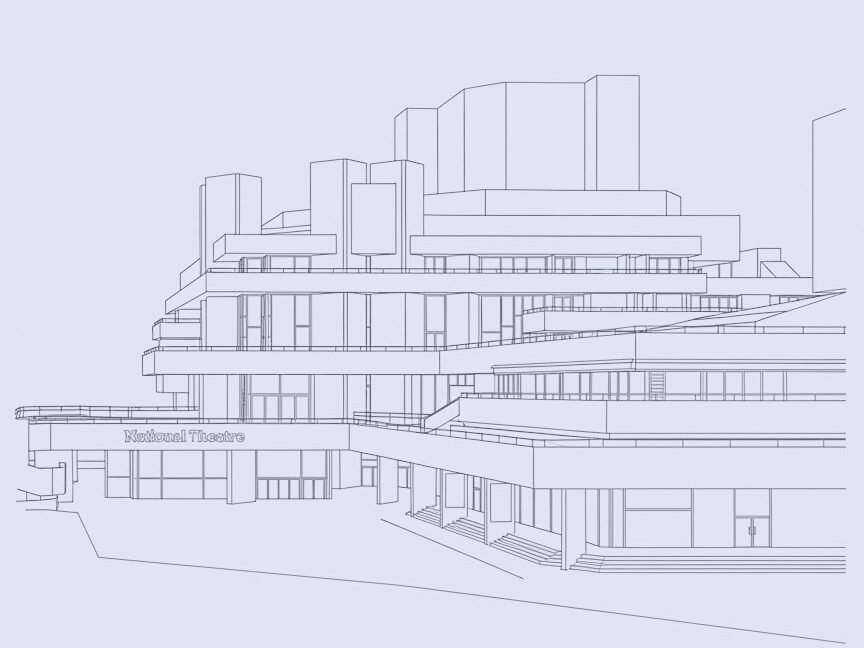
The Covid-19 pandemic halted performances worldwide, changing lives and transforming industries across three years of restrictions and lockdowns. As most of us begin to forget such trying times, the effects of abandonment still linger in theatres.
“It sent shockwaves through society, but I think in a particular way through the cultural sector,” says Professor Ben Walmsley, Director of the Centre for Cultural Value at the University of Leeds. The arts and cultural industries were some of the worst affected in the UK. Almost 70% of performing and visual arts organisations reported staff on furlough at the beginning of the pandemic according to the Centre for Cultural Value. Almost six years on from the closure of cultural venues including theatres and music venues, how has the live performance sector fared long-term?
“It hasn’t really, and maybe never will recover completely,” says Walmsley. One third of theatre audiences over 70 did not return post-Covid-19. Although most performers have returned to work, many still feel the impact of budget cuts. The Royal Opera House, for example, halved their overtime pay and now asks employees to work many more Sundays, affecting people’s family lives. The industry has lost a number of artists who retrained in hope of more secure employment.
“We’re still sitting on a bit of a time bomb in terms of burnout and wellbeing”
Many workers in the industry hoped that the pandemic would be an opportunity to change working culture and secure better working conditions for performers, but issues such as employee welfare remain. “There was a lot of optimism about the opportunity to do things in a fundamentally different way,” says Walmsley, “but I think there’s a sense of defeatism.” He also explains that the cost of living crisis has made it harder for people to pursue creative careers. “We’re still sitting on a bit of a time bomb in terms of burnout and wellbeing.” Despite this, Professor Timothy Walden, Principal Cellist at the English National Opera (ENO), believes there’s been a large recovery. “It’s as busy as it’s always been,” he says, “with what’s happening in the world now, people want an escape.”
The pandemic highlighted the precarity of the industry, particularly for freelance workers who missed out on support from employers. “These kinds of incidents like pandemics really shine a light on problems and hold up a mirror to […] the cultural sector and all of its flaws and weaknesses,” says Walmsley. The sudden pace change of the pandemic led many artists to consider their work-life balance, allowing people to realise how poor their personal wellbeing had been before. “I was travelling in a very busy orchestra,” says Walden, who moved to ENO after enjoying the pause Covid brought. “It made me think about what I was doing.”
One of the key issues during the pandemic was the lack of government support and backing. A government ‘Rethink Reskill Reboot’ advert even suggested that a ballerina retrain for a career in cyber – the campaign was later withdrawn. An emergency support package of £1.57 billion was announced by the Department for Digital, Culture, Media & Sport (DCMS) in July 2020, but this was largely aimed at protecting the ‘crown jewels’ in the sector – large organisations mostly concentrated in London who already receive funding, disregarding smaller organisations. “The policy was really flawed,” says Walmsley.
“I think Covid was a good chance to take funding away – it left people high and dry”
Nuffield Southampton Theatres and Leicester’s Haymarket Theatre both closed permanently as a result of the pandemic. Shakespeare’s Globe theatre narrowly avoided the same fate as it didn’t get funding from Arts Council England, meaning it was unable to access the emergency relief fund. “If you go to Europe, they really do fund their arts organisations. It’s embarrassing to compare with that, it’s shoestring funding,” says Walden, who has worked in orchestras across Europe and Australia. “I think Covid was a good chance to try and dumb it down even more and take the funding away,” he says, “some people were left high and dry.”
The pandemic did lead to some positive changes, however. Making performances available online increased access for disabled audiences, but the efforts haven’t stayed. Online performances have become few and far between since the pandemic and barriers to in-person attendance, such as stairs and narrow seating, still haven’t been addressed. “We know they can do it when it suits them,” access campaigner Shona Louise told The Guardian.
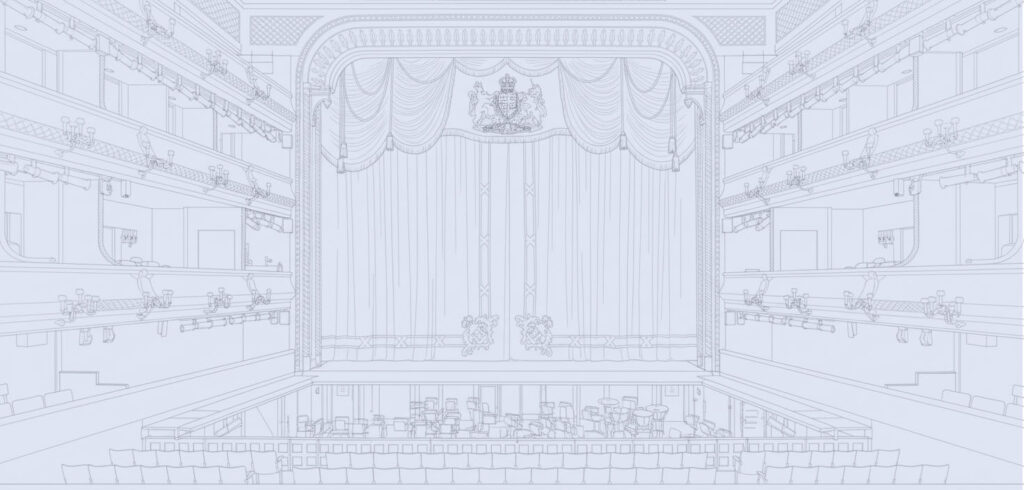
Recent years have also led to an increase in engagement from younger audiences, which Walmsley believes could have been sped up by the pandemic. Many theatres have added more flexible performance times and shorter shows in order to appeal to young people. Initiatives such as Young Royal Ballet and Opera, which offers discounted £30 performances for 16-25 year olds, have been very successful with frequent sold out audiences. “I did an opera the other night at Covent Garden [the Royal Opera House] where there wasn’t a grey hair in the audience – they were all young,” says Walden.
Many theatres were also forced to consider their relationship with their local communities, offering warm spaces during the cost of living crisis. Slung Low theatre company in Leeds set up a food bank for over a year during the pandemic and Norwich Theatre Royal earned the Theatre of Sanctuary status, a recognition awarded to companies going above and beyond to encourage understanding and compassion. The theatre has become a place of support and safety for refugees and asylum seekers in the city with seminars, performances, and workshops on offer.
“We always need to play together and dance together and sing together”
Despite the lessons learned, Walmsley believes the outcome would be the same if the pandemic happened again. “We haven’t addressed a lot of the problems,” he says. Funding is still difficult to obtain and freelancers are still vulnerable. A study by the Society of London Theatre reveals that without significant capital investment in the next five years, 40% of theatres could close. “The arts are appallingly underfunded in the UK compared with our European counterparts,” says Walmsley. “There’s a real risk with more Reform-led combined authorities […] that the arts will be attacked in the way that they have been in the past,” he says.
Despite the fears and concerns, artists across the country continue to perform. “The cultural sector in the UK is incredibly resilient and does weather storms in an unbelievable way,” says Walmsley, “we always need to play together and dance together and sing together.”