A Nottingham park banned foraging last year. What does it mean for this year’s haul?
People were taking trolleys full of bags of mushrooms and chestnuts from Wollaton Hall and Deer Park, which caused a complete shut down for local foragers
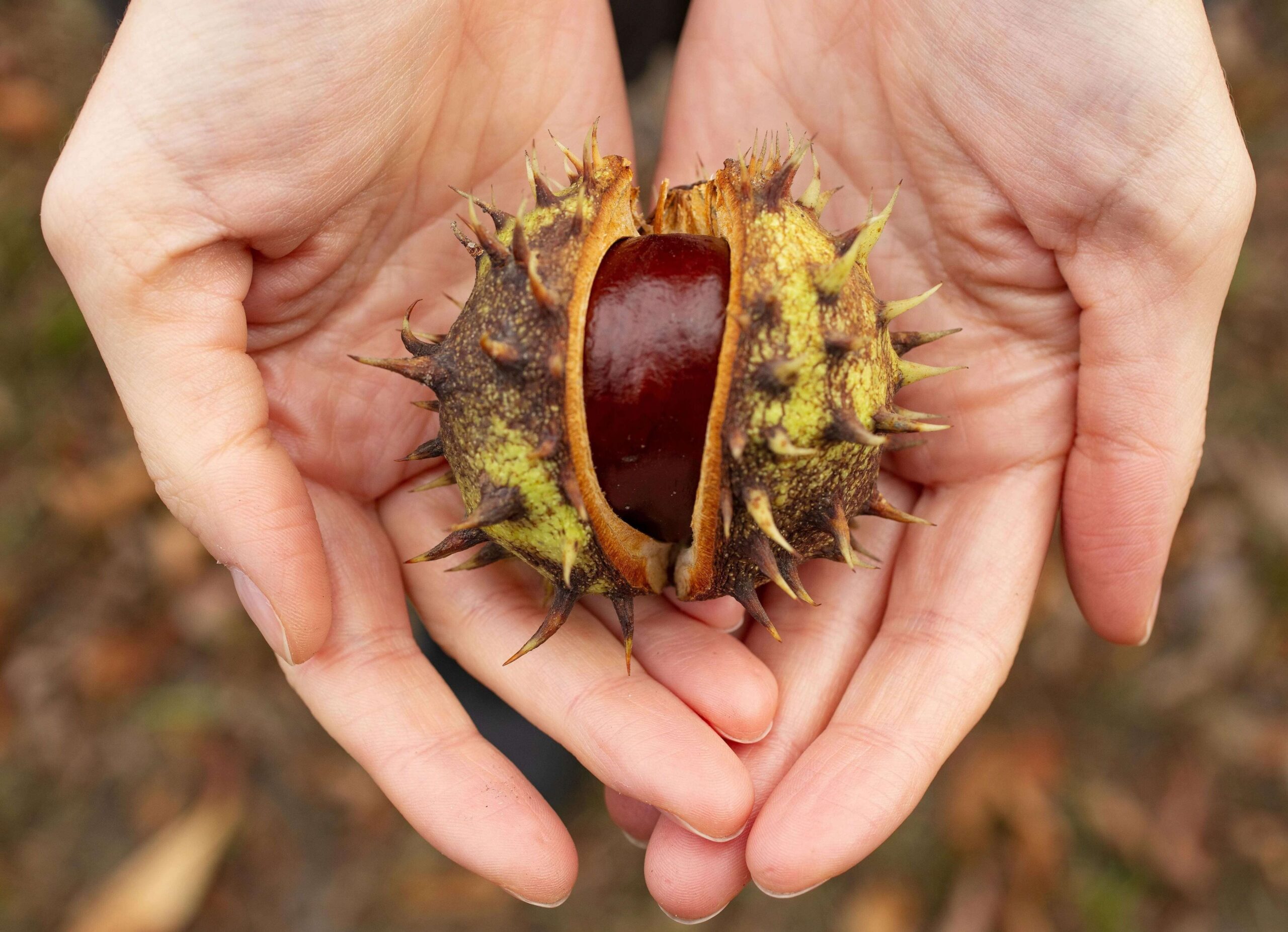
People are being urged to forage sustainably this summer after widespread bans at popular hotspots last autumn.
Each year, the warmer months offer a great new bounty to those who enjoy finding their feasts in nature, but they are increasingly having to tread carefully.
Last October, Wollaton Hall and Deer Park in Nottingham made headlines as the park’s bosses implemented a foraging ban.
This action was in response to the threat of over-foraging depleting the flora and fauna of the park.
People were seen arriving at the park with trolleys full of bags to pick mushrooms and chestnuts. Not only that, they were breaking the law by using the foraged goods not just for personal use, but to sell for financial gain.
As people were foraging for commercial reasons, which is against the law in the UK, the park took swift action.
This has sparked a conversation about how to forage sustainably this season, as trees become abundant with berries.
The Woodland Trust has provided some sustainable foraging guidelines to follow. They suggest you try to minimise damage, take only small amounts and leave plenty behind.
They also stress you should first check the permissions of a site, as some areas are covered by conservation regulations. The advice states: “On some of our sites we prefer you not to forage, even for small amounts of fungi or other species. This is on sites that are important for conservation, are habitats for rare or vulnerable species or where there are problems with over-picking. These sites can be identified through signage on site, but please always check before setting off.”
It is actually illegal to dig up or move wild plants under the Wildlife and Countryside Act (1981) without the landowner’s or occupier’s permission, although this is very rarely enforced in public parks and woodland.
Nottingham-based forager, Lucy Buckle, told BBC Radio Nottingham that while people should not be foraging for business use, she felt a complete ban last year was “quite extreme”.
“For me finding the balance with foraging means looking at the area you’re in and seeing what you can forage sustainably,” she told BBC Radio Nottingham.
“Sometimes that means leaving absolutely everything behind, but sometimes that means you can fill your basket with stuff for yourself.
“I think putting an outright ban on somewhere like Wollaton Hall, what that results in is all the responsible, sensible foragers will go elsewhere and everybody who was willing to break the law previously by foraging commercially will continue to do so.”