ID Guide: Ground Elder
Common names: Ground elder, gout weed, herb gerrard, bishop’s weed, dog elder, devil’s guts
Latin: Aegopodium podagraria
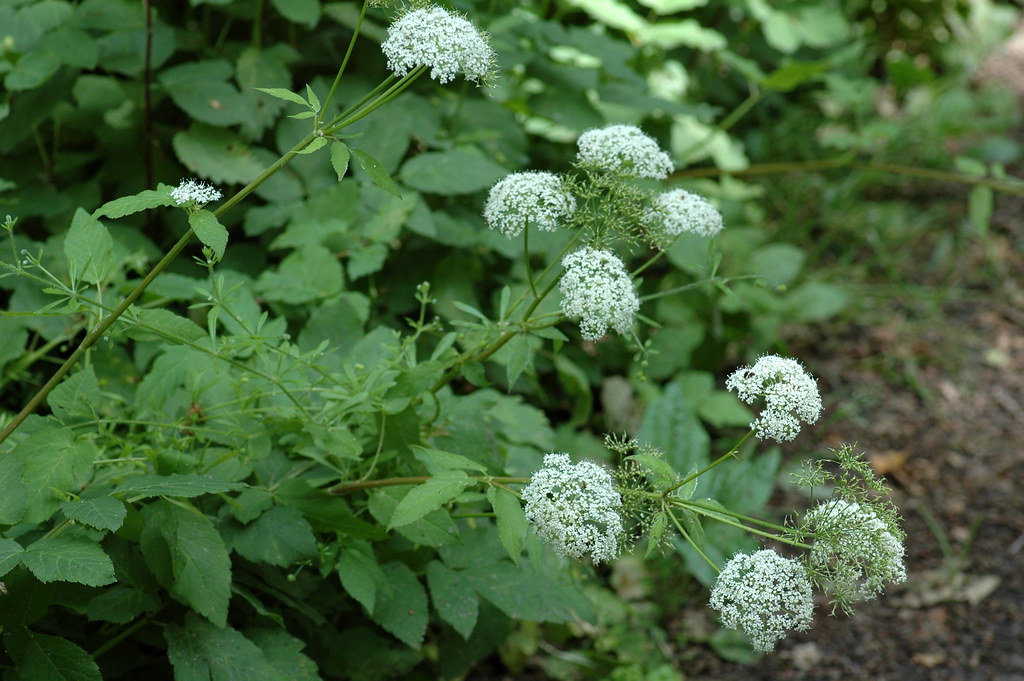
Appearance: Ground elder has pointed ovular leaves with jagged teeth, usually in groups of five. They are light green and translucent when young, and a darker matt green when mature. From May to June, the plant has tiny white flowers in an umbrella shape, similar to elderflower (hence the name).
Where: Ground elder usually grows in shady areas and at borders of gardens, lanes, woodlands or roads.
How to forage: The best use of ground elder is to collect the leaves.
When: The leaves are edible from March to October, but June is the best time.
How to use: The younger, translucent leaves taste like sweet parsley and can be eaten in salads. The slightly more mature leaves (darker green) can be cooked like spinach, but when they become papery they are not good for eating.
Commonly mistaken with…
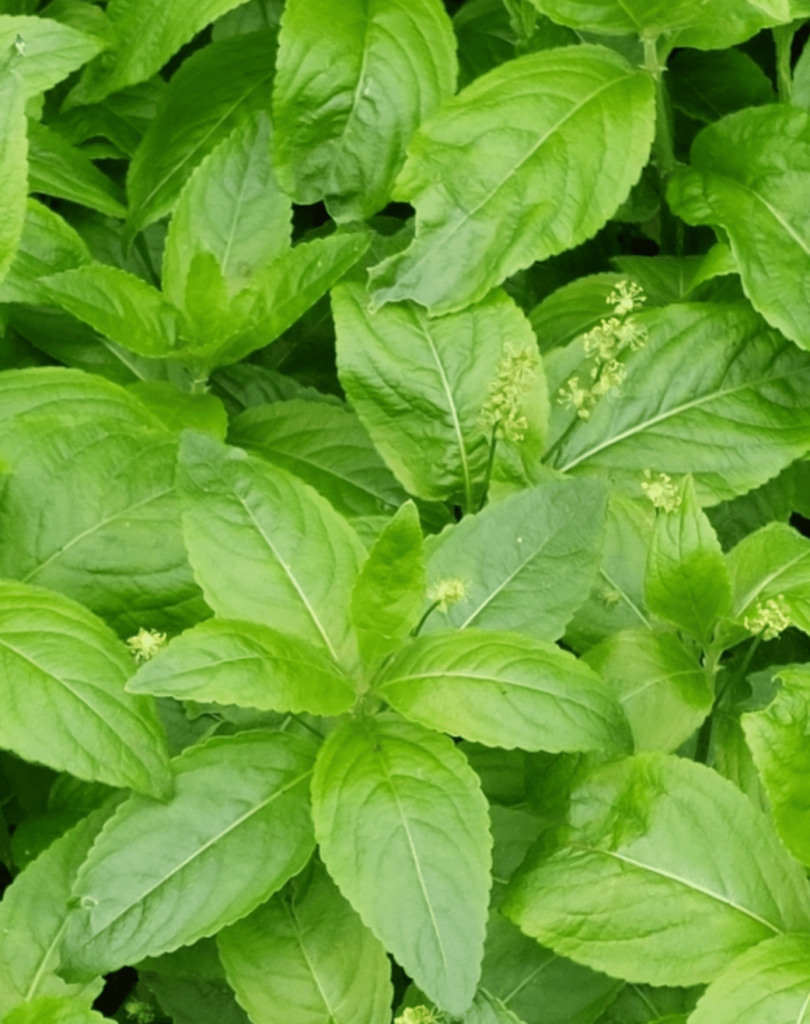
Dog’s mercury. You can tell dog’s mercury by its hairy, single-rounded stems with leaves growing in interval pairs. This plant is toxic and should not be eaten.