San Francisco’s Golden Gate Bridge might be one of the world’s most iconic landmarks, but Maria Finn is more interested in the chickweed and redwood tips in the surrounding park
Location: San Francisco, California, USA
Description: Warm, dry summers and mild, wet winters bring immense biodiversity in the land of perpetual sunshine.
Common edible plants: miner’s lettuce, fennel, chickweed, fir tips, pine tips, cherry blossoms, roses, nasturtium, borage, elderflowers
Transferable tip: Foraging is walking through your neighbourhood to cultivate relationships with plants and people.
credit: (as above)
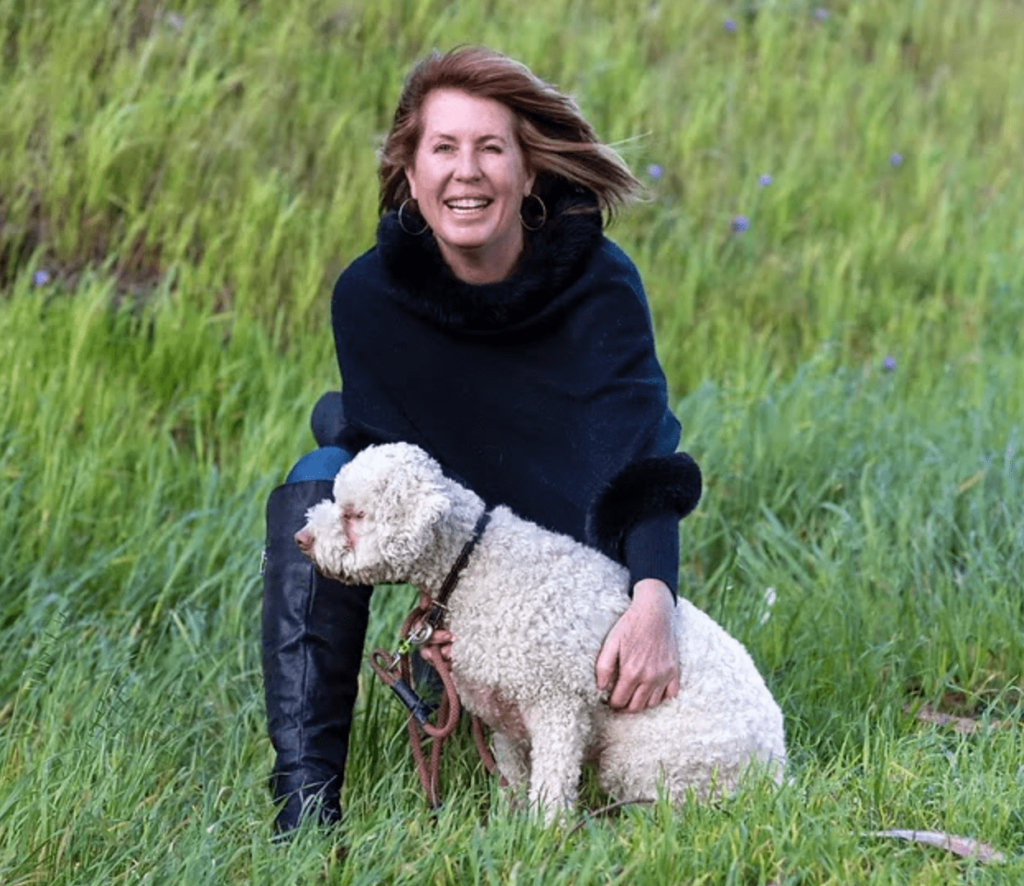
For San Francisco Bay-area based Maria Finn, there are 72 seasons, not four. Instead of Summers moulting uneventfully into Autumn or Springs quietly blooming from Winter in a stark, one-off calendar event – she celebrates the appearance of each wild food in California as a distinct shade or season of its own.
When temperatures begin warming in late January, for instance, she celebrates the lingering mushroom season, incoming miner’s lettuce and budding pine tips. Next, there’s seaweed and cherry blossoms, followed by sprays of creamy elderflower erupting along busy interstate highways – where she sometimes swerves precariously to stop and have a quick forage. When temperatures warm further in June and San Francisco’s summer fog thickens, it’s time for ripened, succulent currants.
“The convergence of [traditional] seasons is the richest time if you’re out looking at wild foods,” she says.
Finn’s approach to overlapping seasons resonates with the permaculture design principle known as the edge effect – an ecological principle describing how there is greater diversity in two adjacent ecosystems – the edge of land and water in the wetlands, for instance. Or, in this case, the confluence of conventional seasons.
Nowhere is this all-encompassing fluidity as evident as it is in San Francisco.
“The wonderfulness of San Francisco is that it’s so international and cosmopolitan in the plants and the trees,” says Finn, who is the founder of The Institute for Ecosystem Based Living, Flora & Fungi Wild Food Adventures and author of Forage. Gather. Feast.
The city’s eclectic mix of urban and natural environments offers a “full menu”, she explains. From Dungeness crabs at Baker Beach and a wide variety of fish in ocean or bay waters from the city’s public piers – though there are important fishing regulations, she cautions – the smorgasbord of coastal foraged delicacies adds to the strait’s allure. Over in the parks and urban areas, mushrooms sprouting from the pavement, miner’s lettuce, borage, fennel and chickweed are ubiquitous.
And while legislation crowning the gigantic golden chanterelle as California’s official mushroom is relatively recent, the state has long enjoyed a tradition of rich foraged treats such as mallow, thistle, wild radish, red clover and wild yarrow, with fir and pine tips a particular favourite.
Golden Gate Park specifically is testimony to the constant reinvention of the cityscape and nature’s resilience. As Finn writes for her upcoming urban foraging guided tour The Unnatural History of Golden Gate Park: “The story of Golden Gate Park is one of trees and romantic ideals. Of believing that nature improves the spirits and character of people trapped in urban squalor. And so two million trees later the windswept dunes of San Francisco’s Outerlands became Golden Gate Park.”
Those two million trees have rich back stories as multifaceted as the city’s inhabitants themselves. “Along with native redwoods, there are peri-peri berries from New Zealand, Japanese maples and cherry teas, native elderflowers, rose geraniums gone wild, currant bushes, blackberries… Everyone comes to the city and brings the landscape they left and know,” she says.
Finn’s own foraging journey, too, has a cosmopolitan origin story. While she has fond memories of a mulberry tree in her backyard growing up, her love for foraging burst into technicolour during her time with Indigenous communities in the Yukon territories, where she spent roughly nine years (though she travelled back for winters). “In Alaska, it’s not called foraging. It’s subsistence. It was about relationships.”
x
“Keep it simple. Keep it local,” she says. Her vision is clear: to transform our world by learning from nature’s regenerative systems.
x
The interconnected way of living with the cadences of nature stayed with Finn, even as she moved to New York and later, to a houseboat in California. She recalls seeing grape leaves harvested in Central Park for dolmas (stuffed grape leaves) and discovering that one’s backyard can be a veritable edible garden during the pandemic.
Finn’s experiences — from picking morels in the Sierra foothills to learning about indigenous food practices in the Yukon — highlight the critical role of the environment in sustaining communities.
Today, she leads foraging workshops to teach participants how to identify plants, understand their uses, and prepare them thoughtfully in delightfully simple and, most importantly, delicious recipes.
“Keep it simple. Keep it local,” she says. Her vision is clear: to transform our world by learning from nature’s regenerative systems. Through her Institute for Ecosystem-Based Living and numerous speaking engagements, she teaches that foraging is more than a lifestyle – it’s a way of cultivating numerous relationships with the environment, our food, and our communities.
Embracing this ethos means we can begin to reshape our urban landscapes to reflect the brilliance of nature, fostering sustainability and resilience for future generations, she explains.
The goal Finn advocates for is not to live by foraging off the land entirely – doing so would require far too many acres per person – but to integrate the wisdom of nature into our food systems.
By foraging, we can develop a relationship with our environment, learning what’s in season and how to harvest sustainably, she explains. The practice enriches our diets and deepens our connection to the natural world, reminding us of our place within it.
That place, Finn says, is for humans to be a keystone species – organisms that help hold a system together – rather than damaging it. Through mimicking self-generating and healthy systems, such as the carbon-sequestering properties of seaweed, humans can achieve this status.
“It’s about looking at the brilliant systems in nature and saying: how can we make our world look more like that?” she says.
Understanding the local flora and fungi is also economically beneficial, she explains.
In the heart of northern California, the Napa River flows through tanneries, farms, and wineries, occasionally flooding its winter floodplain — a vital gathering spot for both people and wildlife. This river, threatened by sewage pollution, fish deaths and increased pressure by the growing population, was resuscitated through environmental initiatives such as wetland restoration projects and fish-friendly farming practices.
While these initiatives epitomised the region’s commitment to fish-friendly wine growing and biodiversity conservation, they also underscored lucrative bottom-line benefits. Now, Finn explains, the Napa River is living testament to the balance between nature and human industry, with hotels and tasting rooms now complementing the revitalised ecosystem and thriving business environment.
By adopting an inclusive and multi-faceted approach, foraging – and the many benefits that come with it – help maintain California as the forager’s paradise that it is.
Still, instead of viewing foraging as a means to ambitious environmental ends alone, Finn recommends foraging for the personal connection it fosters with the environment, and the memories created along the way: “Treat the foraged ingredient like a little accent,” she suggests.
Everything else will fall into place. No matter the season.